
The electronics industry is a hub of constant innovation. New technologies are continually emerging, promising faster, smaller, and more powerful devices. However, this rapid advancement comes with a hidden cost: obsolescence. Components can become outdated, manufacturers may discontinue product lines, and yesterday’s cutting-edge technology can quickly turn into a liability.
For businesses that depend on electronic components, obsolescence can lead to significant disruptions. Production lines may come to a standstill, costs can soar, and essential operations may be at risk. Although obsolescence is an inevitable aspect of the electronics industry, its effects don’t have to be catastrophic. By understanding the factors contributing to obsolescence and implementing proactive strategies, you can ensure your business runs smoothly and prevent costly setbacks.
Understanding Obsolescence: Why Parts Become Obsolete
Several factors contribute to the lifecycle of electronic components, from their rise to their eventual decline:
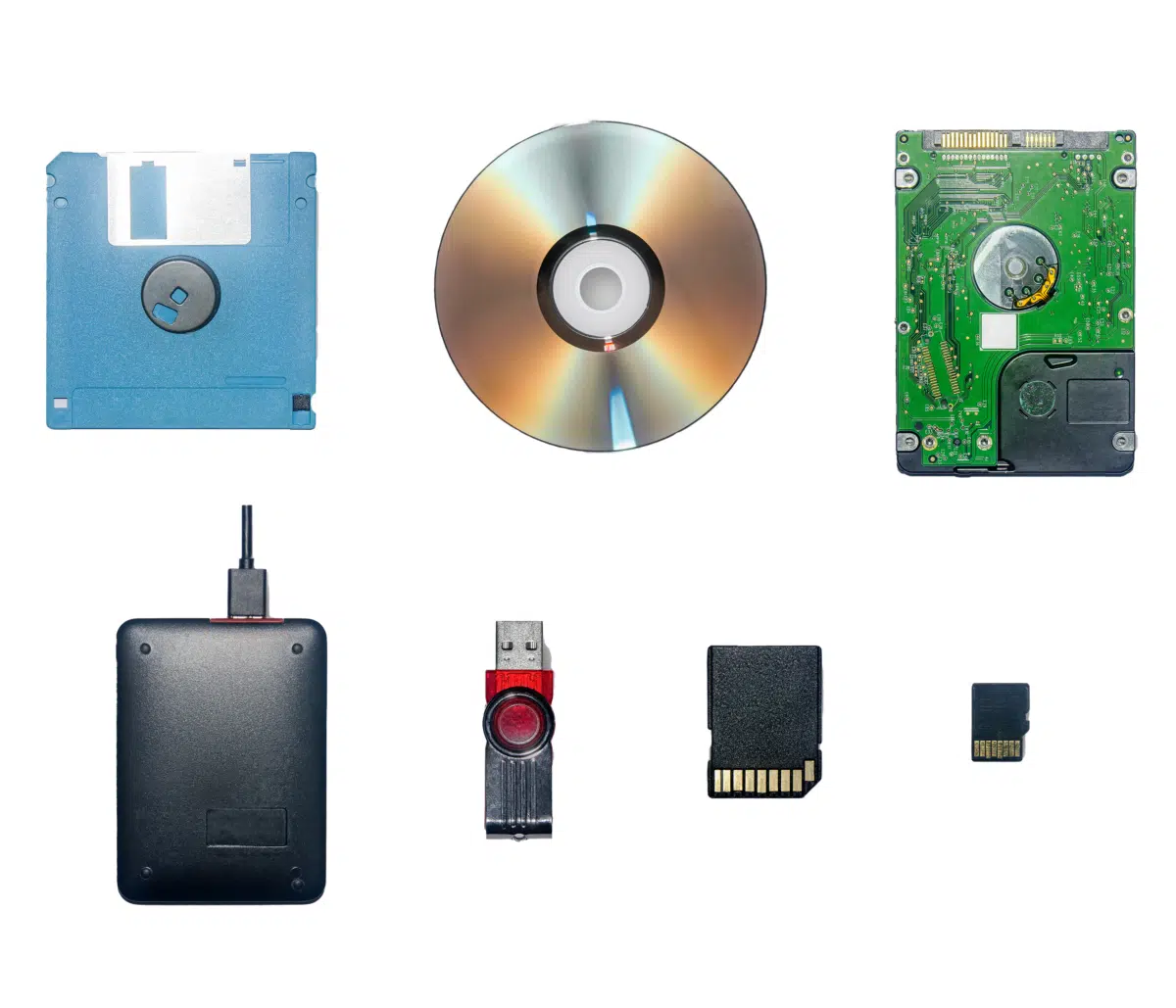
- Unpredictable supply chain disruptions: Global events, economic fluctuations, and natural disasters can disrupt the delicate balance of the electronics supply chain. The recent pandemic highlighted the vulnerability of these intricate networks, resulting in widespread shortages and hastening the obsolescence of certain components.
- Evolving regulations and standards: Changes in environmental and safety regulations may make older components non-compliant, requiring businesses to switch to updated versions.
- Planned obsolescence: Some manufacturers design products with limited lifespans to boost future sales. This practice is common in the consumer electronics market and contributes to the rapid turnover of devices and their components.
The High Cost of Inaction: The Impact of Unmanaged Obsolescence
Proactive Strategies for Managing Obsolescence
The good news is that obsolescence doesn’t have to be a crisis. By taking proactive steps, you can mitigate the risks and ensure the longevity of your products and operations. Here are some key strategies to consider:

Stay Ahead of the Curve
Carefully observe industry trends, technological developments, and manufacturer product plans. This will provide valuable insights into the expected lifecycles of components and possible supply chain disruptions.

Track Lifecycle Status: PCNs and PDNs
Monitor manufacturer Product Change Notices (PCNs) and Product Discontinuation Notices (PDNs) against your active BOMs, and use component lifecycle-status data to flag parts moving toward end-of-life. Catching a PDN early is what turns an obsolescence event from an emergency into a planned transition, giving you time to secure supply or qualify an alternative before the part is gone.

Diversify your Supply Chain
Don’t depend on a single source for vital components. Build relationships with multiple suppliers to ensure backup options in case of disruptions or product discontinuations.

Design for the Future
When developing new products, prioritize modular designs and standardized components. In regulated and long-lifecycle industries, this falls under the formal discipline of DMSMS (Diminishing Manufacturing Sources and Material Shortages) management — designing with second sources, avoiding single-sourced or soon-to-be-obsolete parts, and documenting approved alternates from the start. This makes it easier to replace obsolete parts without requiring a complete overhaul of the product.

Plan the Last-Time Buy
When a part is discontinued, manufacturers offer a final ordering window — the Last-Time Buy (LTB), sometimes called a lifetime buy. Getting this right means forecasting total remaining demand across the product’s service life and purchasing accordingly, then storing the parts under proper conditions. Buy too little and you face a redesign; buy too much and you carry dead stock. It’s the highest-stakes decision in obsolescence management, and where distributor support is most valuable.

Partner with Experts
Collaborate with suppliers who offer extended lifecycles, alternative sourcing options, and proactive obsolescence management solutions.
Ready to take control of obsolescence?
Connect with Suntsu today and let our experts help you develop a proactive obsolescence management strategy that ensures the long-term success of your products. We’ll work with you to understand your unique challenges and provide tailored solutions to keep your production lines running smoothly.