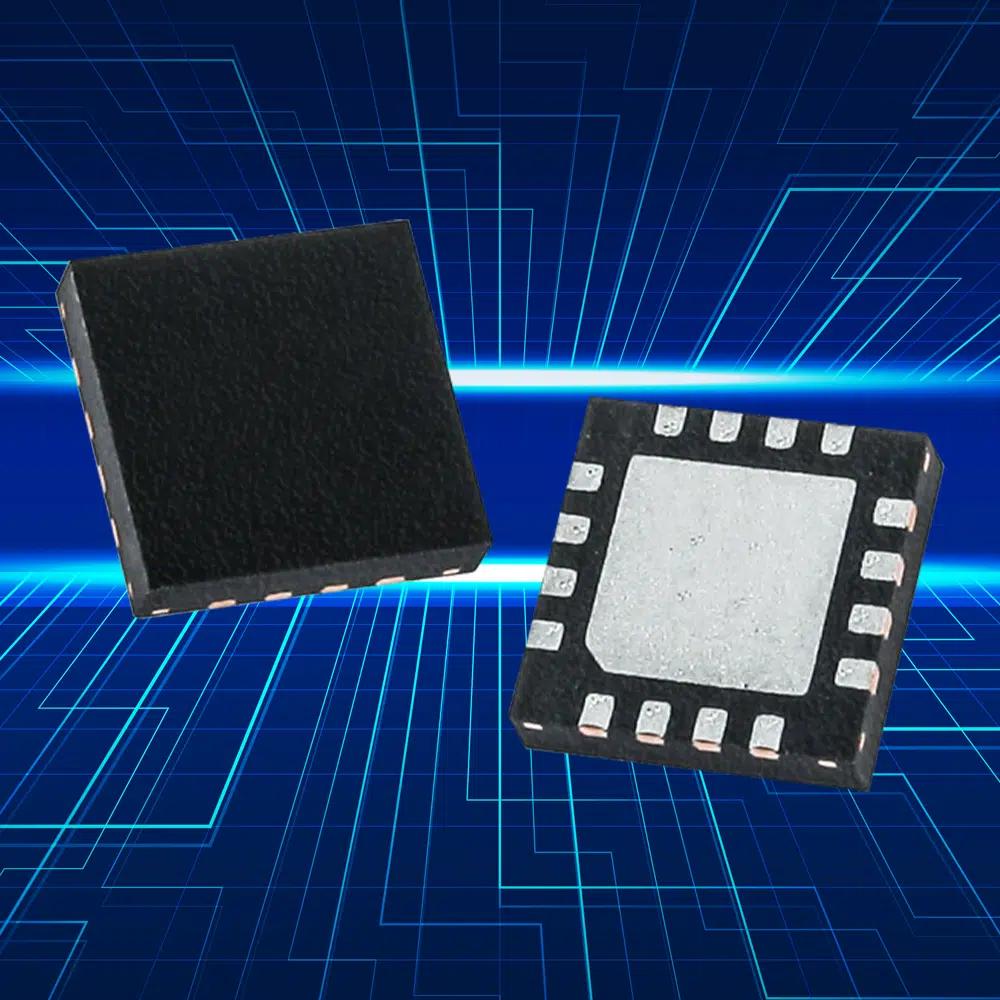
Infineon’s XMC family of Arm Cortex Industrial Microcontrollers is specifically designed to fulfill the rigorous demands of industrial applications across multiple sectors. These 32-bit microcontrollers, built on the advanced Arm Cortex architecture, deliver exceptional performance, advanced connectivity options, and extensive safety features. With real-time processing capabilities and high reliability, they are well-suited for the harsh environments prevalent in various industries. The XMC microcontrollers are perfect for industrial automation, motor control, renewable energy applications, and many other critical sectors where precision and reliability are absolutely essential for success and long-term operation.

Key Features and Capabilities

Infineon XMC Industrial Microcontrollers are designed with a strong emphasis on delivering robust performance and ensuring industrial-grade reliability, making them an exceptional choice for a variety of demanding applications. Here are some key features that highlight their capabilities:

loader-icon

At the core of the Infineon XMC microcontrollers is the industry-standard Arm Cortex-M architecture, which includes M0, M4, and their derivatives. This architecture not only offers impressive processing power but also allows for efficient code execution. It enables engineers to implement sophisticated control algorithms that can enhance the functionality and performance of their applications.

Infineon understands the challenges posed by harsh industrial environments. XMC microcontrollers are meticulously engineered to operate reliably in such conditions, featuring an extended temperature range and high electromagnetic compatibility (EMC). Their robust packaging options further ensure durability, making them ideal for demanding applications where failure is not an option.

These microcontrollers come equipped with a wide array of advanced industrial peripherals, enabling seamless integration with various industrial sensors, actuators, and communication networks. Notable features include high-resolution Analog-to-Digital Converters (ADCs) and Digital-to-Analog Converters (DACs), sophisticated PWM timers for precise control, and connectivity options like Industrial Ethernet and Controller Area Network (CAN FD). Multiple Universal Asynchronous Receiver-Transmitter (UART), Serial Peripheral Interface (SPI), and Inter-Integrated Circuit (I2C) interfaces further enhance communication capabilities.

The combination of the Arm Cortex architecture and dedicated hardware features ensures that Infineon XMC microcontrollers can deliver real-time performance. This is particularly crucial for applications demanding deterministic timing and precise control, such as automation systems or robotics.

Infineon prioritizes safety by incorporating essential features such as memory protection units (MPUs) and hardware error correction. These features are vital in ensuring reliable operation, especially in safety-critical applications where system integrity is paramount.

Certain XMC models are specifically optimized for motor control applications and are equipped with advanced PWM timers, analog comparators, and dedicated interfaces for motor control. This makes them highly suitable for driving motors efficiently and accurately in various industrial settings.

With support for various communication standards, including Industrial Ethernet and CAN FD, Infineon XMC microcontrollers ensure flexible connectivity within industrial networks. This versatility allows for easy integration into existing systems and facilitates effective data communication across multiple devices.

6k+

MCUs
Available

l
Source Infineon Parts

MCUs Ready Now

Applications

Industrial Automation

These microcontrollers play a crucial role in industrial automation by powering applications such as programmable logic controllers (PLCs), advanced robotics, and sophisticated process control systems. Their ability to handle complex tasks and communication protocols enhances operational efficiency.

Motor Control

Designed specifically for motor control applications, Infineon XMC microcontrollers excel in driving industrial motors, servos, and robotic systems. Their precision and responsiveness contribute to enhanced performance and reduced energy consumption in motor-driven operations.

Renewable Energy

In the growing field of renewable energy, XMC microcontrollers are utilized in systems like solar inverters and wind turbines, optimizing energy conversion and management. Their innovative capabilities support the integration of clean energy sources into the power grid.

Factory Automation

Within factory environments, these microcontrollers facilitate streamlined processes and automation systems, handling tasks that require real-time processing and decision-making, which leads to improved productivity.

Building Automation

XMC microcontrollers are also integral to building automation systems, supporting critical functions such as heating, ventilation, and air conditioning (HVAC) management, lighting control, and security systems. They enhance comfort and safety while promoting energy efficiency in commercial and residential buildings.

Commercial Vehicles

Certain models of XMC microcontrollers are utilized in commercial vehicle applications, where they contribute to the reliability and functionality of systems vital for transport and logistics, ensuring better control and monitoring in challenging environments.

Benefits

Robust Performance

The Arm Cortex architecture, coupled with an industrial-grade design, guarantees exceptional reliability and stable operation even in the most challenging environments. This makes it ideal for applications where performance is critical, such as automation and manufacturing processes.

Advanced Industrial Connectivity

Equipped with support for a multitude of communication interfaces, including industrial Ethernet and CAN FD, these microcontrollers facilitate seamless integration into various industrial networks. This versatility enables enhanced data exchange and communication between devices, thereby improving overall system efficiency and adaptability.

Real-Time Capabilities

The microcontrollers are designed to deliver real-time performance, which is crucial for applications that require precise control and strict timing protocols. This capability ensures that tasks are executed with minimal latency, enabling rapid response to system changes and enhancing overall operational effectiveness.

Comprehensive Safety Features

Safety is a paramount concern in industrial settings, and these microcontrollers come with a range of integrated safety features designed to ensure dependable operation in safety-critical applications. Compliance with industry safety standards enhances user confidence and supports risk management strategies.

Motor Control Optimization

Featuring dedicated capabilities for motor control, these microcontrollers enable efficient and precise management of motor operations. This includes advanced algorithms and control techniques that enhance performance, reduce energy consumption, and improve the longevity of motor systems in various applications.

Long-Term Availability

Designed with longevity in mind, Infineon XMC microcontrollers offer a commitment to long-term availability. This is crucial for industrial applications where the continuity of supply is necessary for maintenance and expansion, allowing businesses to rely on a consistent source of components for their projects over extended periods.

Conclusion

Infineon XMC Arm Cortex Industrial Microcontrollers offer a robust platform designed for the development of advanced industrial systems, featuring powerful ARM Cortex cores for efficient processing and a range of connectivity options that facilitate seamless integration in diverse environments. With a strong emphasis on comprehensive safety features to meet stringent industry standards, these microcontrollers ensure precision and reliability in critical applications such as industrial automation and renewable energy systems. By facilitating precise control and monitoring, XMC microcontrollers not only enhance operational efficiency but also drive innovation, empowering developers to build smarter, adaptive systems for the future of industrial technology.

keyboard_arrow_up