
Custom Components: The Future of Innovation

Innovation is the key driver in electronics, with OEMs constantly seeking that standout feature, high performance, or unique user experience. As designs grow more complex and miniaturization demands increase, depending solely on off-the-shelf parts can be as impractical as trying to build a spaceship with LEGO bricks. The future of innovation hinges on designing custom parts that perfectly suit your product, offering the true potential and promise of Custom Electronic Components.

At Suntsu Electronics, we know that a precisely designed component can

unlock revolutionary potential, turning a strong product idea into an industry leader. Our hybrid approach, blending global distribution with in-house manufacturing and engineering skills, makes us more than a supplier—we’re a committed partner in transforming innovative designs into reality.

Innovation is the key driver in electronics, with OEMs constantly seeking that standout feature, high performance, or unique user experience. As designs grow more complex and miniaturization demands increase, depending solely on off-the-shelf parts can be as impractical as trying to build a spaceship with LEGO bricks. The future of innovation hinges on designing custom parts that perfectly suit your product, offering the true potential and promise of Custom Electronic Components.

At Suntsu Electronics, we know that a precisely designed component can unlock revolutionary potential, turning a strong product idea into an industry leader. Our hybrid approach, blending global distribution with in-house manufacturing and engineering skills, makes us more than a supplier—we’re a committed partner in transforming innovative designs into reality.

Defining the Custom Advantage: Tailored for Tomorrow

The decision to use a standard, off-the-shelf component or a custom one depends on whether the requirement is driven by design needs or availability. What distinguishes a custom component from a standard one, and why would an engineer opt for the custom option?

A standard component is a mass-produced, readily available part—such as a commodity-grade microcontroller, a common resistor, or a standard-frequency crystal oscillator. Its specifications are fixed, documented in a datasheet, and usually non-negotiable.

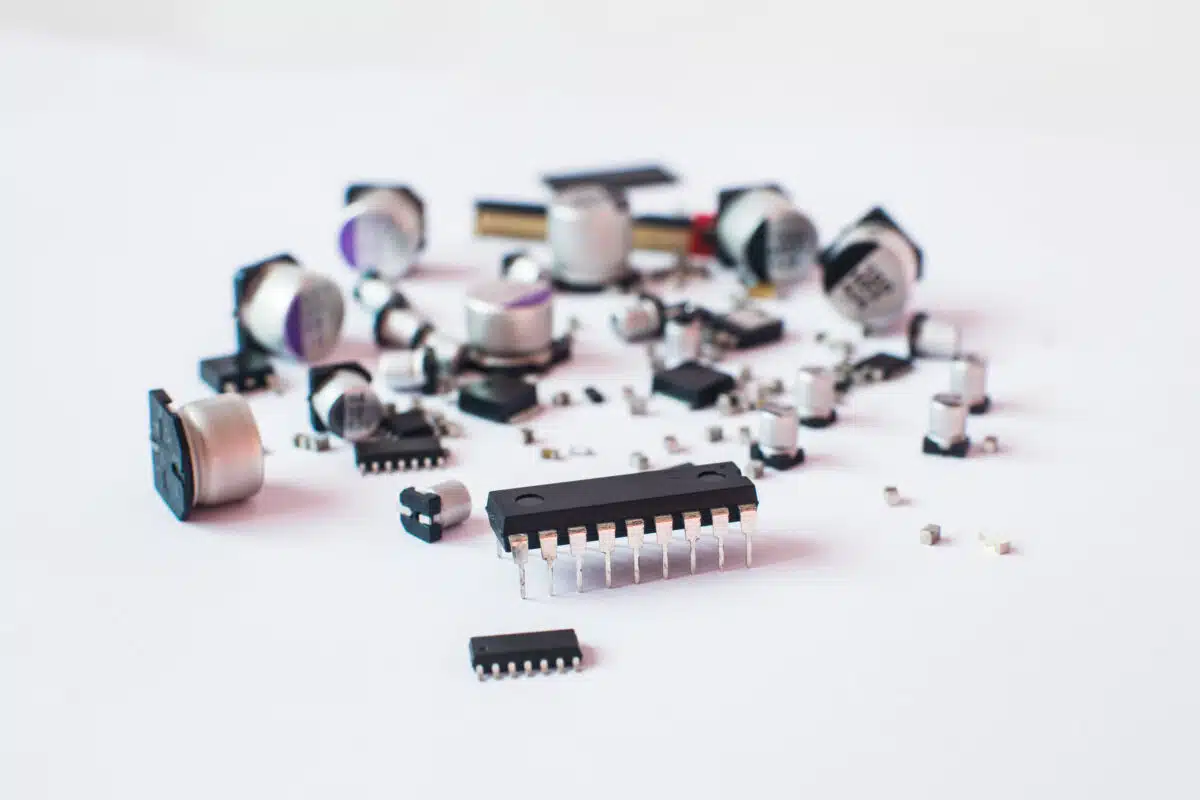
A custom component is specifically designed or tailored from scratch to fulfill a unique requirement for a customer’s application. This might entail creating a precise form factor for a compact wearable device, producing a specific frequency output with extremely low jitter for a 5G application, developing a connector with a special pin-out arrangement, or designing an integrated circuit with proprietary firmware. These components are developed when a standard option is unavailable or when existing components involve too many trade-offs in terms of performance, size, power efficiency, or cost to be practical.

An engineer selects a customized approach to reach a level of optimization that cannot be attained with standard components. This could be for various reasons:

  • Solve a space constraint: Creating a component with a unique footprint to fit into an extremely compact or oddly-shaped enclosure.
  • Achieve superior performance: Specifying tighter tolerances, better noise immunity, or a higher operating temperature range than any available standard part offers.
  • Reduce part count and simplify the Bill of Materials (BOM): Combining the functionality of two or three standard components into a single, integrated custom part.
  • Gain a competitive edge: Integrating a proprietary feature directly into the component, making the final product more difficult for competitors to replicate.

Customization is the key to escaping the constraints of the standard component market and securing genuine product innovation.

Defining the Custom Advantage: Tailored for Tomorrow

The decision to use a standard, off-the-shelf component or a custom one depends on whether the requirement is driven by design needs or availability. What distinguishes a custom component from a standard one, and why would an engineer opt for the custom option?

A standard component is a mass-produced, readily available part—such as a commodity-grade microcontroller, a common resistor, or a standard-frequency crystal oscillator. Its specifications are fixed, documented in a datasheet, and usually non-negotiable.

A custom component is specifically designed or tailored from scratch to fulfill a unique requirement for a customer’s application. This might entail creating a precise form factor for a compact wearable device, producing a specific frequency output with extremely low jitter for a 5G application, developing a connector with a special pin-out arrangement, or designing an integrated circuit with proprietary firmware. These components are developed when a standard option is unavailable or when existing components involve too many trade-offs in terms of performance, size, power efficiency, or cost to be practical.

An engineer selects a customized approach to reach a level of optimization that cannot be attained with standard components. This could be for various reasons:

  • Solve a space constraint: Creating a component with a unique footprint to fit into an extremely compact or oddly-shaped enclosure.
  • Achieve superior performance: Specifying tighter tolerances, better noise immunity, or a higher operating temperature range than any available standard part offers.
  • Reduce part count and simplify the Bill of Materials (BOM): Combining the functionality of two or three standard components into a single, integrated custom part.
  • Gain a competitive edge: Integrating a proprietary feature directly into the component, making the final product more difficult for competitors to replicate.

Customization is the key to escaping the constraints of the standard component market and securing genuine product innovation.

The Journey to Custom: Concept to Delivery

For both engineers and purchasing managers, understanding the development process is vital for effective project planning. The typical journey from the initial concept to the delivery of a custom component follows a structured path. Additionally, it is essential to comprehend the required volume during this process.

While the specifics may vary based on complexity—such as a custom crystal being less complex than a custom ASIC—the journey for a Custom Electronic Component generally adheres to these well-defined stages:

1. Concept & Specification (Discovery Phase)

The process starts by understanding the customer’s design requirements. Our engineers collaborate closely with the customer’s team to establish all essential parameters, including electrical specifications, mechanical dimensions, environmental considerations, and budget targets. This initial phase may span 1 to 4 weeks.

2: Design & Engineering Review (Feasibility Phase)

The engineering team at Suntsu creates the initial design, conducts simulations, and carries out a Manufacturability Review. We pinpoint possible technical challenges and recommend design alternatives aimed at enhancing both performance and cost efficiency.

3: Sampling & Prototyping

This is the stage where the concept transitions into a tangible product. The manufacturer creates a limited number of samples or prototypes. This phase is essential for testing the component in real-world applications. Depending on the complexity of the component, this process usually takes between 6 to 12 weeks.

4: Testing & Qualification

The customer incorporates the samples into their prototype board. We frequently provide Board Characterization Services to confirm that the custom component operates as intended within the entire system. This stage involves thorough environmental and electrical testing to secure final approval.

5: Tooling & Production

After the component receives qualification and approval, the final tooling is produced, and the part transitions into mass production. The delivery of the initial production run may take an extra 4 to 10 weeks following final approval.
Mitigating Supply Chain Risk with Customization

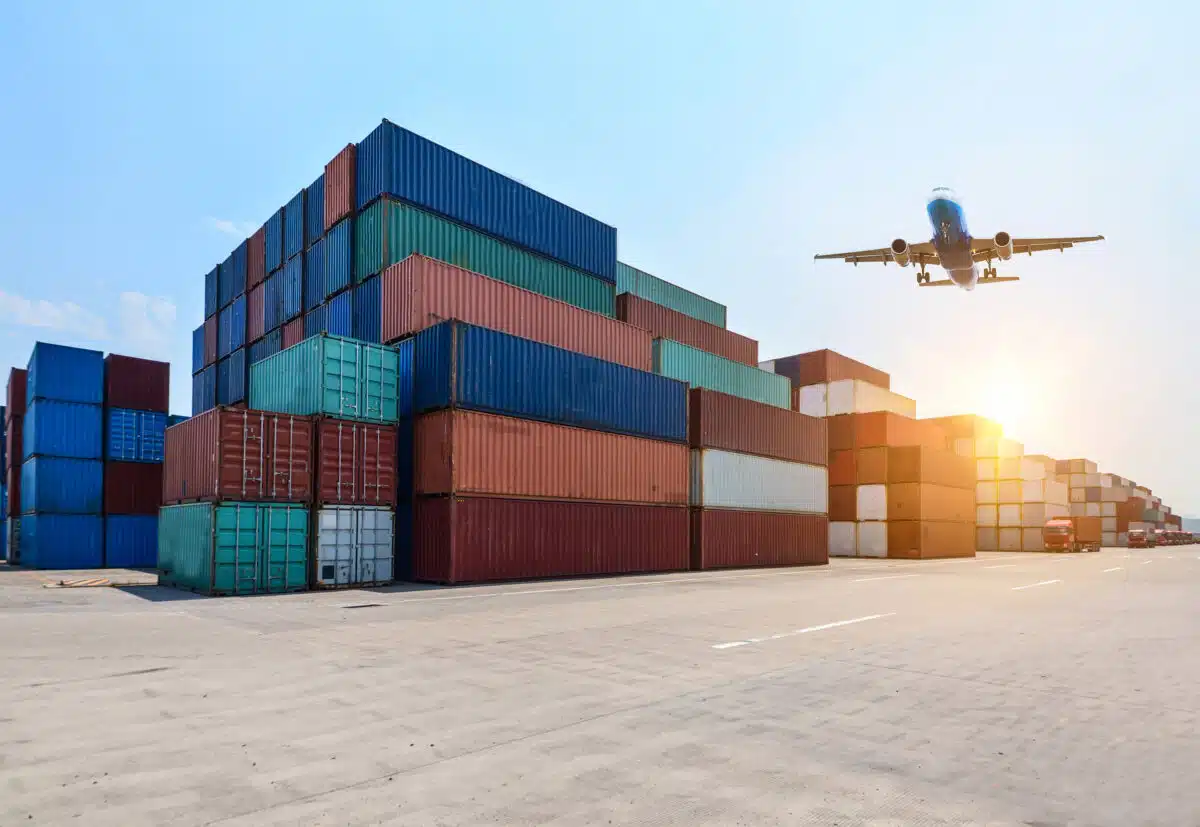
In the current volatile climate of supply chain disruptions, obsolescence, and global shortages, committing to a unique part may initially appear counterintuitive. However, a well-managed custom component strategy serves as a powerful shield against supply chain instability. Implementing a custom component positively influences long-term supply chain management and effectively mitigates obsolescence risk.

The Obsolescence Advantage

Standard components, particularly those commonly utilized, often face unexpected End-of-Life (EOL) notifications when major manufacturers streamline their product offerings or change their focus. When a widely-used part is declared EOL, countless companies find themselves in a rush to find alternatives, resulting in serious shortages and crises in mitigation.

By opting for a Custom Electronic Component, you gain ownership of that component. You establish a direct partnership with the manufacturer (or the organization overseeing the manufacturing process, such as Suntsu). This collaboration ensures:

  1. Guaranteed Visibility: As a primary stakeholder, you will receive direct communication regarding any future changes to the component, ensuring you have years of notice instead of just months.
  2. Long-Term Commitment: Custom components typically involve a contractual obligation for long-term supply, which provides significantly more stability compared to standard catalog parts.
  3. Controlled Design: With Suntsu’s expertise in design, we can facilitate a seamless transition from outdated components by overseeing a last-time buy, developing a precise drop-in replacement, or creating an advanced next-generation version, all for your convenience.

When you take control of the design, you convert a passive supply chain challenge into an active, manageable, and well-regulated long-term strategy. This approach results in decreased risks and delays throughout your product lifecycle.

Mitigating Supply Chain Risk with Customization

In the current volatile climate of supply chain disruptions, obsolescence, and global shortages, committing to a unique part may initially appear counterintuitive. However, a well-managed custom component strategy serves as a powerful shield against supply chain instability. Implementing a custom component positively influences long-term supply chain management and effectively mitigates obsolescence risk.

The Obsolescence Advantage

Standard components, particularly those commonly utilized, often face unexpected End-of-Life (EOL) notifications when major manufacturers streamline their product offerings or change their focus. When a widely-used part is declared EOL, countless companies find themselves in a rush to find alternatives, resulting in serious shortages and crises in mitigation.

By opting for a Custom Electronic Component, you gain ownership of that component. You establish a direct partnership with the manufacturer (or the organization overseeing the manufacturing process, such as Suntsu). This collaboration ensures:

  1. Guaranteed Visibility: As a primary stakeholder, you will receive direct communication regarding any future changes to the component, ensuring you have years of notice instead of just months.
  2. Long-Term Commitment: Custom components typically involve a contractual obligation for long-term supply, which provides significantly more stability compared to standard catalog parts.
  3. Controlled Design: With Suntsu’s expertise in design, we can facilitate a seamless transition from outdated components by overseeing a last-time buy, developing a precise drop-in replacement, or creating an advanced next-generation version, all for your convenience.

When you take control of the design, you convert a passive supply chain challenge into an active, manageable, and well-regulated long-term strategy. This approach results in decreased risks and delays throughout your product lifecycle.

Suntsu’s Role: The Engineering Partner

Bringing a custom component to life requires a unique combination of technical skills, supply chain management, and manufacturing expertise. This is where Suntsu’s hybrid business model truly excels. Our dedicated engineering team is essential to the custom component development process.

At Suntsu, our engineering team acts as an extension of your own engineering department, offering expertise that goes far beyond simple sourcing. We are committed to providing comprehensive support for your custom component needs:

Component Design and Specification

We collaborate closely with your design engineers from the very beginning, turning performance objectives and physical limitations into detailed technical specifications. Whether you’re in need of a custom Frequency Control product like a tailored TCXO, a specialized Connector designed for challenging environments, or a bespoke Power Inductor with a precise form factor, our team will create the solution to fit your exact requirements, enhancing your design flexibility.

Manufacturing and Quality Management

We leverage our extensive network of authorized and reliable manufacturers, alongside our own production facilities, to create your custom part. Every component undergoes our thorough Quality Assurance Process, which includes documentation checks, visual inspections, and, for delicate parts, specialized evaluations such as X-Ray Analysis and Decapsulation. This ensures that each component is completely genuine and adheres to all specified standards.

Obsolescence and Long-Term Support

Our team offers Obsolescence Management support for your custom parts, ensuring that your product remains viable over time. We proactively identify risks related to raw materials and can implement smooth redesigns if any sub-component of your custom part approaches its end of life (EOL). This approach helps you maintain project continuity for many years ahead.

By offering expert advice and support, combined with our extensive experience in component manufacturing and quality assurance, Suntsu enables engineers and purchasing managers to innovate with certainty. Opting for custom solutions is a strategic choice—it protects your design, strengthens your supply chain, and ensures your product’s longevity. Collaborating with a trusted and knowledgeable long-term partner like Suntsu is the essential first step.

Are you ready to stop adapting your designs to the market and start defining it with your own Custom Electronic Components?

FAQs

What is the typical Non-Recurring Engineering (NRE) cost for a custom component?

The NRE cost is highly variable and depends entirely on the complexity of the custom component. For simple modifications to existing parts, such as a custom frequency control product or specialized capacitor footprint, the NRE may be minimal or included in the final unit price, often requiring only a higher Minimum Order Quantity. For highly complex projects, such as designing a custom integrated circuit (IC) from scratch, NRE can be substantial, sometimes in the hundreds of thousands of dollars, to cover design, mask fabrication, and rigorous testing and qualification. Our engineering services team will provide a detailed NRE quote after the initial design and feasibility review.

How does Suntsu ensure the quality and authenticity of custom components?

Every custom component manufactured through Suntsu is subject to our rigorous quality assurance process, which is detailed and multi-staged. This process includes:

  • Documentation Inspection: Verifications of all certificates of conformance (CoC) and country of origin (COO).
  • Visual and Dimension Inspection: Checking for physical defects and adherence to the custom specifications.
  • Advanced Testing: For critical components, we offer advanced, non-destructive and destructive testing options, including x-ray analysis, solderability testing, and decapsulation to ensure both performance and anti-counterfeiting integrity.

Can Suntsu help manage my custom component inventory in production?

Yes. Once your custom component is qualified for mass production, we offer several inventory management solutions to optimize your supply chain and cash flow. Our most popular options include Vendor Managed Inventory (VMI), which provides complete visibility and control over your stock, and consignment programs. These solutions are designed to ensure you receive a Just-in-Time (JIT) supply of your custom parts, reducing carrying costs and protecting against stockouts.

What if I need a custom component and have a shortage of a standard part?

We can absolutely handle both. Suntsu operates on a hybrid business model that combines our custom manufacturing capabilities with our strength as a leading independent distributor. Our unmatched sourcing capabilities allow us to simultaneously work on your custom design and immediately address urgent supply chain needs, such as shortage mitigation and finding hard-to-find or obsolete components from our vast global network. We act as your one-stop shop for components, simplifying your entire procurement process.

If my custom component becomes obsolete, what are my options?

One of the major benefits of working with a long-term partner like Suntsu is our proactive obsolescence management support. If the raw materials or sub-components for your custom part are ever phased out, we commit to giving you guaranteed visibility and years of notice. Our engineering team will work with you to provide a smooth transition, which can include:

  • Facilitating a strategic last-time-buy.
  • Designing a pin-for-pin compatible drop-in replacement.
  • Developing an enhanced, next-generation version of the custom part to ensure your product’s continuity and longevity.

keyboard_arrow_up