

Navigating the 2026 Memory and NAND Flash Price Surge

As 2026 unfolds, the electronics manufacturing industry continues to grapple with a familiar yet intensifying challenge: extreme market volatility. Notably, the memory semiconductor sector has experienced extraordinary fluctuations, with NAND Flash prices jumping more than 90% in Q1. For teams aiming to secure their Bill of Materials (BOM) and keep production on track, the situation remains daunting, with analysts predicting another 20% increase as we move into Q2.

We are currently experiencing a significant Memory Shortage, affecting all departments from design to production. Although the situation is serious,

identifying the underlying causes and adopting strategic sourcing measures can help OEMs and CMs navigate the crisis and obtain the necessary components.

As 2026 unfolds, the electronics manufacturing industry continues to grapple with a familiar yet intensifying challenge: extreme market volatility. Notably, the memory semiconductor sector has experienced extraordinary fluctuations, with NAND Flash prices jumping more than 90% in Q1. For teams aiming to secure their Bill of Materials (BOM) and keep production on track, the situation remains daunting, with analysts predicting another 20% increase as we move into Q2.

We are currently experiencing a significant Memory Shortage, affecting all departments from design to production. Although the situation is serious, identifying the underlying causes and adopting strategic sourcing measures can help OEMs and CMs navigate the crisis and obtain the necessary components.

Reliable Memory Alternatives from Authorized Partners

Jeju Semiconductor Corporation (JSC) specializes in highly reliable memory semiconductors.

Elite Semiconductor Microelectronics Technology (ESMT) provides a comprehensive portfolio of high-quality memory ICs.

Flexxon specializes in industrial-grade memory and highly secure NAND flash solutions.
What is Driving the 2026 Price Surge?

To grasp the current crisis, we need to examine the macroeconomic and technological changes that have fundamentally transformed foundry production. Recalling our analysis in the NAND Flash Price Surge: Essential Strategies for Navigating Q3 2025 Sourcing, the warning signals were already apparent. Now, these structural shifts have fully taken effect.

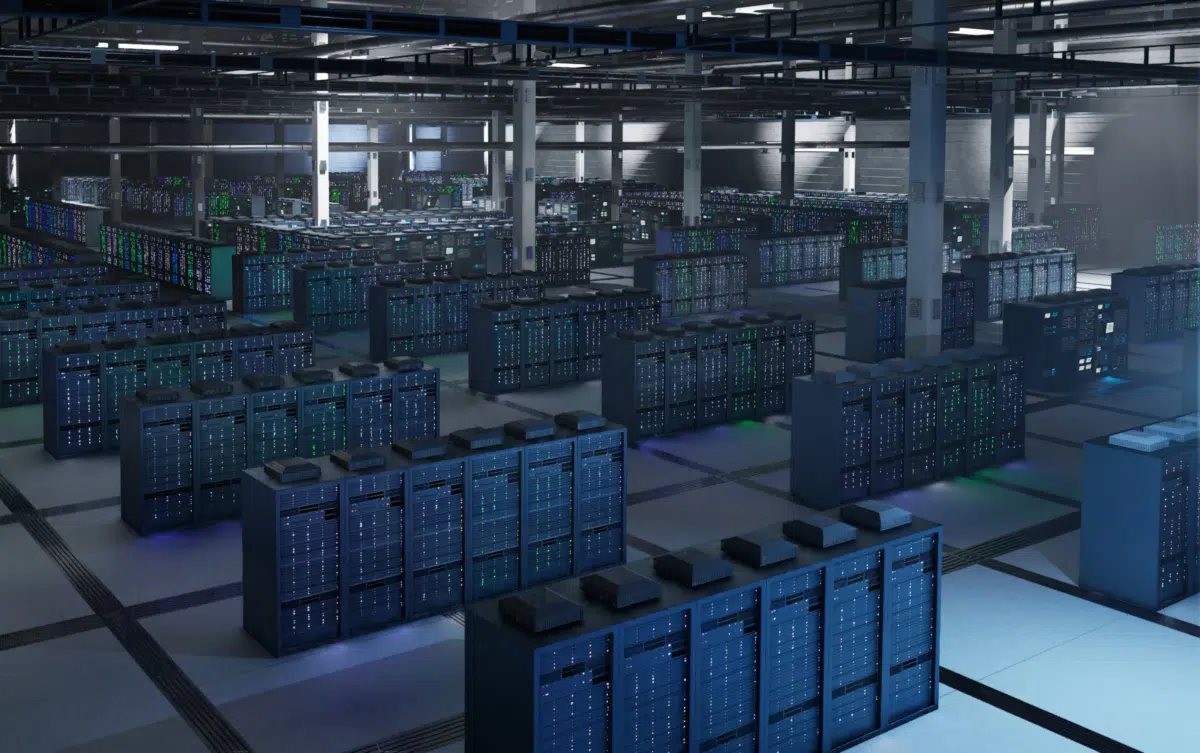
The main cause of the ongoing Memory Shortage is the rapid and relentless increase in Artificial Intelligence (AI) infrastructure. Hyperscale data centers

and AI hardware producers are using large quantities of High-Bandwidth Memory (HBM) and enterprise-grade DDR5. Since these advanced components provide much higher profit margins for semiconductor foundries, manufacturers are reallocating their limited wafer capacity to focus on producing them.

Due to this reallocation, legacy memory parts, standard DDR3/DDR4, and consumer-grade NAND are being deprioritized in production. Standard memory components face deliberate capacity limitations, which artificially raise NAND Flash prices for mid-market OEMs that depend on these parts for industrial automation, medical devices, and consumer electronics. Additionally, as discussed in our Memory IC essentials guide, memory manufacturers have intentionally reduced their output to artificially inflate prices following post-pandemic inventory excesses, resulting in a perfect storm of high demand at the premium end and restricted supply in the standard tier.

What is Driving the 2026 Price Surge?

To grasp the current crisis, we need to examine the macroeconomic and technological changes that have fundamentally transformed foundry production. Recalling our analysis in the NAND Flash Price Surge: Essential Strategies for Navigating Q3 2025 Sourcing, the warning signals were already apparent. Now, these structural shifts have fully taken effect.

The main cause of the ongoing Memory Shortage is the rapid and relentless increase in Artificial Intelligence (AI) infrastructure. Hyperscale data centers and AI hardware producers are using large quantities of High-Bandwidth Memory (HBM) and enterprise-grade DDR5. Since these advanced components provide much higher profit margins for semiconductor foundries, manufacturers are reallocating their limited wafer capacity to focus on producing them.

Due to this reallocation, legacy memory parts, standard DDR3/DDR4, and consumer-grade NAND are being deprioritized in production. Standard memory components face deliberate capacity limitations, which artificially raise NAND Flash prices for mid-market OEMs that depend on these parts for industrial automation, medical devices, and consumer electronics. Additionally, as discussed in our Memory IC essentials guide, memory manufacturers have intentionally reduced their output to artificially inflate prices following post-pandemic inventory excesses, resulting in a perfect storm of high demand at the premium end and restricted supply in the standard tier.

How Long Will This Last?

This is a fundamental capacity challenge, not just a temporary supply hiccup. Foundries need three to five years to establish and equip new fabrication plants, making rapid expansion impossible. Despite renewed investment driven by global reshoring initiatives, shortages in standard Integrated Circuits and memory modules are likely to continue until at least 2026, possibly into 2027. To stay resilient, companies should shift from reactive approaches to proactive, long-term sourcing strategies.

The Ripple Effect: From the Design Desk to the Factory Floor

A severe Memory Shortage doesn’t occur in isolation. It triggers localized crises in each functional team, jeopardizing time-to-market, profitability, and operational stability.

loader-icon

Procurement professionals face unpredictable market fluctuations that lead to significant price swings, complicating cost forecasting and budget adherence. Additionally, when a key manufacturer allocates a primary microcontroller or memory chip, lead times can extend beyond 60 weeks. Achieving cost-saving goals becomes extremely challenging when spot market prices soar.

Hardware engineering teams are now facing the challenge of finding their ideal components, only to discover they are suddenly unavailable. This causes frustration due to long lead times, which often force them to choose less suitable parts just to stay on schedule. Such compromises lead to costly redesigns, longer testing periods, and increased risk to the overall integrity of the design. For strategies on managing these delays, refer to our post: Conquer the 52-Week Wait: Strategic Fixes for Long Lead Times, Shortages, and EOL Risk.

Operations teams contend with the harsh reality of forecast volatility, as client demands shift weekly. Managing inventory and procurement for dozens of different, constantly changing BOMs presents a significant logistical challenge. Even a single missing memory chip can halt an entire assembly, greatly impacting client relationships and delivery schedules.

Strategic Solutions: Breaking the Allocation Cycle

When major memory manufacturers cannot meet your component needs due to allocation issues or budget constraints, you need a dependable partner offering immediate alternatives. Suntsu’s innovative hybrid distribution model provides that crucial edge for you.

Rather than redesigning a board or paying steep expediting fees, you can utilize our authorized lines of premium, affordable memory products. Suntsu is an authorized distributor for globally renowned brands such as Jeju Semiconductor (JSC), ESMT, and Flexxon. These manufacturers focus on

the specific legacy, standard, and industrial-grade memory components that large foundries often overlook. They provide highly dependable, plug-and-play replacements that avoid the costly and lengthy re-qualification process.

For example, in Tiny Chips, Big Impact: The Rise of JSC in the Memory Semiconductor Market, we highlight JSC’s exceptional stability and availability in Multi-Chip Packages (MCP) and low-power SRAM/DRAM. This enables you to avoid the confusion of allocation lines altogether. If you’re uncertain about referencing an alternative part, our in-house Engineering Design Services team can conduct a thorough BOM analysis to facilitate a smooth transition.

Strategic Solutions: Breaking the Allocation Cycle

When major memory manufacturers cannot meet your component needs due to allocation issues or budget constraints, you need a dependable partner offering immediate alternatives. Suntsu’s innovative hybrid distribution model provides that crucial edge for you.

Rather than redesigning a board or paying steep expediting fees, you can utilize our authorized lines of premium, affordable memory products. Suntsu is an authorized distributor for globally renowned brands such as Jeju Semiconductor (JSC), ESMT, and Flexxon. These manufacturers focus on the specific legacy, standard, and industrial-grade memory components that large foundries often overlook. They provide highly dependable, plug-and-play replacements that avoid the costly and lengthy re-qualification process.

For example, in Tiny Chips, Big Impact: The Rise of JSC in the Memory Semiconductor Market, we highlight JSC’s exceptional stability and availability in Multi-Chip Packages (MCP) and low-power SRAM/DRAM. This enables you to avoid the confusion of allocation lines altogether. If you’re uncertain about referencing an alternative part, our in-house Engineering Design Services team can conduct a thorough BOM analysis to facilitate a smooth transition.

The Independent Distributor Advantage

Beyond our authorized lines, Suntsu’s status as an independent distributor provides us with exceptional flexibility in the open market. If you need a particular manufacturer’s part to prevent an expensive re-qualification process, our worldwide presence becomes a key advantage.

Our dedicated Global Sourcing team leverages a thorough, carefully vetted network of international suppliers to locate scarce inventory. We focus on Shortage Mitigation, allowing us to find, verify, and deliver the exact End-of-Life (EOL) or hard-to-find components needed to keep your production running smoothly. Operating beyond the limits of traditional franchised distribution, we provide greater flexibility and quicker turnaround times that large broadline distributors cannot offer. Learn more about how this approach can positively impact your bottom line by reading Reducing electronic component costs: The independent distributor advantage.

Safeguarding Quality in a Volatile Market

When traditional supply chains collapse and NAND Flash prices skyrocket, buyers often turn to the unverified open market out of desperation. But sourcing from unknown brokers adds a dangerous new risk. During shortages, the urgency to buy from the open market is intense, yet the chance of getting counterfeit parts poses a serious threat—especially for medical devices and critical industrial equipment. A single counterfeit memory chip can cause field failures that ruin a company’s reputation and lead to huge liabilities.

At Suntsu, we completely eliminate this risk. As a hybrid distributor, we are dedicated to preserving product integrity without compromise. When sourcing shortage parts through our independent channels, every component undergoes our strict Quality Assurance Process before reaching your receiving dock. Our advanced testing facility features highly trained inspectors who conduct detailed visual checks, utilize X-Ray analysis to confirm internal die structures, and perform comprehensive electrical and functional tests. We proactively address threats from malicious counterfeiters, a topic we explore in depth in How Counterfeiters are Using AI to Create More Convincing Fakes.

We recognize that cutting corners on component verification is always a poor risk. The financial and operational damage caused by a batch of substandard memory chips greatly exceeds the initial savings, as discussed in our article, The Hidden Costs of Low Quality Components. By collaborating with Suntsu, you can access the open market’s inventory safely, without risking your production lines.

Safeguarding Quality in a Volatile Market

When traditional supply chains collapse and NAND Flash prices skyrocket, buyers often turn to the unverified open market out of desperation. But sourcing from unknown brokers adds a dangerous new risk. During shortages, the urgency to buy from the open market is intense, yet the chance of getting counterfeit parts poses a serious threat—especially for medical devices and critical industrial equipment. A single counterfeit memory chip can cause field failures that ruin a company’s reputation and lead to huge liabilities.

At Suntsu, we completely eliminate this risk. As a hybrid distributor, we are dedicated to preserving product integrity without compromise. When sourcing shortage parts through our independent channels, every component undergoes our strict Quality Assurance Process before reaching your receiving dock. Our advanced testing facility features highly trained inspectors who conduct detailed visual checks, utilize X-Ray analysis to confirm internal die structures, and perform comprehensive electrical and functional tests. We proactively address threats from malicious counterfeiters, a topic we explore in depth in How Counterfeiters are Using AI to Create More Convincing Fakes.

We recognize that cutting corners on component verification is always a poor risk. The financial and operational damage caused by a batch of substandard memory chips greatly exceeds the initial savings, as discussed in our article, The Hidden Costs of Low Quality Components. By collaborating with Suntsu, you can access the open market’s inventory safely, without risking your production lines.

Partner for Resilience

The 2026 memory market is challenging, but your supply chain doesn’t have to cause ongoing stress. Whether you’re facing urgent shortages, need expert advice on easy replacements from trusted brands like JSC and ESMT, or require strong quality assurance to safeguard your position in the open market, Suntsu Electronics can assist you in developing better products, reducing costs, and improving your lead times.

Stop letting memory allocation and extreme price surges dictate your production schedule. Secure your critical components or explore cost-effective drop-in replacements by requesting a quote from our expert sourcing team today.

FAQs

How are shifting trade policies and tariffs compounding the memory shortage?

While the AI boom is the primary driver of capacity constraints, evolving trade restrictions and international tariffs are creating secondary bottlenecks that unpredictably inflate landed costs. Relying on a single geographic region for your memory supply is currently a massive risk. Suntsu mitigates this through our global sourcing network, leveraging diverse international channels—including domestic buffer inventory and alternative manufacturing hubs outside of heavily tariffed zones—to bypass regional bottlenecks and stabilize your pricing.

How does Suntsu handle sudden End-of-Life (EOL) notices?

When a tier-one foundry issues a Product Change Notification (PCN) announcing the EOL of a legacy memory product, the resulting Last Time Buy (LTB) scramble can be chaotic. Suntsu offers proactive obsolescence management. We monitor these notices closely and can either source a drop-in replacement immediately, or secure the necessary LTB inventory on your behalf. We can then hold that stock in our climate-controlled facilities, dripping it to your assembly lines as needed over the remaining lifecycle of your product.

How do we know the memory chips sourced from the open market aren't counterfeit?

Every component sourced outside of direct channels goes through our strict Quality Assurance Process, which includes X-ray analysis, dimensional inspection, and electrical testing before it ever reaches your dock.

What if a drop-in replacement causes unexpected issues on our existing board?

To guarantee a seamless transition, we offer comprehensive Circuit Board Analysis and Engineering Design Services. Our engineering experts can help validate the new memory against your existing architecture to ensure optimal performance and eliminate any timing precision issues before you move to mass production.

How does Suntsu help us avoid unexpected tariff spikes on our memory buys?

By leveraging our Global Sourcing network, we can often locate allocated or standard memory from alternative international hubs outside of heavily tariffed zones. This diversified approach helps bypass regional bottlenecks and stabilizes your landed costs.

keyboard_arrow_up