
How Counterfeiters are Using AI to Create More Convincing Fakes

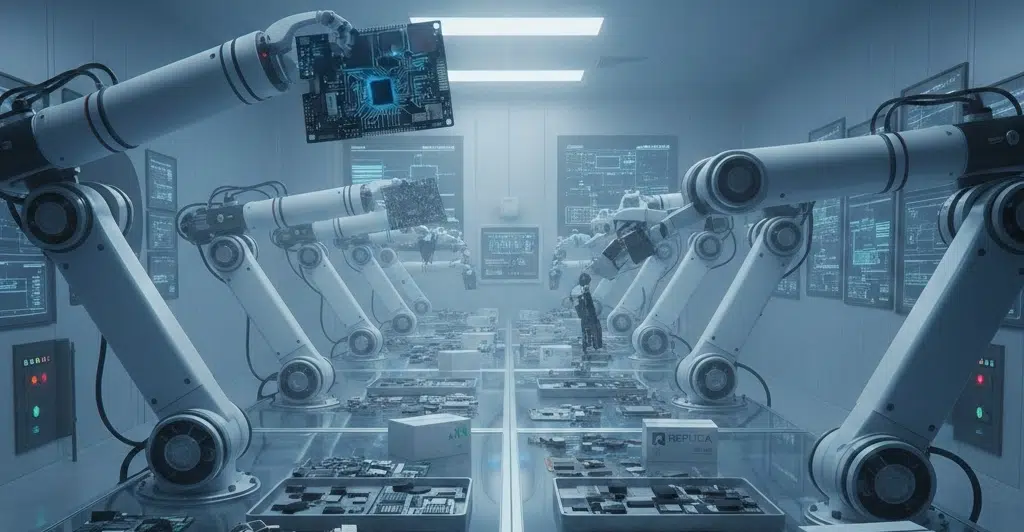
The worst-case scenario for modern manufacturers begins with a tiny, often unnoticed failure. A microcontroller of high value, believed to come from a trusted supplier, fails in the field, causing a massive product recall or an irreversible “line-down” situation that costs millions. In earlier times, a meticulous inspector might have spotted a poorly laser-engraved logo or a questionable date code. But now, a new level of risk has emerged. As AI revolutionizes industries worldwide, it also equips malicious actors with advanced tools. Today, AI-powered counterfeiting

operations produce fake electronic components so realistic that they evade traditional detection methods, creating a hidden crisis in the global electronics supply chain.

The worst-case scenario for modern manufacturers begins with a tiny, often unnoticed failure. A microcontroller of high value, believed to come from a trusted supplier, fails in the field, causing a massive product recall or an irreversible “line-down” situation that costs millions. In earlier times, a meticulous inspector might have spotted a poorly laser-engraved logo or a questionable date code. But now, a new level of risk has emerged. As AI revolutionizes industries worldwide, it also equips malicious actors with advanced tools. Today, AI-powered counterfeiting operations produce fake electronic components so realistic that they evade traditional detection methods, creating a hidden crisis in the global electronics supply chain.

Don’t leave your product’s reliability to chance.

l
Get verified, hard-to-find parts with full forensic inspection

How Counterfeiters Leverage AI

The era of rough, hand-painted markings on salvaged chips is ending. Advanced counterfeiters now employ generative AI and sophisticated machine learning to imitate the physical and digital signatures of genuine manufacturers. This technological advancement enables them to create counterfeit electronic parts that can deceive even seasoned procurement professionals.

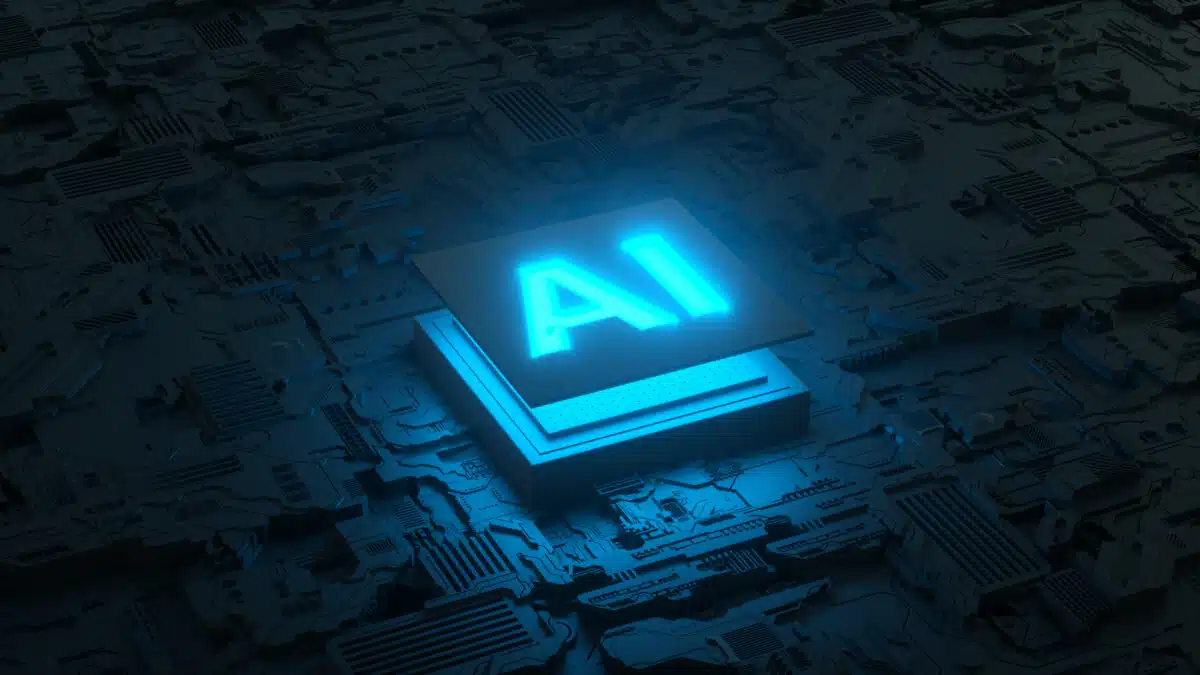
Circuit board and AI micro processor

Replicating Brand Identity with Generative Design

AI counterfeit rings mainly operate by employing high-resolution generative models to accurately reproduce manufacturer logos, fonts, and laser-marking designs. They input thousands of images of genuine parts into a neural network, which then creates etching templates that reflect the slight differences in depth and texture present on authentic components.

Digital Forgery: Datasheets and COCs

The deception extends beyond just silicon. Counterfeiters now employ AI-driven OCR and natural language generation to produce impeccable fake documents. They can craft highly convincing Certificates of Conformity (COCs) and technical datasheets that replicate the formatting, terminology, and even the subtle metadata of the original manufacturer. This complicates the initial vetting process for buyers, who depend heavily on documentation for trust.

How Counterfeiters Leverage AI

The era of rough, hand-painted markings on salvaged chips is ending. Advanced counterfeiters now employ generative AI and sophisticated machine learning to imitate the physical and digital signatures of genuine manufacturers. This technological advancement enables them to create counterfeit electronic parts that can deceive even seasoned procurement professionals.

Replicating Brand Identity with Generative Design

AI counterfeit rings mainly operate by employing high-resolution generative models to accurately reproduce manufacturer logos, fonts, and laser-marking designs. They input thousands of images of genuine parts into a neural network, which then creates etching templates that reflect the slight differences in depth and texture present on authentic components.

Digital Forgery: Datasheets and COCs

The deception extends beyond just silicon. Counterfeiters now employ AI-driven OCR and natural language generation to produce impeccable fake documents. They can craft highly convincing Certificates of Conformity (COCs) and technical datasheets that replicate the formatting, terminology, and even the subtle metadata of the original manufacturer. This complicates the initial vetting process for buyers, who depend heavily on documentation for trust.

Why Traditional Visual Inspections are No Longer Enough

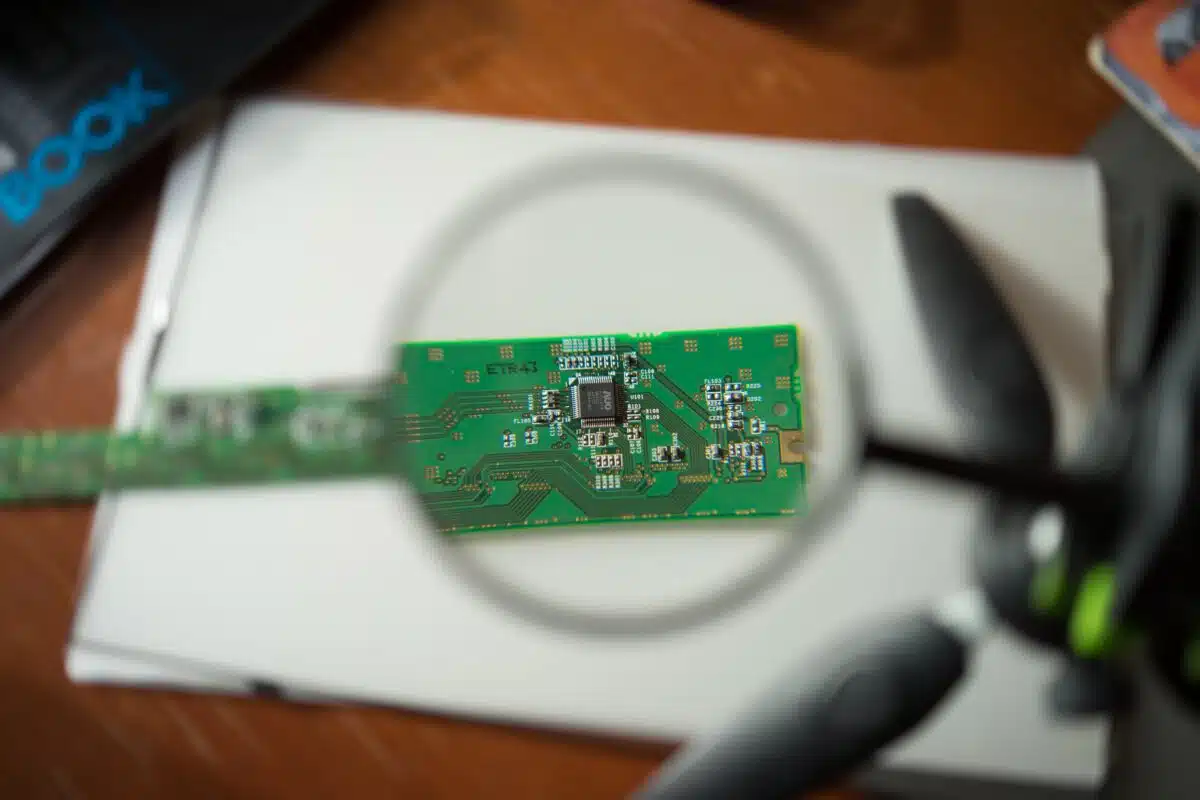
For decades, the industry standard for detecting counterfeit electronic components relied on a simple visual inspection—searching for “blacktopping” (a method to obscure original markings) or physical damage to leads. However, AI-enabled manufacturing has rendered these manual techniques mostly outdated.

AI-assisted laser re-marking has become extremely precise, capable of matching even the microscopic thermal signature of authentic factory lasers. Additionally, counterfeiters now use AI to refine chemical washes, removing old markings without causing the abrasions that once tipped off inspectors. These counterfeit items appear pristine under standard microscopy, causing many organizations to unknowingly include them in their Bill of Materials (BOM), which introduces potential long-term reliability issues.

To address this challenge, a more thorough method is necessary. At Suntsu, we recognize that visual inspection is merely the initial step. Our Quality Assurance Process employs multi-layered forensic analysis to uncover high-tech disguises, confirming the authenticity of each component—from Frequency Control devices to sophisticated Integrated Circuits.

Why Traditional Visual Inspections are No Longer Enough

For decades, the industry standard for detecting counterfeit electronic components relied on a simple visual inspection—searching for “blacktopping” (a method to obscure original markings) or physical damage to leads. However, AI-enabled manufacturing has rendered these manual techniques mostly outdated.

AI-assisted laser re-marking has become extremely precise, capable of matching even the microscopic thermal signature of authentic factory lasers. Additionally, counterfeiters now use AI to refine chemical washes, removing old markings without causing the abrasions that once tipped off inspectors. These counterfeit items appear pristine under standard microscopy, causing many organizations to unknowingly include them in their Bill of Materials (BOM), which introduces potential long-term reliability issues.

To address this challenge, a more thorough method is necessary. At Suntsu, we recognize that visual inspection is merely the initial step. Our Quality Assurance Process employs multi-layered forensic analysis to uncover high-tech disguises, confirming the authenticity of each component—from Frequency Control devices to sophisticated Integrated Circuits.

Targets of Opportunity: Which Components Are Most At Risk?

Not all components are targeted equally. Counterfeiters focus their AI-driven efforts where the profit margins are highest and the desperation is greatest.

End-of-Life (EOL) Parts

When a manufacturer announces an unexpected EOL, it creates a gap in the market. Counterfeiters leverage AI to track market trends and rapidly produce counterfeit products to fill this void. Recognizing strategies to prevent electronics components from obsolescence is essential to avoid falling into these pitfalls.

High-Value Microcontrollers and FPGAs

During shortages, the price of a single microcontroller can increase dramatically. This creates a strong motivation for counterfeiters to “up-bin” lower-spec parts—re-marking inexpensive, low-speed components as high-speed, industrial-grade versions by utilizing AI counterfeit templates.

Power Management ICs

These components are often targeted because initial power-on testing might not reveal a failure, but they can fail prematurely under thermal stress conditions. For more detailed information on how to secure and protect these parts effectively, please consult our comprehensive guide on Power Management ICs.

End-of-Life (EOL) Parts

When a manufacturer announces an unexpected EOL, it creates a gap in the market. Counterfeiters leverage AI to track market trends and rapidly produce counterfeit products to fill this void. Recognizing strategies to prevent electronics components from obsolescence is essential to avoid falling into these pitfalls.

High-Value Microcontrollers and FPGAs

During shortages, the price of a single microcontroller can increase dramatically. This creates a strong motivation for counterfeiters to “up-bin” lower-spec parts—re-marking inexpensive, low-speed components as high-speed, industrial-grade versions by utilizing AI counterfeit templates.

Power Management ICs

These components are often targeted because initial power-on testing might not reveal a failure, but they can fail prematurely under thermal stress conditions. For more detailed information on how to secure and protect these parts effectively, please consult our comprehensive guide on Power Management ICs.

Defending the Supply Chain: Advanced Forensic Testing

When counterfeit electronic components are designed to pass visual inspections, the only way to verify their authenticity is to examine the inside of the part. This process demands specialized Engineering Services and forensic tools that most companies lack in their own facilities.

X-Ray Analysis and Die Inspection

X-ray analysis enables engineers to compare the internal wire bonding and die size of a suspect component with a known-good “golden” sample. If the exterior crafted by AI conceals a die that does not align with the manufacturer’s internal architecture, the X-ray will quickly expose the deception.

Decapsulation and SEM Testing

In high-stakes sourcing situations, decapsulation becomes essential. Engineers use acid to strip away the epoxy mold compound, allowing inspection of the semiconductor die for manufacturer logos and part numbers directly etched into the silicon. Additionally, Scanning Electron Microscopy (SEM) can identify tiny metallurgical anomalies that suggest the part has been salvaged or reprocessed. For more detailed insights into these methods, see our 3 Forensic Case Studies on Counterfeit Components.

Strategic Sourcing: Your Best Defense Against AI Counterfeits

The best approach to safeguard a project from AI counterfeit parts is to stop them from entering the facility initially. This involves moving from a “transactional” purchasing method to a “strategic” sourcing approach.

Partnering with Vetted Independent Distributors

While authorized channels are the preferred option, the realities of the modern market—such as long lead times and shortages—often compel companies to seek alternatives. In these situations, partnering with a highly reliable independent distributor is the only way to ensure security.

An elite distributor such as Suntsu serves as a gatekeeper for technical quality. We don’t merely transport products; we ensure the integrity of the entire supply chain. By leveraging globally vetted sourcing networks, we reduce the risk of counterfeit electronic components before they arrive at our inspection facility.

Building a Future-Proof Supply Chain

The emergence of AI-driven counterfeit technology marks a lasting change in the electronics sector. As fake components grow more advanced, the traditional “trust but verify” approach must shift to a “verify through forensics” standard. A single counterfeit part can wipe out years of engineering effort, harm a brand’s reputation, and lead to significant financial losses.

At Suntsu Electronics, we strive to be your most dependable partner in this

high-tech arms race. Our thorough Quality Assurance Process and exceptional sourcing capabilities guarantee that your designs are based on authentic, high-quality components. From Custom Components to BOM Analysis, we offer the expertise necessary to manage the complexities of the 2026 supply chain landscape.

Building a Future-Proof Supply Chain

The emergence of AI-driven counterfeit technology marks a lasting change in the electronics sector. As fake components grow more advanced, the traditional “trust but verify” approach must shift to a “verify through forensics” standard. A single counterfeit part can wipe out years of engineering effort, harm a brand’s reputation, and lead to significant financial losses.

At Suntsu Electronics, we strive to be your most dependable partner in this high-tech arms race. Our thorough Quality Assurance Process and exceptional sourcing capabilities guarantee that your designs are based on authentic, high-quality components. From Custom Components to BOM Analysis, we offer the expertise necessary to manage the complexities of the 2026 supply chain landscape.

Don’t leave your product’s reliability to chance. Contact Suntsu today to learn how our engineering-led approach to distribution can protect your supply chain from advanced counterfeits.

FAQs

If a component looks perfect under a microscope, how can I be sure it isn't a fake?

In the era of AI counterfeit technology, visual inspection is no longer a definitive proof of authenticity. Counterfeiters use AI to perfectly replicate laser markings and textures that fool traditional microscopy. To be certain, you must utilize forensic testing that looks inside the component, such as X-ray analysis to verify internal wire bonding or decapsulation to inspect the silicon die itself. Suntsu’s Quality Assurance Process is specifically designed to detect these high-tech anomalies that standard visual checks miss.

How can I verify a digital Certificate of Conformity (COC) or datasheet?

AI-powered tools can now generate flawless documentation that mirrors the exact formatting and technical language of original manufacturers. To protect your organization, do not rely on documentation alone. Ensure your independent distribution partner has a robust Vetted Supplier Program and performs secondary verification of all technical data through Engineering Services to ensure the parts’ performance matches the provided specs.

How do we mitigate risk when sourcing 'line-down' parts from the open market?

A “line-down” emergency is a high-pressure scenario where mistakes happen. The best mitigation strategy is to partner with a trusted independent distributor that treats your emergency with a professional, multi-tiered inspection protocol. Rather than buying from an unvetted source, let Suntsu leverage our Global Sourcing network to find authenticated stock and put it through our rigorous Quality Inspection before it ever reaches your facility.

Is forensic testing like Decapsulation and X-ray necessary for every order?

The level of testing should be commensurate with the risk. For mission-critical designs—especially in the Medical Device or Industrial Automation sectors—advanced testing is highly recommended for any part sourced outside of direct authorized channels. Suntsu offers customizable Quality Assurance levels based on your project’s specific risk profile and regulatory requirements.

Can an AI-generated fake pass a standard functional circuit test?

Often, yes. Counterfeiters frequently “up-bin” components, taking a lower-grade version of a genuine part and re-marking it as a high-performance or automotive-grade version using AI counterfeit templates. While the part may function initially on a test bench, it will likely fail under the thermal or electrical stress of a real-world environment. This is why Suntsu supplements functional testing with X-Ray Analysis and Solderability Testing to ensure the internal construction matches the external claims.

keyboard_arrow_up