

True Cost of Electronics Components

Understanding the cost of electronic components can often feel like solving a puzzle with constantly changing pieces. Several factors influence the final price you pay, ranging from the raw materials used to global market dynamics. It’s not just about the initial sticker price; it’s also about the total cost of ownership, which includes everything from sourcing time to the risks of production line shutdowns. For professionals involved in the electronic component supply chain—such as engineers and purchasing managers—having a deeper understanding of these factors is essential for making informed decisions and building a resilient supply chain.

Understanding the cost of electronic components can often feel like solving a puzzle with constantly changing pieces. Several factors influence the final price you pay, ranging from the raw materials used to global market dynamics. It’s not just about the initial sticker price; it’s also about the total cost of ownership, which includes everything from sourcing time to the risks of production line shutdowns. For professionals involved in the electronic component supply chain—such as engineers and purchasing managers—having a deeper understanding of these factors is essential for making informed decisions and building a resilient supply chain.

Manufacturing Complexity and Scale

The manufacturing cost of an electronic component is determined by several key elements, with complexity and scale at the forefront.

loader-icon

Components with advanced functionality, smaller sizes, or higher precision tolerances are generally more expensive to manufacture. For example, consider a complex integrated circuit (IC) compared to a simple resistor. These sophisticated parts require specialized production processes, advanced machinery, and highly skilled labor, all of which contribute to increased costs. Additionally, components used in high-reliability applications, such as medical devices or aerospace products, undergo more rigorous testing and certification processes, which also raises their price.

The materials used in components play a crucial role in determining their cost. For instance, components that include expensive raw materials such as gold, palladium, or rare-earth metals will inherently have a higher base price. Additionally, the prices of these materials can fluctuate due to geopolitical factors, scarcity, or increased demand. As a result, this volatility can lead to an increase in the prices of the components.

Like any product, electronic components benefit from economies of scale. As the manufacturing volume increases, the cost of producing each unit decreases because fixed costs, such as tooling and setup, are distributed over a large number of parts. This is why minimum order quantities (MOQs) are commonly enforced-manufacturers need to achieve a specific volume to make a production run profitable. Consequently, custom or low-volume components tend to be significantly more expensive because they do not enjoy the same advantages as scaled production.

The Component Life Cycle

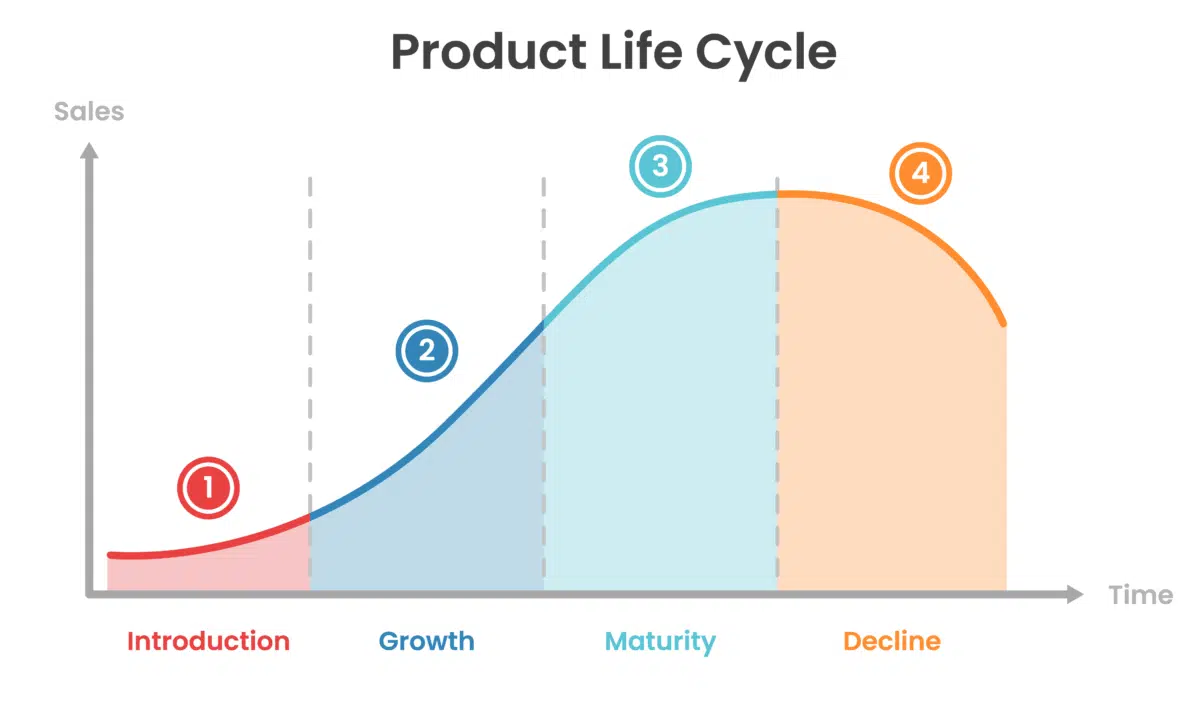
A component’s life cycle consists of a journey that significantly influences its price and availability. The four primary stages are introduction, growth, maturity, and decline. During the early stages of a component’s life cycle, new and innovative parts tend to be more expensive as manufacturers try to recover their substantial research and development (R&D) and capital equipment costs. While prices may start off high, they often decrease as demand increases and production scales up.

In the maturity phase, a component achieves peak adoption and is widely used and understood. However, intense competition in the market often results in lower prices as manufacturers compete for market share. This phase is typically the ideal time for sourcing, as components are reliable, readily available, and cost-effective.

When a component reaches the decline phase and is eventually declared End-of-Life (EOL), its pricing and availability become unpredictable. As manufacturers shift production to newer parts, older components become increasingly difficult to obtain. The scarcity of EOL parts often results in significant price spikes in the open market, driven by demand from companies that need to complete existing designs or service legacy products. Sourcing EOL or hard-to-find parts poses substantial risks, including project delays, costly redesigns, and an increased threat of counterfeit components. Therefore, partnering with an independent distributor that specializes in obsolescence management and has a strong quality assurance process becomes essential during this phase.

The Component Life Cycle

A component’s life cycle consists of a journey that significantly influences its price and availability. The four primary stages are introduction, growth, maturity, and decline. During the early stages of a component’s life cycle, new and innovative parts tend to be more expensive as manufacturers try to recover their substantial research and development (R&D) and capital equipment costs. While prices may start off high, they often decrease as demand increases and production scales up.

In the maturity phase, a component achieves peak adoption and is widely used and understood. However, intense competition in the market often results in lower prices as manufacturers compete for market share. This phase is typically the ideal time for sourcing, as components are reliable, readily available, and cost-effective.

When a component reaches the decline phase and is eventually declared End-of-Life (EOL), its pricing and availability become unpredictable. As manufacturers shift production to newer parts, older components become increasingly difficult to obtain. The scarcity of EOL parts often results in significant price spikes in the open market, driven by demand from companies that need to complete existing designs or service legacy products. Sourcing EOL or hard-to-find parts poses substantial risks, including project delays, costly redesigns, and an increased threat of counterfeit components. Therefore, partnering with an independent distributor that specializes in obsolescence management and has a strong quality assurance process becomes essential during this phase.

Market Trends and Global Events

The global nature of the electronic component supply chain makes prices highly sensitive to external factors. The most crucial factor is the balance between supply and demand. When demand for a component surges—due to the adoption of new technologies like AI, IoT, or 5G—and supply cannot keep pace, prices can skyrocket, leading to significantly extended lead times. Conversely, when demand is low, prices typically decrease.

Geopolitical and economic factors play a significant role in the supply chain.

Political tensions, trade wars, tariffs, and regional conflicts can disrupt the availability of raw materials and finished components, leading to price volatility and uncertainty. For instance, the COVID-19 pandemic exposed vulnerabilities in the global supply chain, resulting in factory shutdowns, logistics bottlenecks, and substantial cost increases. Additionally, broader economic trends such as inflation and fluctuations in exchange rates can impact the final cost of components. Manufacturers may raise prices to offset rising costs for labor, energy, and materials, and these increases are ultimately passed on to the end customer.

Market Trends and Global Events

The global nature of the electronic component supply chain makes prices highly sensitive to external factors. The most crucial factor is the balance between supply and demand. When demand for a component surges—due to the adoption of new technologies like AI, IoT, or 5G—and supply cannot keep pace, prices can skyrocket, leading to significantly extended lead times. Conversely, when demand is low, prices typically decrease.

Geopolitical and economic factors play a significant role in the supply chain. Political tensions, trade wars, tariffs, and regional conflicts can disrupt the availability of raw materials and finished components, leading to price volatility and uncertainty. For instance, the COVID-19 pandemic exposed vulnerabilities in the global supply chain, resulting in factory shutdowns, logistics bottlenecks, and substantial cost increases. Additionally, broader economic trends such as inflation and fluctuations in exchange rates can impact the final cost of components. Manufacturers may raise prices to offset rising costs for labor, energy, and materials, and these increases are ultimately passed on to the end customer.

Strategies for Mitigating Rising Component Costs

Navigating the volatile landscape of component pricing requires a proactive, strategic approach.

  • Plan Ahead and Be Proactive: Don’t wait for a crisis. Instead, collaborate with your engineering and procurement teams to plan ahead and account for long lead times. By monitoring the market and anticipating potential shortages or end-of-life (EOL) notices, you can secure parts before any price increases occur.
  • Diversify Your Suppliers: Relying on just one supplier can pose significant risks. By building relationships with a diverse network of suppliers—both franchised and independent distributors—you can create a more resilient supply chain. This diversification ensures that you have alternative sources available if one supplier faces a disruption.
  • Leverage Strategic Partnerships: Partnering with a distributor who provides more than just a transaction can be a game-changer. Look for a partner who offers:
    • Global Sourcing Capabilities: A reliable partner with a vast global network can source hard-to-find components and provide dependable options during shortages.
    • Engineering Expertise: An experienced engineering team can help you find suitable alternatives for end-of-life parts, provide design advice, and assist with custom components, preventing costly redesigns.
    • Inventory Management Programs: Utilizing solutions like Vendor Managed Inventory (VMI) can optimize stock levels, lower carrying costs, and reduce the risk of stockouts or excess inventory from canceled projects.
  • Focus on the Total Cost of Ownership: Don’t be misled by a low sticker price. The least expensive component in a quote can ultimately become the most costly if it causes production delays, necessitates an expensive redesign, or is found to be counterfeit. Assess suppliers based on their reliability, quality assurance, on-time delivery rates, and the value-added services they offer.

A Strategic Approach to a Volatile Market

The cost of electronic components is influenced by various factors, including the technical specifications of each component and global economic trends. Professionals managing the electronic component supply chain need to have a comprehensive understanding of these elements to create a resilient, cost-effective, and reliable operation. By shifting the focus away from merely considering unit prices and instead adopting a strategic approach that emphasizes long-term planning, supplier diversification, and value-added partnerships, you can safeguard your projects against a volatile market and ensure their success.

A Strategic Approach to a Volatile Market

The cost of electronic components is influenced by various factors, including the technical specifications of each component and global economic trends. Professionals managing the electronic component supply chain need to have a comprehensive understanding of these elements to create a resilient, cost-effective, and reliable operation. By shifting the focus away from merely considering unit prices and instead adopting a strategic approach that emphasizes long-term planning, supplier diversification, and value-added partnerships, you can safeguard your projects against a volatile market and ensure their success.

Build a more resilient and cost-effective supply chain with a partner who understands your long-term goals. Contact us today to learn how our strategic solutions can protect your product’s profitability and ensure a flawless launch.

FAQs

How do the different types of distributors affect component pricing?

The type of distributor significantly impacts pricing. Franchised distributors have a direct relationship with the manufacturer, which allows them to offer specific advantages like a guaranteed supply chain, up-to-date product information, and access to special pricing programs from the manufacturer. This can sometimes lead to slightly higher prices, which cover the assurance of quality, authenticity, and support. Independent distributors, on the other hand, operate on the open or spot market and are not tied to a single manufacturer’s pricing. They often specialize in sourcing hard-to-find or obsolete parts and can capitalize on market oversupply to secure lower prices. However, this comes with greater price volatility and a higher risk of counterfeit or substandard parts.

How do lead times directly impact component prices?

Extended lead times directly impact prices because they create risk and additional costs throughout the supply chain. When a component’s lead time increases, it can cause production delays, which are a form of “internal failure” that comes with a price tag. To avoid these costly delays, companies might resort to emergency or expedited logistics, which are expensive and eat into a product’s profitability. Furthermore, unpredictable lead times can lead to higher MOQs from brokers who don’t want to store small quantities, forcing you to purchase more parts than you need and tying up capital in excess inventory.

How do ``spot market`` or ``open market`` prices differ from standard pricing?

The spot price is the current market value of an asset, such as an electronic component, for immediate purchase and delivery. Spot market prices are highly volatile and are determined by real-time supply and demand, often in a reactive way to market events. This is in contrast to standard, long-term pricing, which is typically set through contracts with manufacturers or franchised distributors and offers more stability. The spot market becomes particularly active during shortages or when parts are EOL, as it is a crucial avenue for finding hard-to-get components. However, these high prices come with a greater risk of receiving counterfeit or low-quality parts.

How can I track and forecast component price trends?

Tracking and forecasting component price trends requires a combination of market intelligence and data analysis. You can start by subscribing to industry newsletters and reports, as well as attending webinars and conferences to get insights on market trends. For more detailed analysis, you can invest in market research services or predictive analytics tools that help anticipate future price movements. These tools often analyze massive amounts of data to provide real-time updates and help identify patterns in price fluctuations over time, which can inform strategic decisions like forward buying or bulk purchasing. Building a dedicated market trends team or using a tool that analyzes your BOM against current market prices can help you identify areas for maximum cost reduction and proactively manage your supply chain.

How do I know if I'm getting a fair price for a component?

Determining if you’re getting a fair price can be difficult because the electronic components market is highly complex and pricing can sometimes feel arbitrary. Prices are influenced by your geographic location, your total spending within a specific product category, and the specific volume you are purchasing. To ensure a fair price, it’s essential to compare quotes from multiple suppliers and understand the different pricing mechanisms. For large production orders, request that distributors ask the manufacturer for a “special” or “broken” price based on your anticipated annual volume. Building strong, long-term relationships with a few reliable suppliers can also help you secure more favorable pricing over time.

keyboard_arrow_up