
What Actually Happened in Kyushu
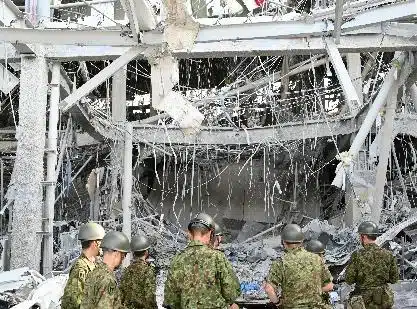
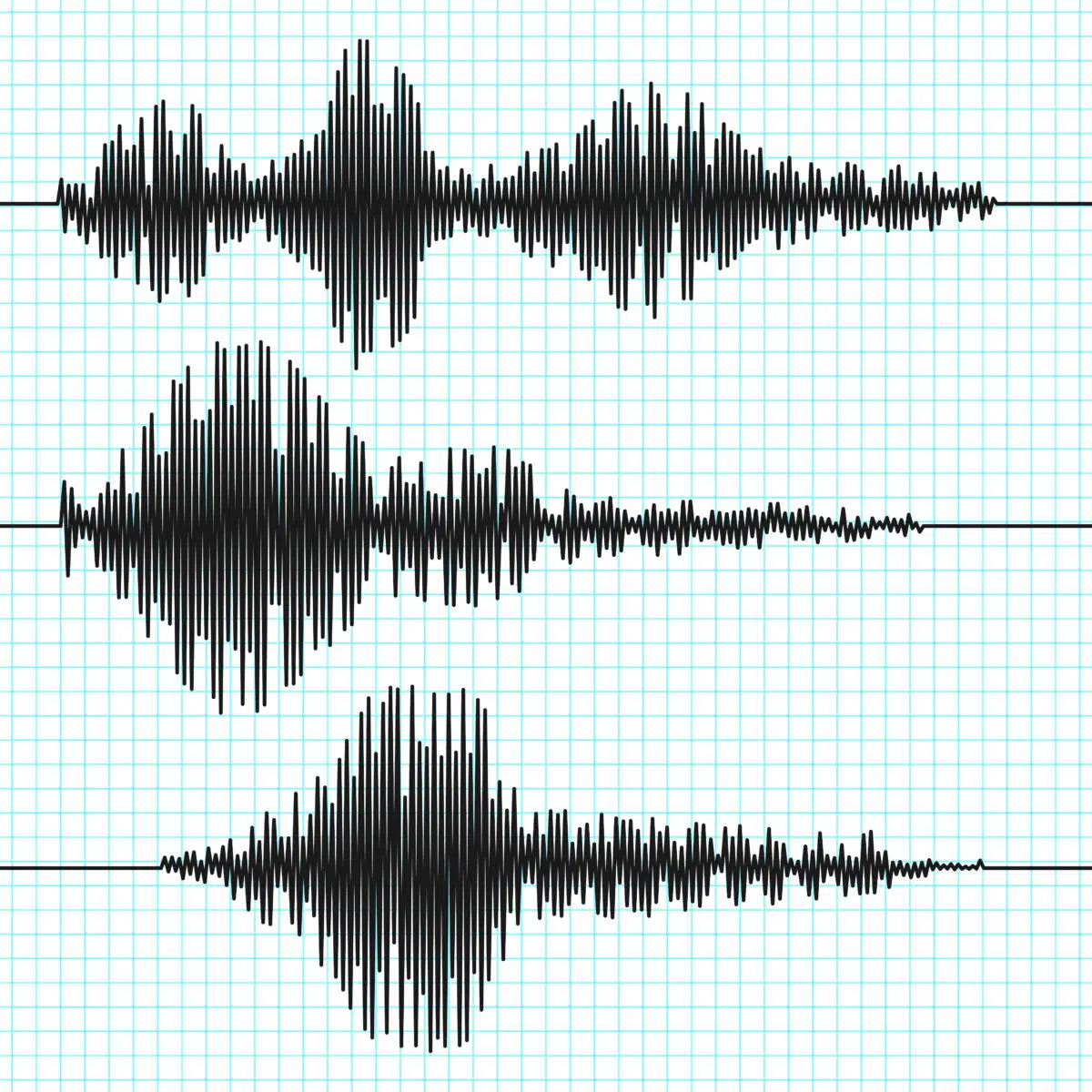
On July 28, 2026, at 16:27 JST, a quake hit near Uto at a depth revised from about 10 km to 16 km, reaching a maximum intensity of 7 on the Japanese scale in Uki City and Hikawa Town. The quake resulted in at least 39 deaths, over 170 injuries, and more than 200 aftershocks within the first 24 hours. It also caused significant infrastructure damage, including the collapse of a paper mill smokestack in Yatsushiro, regional power outages, and disrupted transit links [1][2][3].
Kumamoto is at the center of Kyushu’s “Silicon Island,” a hub for companies like JASM, Sony Semiconductor, Renesas, Mitsubishi Electric, and Tokyo Electron. Nearly every major facility in the region suspended operations within a day [4][9]. However, after inspections, a surprising pattern was clear: no site reported damage severe enough to compromise a building. Serious structural damage was the exception, yet the supply chain still came to a halt.
The Recovery and Residual Drag
Japan’s seismic engineering advances after 2016 deserve recognition. After the destructive Kumamoto earthquakes in 2016, which caused Sony to take almost 3.5 months to recover, companies significantly increased their investment in seismic reinforcement and business continuity planning [5][13].
Thanks to those preparations, JASM Fab 1 resumed full operations by August 2, TEL restarted its plants on August 3, and Sony began a phased restart on August 4, targeting pre-earthquake output levels by mid-August [11][12].
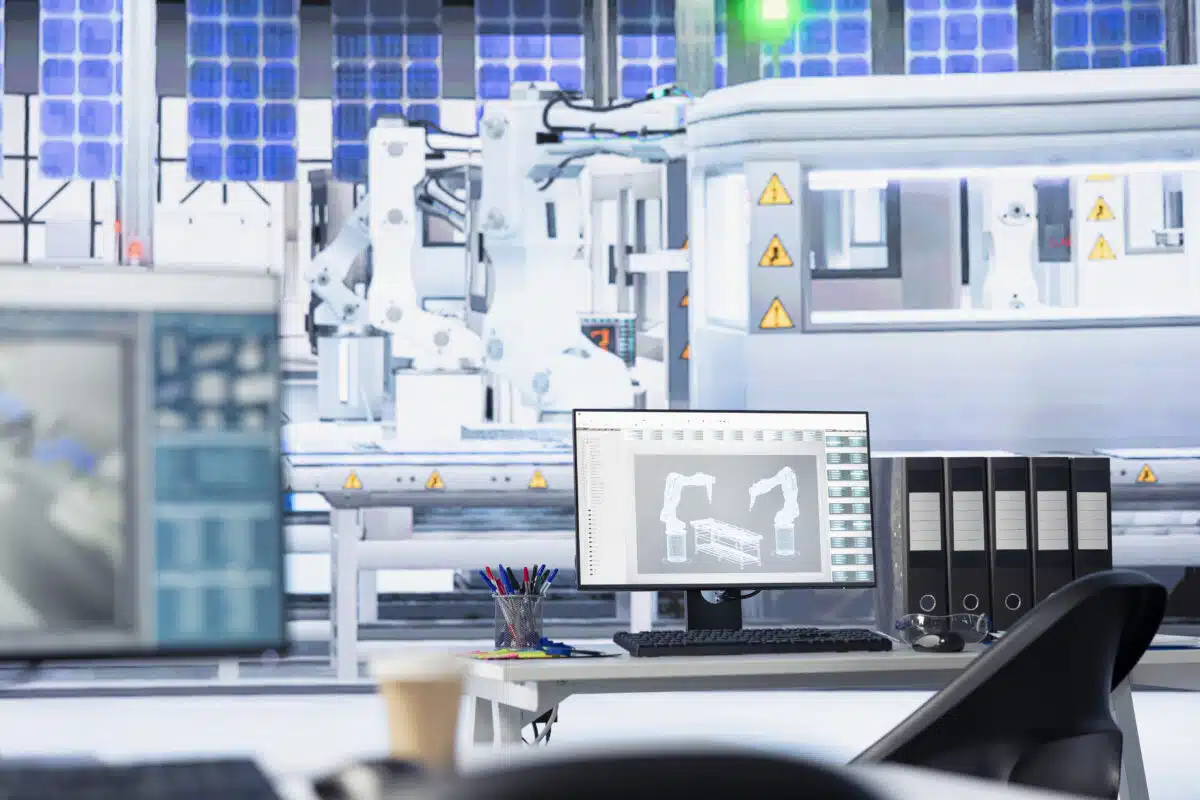
However, restart dates alone don’t capture the full picture. The main obstacle to recovery wasn’t damaged equipment; it was regional logistics and workforce disruptions. As Waseda University Professor Atsushi Osanai pointed out, damaged civic infrastructure and halted rail lines like the Kyushu Shinkansen directly affect the workers operating these facilities. A tool assembled on time but unable to be transported is effectively the same as a tool that was never constructed [13][14].
Myth Control: Spot Prices vs. Long-Fuse Risks
In the days following the tremor, some market commentators rushed to link spot market ticks to the earthquake. The data shows otherwise:
- Spot Price Movement: Mainstream DDR4 rose just 1.39% to $42.08 during the week of the quake, while 512Gb TLC NAND wafers crept up 1.69%. These are routine, minor fluctuations [15].
- Pre-Existing Forecasts: TrendForce’s Q3 2026 projections—forecasting conventional DRAM up 13–18% QoQ and NAND up 10–15% QoQ—were published on July 3, three full weeks before the earthquake [16].
- The Real Pricing Driver: According to J.P. Morgan estimates, DRAM prices will have surged over 400% from early 2024 through the end of 2026. This macro rise is driven largely by AI data center demand and aggressive capacity reallocation toward HBM and server memory [17].
The Kumamoto earthquake did not cause an increase in spot prices for DRAM or NAND Flash. However, a more severe version of this event could have impacted 2027 prices by delaying supply constraints instead of causing an immediate spike in spot prices.
Strategic Takeaways for Supply Chain Leaders
The Kumamoto earthquake ended as a near-miss, but relying on luck is not a viable procurement strategy. To build true operational resilience, procurement teams should adapt their risk management framework:
- Map Exposure Below Tier-1: Knowing your direct component suppliers is insufficient. Audit where your suppliers source their capital equipment, silicon wafers, and specialty chemicals.
- Interrogate Damage Reports: Treat “no structural damage” as an initial safety update, not an operational green light. Always request follow-up data on tool recalibration schedules and WIP (Work-In-Process) disposition.
- Track Tool Lead Times for Memory Trends: Do not rely on spot market pricing as an indicator of future availability. Track equipment lead times and tool supplier shipments to predict memory supply constraints 12 to 18 months in advance.
- Qualify a Second Memory Source Early: Availability risk concentrates wherever a single supplier, fab, or tool vendor has no substitute. Memory buyers can offset that by qualifying specialty and industrial-grade lines whose output is not being reallocated to HBM, so a DDR4, NAND, eMMC, or MCP line item already has a second path to the board before the next constraint lands.
The 2026 Kumamoto earthquake demonstrated that advanced seismic engineering can prevent fab buildings from collapsing. However, it also highlighted that the concentration of specialized toolmakers beneath those fabs continues to be vulnerable.
Explore Suntsu Sourcing & Supply Chain Services
Kumamoto did not move memory spot prices. The forces that are moving them — AI-driven reallocation toward HBM and server DRAM, equipment lead times stretching past a year, and allocation at the largest DRAM and NAND suppliers — were already in motion before the ground shook, and they point toward 2027 as a year defined by memory availability, not just memory pricing.
That is a sourcing problem, and Suntsu approaches it from two directions: authorized memory lines that sit outside the megafab allocation queue, and an Independent Distribution team that finds the memory the franchised channel cannot cover.
- Authorized Memory Lines: Suntsu is an authorized distributor for Jeju Semiconductor (JSC), ESMT, and Flexxon — suppliers focused on the legacy, standard, and industrial-grade memory that the largest manufacturers deprioritize as they shift wafer starts to HBM. Mobile and low-power DRAM, SDRAM, NOR and NAND flash, eMMC, UFS, and MCP stacks, all franchised with full traceability and long-term support, and often pin-compatible enough to drop in without a full requalification cycle. See the complete Line Card.
- Memory Portfolio Coverage: Search DRAM Memory, Flash Memory, eMMC Memory, and MCP Memory across our Memory IC catalog, including the hard-to-find and obsolete densities that legacy designs still depend on.
- Memory Shortage Mitigation: When a density, speed grade, or date code goes on allocation, our Global Sourcing network and specialized Shortage Mitigation programs track down the memory line item holding up your build.
- Legacy & EOL Memory Support: SDRAM, DDR3, and parallel NOR still ship in long-life industrial, medical, and automotive products. Obsolescence Management and engineering-led memory cross-references keep those boards in production after the original device goes end-of-life.
- Buffer Stock Ahead of the 2027–2028 Squeeze: Tool lead times signal memory constraints 12 to 18 months out. Vendor Managed Inventory and Inventory Management Solutions let you stage memory buffer stock against that window, while Excess Inventory Management recovers capital if your forecast moves.
- Authenticity in a Tight Market: Memory is among the most frequently counterfeited categories during an allocation cycle. Every device moves through our Quality Assurance Process, backed by our AS9100, ERAI, and GIDEP Certifications & Memberships.
True supply chain resilience starts before a crisis hits. Request a quote from Suntsu today to protect your projects against market volatility, buffer your inventory, and secure component availability.
FAQs
Equipment lead times were already sitting at 12–18 months prior to the earthquake due to high structural demand driven by global AI infrastructure, HBM expansion, and regional fab buildouts under initiatives like the US CHIPS Act. Even brief 5-to-7-day operational halts create immediate scheduling backlogs for precision calibration and shipping logistics, further compounding pre-existing machinery delivery queues into late 2027 and 2028.
While basic physical safety inspections can be completed in 24 to 48 hours, precision recalibration of lithography and track equipment depends heavily on the intensity recorded at the facility. Lower seismic events (Intensity 5-lower) may only require a few days of zero-point alignment, whereas higher intensities (Intensity 6-lower or higher) can require 2 to 4 weeks of painstaking optical alignment, stage testing, and test-wafer validation before the machinery can resume customer shipments.
You can request a “Sub-tier Risk Assessment” or a “Fab Reliance Statement” directly from your component manufacturers or distribution partners. While chipmakers rarely disclose exact equipment tool counts due to IP protection, reputable vendors can confirm whether their primary or secondary production sites maintain redundant, geographically diverse tool layers and multi-sourced raw material streams (such as photoresists and silicon wafers).
Spot market reactions reflect immediate, short-term inventory availability on the open market and typically spike within days of a physical disaster if finished goods or active fabs are destroyed. Capacity pipeline price shifts occur when upstream equipment disruptions prevent future fab expansions from coming online on schedule. This secondary transmission mechanism doesn’t affect current stock, but it creates structural supply deficits—and corresponding contract price increases—12 to 24 months down the road.
Advanced wafer manufacturing requires uninterrupted ultra-pure water, specialty gas delivery, continuous power, and extreme environmental stability. A sudden seismic vibration causes automated handling systems to emergency-stop mid-process, while secondary utility dips can halt chemical baths or vacuum chambers. Wafers locked inside deposition or etching tools during a shock sustain micro-fractures or chemical contamination, forcing fabs to scrap entire production batches (Work-In-Process) or subject them to months of reliability testing.
Related Content
References
[1] Wikipedia. “2026 Kumamoto Earthquake” Available at: https://en.wikipedia.org/wiki/2026_Kumamoto_earthquake
[2] U.S. Geological Survey. “M 6.8 — 2026 Kumamoto Region, Japan Earthquake” Available at: https://earthquake.usgs.gov/earthquakes/eventpage/us6000tgb9
[3] Nippon.com. “Kumamoto Earthquake Fatalities and Damage Report” Available at: https://www.nippon.com/en/japan-data/h02858/
[4] TrendForce. “Kumamoto Earthquake: TSMC Confirms JASM Safe; TEL Halts Plants” Available at: https://www.trendforce.com/news/2026/07/29/news-7-1-kumamoto-earthquake-tsmc-confirms-jasm-safe-tel-halts-plants-as-chip-supply-chain-assesses-impact/
[5] XenoSpectrum. “TSMC’s Kumamoto Output Was Under 3%, But Tokyo Electron Kyushu’s 91% Global Share Was the Supply Chain’s True Weak Point” Available at: https://xenospectrum.com/en/kumamoto-earthquake-tsmc-tokyo-electron/
[6] TechSoda. “Global Market Watch: TSMC’s Kumamoto Fab Unscathed in Magnitude-7.1 Earthquake” Available at: https://techsoda.substack.com/p/global-market-watch-tsmcs-kumamoto
[7] Tokyo Electron Ltd. “Response to the earthquake occurred on July 28th in Kumamoto, Japan” Available at: https://www.tel.com/news/disaster/2026/20260728_001.html
[8] BigGo Finance. “Semiconductor Equipment Lead Times Double; Samsung, SK Hynix Plan Early Orders” Available at: https://finance.biggo.com/news/1f60e97a-56ae-467e-9632-c4fec074fe2c
[9] UPI / Asia Today. “Japan quake halts chip and auto production in Kyushu” Available at: https://www.upi.com/Top_News/World-News/2026/07/30/japan-kumamoto-earthquake-semiconductors-supply-chain/7601785452429/
[10] Aetrix. “Japan Earthquake Chip Supply Impact: Kumamoto 2026” Available at: https://www.aetrixelec.com/blog/japan-kumamoto-earthquake-chip-supply-risk-2026
[11] Aju Press. “TSMC’s Kumamoto chip hub returns to full speed after quake” Available at: https://www.ajupress.com/view/20260804093938639
[12] Sony Semiconductor Solutions. “Status of Sony Semiconductor Solutions Group Manufacturing Operations Affected by 2026 Kumamoto Earthquakes ” Available at: https://www.sony-semicon.com/en/info/2026/2026073101.html
[13] The Japan Times. “Chip plants begin restarting operations in quake-hit Kumamoto” Available at: https://www.japantimes.co.jp/business/2026/08/05/companies/kumamoto-chipmakers-restart-opeations/
[14] Transpacific Bound. “Kumamoto’s Chip Restart Is Moving — Kyushu’s Trains and Flights Are the Bottleneck” Available at: https://www.transpacbound.com/travel-guides/kumamoto-silicon-island-quake-restart-logistics
[15] TrendForce. “Memory Spot Price Update: DRAM Spot Prices Rise Slightly” Available at: https://www.trendforce.com/news/2026/07/29/insights-memory-spot-price-update-dram-spot-prices-rise-slightly-as-ddr3-ddr4-and-ddr5-inquiries-pick-up/
[16] TrendForce. “AI Server Demand Continues to Support Memory Prices in 3Q26” Available at: https://www.trendforce.com/presscenter/news/20260703-13134.html
[17] J.P. Morgan Global Research. “The AI-Driven Memory Shortage: DRAM Prices, Inflation and Market Risks” Available at: https://www.jpmorgan.com/insights/global-research/artificial-intelligence/dram-memory-shortage-from-ai
[18] TrendForce. “Kioxia, TEL and Photoresist Makers in Focus After Magnitude 7.7 Japan Earthquake” Available at: https://www.trendforce.com/news/2026/04/21/news-kioxia-tel-and-photoresist-makers-in-focus-after-magnitude-7-7-japan-earthquake-supply-chain-impact-mixed/
[19] Insurance Journal / Reuters. “Japan Earthquake Halts Auto and Chip Plants, Testing Supply Chain Resilience” Available at: https://www.insurancejournal.com/news/international/2026/07/31/879825.htm
[20] Sourceability. “Japan earthquake impacts chip supply” Available at: https://sourceability.com/post/japan-earthquake-raises-chip-concerns-amidst-historic-growth
[21] Seoul Economic Daily. “Kumamoto Quake’s Impact on Chip Supply Chain Seen Limited” Available at: https://en.sedaily.com/international/2026/07/29/kumamoto-quakes-impact-on-chip-supply-chain-seen-limited