

Beyond the Chip Shortage: Navigating the New Normal of Rolling Component Constraints

The narrative has changed. Today, if you look at technology news, the anxiety surrounding the global supply chain crisis of 2020-2021 appears to have faded, giving way to enthusiastic discussions about the AI revolution. Yet, for OEM Product Directors, Senior Hardware Engineers, and Purchasing Managers in the industrial and medical fields, the situation remains starkly different. The turmoil hasn’t vanished; it has simply transformed.

The consumer electronics market has reached a level of stability, yet high-reliability sectors are experiencing a unique chip shortage situation in 2025,

different from previous instances. We have moved away from a general scarcity and into a complex landscape characterized by “rolling constraints,” where availability fluctuates unpredictably among commodities. To navigate this new reality, it’s essential to adopt a strategy focused on engineering resilience, stringent quality assurance, and hybrid sourcing, rather than just prioritizing simple fulfillment.

The narrative has changed. Today, if you look at technology news, the anxiety surrounding the global supply chain crisis of 2020-2021 appears to have faded, giving way to enthusiastic discussions about the AI revolution. Yet, for OEM Product Directors, Senior Hardware Engineers, and Purchasing Managers in the industrial and medical fields, the situation remains starkly different. The turmoil hasn’t vanished; it has simply transformed.

The consumer electronics market has reached a level of stability, yet high-reliability sectors are experiencing a unique chip shortage situation in 2025, different from previous instances. We have moved away from a general scarcity and into a complex landscape characterized by “rolling constraints,” where availability fluctuates unpredictably among commodities. To navigate this new reality, it’s essential to adopt a strategy focused on engineering resilience, stringent quality assurance, and hybrid sourcing, rather than just prioritizing simple fulfillment.

Why Legacy Nodes Are Left Behind

There is a growing gap between the headlines in technology and the actual state of manufacturing, particularly regarding semiconductor investment. The surge in Generative AI has led to a significant shift in foundry capacity. Major semiconductor companies are investing billions in building sub-5nm fabrication plants to cater to the demand for high-performance GPUs and AI accelerators. While this focus is shaping the future of computing, it is contributing to an increasing disparity in the foundational sectors of industry and healthcare.

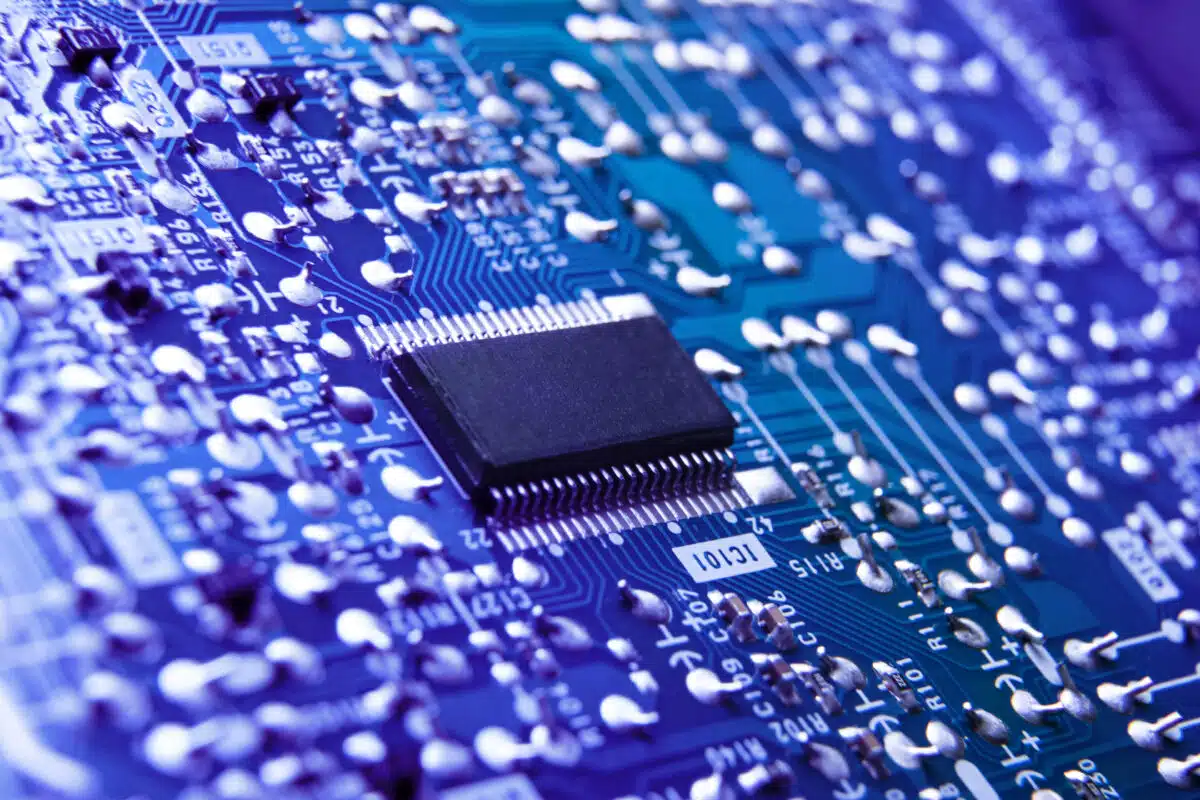
Many industrial automation systems, medical devices, and automotive applications do not utilize 3nm logic and instead depend on older technologies, such as 40nm and 90nm processes. These established nodes serve as the backbone for critical components like power management ICs (PMICs), microcontrollers (MCUs), and analog sensors. As foundries focus more on producing high-margin AI chips, the production capacity for these mature nodes is not keeping pace with growing demand, leading to a significant bottleneck. As an Independent Distributor, Suntsu is witnessing this trend directly: the so-called “ordinary” chips are currently presenting the most challenging—and urgent—issues for procurement teams.

Why Legacy Nodes Are Left Behind

There is a growing gap between the headlines in technology and the actual state of manufacturing, particularly regarding semiconductor investment. The surge in Generative AI has led to a significant shift in foundry capacity. Major semiconductor companies are investing billions in building sub-5nm fabrication plants to cater to the demand for high-performance GPUs and AI accelerators. While this focus is shaping the future of computing, it is contributing to an increasing disparity in the foundational sectors of industry and healthcare.

Many industrial automation systems, medical devices, and automotive applications do not utilize 3nm logic and instead depend on older technologies, such as 40nm and 90nm processes. These established nodes serve as the backbone for critical components like power management ICs (PMICs), microcontrollers (MCUs), and analog sensors. As foundries focus more on producing high-margin AI chips, the production capacity for these mature nodes is not keeping pace with growing demand, leading to a significant bottleneck. As an Independent Distributor, Suntsu is witnessing this trend directly: the so-called “ordinary” chips are currently presenting the most challenging—and urgent—issues for procurement teams.

Defining the “New Normal” of Rolling Constraints

In 2020, the supply chain came to a standstill as everything halted simultaneously. Now, the situation has evolved into a series of ongoing constraints. One quarter, there might be a significant shortage of certain 32-bit microcontrollers; the next, while MCUs may be more stable, there could be sudden allocations affecting MOSFETs or specific interconnects, resulting in lead times of up to 50 weeks.

Launching a new product (NPI) can be a nightmare for a Program Manager due to the unpredictable nature of supply chains. You may manage to secure 99% of your Bill of Materials (BOM), but that one missing voltage regulator can halt your ability to ship and generate revenue. This volatility stems from a combination of factors, such as geopolitical tensions that can alter export restrictions overnight, shortages of raw materials affecting passive components, and aggressive End-of-Life (EOL) cycles where manufacturers phase out older part numbers to make way for newer technologies.

Successfully managing this situation involves more than simply relying on a vendor; it necessitates proactive Shortage Mitigation strategies instead of reactive ones. This calls for a change in perspective from merely “putting out fires” to focusing on fire prevention.

Defining the “New Normal” of Rolling Constraints

In 2020, the supply chain came to a standstill as everything halted simultaneously. Now, the situation has evolved into a series of ongoing constraints. One quarter, there might be a significant shortage of certain 32-bit microcontrollers; the next, while MCUs may be more stable, there could be sudden allocations affecting MOSFETs or specific interconnects, resulting in lead times of up to 50 weeks.

Launching a new product (NPI) can be a nightmare for a Program Manager due to the unpredictable nature of supply chains. You may manage to secure 99% of your Bill of Materials (BOM), but that one missing voltage regulator can halt your ability to ship and generate revenue. This volatility stems from a combination of factors, such as geopolitical tensions that can alter export restrictions overnight, shortages of raw materials affecting passive components, and aggressive End-of-Life (EOL) cycles where manufacturers phase out older part numbers to make way for newer technologies.

Successfully managing this situation involves more than simply relying on a vendor; it necessitates proactive Shortage Mitigation strategies instead of reactive ones. This calls for a change in perspective from merely “putting out fires” to focusing on fire prevention.

Designing for the Unknown

The responsibility of handling supply chain risks frequently falls directly on the engineer. There’s nothing more exasperating for a Senior Hardware Engineer than finalizing a design, only to hear from procurement that the essential op-amp chosen is either obsolete or has a lead time of 60 weeks. As a result, resilience needs to begin right at the schematic stage.

It’s important to shift away from relying on single-source components whenever feasible. Prior to finalizing a design, it’s crucial to perform a thorough Bill of Materials (BOM) analysis and a cost reduction review. This approach helps identify high-risk components early on, enabling you to incorporate pin-compatible alternatives before you become committed to a problematic part.

Interestingly, the most accessible solutions can often be the ones you create yourself. When standard components aren’t available, Suntsu’s Engineering Services can fill that gap effectively. For parts such as Frequency Control devices (like crystals and oscillators) or specialized connectivity modules, we frequently offer the ability to manufacture custom drop-in replacements that meet or surpass the original specifications. This method enables engineering teams to bypass the long wait times associated with major manufacturers and steer clear of the frustrating “redesign loop” that can hinder project progress.
Quality and Counterfeits

As parts become increasingly difficult to find, the main concern for every Purchasing Manager and Quality Director is ensuring a reliable supply chain. When the pressure builds to avoid a “line-down” situation, buyers often find themselves turning to the open market. Unfortunately, this environment can attract unscrupulous individuals. High-mix, low-volume manufacturers are particularly vulnerable to sophisticated counterfeits, such as altered parts, empty packaging, or components salvaged from waste.

In this environment, the distributor’s quality lab serves as your only line of

defense. It’s not sufficient to merely check the paperwork; you must thoroughly examine the physics of the component. Purchasing from the open market without Component Engineering and strict testing protocols is not procurement; it’s akin to gambling.

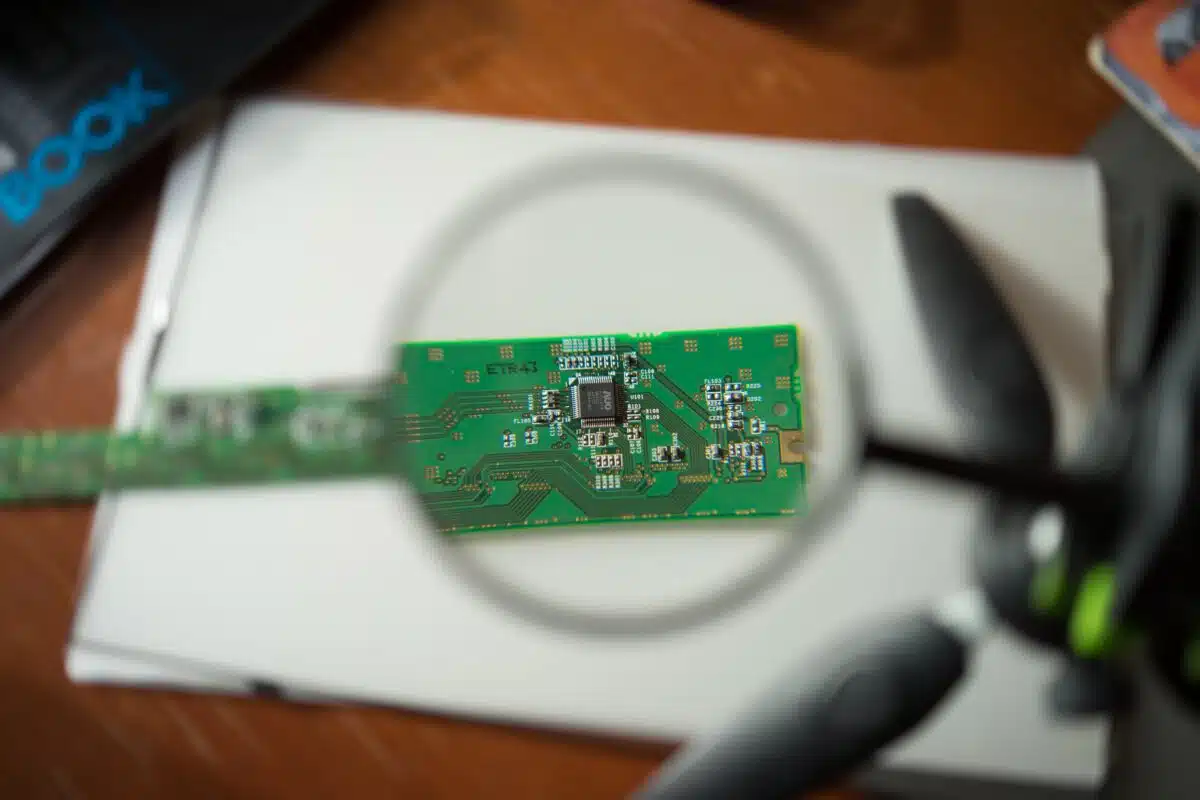
At Suntsu, we have a robust Quality Assurance Process aimed at identifying even the most sophisticated counterfeits. Our approach includes Decapsulation, where we chemically remove the outer layer of a sample to closely inspect the die and confirm that the internal manufacturer logo and architecture align with the datasheet specifications. We also use X-Ray Analysis to check wire bond integrity and die placement without causing any damage to the component. Additionally, our Solderability Testing confirms that the leads remain free from oxidation and have not been mishandled, ensuring they will securely attach to your PCB during the manufacturing process.

Quality and Counterfeits

As parts become increasingly difficult to find, the main concern for every Purchasing Manager and Quality Director is ensuring a reliable supply chain. When the pressure builds to avoid a “line-down” situation, buyers often find themselves turning to the open market. Unfortunately, this environment can attract unscrupulous individuals. High-mix, low-volume manufacturers are particularly vulnerable to sophisticated counterfeits, such as altered parts, empty packaging, or components salvaged from waste.

In this environment, the distributor’s quality lab serves as your only line of defense. It’s not sufficient to merely check the paperwork; you must thoroughly examine the physics of the component. Purchasing from the open market without Component Engineering and strict testing protocols is not procurement; it’s akin to gambling.

At Suntsu, we have a robust Quality Assurance Process aimed at identifying even the most sophisticated counterfeits. Our approach includes Decapsulation, where we chemically remove the outer layer of a sample to closely inspect the die and confirm that the internal manufacturer logo and architecture align with the datasheet specifications. We also use X-Ray Analysis to check wire bond integrity and die placement without causing any damage to the component. Additionally, our Solderability Testing confirms that the leads remain free from oxidation and have not been mishandled, ensuring they will securely attach to your PCB during the manufacturing process.

From “Just-in-Time” to “Just-in-Case”

For essential electronic components, the traditional Just-in-Time (JIT) model has proven to be a disadvantage. The expense of maintaining inventory is now considerably less than the potential revenue lost from production delays. As a result, senior executives and operations directors are increasingly approving a transition to “Just-in-Case” inventory strategies for key parts. However, the aim is not to lock up all working capital in storage. This is where effective Inventory Management Solutions become crucial.

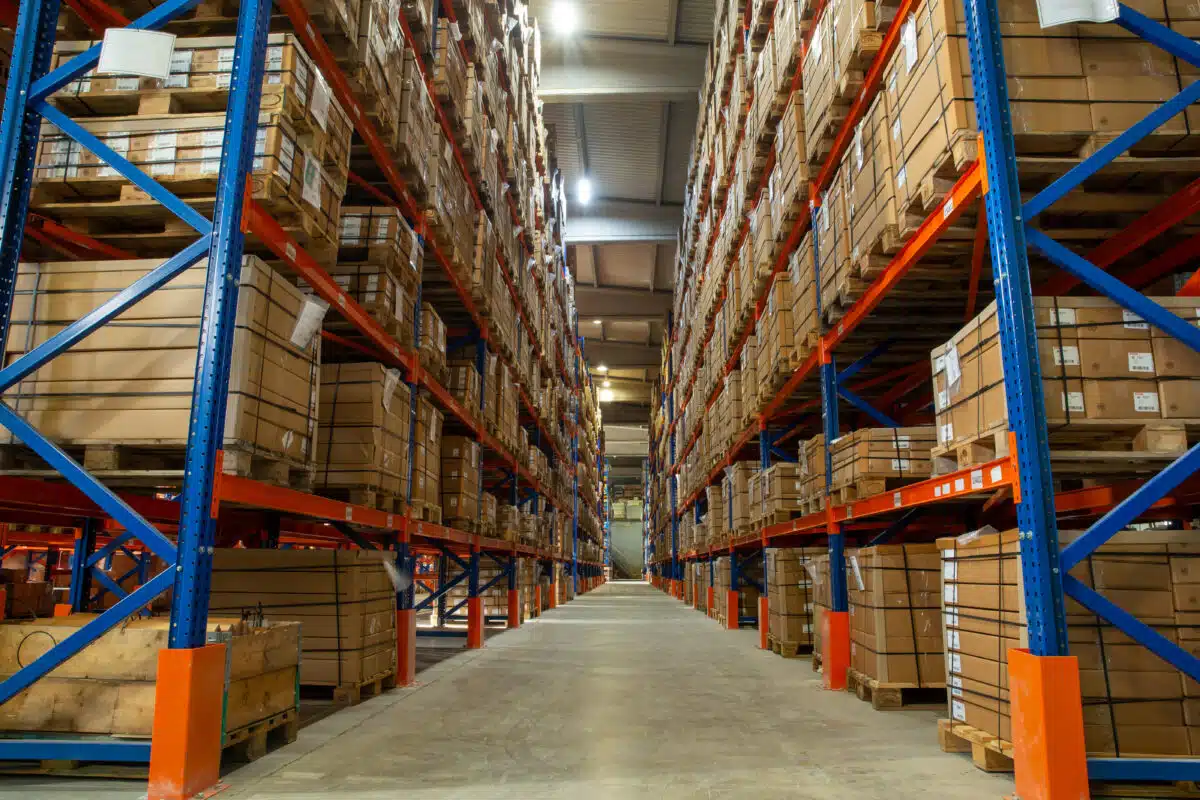
A strong Vendor Managed Inventory (VMI) program serves as a buffer against market fluctuations. In this model, we maintain the stock at our facility and release it to you as needed. This allows you to secure the inventory without immediately affecting your cash flow.

When domestic authorized distributors are out of stock, there is often inventory available elsewhere. Suntsu’s Global Sourcing capabilities enable us to access authorized inventory pools in Asia and Europe that are not visible through standard search aggregators. Furthermore, when an End-of-Life (EOL) notice is issued, we can perform a last-time buy on your behalf and secure the inventory for several years, releasing it according to your production schedule. This Obsolescence Management strategy ensures the longevity of your product without overwhelming your warehouse.

From “Just-in-Time” to “Just-in-Case”

For essential electronic components, the traditional Just-in-Time (JIT) model has proven to be a disadvantage. The expense of maintaining inventory is now considerably less than the potential revenue lost from production delays. As a result, senior executives and operations directors are increasingly approving a transition to “Just-in-Case” inventory strategies for key parts. However, the aim is not to lock up all working capital in storage. This is where effective Inventory Management Solutions become crucial.

A strong Vendor Managed Inventory (VMI) program serves as a buffer against market fluctuations. In this model, we maintain the stock at our facility and release it to you as needed. This allows you to secure the inventory without immediately affecting your cash flow.

When domestic authorized distributors are out of stock, there is often inventory available elsewhere. Suntsu’s Global Sourcing capabilities enable us to access authorized inventory pools in Asia and Europe that are not visible through standard search aggregators. Furthermore, when an End-of-Life (EOL) notice is issued, we can perform a last-time buy on your behalf and secure the inventory for several years, releasing it according to your production schedule. This Obsolescence Management strategy ensures the longevity of your product without overwhelming your warehouse.

Partnership Over Transaction

The semiconductor landscape in 2025 is evolving, and it calls for a new type of partner. The traditional distinction between “Authorized Distributors” and “Independent Brokers” is becoming less clear. Original Equipment Manufacturers (OEMs) and Contract Manufacturers (CMs) now require a hybrid partner—one that provides both Integrated Circuits and Custom Components from manufacturers, along with the sourcing flexibility typical of independent distributors.

We cannot predict which component will face allocation issues next month.

However, by shifting from reactive panic to establishing a resilient, verified, and strategic supply chain, we can ensure that your production lines continue to run smoothly when the next wave of constraints occurs.

Don’t wait for the next shortage to reveal the weaknesses in your supply chain. Contact Suntsu today to discuss a Bill of Materials (BOM) analysis or to set up a consultation for a custom inventory program. Together, let’s create a future where your designs—and your business—are resilient to market volatility.

Partnership Over Transaction

The semiconductor landscape in 2025 is evolving, and it calls for a new type of partner. The traditional distinction between “Authorized Distributors” and “Independent Brokers” is becoming less clear. Original Equipment Manufacturers (OEMs) and Contract Manufacturers (CMs) now require a hybrid partner—one that provides both Integrated Circuits and Custom Components from manufacturers, along with the sourcing flexibility typical of independent distributors.

We cannot predict which component will face allocation issues next month. However, by shifting from reactive panic to establishing a resilient, verified, and strategic supply chain, we can ensure that your production lines continue to run smoothly when the next wave of constraints occurs.

Don’t wait for the next shortage to reveal the weaknesses in your supply chain. Contact Suntsu today to discuss a Bill of Materials (BOM) analysis or to set up a consultation for a custom inventory program. Together, let’s create a future where your designs—and your business—are resilient to market volatility.

Secure your supply chain against the next wave of volatility before it hits. Submit your requirements today for a comprehensive BOM analysis and immediate shortage support.

FAQs

Will legacy node availability ever return to normal?

Most analysts believe we are facing a permanent structural shift rather than a temporary cycle. With major foundries (TSMC, Samsung, Intel) allocating the vast majority of their CAPEX to sub-5nm nodes for AI and high-performance computing, the capacity for 40nm–180nm “legacy” chips is staying flat while demand grows. We expect lead times for these mature nodes to remain elevated (26+ weeks) indefinitely, making long-term bonded inventory strategies essential for products with 10+ year lifecycles.

Why is High-Mix, Low-Volume manufacturing harder to source for?

HMLV manufacturers lack the “volume leverage” that giants like Apple or Tesla use to bully their way to the front of the allocation line. When a shortage hits, authorized distributors often reserve stock for their biggest contracts first. HMLV purchasing managers need an aggregation partner—like an independent distributor—who combines demand from multiple mid-market OEMs to create the buying power necessary to secure stock during allocation windows.

Does sourcing from the independent market ruin my company’s ESG compliance?

It can, if you buy from the “grey market” (unverified brokers). However, professional Independent Distribution preserves your ESG standing by providing full Chain of Custody documentation. At Suntsu, we ensure compliance even when sourcing hard-to-find parts. We treat independent sourcing with the same rigor as authorized procurement, ensuring your “Scope 3” emissions and ethical sourcing metrics remain intact.

What does Bonded Inventory actually mean for my cash flow?

Bonded Inventory is essentially a reservation system that protects your budget. In a standard buying model, you purchase components upfront and store them, which ties up your working capital in depreciating assets. In a Bonded Inventory program, Suntsu purchases the stock you need for the next 12+ months and holds it in our secure facility. You only pay for the parts when we ship them to your dock.

  • The Benefit: You secure the physical stock today (preventing future line-down situations) but keep your cash flow free for other operations until the moment of production. This is particularly critical for “long-tail” products where demand is steady but parts are prone to sudden obsolescence.

Why do allocations happen even if I have a forecasted order?

An “Allocation” occurs when global demand for a specific component exceeds the manufacturer’s total production capacity. When this happens, manufacturers stop accepting new orders and begin “allocating” their limited stock to customers based on purchase volume and strategic importance.

  • The Reality: Even if you have a forecast, major semiconductor manufacturers often prioritize their largest Tier 1 clients (like massive consumer electronics or automotive companies), leaving industrial and medical OEMs with unfulfilled orders.

  • The Fix: This is where Suntsu’s Independent Distribution arm steps in. We can aggregate supply from other authorized regions or verified excess inventory that is not visible to the primary manufacturer’s direct sales channel, filling the gap your forecast couldn’t.


keyboard_arrow_up