
In the dynamic realm of electronics manufacturing, the drive for efficiency and cost reduction is relentless. Every choice, from design to sourcing, is carefully examined for its effect on profitability. While opting for cheaper electronic components may appear to be an effective way to lower Bill of Materials (BOM) costs, this seemingly advantageous strategy often hides a more troubling reality: the hidden expenses associated with low-quality components. These hidden costs can gradually diminish profits, tarnish reputations, and ultimately threaten the sustainability of a business.
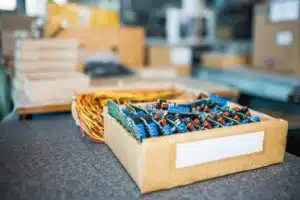
So, what are these “low-quality components,” and why do they represent such a serious risk? Unlike counterfeit parts, which are outright fraudulent, low-quality components can be genuine but simply fall short of the stringent standards required for performance, reliability, and material integrity. They may come from less reputable manufacturers, have broader tolerances, or be outdated stock that hasn’t been properly stored. Essentially, they are the parts that appear acceptable at first glance but may fail to deliver in the long run.
The Allure of the Lower Price Tag
If the risks are so significant, why do companies sometimes choose cheaper, potentially lower-quality components? The answer often lies in immediate financial pressures. In highly competitive markets, the desire to reduce upfront costs is intense. A lower component price can quickly improve profit margins or allow for more aggressive pricing strategies, giving a company a perceived advantage. One approach to smarter ways to reduce electronic component costs is to invest in strategic partnerships with reliable suppliers, enabling bulk purchasing and fostering innovation without sacrificing quality.
However, this choice frequently neglects the important concept of Total Cost of Ownership (TCO). The TCO of a component goes beyond its initial purchase price and includes various factors such as procurement, inventory management, assembly, testing, warranties, and even potential legal issues. Companies often do not accurately evaluate the long-term cascading costs associated with compromised electronic component quality. This oversight can become expensive, as initial savings are quickly overshadowed by later expenses.
Quality management has a shorthand for this escalation: the 1-10-100 rule, which holds that a defect costs roughly $1 to prevent, about $10 to catch and correct internally, and around $100 once it reaches the customer [1]. The ratio is a directional rule of thumb rather than a measured constant — the multiplier varies by industry, and in regulated sectors the escalation runs considerably steeper. But the direction is well established, and it explains why a few cents saved per component can be dwarfed by what happens downstream. At an industry level, the cost of poor quality is commonly estimated to consume 15–25% of manufacturing revenue [1].
The Tangible Costs of Compromise
When low-quality components are incorporated into your products, the issues often arise quickly, leading to immediate and significant costs that impact your operations directly.
Imagine an assembly line where products often fail after assembly due to faulty capacitors or weak solder joints. Each defective unit requires extra labor to diagnose the issue, desolder the faulty component, replace it, and retest the product. In some cases, the product may be deemed irreparable and sent to scrap, resulting in a total loss of both materials and labor invested. This situation directly increases manufacturing costs and delays production output.
A critical component failure can stop an entire production line. When a batch of unreliable parts enters your system, finding the root cause can take a lot of time, resulting in costly downtime. Every hour of idle machinery and unproductive labor leads to lost revenue and missed delivery deadlines, which can severely impact time-to-market and customer commitments.
Defective products inevitably end up in customers’ hands, resulting in a surge of complaints, warranty claims, and product returns. The costs associated with managing these returns—including shipping replacements, repairing faulty units, and addressing customer service inquiries—can be significant. In addition to the direct financial impact, this situation also diverts valuable resources that could be used for innovation and growth.
To reduce the risks associated with potentially questionable components, manufacturers may need to adopt more stringent and frequent testing and inspection protocols. While this additional quality assurance is essential, it also increases labor costs, necessitates specialized equipment, and lengthens the overall production cycle, ultimately diminishing any initial cost savings.
In quality-cost terms these are appraisal activities: they catch defects without preventing them, which is why they add overhead at every stage while leaving the underlying problem in place [3]. Inspection is a necessary control, but paying for it indefinitely is a symptom of a sourcing decision made upstream.
Uncovering the Hidden Costs
Quality economics has a name for the part of this that never shows up on a report: the hidden factory — the production capacity, commonly estimated at 15–20%, consumed by rework and correction while being absorbed into normal operating cost rather than tracked as a quality failure [2].Most organizations underestimate their true cost of poor quality because they measure only the visible failures: scrap, rework, and warranty. ASQ benchmarks place cost of poor quality between 5% and 25% of annual revenue for manufacturers, with world-class performers holding it below 2% [2].
While the immediate costs are painful, the true financial damage often lies in less obvious, “hidden” costs that subtly erode your business from the inside out. These long-term consequences can threaten your very existence.
Reputational Damage and Loss of Customer Trust
One of the most insidious hidden costs is the damage to your brand. Consistent product failures caused by unreliable components can quickly result in negative reviews, widespread customer dissatisfaction, and a significant loss of trust. In today’s interconnected world, a damaged reputation can spread rapidly, making it challenging to attract new customers and retain existing ones. Rebuilding trust becomes a monumental, often insurmountable challenge.
Reduced Product Lifespan and Reliability
Products made with unreliable components do not last. They degrade more quickly, experience frequent breakdowns, and have a shorter operational lifespan. This frustrates customers, affects perceived product value, and contributes to e-waste.
Increased Supply Chain Disruptions
When components fail unexpectedly, it creates an unpredictable demand for replacements. This can result in chaotic procurement processes, rushed orders, and a greater reliance on spot markets, which often have higher prices and an increased risk of obtaining low-quality or counterfeit parts. This instability affects the entire supply chain. If you need assistance navigating these disruptions, learn more about our shortage mitigation services.
Higher Maintenance and Repair Costs
Using low-quality components in products deployed in the field results in more frequent servicing, additional field repairs, and a greater need for spare parts. This significantly increases post-sales support costs and shifts valuable engineering resources away from developing new products to handling ongoing issues.
Legal and Regulatory Penalties
In highly regulated industries like automotive, medical, and aerospace, using components that do not meet strict quality and safety standards can result in serious consequences. These consequences may include significant fines, mandatory product recalls, expensive litigation, and even criminal charges. Such outcomes can be financially devastating and can permanently damage a company’s reputation.
Erosion of Employee Morale
Dealing with product failures, customer complaints, and production delays can be highly demoralizing for employees. Engineers may feel that their designs are compromised, manufacturing teams can become frustrated with the need for rework, and customer service staff often bear the brunt of customer anger. This situation can lead to decreased productivity, higher employee turnover, and a toxic work environment.
Lost Market Share
While you deal with the consequences of using low-quality components, your competitors who prioritize the quality of electronic components are likely producing more reliable products. This will help them gain customer loyalty and capture a larger market share. Once your market position declines, reversing it can be incredibly challenging.
How Low-Quality Components Undermine Performance

Reduced Functionality
A product may not function as expected. A circuit might not supply the correct voltage, a sensor could provide inaccurate readings, or a processor might struggle with simple tasks.

Intermittent Failures
One of the most frustrating types of failure occurs when components operate intermittently, functioning at times but failing unpredictably at others. This inconsistency complicates troubleshooting and leads to erratic product behavior.

Overheating and Safety Hazards
Using substandard materials or poor manufacturing processes can cause components to overheat, resulting in thermal runaway, short circuits, or even fires. This poses significant safety risks to users and may lead to catastrophic product failures.

Electromagnetic Interference (EMI) Issues
Poorly designed or shielded components can produce unwanted electromagnetic interference or be vulnerable to it, disrupting the performance of other sensitive circuits in the device or even other nearby electronic equipment.

Compromised Data Integrity
In applications that depend on data processing or storage, using low-quality memory chips, microcontrollers, or other integrated circuits can result in data corruption, data loss, or computational errors. The severity of these issues can vary based on the specific application. For more information on how to choose the right integrated circuits, check out our blog on Memory IC essentials.
Suntsu: Your Partner in Quality and Reliability
At Suntsu, we recognize that quality is more than just a buzzword; it is the foundation of your success. We empower engineers and purchasing managers to turn their designs into reality by navigating supply chain challenges and securing the necessary parts. Our unwavering focus is on component reliability and the overall quality of electronic components.
We serve as your trusted partner by:
- Unmatched Sourcing Capabilities: Our extensive global network and deep industry expertise enable us to locate even the most difficult-to-find and End-of-Life (EOL) components. This approach helps you avoid the risk of turning to unverified sources. Don’t let obsolete parts disrupt your production; discover our Obsolescence Management solutions.
- Rigorous Quality Assurance: We implement rigorous quality control measures and collaborate with authorized direct sources. We recognize the significance of quality certifications. Learn more about Understanding Quality Certifications for Electronic Components Distributors.
- Engineering Expertise: Our dedicated engineering team provides valuable support with design options, custom component creation, and can also offer Component Engineering Services to enhance your projects and ensure quality from the ground up.
- Streamlined Inventory Management: Our customizable programs, including Vendor Managed Inventory (VMI), offer full visibility and control over your component stock. This helps minimize the risk of costly stockouts and avoids the need for hasty, risky purchases. Optimize your inventory with our Inventory Management Solutions.
- Global Reach and Network: With a comprehensive network of suppliers and reliable distribution channels, we guarantee efficient delivery and access to a wide variety of high-quality components, including Capacitors and Frequency Control products.
- Cost Reduction Through Smart Sourcing: We don’t just locate parts; we analyze your Bill of Materials (BOM) to find opportunities for cost reduction without sacrificing quality. Learn more about our BOM Analysis and Cost Reduction services.

The initial price tag of a component is merely one piece of a much larger financial puzzle. The hidden costs associated with low-quality components far outweigh any perceived upfront savings. By prioritizing electronic component quality and partnering with a reliable distributor like Suntsu, you not only safeguard your bottom line but also protect your brand, enhance customer satisfaction, and build a truly resilient and profitable business. Don’t let hidden costs derail your success – choose quality, choose Suntsu.
Don’t let the hidden costs of low-quality components jeopardize your next project. Partner with Suntsu for reliable, high-quality electronic parts and expert support.
FAQs
Low-quality components generally refer to parts that might be genuine but don’t meet strict performance, reliability, or material standards. They could be from less reputable manufacturers, have looser tolerances, or be older stock that hasn’t been stored properly. Counterfeit components, on the other hand, are fraudulent parts that are misrepresented as genuine from a reputable manufacturer. They are often fake, refurbished and relabeled as new, or clones made with substandard materials and processes. While all counterfeit components are low quality, not all low-quality components are necessarily counterfeit.
- Rigorous Supplier Vetting: Reputable independent distributors work with a vast network of suppliers and implement strict quality control measures to ensure authenticity and quality.
- Unmatched Sourcing Capabilities: They can find hard-to-find, obsolete, and EOL (End-of-Life) components, reducing the temptation to source from unverified channels.
- Quality Assurance and Testing: Many offer in-house testing and inspection services to verify component quality before shipment.
- Traceability and Documentation: They provide certificates of compliance and origin, offering a clear paper trail for components.
- Expert Guidance: Their experienced teams can help identify suitable, high-quality alternatives and provide technical support.
- Prioritize Supplier Trust and Relationships: Work with reputable and established distributors who have a proven track record of quality and reliability.
- Demand Quality Certifications and Traceability: Always request documentation that verifies the origin and quality of components.
- Implement Robust Incoming Inspection and Testing: Have processes in place to inspect and test components upon arrival, especially for critical parts.
- Collaborate with Engineering on Component Selection: Engineers and purchasing managers should work together to balance cost considerations with performance, reliability, and long-term supply chain needs.
- Consider Total Cost of Ownership (TCO): Look beyond the immediate purchase price and consider all potential costs throughout a component’s lifecycle.
- Utilize Inventory Management Programs: Solutions like Vendor Managed Inventory (VMI) can help ensure a consistent supply of high-quality components and reduce the risk of needing to source from risky channels.
- Stay Informed about Counterfeit Risks: Be aware of common counterfeiting techniques and actively work to prevent them from entering the supply chain.
Supply chain transparency involves having clear visibility into the entire journey of a component, from its original manufacturer to its arrival at your facility. This includes knowing the origin, manufacturing batch, handling, and previous distribution channels. Transparency helps identify unauthorized or questionable sources, reduces the risk of counterfeit or substandard parts entering your supply chain, and ensures better traceability if an issue arises. Working with distributors who prioritize transparent sourcing and provide detailed documentation is crucial.
When original components become obsolete (EOL – End-of-Life), manufacturers often face a dilemma: redesigning their product (costly and time-consuming) or sourcing parts from alternative channels. Without proper obsolescence management, companies might be forced to buy from unverified independent distributors or the grey market, which carries a much higher risk of acquiring low-quality, refurbished, or counterfeit components. Proactive obsolescence management involves identifying EOL parts early, securing last-time buys, or finding reliable, verified alternatives, thereby avoiding desperate measures that lead to hidden costs.
Related Content
References
[1] AIGPE. “The 1-10-100 Rule” Available at: https://aigproexcellence.com/blog/1-10-100-rule/
[2] Simulations4All.com. “Quality Escape Cost Estimator — COPQ & 1-10-100 Rule Calculator” Available at: https://simulations4all.com/simulations/quality-escape-cost-estimator
[3] Becky Kelderman. “The Cost of Quality in High-Complexity Manufacturing” Available at: https://manufacturo.com/resources/blog/the-cost-of-quality-in-high-complexity-manufacturing/