
In today’s fast-changing technological landscape, where supply chain disruptions and shortages of components are becoming more frequent, adopting a reactive approach to sourcing electronic components can lead to serious challenges. For original equipment manufacturers (OEMs), contract manufacturers (CMs), and engineers, it is essential to have a proactive and well-structured long-term strategy in place to achieve lasting success. This is particularly important when dealing with the complexities of sourcing legacy electronic components, including obsolete (EOL) and hard-to-find parts.

The market for electronic components, although innovative, is also unpredictable. Factors such as geopolitical changes, natural disasters, and unexpected spikes in demand can create significant disruptions in the global supply chain. These challenges can result in longer lead times, rising costs, and even the complete unavailability of vital components. In this uncertain environment, having a solid long-term sourcing strategy is fundamental to maintaining operational continuity and gaining a competitive edge. It shifts your focus from merely responding to shortages to actively anticipating and managing potential risks, ensuring that your production processes run smoothly and that your product development remains on schedule. This proactive mindset helps to reduce the effects of market volatility, safeguards your financial health, and enhances supply chain resilience.
Crafting a Robust Sourcing Blueprint for Electronic Parts
An effective long-term strategic sourcing plan for electronic components is multi-dimensional, incorporating various proactive measures and partnerships. It is essential to create a strong framework that addresses your current requirements while also preparing for future challenges.
At its foundation, a comprehensive plan should include:

Diversified Supplier Network
Relying on a single supplier for even common components can expose you to significant risks. Establishing a diversified network that includes authorized distributors, direct manufacturers, and trusted independent distributors like Suntsu offers greater flexibility and reduces dependence on any one source. This approach is especially important for minimizing the impact of unexpected disruptions.
Strategic Inventory Management Programs
Implementing advanced inventory management solutions can significantly transform your operations. Programs such as Vendor Managed Inventory (VMI) offer real-time visibility and control over your component stock, which helps minimize the risk of stockouts while also reducing carrying costs and waste. This approach optimizes cash flow and ensures that components are available when needed.
Forecast and Demand Planning
Accurate forecasting of component needs is critical. By analyzing historical data, sales forecasts, and product roadmaps, you can better anticipate future demand and proactively secure the necessary components. This proactive strategy helps prevent last-minute scrambles and possible production delays.

Continuous Market Monitoring
The electronic components market is constantly changing. To adapt your sourcing strategy, it is essential to stay updated on industry trends, geopolitical developments, and technological advancements. By regularly monitoring lead times, pricing, and product introductions, you can make informed decisions.

Quality Assurance and Supplier Vetting
A long-term plan requires strict quality control. By setting clear quality standards and thoroughly vetting suppliers, you ensure that the components you receive meet your specifications and reliability requirements. This is essential for preventing expensive product failures and recalls. Additionally, understanding the quality certifications for electronic component distributors can provide valuable guidance.

Early Engagement with Engineering
Bridging the gap between engineering and procurement is essential. Engineers typically choose components based on technical specifications but might not fully understand the realities of the supply chain. Early collaboration helps identify potential sourcing challenges and allows for the exploration of design alternatives or readily available substitutes, even for obsolete parts.
Sourcing EOL and Hard-to-Find Parts
Sourcing legacy electronic components, including EOL parts and hard-to-find electronic items, presents unique challenges that require specialized strategies. While newer designs typically focus on using readily available components, maintaining older products or systems often requires locating parts that are no longer in active production.
Effective strategies for managing and sourcing these legacy components include:
- Proactive Obsolescence Management: Take action before a component reaches its official end-of-life. Establish a strong obsolescence management program to track product lifecycles and identify components that are approaching obsolescence. This enables proactive last-time purchases and helps find appropriate replacements.
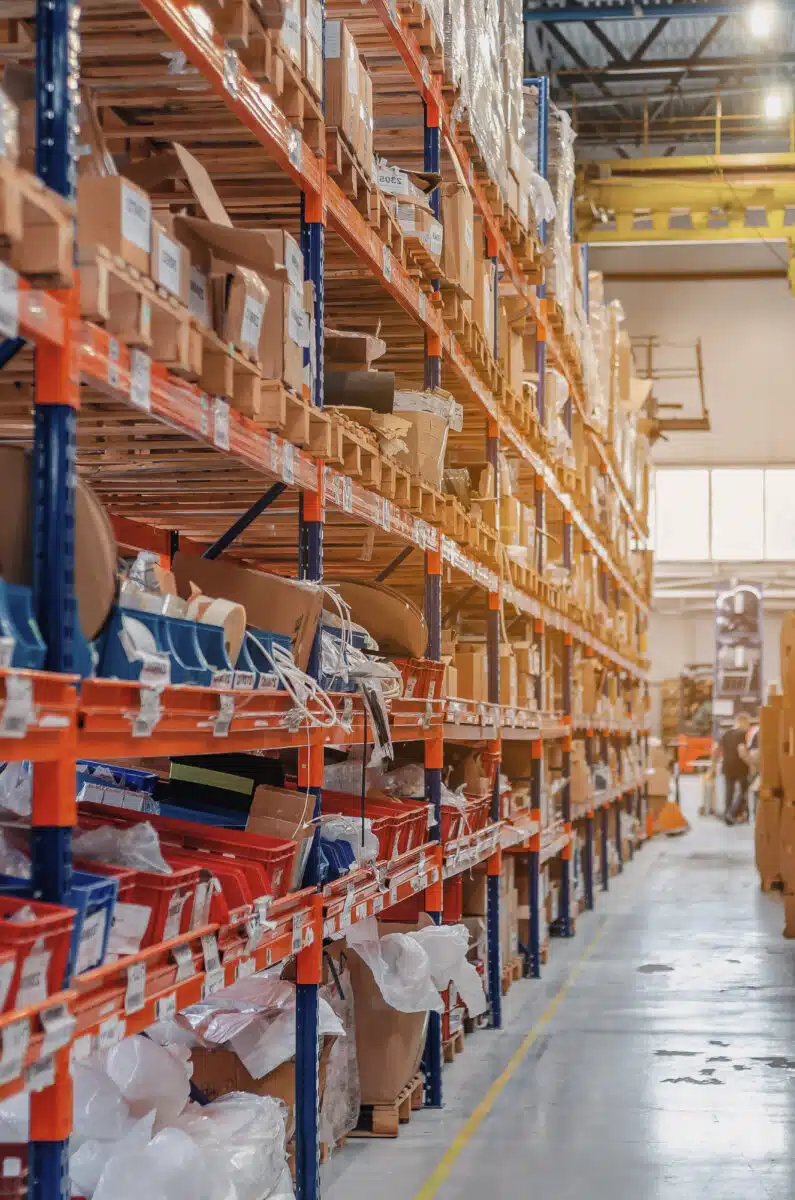
- Excess Inventory Solutions: Sometimes, companies may have excess inventory of end-of-life or hard-to-find parts you need. Exploring excess inventory marketplaces and collaborating with distributors who manage these solutions can be an effective way to secure critical components.
When a Component Goes End-of-Life: Minimizing Disruption
The declaration of a critical component as End-of-Life can induce panic, but with a proactive plan in place, it doesn’t need to be a catastrophic event. Here’s a structured approach to ensure continued production and minimize disruption:
- Verify the EOL Notification: Verify the EOL status with the manufacturer or your authorized distributor. Be aware of the last time buy dates and last time ship dates.
- Assess Impact and Usage: Assess the extent of the component’s usage across product lines and check the remaining inventory. Prioritize products that depend heavily on the EOL part.
- Explore Replacement Options (Engineering Review): Begin an engineering review to locate suitable drop-in replacements, equivalent components, or alternative design strategies. This is where Suntsu’s engineering team can provide crucial support.
- Strategic Last-Time Buy (if applicable): If a suitable replacement isn’t available right away, consider making a strategic last-time buy to secure enough inventory to bridge the gap until a new solution is put in place. Collaborate with trusted partners to manage this process effectively.
- Qualify and Implement New Solutions: After identifying a replacement or alternative design, rigorously qualify the new component or design to ensure its performance, reliability, and compliance with all specifications.
- Update Documentation and Processes: Update all relevant documentation, including BOMs, assembly instructions, and quality control procedures, to reflect the change. Inform all relevant internal and external stakeholders about the change.
Your Trusted Partner in Strategic Sourcing

In today’s complex and unpredictable global market, having a long-term strategic plan for sourcing electronic components is essential. By taking proactive measures, building strong relationships with suppliers, and leveraging the expertise of partners like Suntsu, you can create a resilient supply chain. This approach will help you navigate challenges, ensure product continuity, and ultimately bring your designs to life.
Ready to build a resilient supply chain and secure the components you need for the long term? Contact Suntsu today for expert guidance on strategic sourcing, obsolescence management, and finding those critical legacy and EOL parts.
FAQs
Proactive obsolescence management is a cornerstone of a successful long-term strategic sourcing plan. Rather than reacting to End-of-Life (EOL) notices, a proactive approach involves continuously monitoring component lifecycles, identifying potential obsolescence risks early, and developing mitigation strategies before parts become unavailable. This includes actions like forecasting future needs, qualifying alternative components, securing last-time buys, and exploring custom solutions. By integrating obsolescence management into the strategic plan, companies can prevent costly production halts, avoid emergency purchases, and ensure product continuity, ultimately leading to significant savings in time and resources.
Independent distributors like Suntsu play a critical and often indispensable role in helping OEMs (Original Equipment Manufacturers) and CMs (Contract Manufacturers) secure hard-to-find and EOL parts for long-term projects. Unlike franchised distributors who are limited to current product lines, independent distributors have unparalleled global sourcing capabilities. They leverage extensive networks and market intelligence to locate components that are no longer actively produced or readily available through traditional channels. Suntsu’s expertise in navigating the complexities of the independent market ensures authenticity and quality, minimizing the risks associated with counterfeit parts. This specialized ability to find elusive components is vital for sustaining production of existing products and supporting long-lifecycle designs.
Beyond mere sourcing, robust inventory management solutions are absolutely essential for supporting a long-term strategic plan and optimizing cash flow. Key solutions include Vendor Managed Inventory (VMI) programs, which allow suppliers like Suntsu to manage stock levels at the customer’s site, reducing holding costs and ensuring material availability. Excess inventory solutions are also crucial, enabling companies to liquidate or redeploy surplus components, freeing up capital and warehouse space. Furthermore, sophisticated inventory visibility tools provide real-time data on stock levels, consumption rates, and demand forecasts, allowing for more precise planning, reduced waste, and improved cash flow by minimizing overstocking and preventing costly production delays due to shortages.
Suntsu’s engineering expertise significantly contributes to long-term strategic planning, especially when companies face complex component challenges. Their dedicated engineering team can provide invaluable support in several ways: identifying suitable design alternatives for obsolete or hard-to-find components, conducting thorough Bill of Material (BOM) analysis to proactively identify risks, and even developing custom components when no off-the-shelf solution exists. This technical insight helps engineers optimize designs for manufacturability and longevity, allowing them to overcome technical hurdles and ensure the feasibility of products with extended lifecycles. By leveraging Suntsu’s engineering capabilities, companies can make informed decisions that enhance product performance, reduce costs, and secure their production for years to come.
Partnering with a reliable, one-stop-shop supplier like Suntsu for long-term electronic component needs offers numerous benefits. Firstly, it significantly reduces the complexity of managing multiple suppliers, streamlining the procurement process and saving administrative time. Suntsu’s diverse product portfolio, combined with their unmatched sourcing capabilities, ensures access to a wide range of components, including hard-to-find and EOL parts. This partnership reduces risks and delays associated with component shortages, improves design flexibility through engineering support, and optimizes inventory management, leading to better cash flow. Ultimately, working with a trusted partner like Suntsu fosters a more resilient and efficient supply chain, providing consistency and confidence for long-term projects.
Related Content