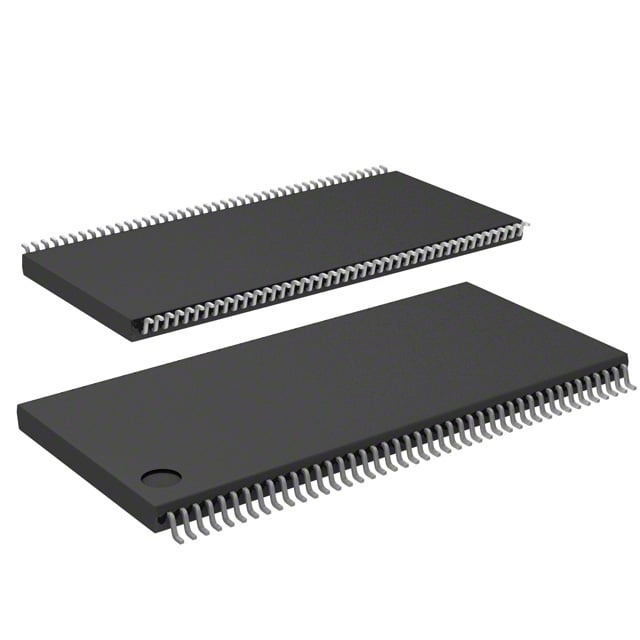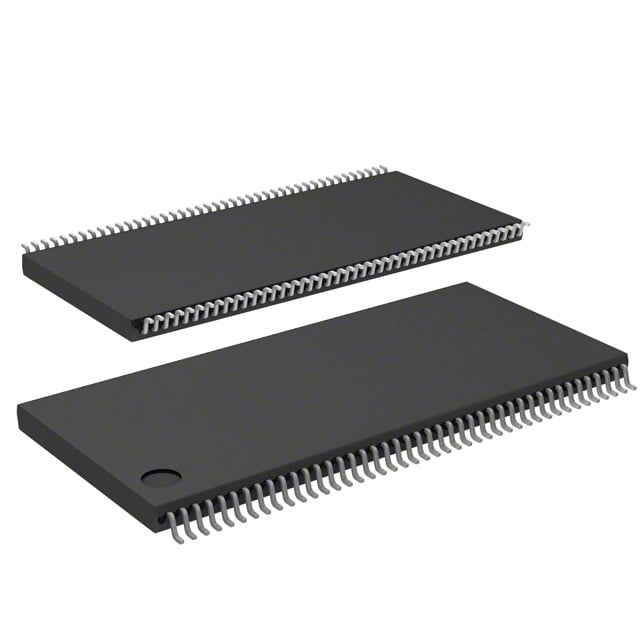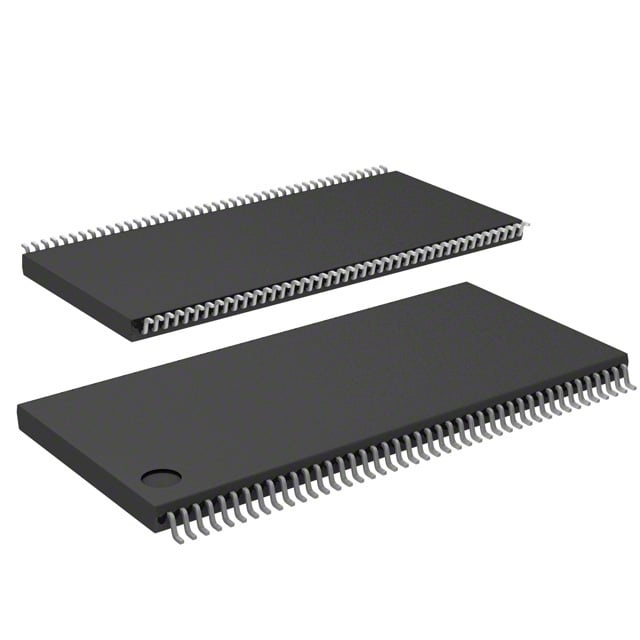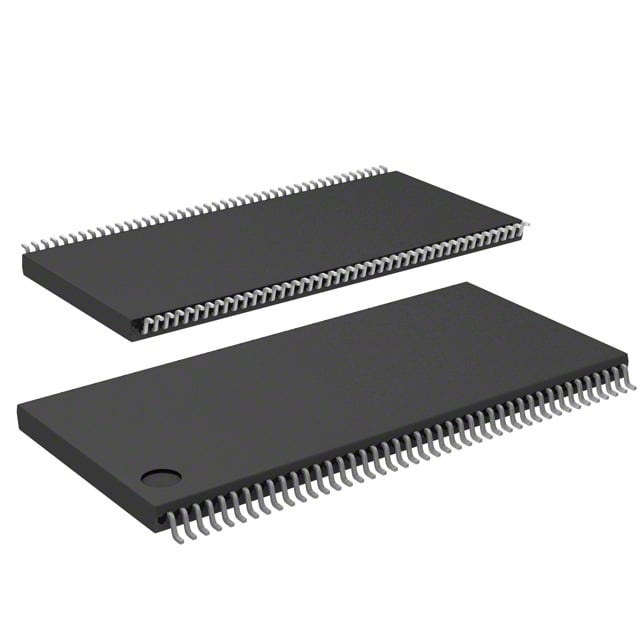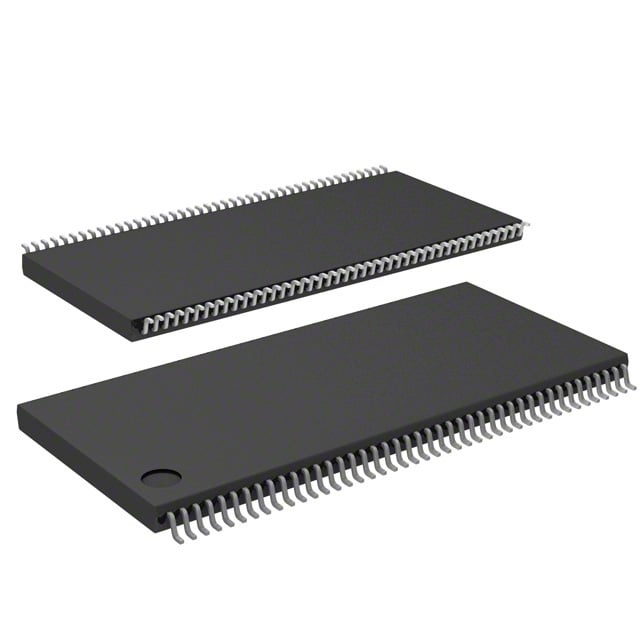
AS4C2M32SA-6TINTR
| Part Description |
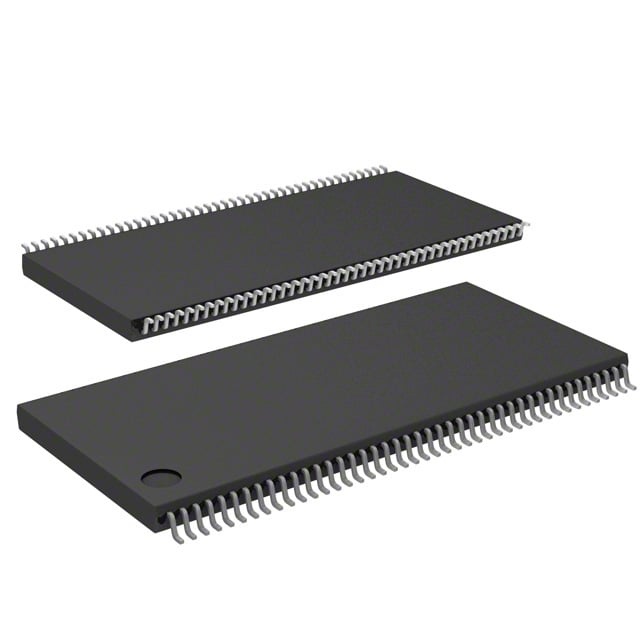
IC DRAM 64MBIT PAR 86TSOP II |
|---|---|
| Quantity | 169 Available (as of June 15, 2026) |
| Product Category | Memory |
|---|---|
| Manufacturer | Alliance Memory, Inc. |
| Manufacturing Status | Active |
| Manufacturer Standard Lead Time | 20 Weeks |
| Datasheet |
Specifications & Environmental
| Device Package | 86-TSOP II | Memory Format | DRAM | Technology | SDRAM | ||
|---|---|---|---|---|---|---|---|
| Memory Size | 64 Mbit | Access Time | 5.5 ns | Grade | Industrial | ||
| Clock Frequency | 166 MHz | Voltage | 3V ~ 3.6V | Memory Type | Volatile | ||
| Operating Temperature | -40°C ~ 85°C (TA) | Write Cycle Time Word Page | 2 ns | Packaging | 86-TFSOP (0.400", 10.16mm Width) | ||
| Mounting Method | Volatile | Memory Interface | Parallel | Memory Organization | 2M x 32 | ||
| Moisture Sensitivity Level | 3 (168 Hours) | RoHS Compliance | ROHS3 Compliant | REACH Compliance | REACH Unaffected | ||
| Qualification | N/A | ECCN | 3A991B2A | HTS Code | 8542.32.0002 |
Overview of AS4C2M32SA-6TINTR - 64Mbit Synchronous DRAM
The AS4C2M32SA-6TINTR is a 64-megabit synchronous dynamic random-access memory (SDRAM) organized as 2M x 32 bits. This SDRAM integrates a synchronous interface with JEDEC-standard pinouts, enabling high-speed memory access at 166 MHz clock frequency for embedded systems, networking equipment, and industrial applications. Manufactured by Alliance Memory, Inc., this device delivers reliable parallel memory performance with extended temperature tolerance from -40°C to 85°C.
Key Features
- Memory Architecture - 64-megabit density configured as 2 million words by 32 bits, providing flexible data width for processor interfacing and efficient memory utilization in 32-bit systems.
- High-Speed Operation - 166 MHz clock frequency with 5.5 ns access time enables fast read/write cycles and supports demanding real-time processing applications.
- Synchronous Interface - SDRAM technology with 2 ns write cycle time ensures predictable, clock-synchronized memory operations that simplify timing design in digital systems.
- Power Supply - Operates from 3V to 3.6V supply voltage, compatible with standard 3.3V logic levels commonly used in embedded processors and FPGAs.
- Industrial Temperature Range - Rated for operation from -40°C to 85°C ambient temperature, suitable for deployment in industrial control, outdoor equipment, and harsh environmental conditions.
- Compact Package - Available in 86-pin TSOP II package with 10.16mm body width, offering a space-efficient footprint for high-density board layouts.
Typical Applications
- Industrial Automation - This SDRAM provides reliable memory for programmable logic controllers (PLCs), human-machine interfaces (HMIs), and motor drives where extended temperature tolerance ensures consistent operation in factory environments and the parallel interface simplifies integration with industrial processors.
- Networking Equipment - The 64-megabit capacity and high-speed synchronous operation support packet buffering and routing table storage in switches, routers, and network attached storage devices that require fast, predictable memory access.
- Embedded Computing Systems - The 2M x 32 organization matches the native data width of many 32-bit microprocessors and microcontrollers, providing efficient main memory or cache expansion for embedded Linux systems, real-time operating systems, and data acquisition platforms.
- Test and Measurement Instruments - The combination of fast access time and industrial temperature rating makes this SDRAM suitable for oscilloscopes, spectrum analyzers, and automated test equipment that capture and process high-speed signals in laboratory and field environments.
- Medical Devices - The stable operation across wide temperature ranges and reliable synchronous interface support non-critical medical imaging equipment, patient monitoring systems, and diagnostic instruments that require dependable data storage without specialized qualification.
Unique Advantages
- Simplifies 32-bit System Design: The 2M x 32 organization eliminates the need to combine multiple narrower memory devices, reducing PCB routing complexity and lowering component count.
- Extends Product Lifespan in Industrial Deployments: The -40°C to 85°C operating range enables deployment in non-climate-controlled environments without additional thermal management components.
- Reduces Timing Complexity: Synchronous SDRAM operation with predictable clock-aligned access simplifies controller design compared to asynchronous DRAM, shortening development cycles.
- Lowers Power Consumption: The 3V to 3.6V supply voltage reduces power dissipation compared to 5V-only DRAM alternatives, improving system efficiency and thermal performance.
- Improves Design Flexibility: The parallel interface with standard JEDEC pinout provides broad compatibility with existing processor and FPGA platforms without requiring specialized memory controllers.
- Enhances Supply Chain Stability: Active lifecycle status from Alliance Memory provides ongoing availability for designs requiring long-term component sourcing.
Why Choose AS4C2M32SA-6TINTR?
The AS4C2M32SA-6TINTR represents a practical choice for embedded system designers seeking reliable, cost-effective memory expansion for 32-bit processor architectures. Its combination of 64-megabit capacity, 166 MHz synchronous operation, and industrial temperature rating addresses the requirements of automation, networking, and instrumentation applications where performance, environmental tolerance, and design simplicity are essential. The active lifecycle status and standard JEDEC pinout reduce supply chain risk and simplify board design.
Engineers working with industrial controllers, embedded Linux platforms, or real-time systems benefit from the straightforward parallel interface and predictable synchronous timing, which accelerate development while maintaining long-term reliability in demanding operating conditions.
Get a Quote
Contact our sales team to request pricing, availability, and technical support for the AS4C2M32SA-6TINTR. Our application engineers can assist with memory selection, system integration, and sourcing for your embedded design projects.