
Suntsu’s OCXO (oven-controlled crystal oscillator) lineup delivers high-stability frequency control for demanding applications, including cellular base stations, military communications, and precision measurement equipment. Available in through-hole packaging with flexible voltage, logic, and frequency options, including custom configurations, browse our catalog or contact our sales team to find the right part. Learn More
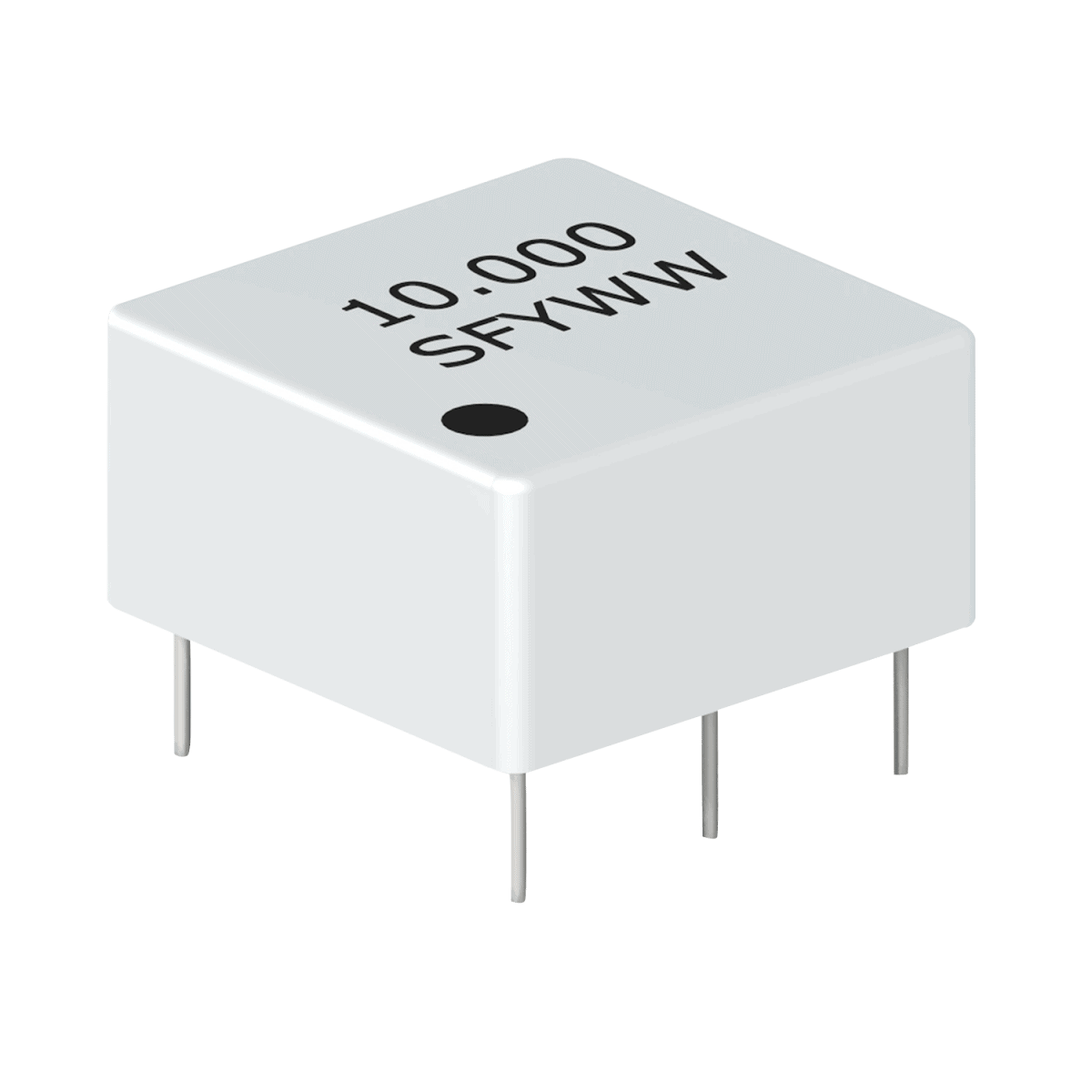
OCXO (Oven Controlled Crystal Oscillators)
| Series | Image | Logic | Package | Stability To | Voltage(s) | Frequency | Reel | Key Feature | Link |
|---|---|---|---|---|---|---|---|---|---|
| SOC09C | 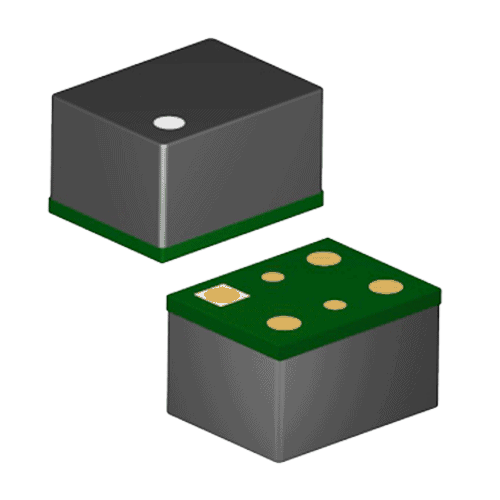 | CMOS | 9.7mm x 7.4mm SMD OCXO | ±20ppb | 3.3V | 10.000MHz - 40.000MHz | 800 | Small Size, SMT |  |
| SOC14C | 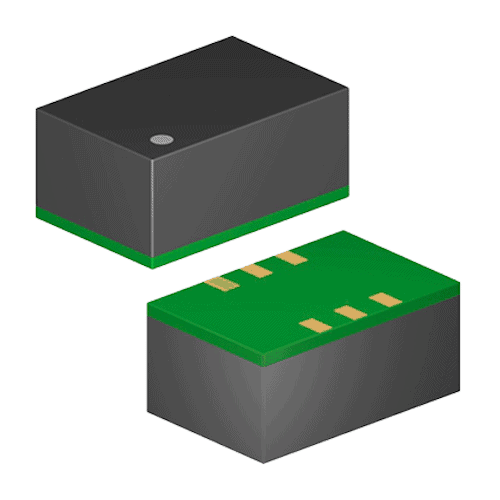 | CMOS | 14.4mm x 9.4mm SMD OCXO | ±20ppb | 3.3V | 10.000MHz - 40.000MHz | 800 | Small Size, SMT | |
| SOC15C | 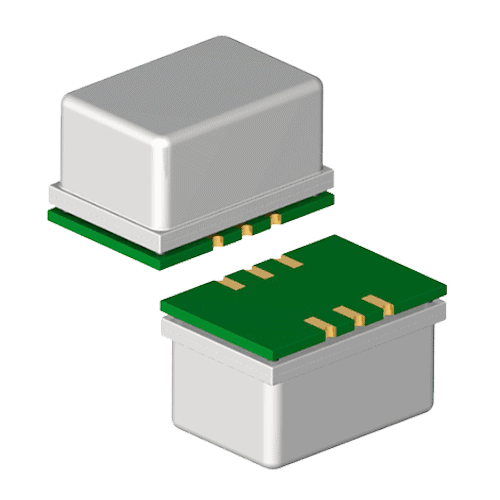 | HCMOS | 15.4mm x 10.6mm SMD OCXO | ±5.0ppb | 3.3V, 5.0V | 10.000MHz - 20.000MHz | 350 | Small Size, SMT | |
| SOCFSC | 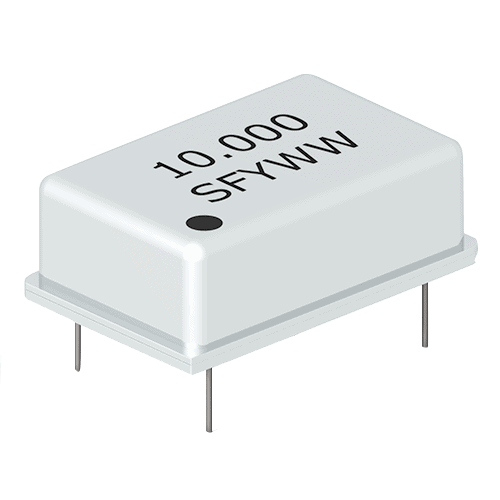 | HCMOS | 20.7 mm x 13.1mm 14-PIN DIP OCXO | ±50ppb | 5.0V, 9.0V, 12.0V | 10.000MHz - 80.000MHz | N/A | Small Size | |
| SOCFSS | | SINE WAVE | 20.7 mm x 13.1mm 14-PIN DIP OCXO | ±50ppb | 5.0V, 9.0V, 12.0V | 10.000MHz - 80.000MHz | N/A | Small Size | |
| SOC20C | 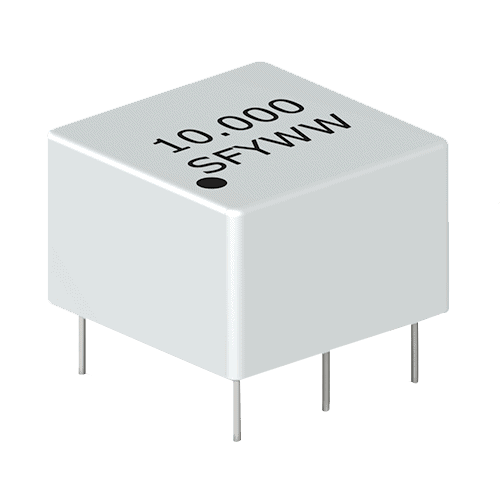 | HCMOS | 20.0mm x 20.0mm DIP OCXO | ±10ppb | 5.0V, 9.0V, 12.0V | 1.000MHz - 80.000MHz | N/A | High Stability, Low Phase Noise | |
| SOC25C | | HCMOS | 25.4mm x 25.4mm DIP OCXO | ±10ppb | 5.0V, 9.0V, 12.0V | 1.000MHz - 80.000MHz | N/A | High Stability, Low Phase Noise | |
| SOC25S | | SINE WAVE | 25.4mm x 25.4mm DIP OCXO | ±10ppb | 5.0V, 12.0V | 5.000MHz - 100.000MHz | N/A | High Stability, Low Phase Noise | |
| SOC36C | 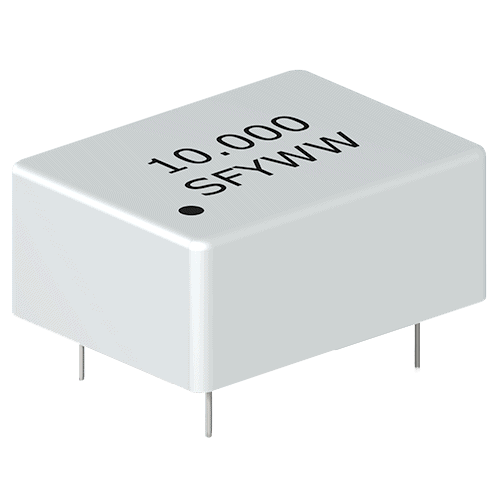 | HCMOS | 36.1mm x 27.2mm DIP OCXO | ±7.5ppb | 5.0V, 9.0V, 12.0V | 5.000MHz - 100.000MHz | N/A | High Stability, Low Phase Noise | |
| SOC36S | | SINE WAVE | 36.1mm x 27.2mm DIP OCXO | ±7.5ppb | 5.0V, 9.0V, 12.0V, 15.0V | 5.000MHz - 100.000MHz | N/A | High Stability, Low Phase Noise | |
| SOC38C | 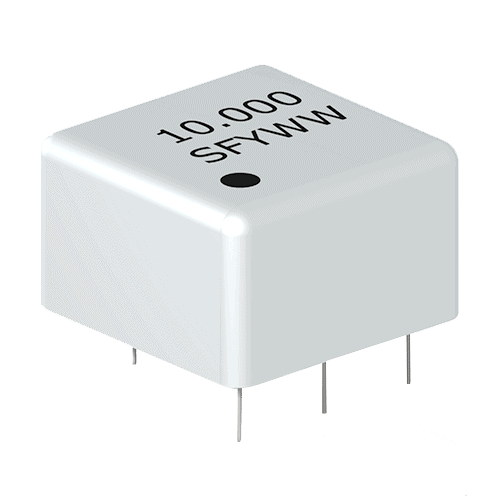 | HCMOS | 38.1mm x 38.1mm DIP OCXO | ±10ppb | 5.0V, 9.0V, 12.0V, 15.0V | 5.000MHz - 100.000MHz | N/A | High Stability, Low Phase Noise | |
| SOC38S | | SINE WAVE | 38.1mm x 38.1mm DIP OCXO | ±10ppb | 5.0V, 9.0V, 12.0V, 15.0V | 5.000MHz - 100.000MHz | N/A | High Stability, Low Phase Noise | |
| SOC50C | 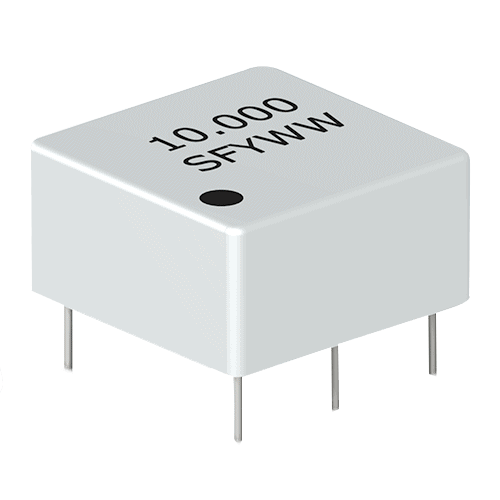 | HCMOS | 50.0mm x 50.0mm DIP OCXO | ±5.0ppb | 5.0V, 9.0V, 12.0V | 5.000MHz - 100.000MHz | N/A | High Stability, Low Phase Noise | |
| SOC50S | | SINE WAVE | 50.0mm x 50.0mm DIP OCXO | ±5.0ppb | 5.0V, 9.0V, 12.0V | 5.000MHz - 100.000MHz | N/A | High Stability, Low Phase Noise | |
Quick Summary
| Features | Benefit | Manufacturing Location(s) | Monthly Capacity |
|---|---|---|---|
| • Tight stability performance (down to 0.05ppm) |
• High stability • Low phase noise • Custom configurations available |
• China • South Korea |
• >200k units |
About OCXO (Oven Controlled Crystal Oscillators)
An oven-controlled crystal oscillator (OCXO) is a precision timing component that encloses a quartz crystal within a temperature-regulated chamber, holding it at a fixed elevated temperature, typically between 75°C and 80°C, to eliminate frequency drift caused by ambient thermal variation. This thermal isolation makes OCXOs the highest-stability option in the crystal oscillator family, offering frequency stabilities as tight as ±800 ppt.
OCXOs are specified in applications where consistent, long-term frequency accuracy is non-negotiable: telecommunications infrastructure, defense electronics, satellite systems, and industrial test and measurement. Their built-in heater and thermal insulation make them physically larger than TCXOs or standard crystal oscillators, but no other crystal-based solution matches their performance under adverse or fluctuating temperature conditions.
Suntsu’s frequency control portfolio spans the full spectrum of timing components. Engineers sourcing complementary devices can explore our crystal oscillators, TCXO, and VCXO offerings, or view the complete frequency control product line.
Types of OCXOs We Offer
Standard OCXOs: Our standard OCXO oscillators ship in through-hole packages and cover a broad range of output frequencies, supply voltages, and logic types. These are suited for production designs requiring proven, catalog-ready high-stability timing without the lead time of a custom build.
High-Stability OCXOs: For applications demanding tighter frequency tolerances, Suntsu offers high-stability OCXO configurations with stability specifications as tight as ±800 ppt. These are commonly used in stratum-level timing systems, GPS disciplining, and military-grade communications hardware. For holdover-capable designs, pair with our Stratum 3/3E oscillators or rubidium oscillators.
Custom-Configured OCXOs: Suntsu supports custom OCXO designs built to application-specific parameters, including non-standard frequencies, voltage requirements, package dimensions, and environmental ratings. Contact our engineering and sales team with your target specifications to initiate a custom quote.
Complementary Timing Devices: When an OCXO is not required, Suntsu offers lower-power alternatives across our crystals, watch crystals, and real-time clocks collections to support the full timing hierarchy of your design.
How to Choose the Right OXCO
Selecting the correct OCXO for your application depends on several technical and operational factors:
- Frequency stability requirement: Determine whether your application requires stability in the ppm or ppt range. OCXOs are the appropriate choice when TCXO-grade stability is insufficient.
- Operating temperature range: Confirm that the OCXO’s oven setpoint exceeds the maximum expected ambient temperature of your deployment environment. If external temperatures approach or exceed the oven temperature, frequency regulation will degrade.
- Output frequency and logic compatibility: Match the OCXO’s nominal output frequency, voltage supply, and logic type (CMOS, LVDS, clipped sine) to your system’s clock input specifications.
- Warm-up time and power budget: OCXOs draw peak power during thermal stabilization, typically a few minutes from a cold start. Confirm your power subsystem can accommodate the inrush before stabilization.
- Custom vs. standard part: If no catalog part meets your frequency, stability, or form factor requirements, Suntsu’s engineering team can develop a custom solution. Provide target specs for frequency, stability, supply voltage, package size, and operating range to begin the process.
How does an OCXO Oscillator work?
An OCXO oscillator maintains temperature stability by running a temperature-controlled chamber. The unit keeps quartz crystals at a constant temperature to avoid any variations in frequency. Given that thermal insulation and a heater are required for the quartz crystals to warm up to temperature, an OCXO is physically larger than other crystal units. The thermal insulation serves as a shield to help protect the OCXO from ambient temperature fluctuations, which is why this premium unit is touted for its precision timing.
Advantages of an OCXO
An OCXO experiences minimal frequency drift while aging, which preserves the integrity of the oscillator. These oscillators allow for precise customization for required frequency levels based simply on the angle of the crystal cuts. In addition, an OCXO does not require an excessive amount of energy to maintain the same frequency once warmed up.

Temperature stability
An OCXO experiences minimal frequency drift while aging, which preserves the integrity of the oscillator. These oscillators allow for precise customization for required frequency levels based simply on the angle of the crystal cuts. In addition, an OCXO does not require an excessive amount of energy to maintain the same frequency once warmed up.

Frequency accuracy
When it comes to frequency accuracy in an oscillator, an OCXO is the reliable choice due to its ability to avoid fluctuations in temperature once the crystal has reached its working temperature. The above-normal working temperature of an OCXO provides frequency stability and can maintain precise levels over a long time and even in adverse temperature conditions.

Overall performance
There is no question that an OCXO is the premium solution for electronics and communications technologies that rely upon precise and stable frequency signals to function properly. High-quality OCXOs deliver stable frequencies and maintain temperatures for an extended time without requiring excessive power consumption.

Power consumption
The most significant source of power consumption while operating an OCXO is in the energy required to warm it up to its working temperature. Fortunately, the OCXO stabilizes after a few moments and resumes typical power consumption. High-efficiency OCXO options are available to enable minimal power consumption and maximum performance quality even with ambient temperature variations.
Synchronizing OCXOs and Clocks
Clocks that maintain a higher degree of frequency are typically used to synchronize OCXOs. If the OCXO and the clock become unlocked or unsynchronized at any point, then the OCXO reverts to its internal controls to maintain stability during what is known as the holdover period. Thus, OCXO clocks perform consistently over time without interruptions in their timekeeping output.
How to improve the performance of an OCXO
The most crucial element in ensuring the precision and stability of a crystal’s frequency is an accurate cut. To maximize the performance of an OCXO, setting regular intervals to recalibrate the OCXO will improve its longevity. Also, the buffering circuitry and assembly of the OCXO should reflect attention to detail so that the components of the OCXO facilitate its stable operating temperature.
Setting the OCXO oven temperature
The typical oven range of temperatures for OCXOs is between 75 and 80 degrees Celsius. Higher temperature ranges may be preferable in certain industrial settings and will depend on the specific application of the OCXO.
Frequently Asked Questions: OCXO
Which oscillator has the best frequency stability?
Quartz crystal oscillators have a long-standing reputation for having the best frequency stability of any other oscillator and have certainly delivered on their promise. Regardless of the inconsistent and unexpected load conditions they may occasionally encounter, quartz crystal oscillators are capable of maintaining the same frequency over time with little to no variations. This is why quartz crystal oscillators are the dependable and proven choice for use in radio transmissions, military communications and other signal technologies that rely on stable and accurate frequencies to operate effectively.
What is the warm-up time of an OCXO?
An OCXO starting at room temperature requires only a few minutes to warm up to the proper temperature before maintaining stability at that precise temperature point. The standard working temperature for an OCXO is around 80 degrees Celsius. An OCXO will maximize its power usage during the warm-up period and later decrease to a lower level once stabilized.
What happens if the external temperature of the OCXO exceeds the maximum operational temperature?
At the point when the external temperature is warmer than the working temperature of an OCXO, it could lose the ability to regulate the oven properly. OCXOs function based on the temperature of the internal crystal being warmer than the maximum operating temperature of the oscillator. As such, the crystal will serve as a temporary source of temperature stability until the external temperature goes down.
What's the difference between an OCXO and rubidium?
A rubidium oscillator uses the output signal of an OCXO to operate an atomic clock. The circuitry contained within an atomic clock is made of rubidium parts that provide the timing accuracy to control the OCXO frequency output. The rubidium oscillator continuously monitors the frequency of the OCXO against its own frequency. When the OCXO frequency varies out of line, the rubidium oscillator puts it back into line so that the atomic clock avoids any disruption in timing.