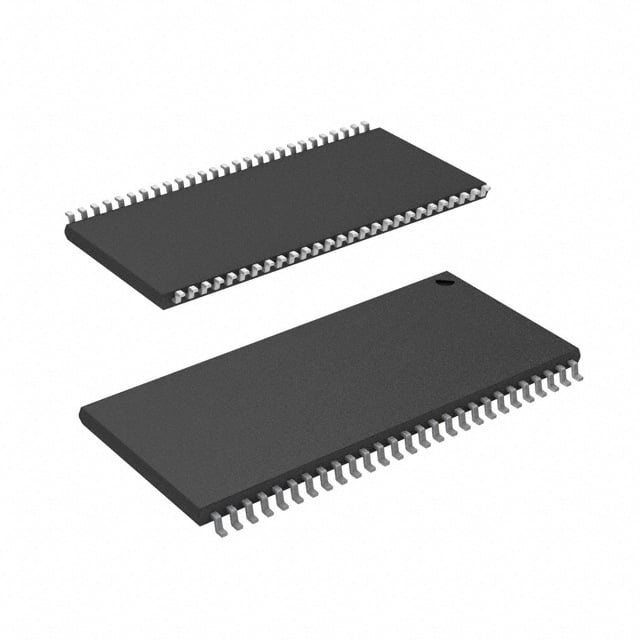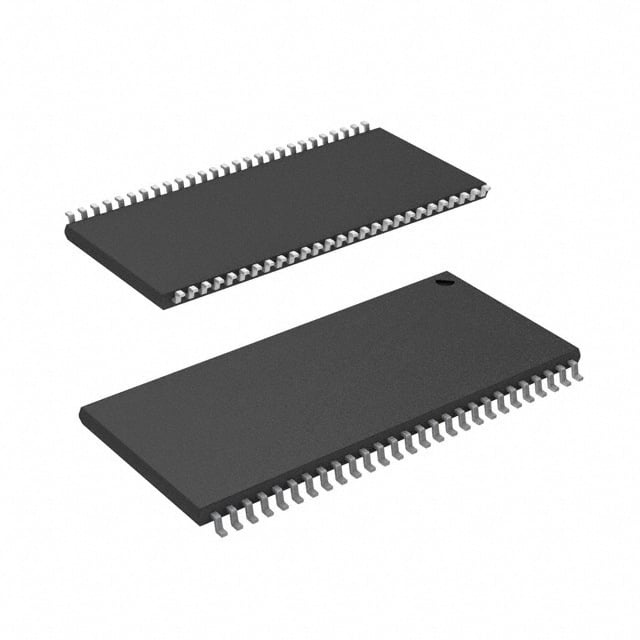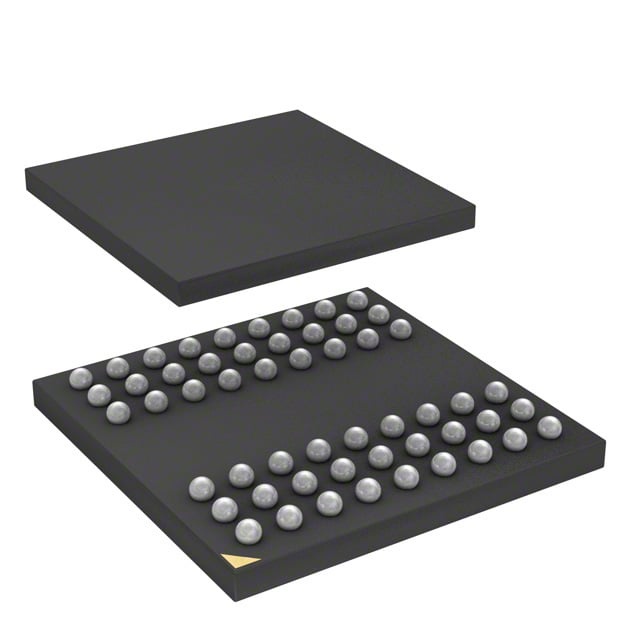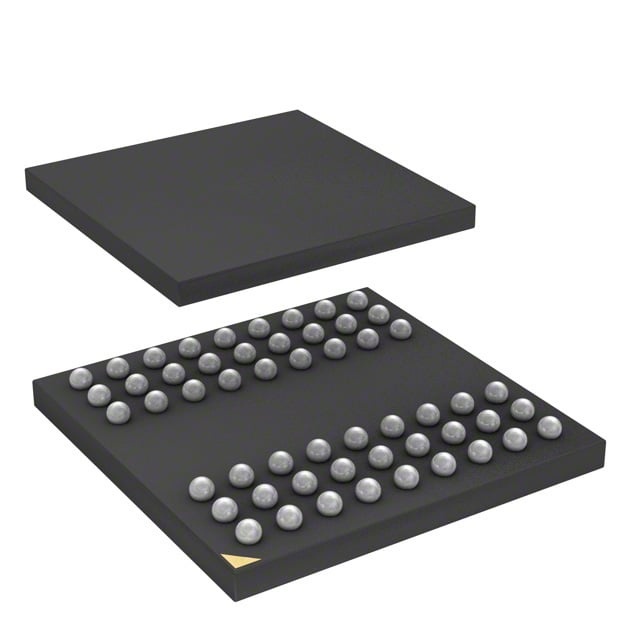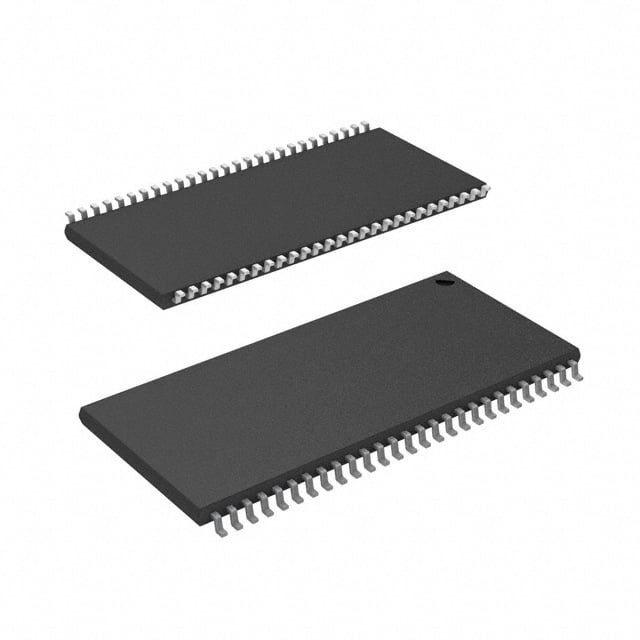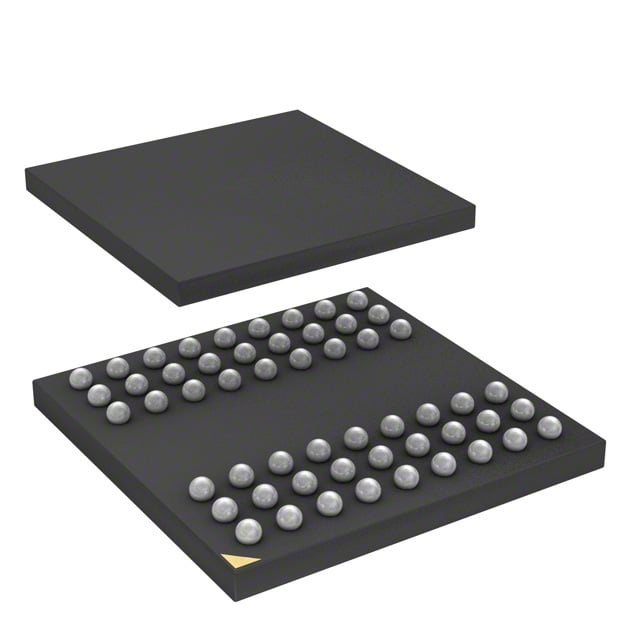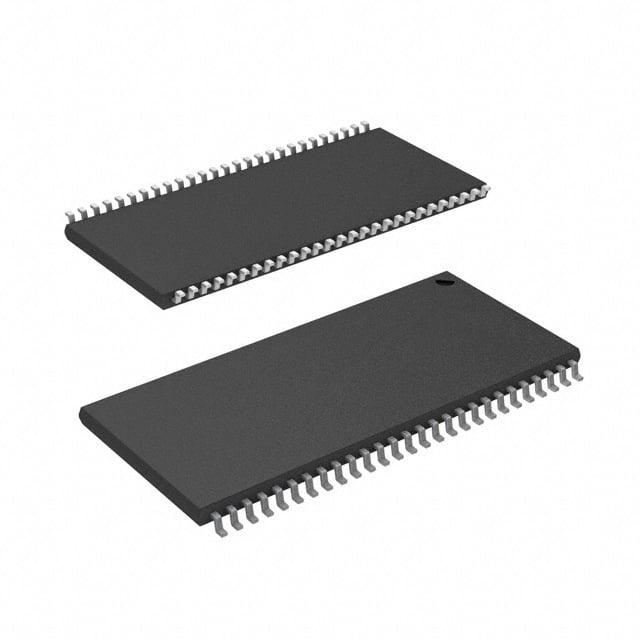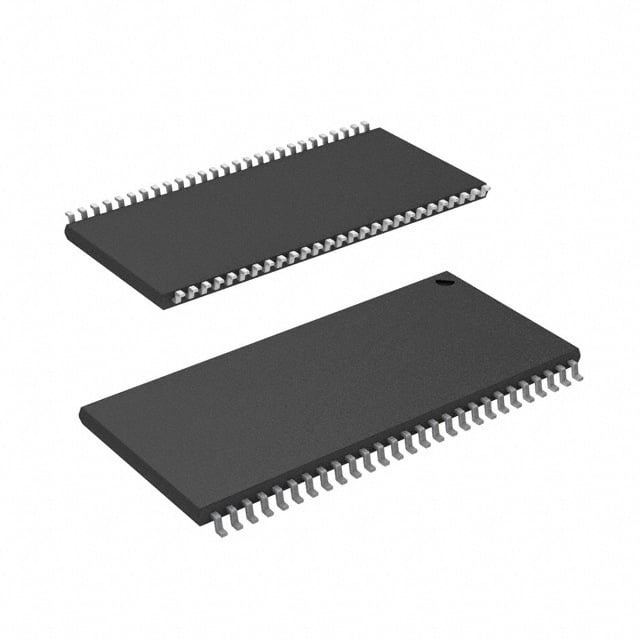
AS4C16M16S-6TCNTR
| Part Description |
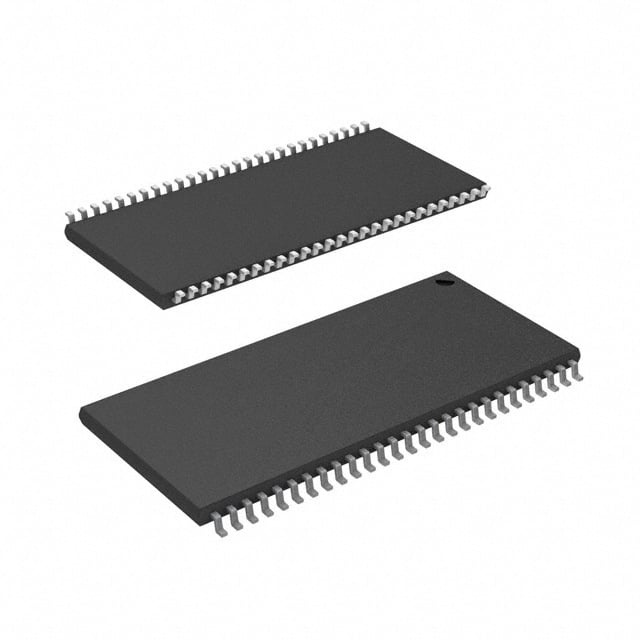
IC DRAM 256MBIT PAR 54TSOP II |
|---|---|
| Quantity | 1,397 Available (as of June 15, 2026) |
| Product Category | Memory |
|---|---|
| Manufacturer | Alliance Memory, Inc. |
| Manufacturing Status | Obsolete |
| Manufacturer Standard Lead Time | Contact Us |
| Datasheet |
Specifications & Environmental
| Device Package | 54-TSOP II | Memory Format | DRAM | Technology | SDRAM | ||
|---|---|---|---|---|---|---|---|
| Memory Size | 256 Mbit | Access Time | 5.4 ns | Grade | Commercial | ||
| Clock Frequency | 166 MHz | Voltage | 3V ~ 3.6V | Memory Type | Volatile | ||
| Operating Temperature | 0°C ~ 70°C (TA) | Write Cycle Time Word Page | 12 ns | Packaging | 54-TSOP (0.400", 10.16mm Width) | ||
| Mounting Method | Volatile | Memory Interface | Parallel | Memory Organization | 16M x 16 | ||
| Moisture Sensitivity Level | 3 (168 Hours) | RoHS Compliance | ROHS3 Compliant | REACH Compliance | REACH Unaffected | ||
| Qualification | N/A | ECCN | EAR99 | HTS Code | 8542.32.0028 |
Overview of AS4C16M16S-6TCNTR - 256Mbit SDRAM Memory IC
The AS4C16M16S-6TCNTR from Alliance Memory is a 256Mbit synchronous DRAM (SDRAM) organized as 16M x 16, designed for embedded systems and computing applications requiring reliable parallel memory access. With a 166MHz clock frequency and 5.4ns access time, this SDRAM delivers dependable performance for standard commercial temperature applications where cost-effective memory expansion is essential.
Key Features
- Memory Architecture - 256Mbit capacity with 16M x 16 organization provides flexible data width for 16-bit bus applications
- Performance Specifications - 166MHz clock frequency with 5.4ns access time and 12ns write cycle time ensures responsive data throughput
- Power Supply - 3V to 3.6V operating voltage compatible with standard 3.3V logic systems
- Package Options - 54-pin TSOP II (10.16mm width) surface mount package designed for space-efficient PCB layouts
- Operating Temperature - Commercial temperature range of 0°C to 70°C (TA) suitable for standard indoor environments
Typical Applications
- Consumer Electronics - This SDRAM provides cost-effective system memory for set-top boxes, digital displays, and entertainment devices where moderate performance meets budget requirements.
- Embedded Computing - Serves as main memory or frame buffer in embedded controllers and single-board computers operating in temperature-controlled environments.
- Networking Equipment - Suitable for packet buffering and data storage in network switches and routers deployed in office or datacenter settings.
- Test and Measurement - Offers reliable data capture and processing memory for benchtop instrumentation operating within standard laboratory conditions.
Unique Advantages
- Cost-Optimized Memory Solution: Standard SDRAM technology reduces BOM costs for budget-conscious designs compared to higher-performance DDR alternatives
- Proven JEDEC-Standard Interface: Parallel SDRAM interface simplifies integration with legacy controllers and reduces firmware development time
- Established Supply Chain: Alliance Memory specialization in memory products supports consistent availability for production planning
- Compact Surface Mount Package: TSOP II footprint minimizes board space while supporting automated assembly processes
Why Choose AS4C16M16S-6TCNTR?
The AS4C16M16S-6TCNTR is positioned for designs requiring straightforward, cost-effective parallel memory where newer DDR technologies would be over-specified. It suits commercial-grade applications operating in controlled environments where the 0°C to 70°C temperature range is adequate. Engineers selecting this component benefit from Alliance Memory's focus on memory product continuity and technical support.
Note: This product has an Obsolete lifecycle status. Designers should confirm availability and plan for potential end-of-life transitions or alternative component sourcing for new designs.
Request a Quote
Contact our sales team to discuss availability, pricing, and technical specifications for the AS4C16M16S-6TCNTR. Our application engineers can help determine if this memory solution meets your design requirements and assist with integration support.