AS4C16M16S-7BCN
| Part Description |
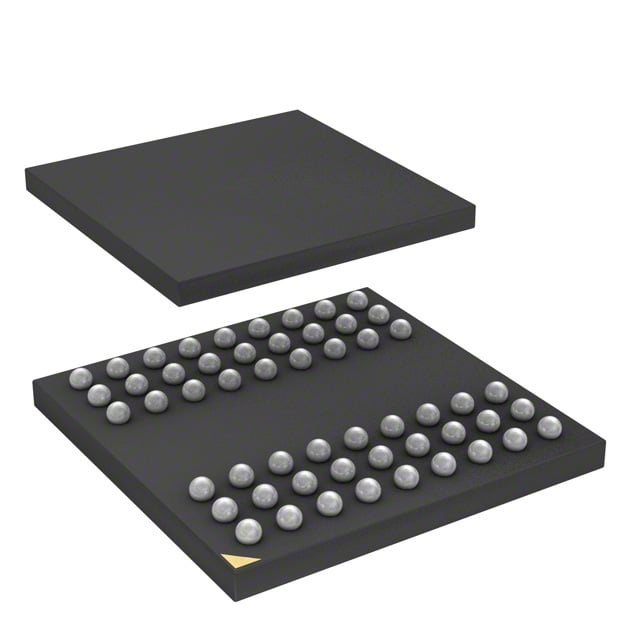
IC DRAM 256MBIT PAR 54TFBGA |
|---|---|
| Quantity | 240 Available (as of June 10, 2026) |
| Product Category | Memory |
|---|---|
| Manufacturer | Alliance Memory, Inc. |
| Manufacturing Status | Obsolete |
| Manufacturer Standard Lead Time | Contact Us |
| Datasheet |
Specifications & Environmental
| Device Package | 54-TFBGA (8x8) | Memory Format | DRAM | Technology | SDRAM | ||
|---|---|---|---|---|---|---|---|
| Memory Size | 256 Mbit | Access Time | 5.4 ns | Grade | Commercial | ||
| Clock Frequency | 143 MHz | Voltage | 3V ~ 3.6V | Memory Type | Volatile | ||
| Operating Temperature | 0°C ~ 70°C (TA) | Write Cycle Time Word Page | 14 ns | Packaging | 54-TFBGA | ||
| Mounting Method | Volatile | Memory Interface | Parallel | Memory Organization | 16M x 16 | ||
| Moisture Sensitivity Level | 3 (168 Hours) | RoHS Compliance | ROHS3 Compliant | REACH Compliance | REACH Unaffected | ||
| Qualification | N/A | ECCN | EAR99 | HTS Code | 8542.32.0024 |
Overview of AS4C16M16S-7BCN - 256Mbit SDRAM in Compact TFBGA Package
The AS4C16M16S-7BCN is a 256-megabit synchronous dynamic RAM (SDRAM) from Alliance Memory, Inc. Built on SDRAM technology, this device features a 16M x 16 memory organization that provides a balance of density and parallelism for embedded applications. Operating at up to 143 MHz, the AS4C16M16S-7BCN delivers reliable parallel memory access for systems requiring moderate bandwidth and compact footprints.
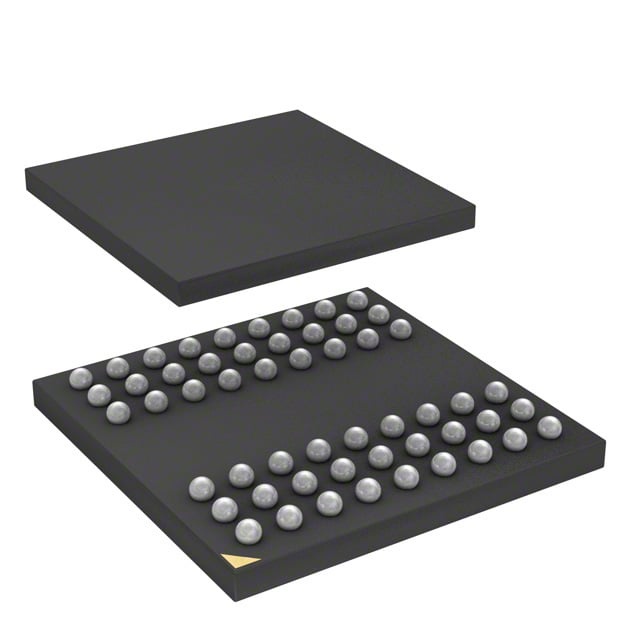
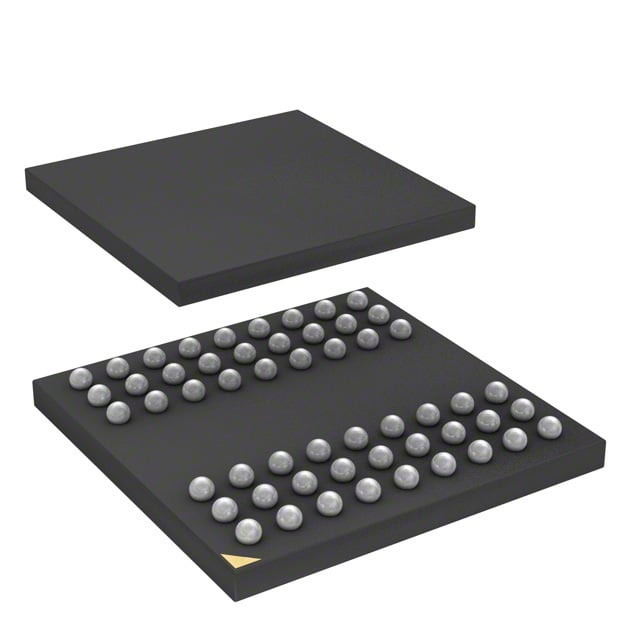
This DRAM is housed in a 54-pin TFBGA package measuring 8mm x 8mm, making it an ideal choice for space-constrained designs where board area is at a premium. The device operates from a standard 3V to 3.6V supply and supports commercial temperature ranges from 0°C to 70°C.
Key Features
- Memory Capacity and Organization - 256 megabits organized as 16M x 16, providing 32 megabytes of volatile storage with 16-bit parallel data width for efficient data transfers.
- SDRAM Performance - Synchronous architecture with 143 MHz clock frequency and 5.4 ns access time enables predictable, pipeline-friendly memory operations.
- Write Cycle Efficiency - 14 ns write cycle time supports rapid data updates in buffering and caching applications.
- Compact Package - 54-pin TFBGA in an 8mm x 8mm footprint minimizes PCB area while maintaining parallel interface convenience.
- Standard Power Supply - 3V to 3.6V operation simplifies integration with common 3.3V logic families and reduces power supply complexity.
- Commercial Temperature Range - 0°C to 70°C operating range suits indoor and controlled-environment applications.
Typical Applications
- Consumer Electronics - This SDRAM serves as working memory in set-top boxes, digital TVs, and media players where its compact footprint and standard voltage operation align well with cost-sensitive designs requiring moderate memory bandwidth.
- Networking Equipment - The AS4C16M16S-7BCN provides packet buffering and routing table storage in switches and routers operating in temperature-controlled environments, where its 143 MHz operation supports data throughput requirements.
- Industrial Controllers - This memory device supports program execution and data logging in programmable logic controllers (PLCs) and industrial computers deployed in climate-controlled facilities within the 0°C to 70°C range.
- Point-of-Sale Systems - The parallel interface and moderate density make this SDRAM suitable for POS terminals and kiosks where real-time transaction processing benefits from predictable synchronous access patterns.
- Office Equipment - Printers, scanners, and multifunction devices leverage this DRAM for image buffering and processing tasks where the compact package helps maintain slim product profiles.
Unique Advantages
- Space-Efficient Memory Density: The 8mm x 8mm TFBGA package delivers 256 megabits in a footprint that reduces PCB area requirements by 30-40% compared to larger TSOP packages, lowering material costs and enabling more compact product designs.
- Simplified BOM with Standard Voltage: 3.3V nominal operation eliminates the need for additional voltage regulators or level shifters when interfacing with standard logic families, reducing component count and design complexity.
- Predictable Performance: Synchronous operation with defined clock rates simplifies timing analysis and system design compared to asynchronous memories, reducing development time and improving system reliability.
- Proven SDRAM Technology: Mature SDRAM architecture offers well-understood design practices, extensive software support, and broad ecosystem compatibility, minimizing integration risks.
- Parallel Interface Convenience: Direct parallel memory access avoids the protocol overhead of serial interfaces, simplifying firmware and enabling straightforward memory controller designs.
- Cost-Effective for Commercial Applications: Commercial temperature rating and standard packaging keep unit costs low for volume applications that operate in controlled environments.
Why Choose AS4C16M16S-7BCN?
The AS4C16M16S-7BCN positions itself as a practical memory solution for commercial designs where board space, power efficiency, and cost control are key priorities. Its compact TFBGA package and standard 3.3V operation make it particularly well-suited for consumer electronics, office equipment, and networking applications where designers need to maximize functionality within constrained physical and budgetary limits. The synchronous architecture provides predictable timing characteristics that simplify system integration and reduce time-to-market.
For engineers working on commercial-grade products that require moderate memory bandwidth in small form factors, the AS4C16M16S-7BCN offers a balance of density, performance, and package efficiency. Its use of mature SDRAM technology provides access to extensive design resources and proven reliability, while the parallel interface ensures straightforward integration with existing memory controller designs.
Get a Quote Today
Contact our sales team to discuss your memory requirements and receive pricing for the AS4C16M16S-7BCN. Our technical support staff can assist with design integration, reference schematics, and application guidance to help you successfully incorporate this SDRAM into your next project.