AS4C16M16SA-6TCNTR
| Part Description |
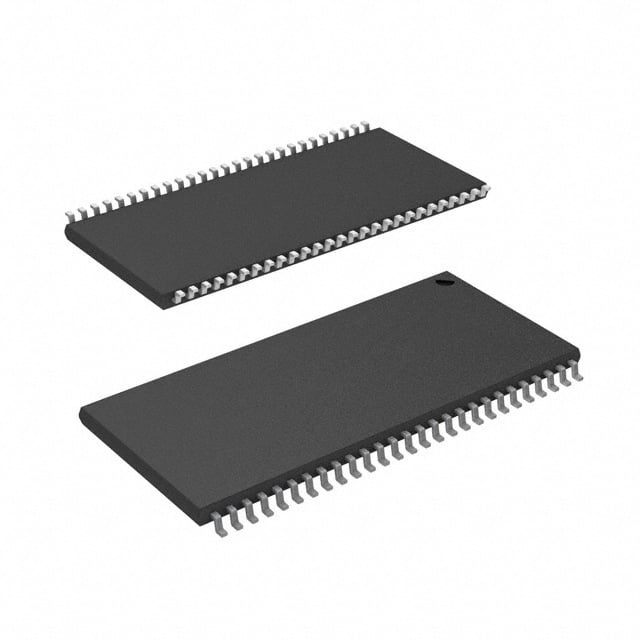
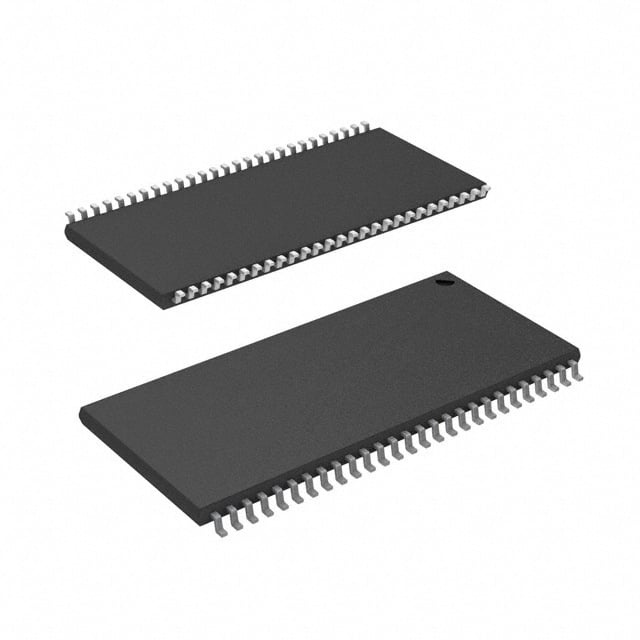
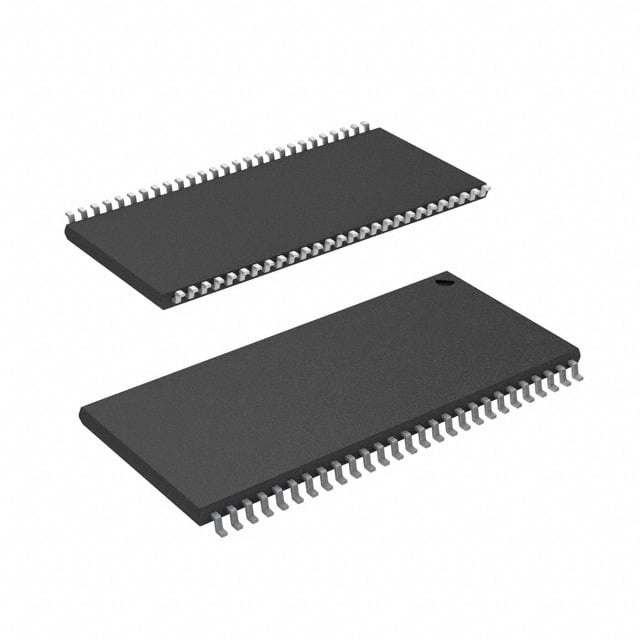
IC DRAM 256MBIT PAR 54TSOP II |
|---|---|
| Quantity | 1,742 Available (as of June 9, 2026) |
| Product Category | Memory |
|---|---|
| Manufacturer | Alliance Memory, Inc. |
| Manufacturing Status | Active |
| Manufacturer Standard Lead Time | 8 Weeks |
| Datasheet |
Specifications & Environmental
| Device Package | 54-TSOP II | Memory Format | DRAM | Technology | SDRAM | ||
|---|---|---|---|---|---|---|---|
| Memory Size | 256 Mbit | Access Time | 5 ns | Grade | Commercial | ||
| Clock Frequency | 166 MHz | Voltage | 3V ~ 3.6V | Memory Type | Volatile | ||
| Operating Temperature | 0°C ~ 70°C (TA) | Write Cycle Time Word Page | 12 ns | Packaging | 54-TSOP (0.400", 10.16mm Width) | ||
| Mounting Method | Volatile | Memory Interface | Parallel | Memory Organization | 16M x 16 | ||
| Moisture Sensitivity Level | 3 (168 Hours) | RoHS Compliance | ROHS3 Compliant | REACH Compliance | REACH Unaffected | ||
| Qualification | N/A | ECCN | EAR99 | HTS Code | 8542.32.0024 |
Overview of AS4C16M16SA-6TCNTR - 256Mbit SDRAM IC
The AS4C16M16SA-6TCNTR is a 256Mbit synchronous dynamic RAM (SDRAM) from Alliance Memory, Inc., organized as 16M x 16 with a parallel interface. Operating at clock frequencies up to 166MHz, this SDRAM delivers reliable volatile memory performance for commercial applications requiring moderate speed and density. With a 5ns access time and standard 3V to 3.6V supply voltage, it provides a cost-effective memory solution for embedded systems, industrial equipment, and general-purpose computing applications.
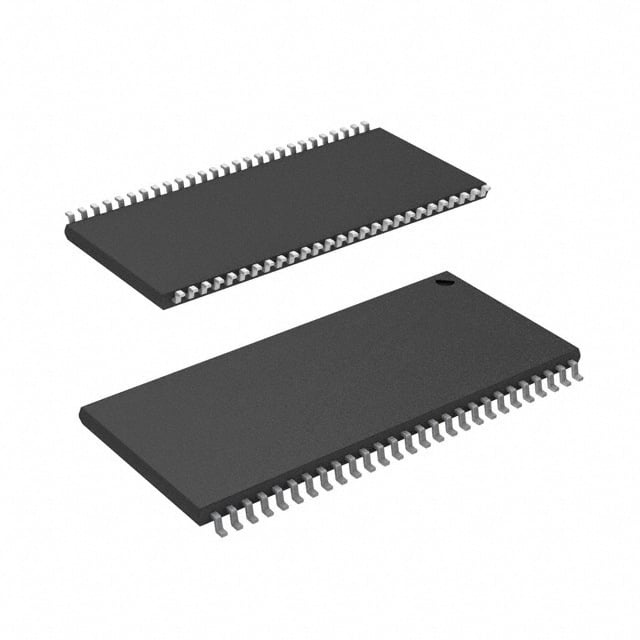
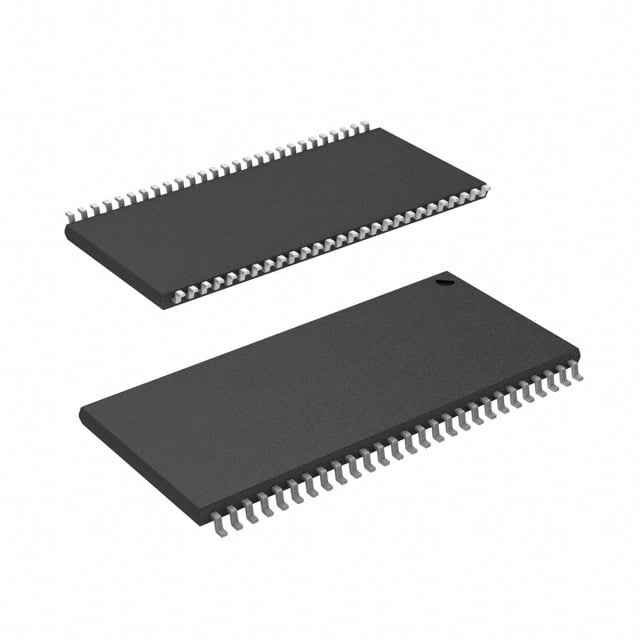
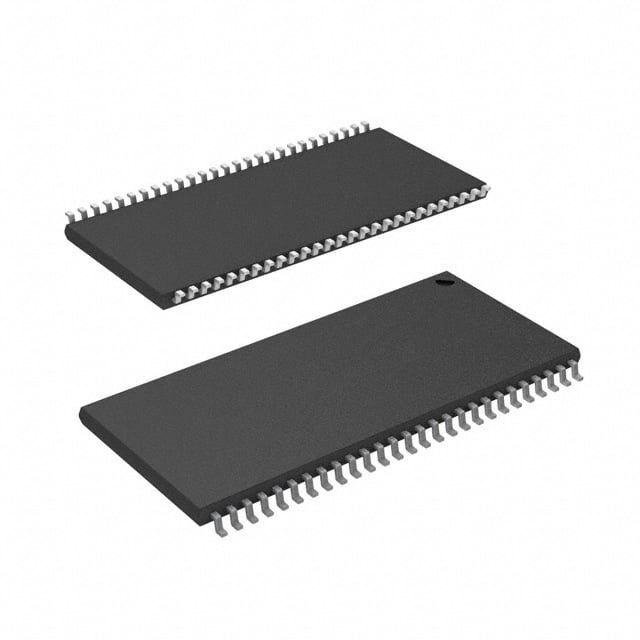
Packaged in a 54-pin TSOP II form factor, this device is suitable for designs where PCB space efficiency and thermal management are important considerations.
Key Features
- 256Mbit Memory Density - Organized as 16M x 16, providing sufficient capacity for buffering, data caching, and program execution in embedded systems.
- 166MHz Clock Frequency - Supports clock speeds up to 166MHz with a 5ns access time, enabling responsive data throughput for real-time processing tasks.
- Parallel Interface - Standard SDRAM parallel interface simplifies integration with microprocessors, FPGAs, and controllers that support synchronous memory protocols.
- 3V to 3.6V Operation - Compatible with common 3.3V logic levels, reducing the need for level shifters and simplifying power supply design.
- 54-TSOP II Package - Compact 10.16mm width footprint balances pin count with board area, suitable for medium-density designs.
- Commercial Temperature Range - Operates from 0°C to 70°C, appropriate for indoor and controlled-environment applications.
Typical Applications
- Embedded Computing Systems - This SDRAM serves as main system memory for microprocessor-based designs where moderate clock speeds and 256Mbit capacity align with application requirements, such as medical devices, test equipment, and control panels.
- Consumer Electronics - Provides volatile memory for set-top boxes, digital TVs, and home appliances where cost-effective SDRAM solutions are preferred over higher-speed DDR alternatives.
- Industrial Control Equipment - Supports data buffering and program execution in PLCs, HMIs, and factory automation systems operating within the 0°C to 70°C temperature range.
- Networking and Telecommunications - Acts as packet buffer memory or temporary data storage in routers, switches, and communication modules where parallel SDRAM interfaces remain common.
- Legacy System Upgrades - Enables memory expansion or replacement in existing designs originally specified with 256Mbit SDRAM components, maintaining compatibility with established architectures.
Unique Advantages
- Standard SDRAM Architecture: Leverages well-established synchronous DRAM technology with broad controller support, reducing design risk and accelerating time-to-market.
- Proven 16M x 16 Organization: Common memory configuration simplifies address and data bus routing, particularly in 16-bit processor architectures.
- Single 3.3V Supply: Eliminates the need for multiple voltage rails, reducing BOM complexity and lowering power supply design effort.
- Active Lifecycle Status: Ensures ongoing availability for production and long-term service, minimizing obsolescence concerns for commercial products.
- Cost-Optimized Solution: Delivers essential SDRAM performance at a competitive price point for applications that do not require high-speed DDR memory.
- 12ns Write Cycle Time: Provides adequate write performance for buffering and data logging tasks in real-time embedded applications.
Why Choose AS4C16M16SA-6TCNTR?
The AS4C16M16SA-6TCNTR is positioned for designers seeking reliable, mainstream SDRAM performance without the cost premium of advanced DDR technologies. Its 166MHz operation and 5ns access time address the needs of commercial and industrial systems where moderate speed and proven technology are more important than cutting-edge performance. The 54-TSOP II package offers a practical balance between pin density and thermal characteristics for medium-complexity boards.
This component is ideal for cost-conscious designs, legacy system support, and applications where SDRAM remains the memory standard. With active lifecycle status from Alliance Memory, engineers can specify this part with confidence for both new designs and ongoing production.
Get a Quote
Contact our sales team to request pricing and availability for the AS4C16M16SA-6TCNTR. We can provide volume quotes, lead time information, and technical support to help you integrate this SDRAM into your design.