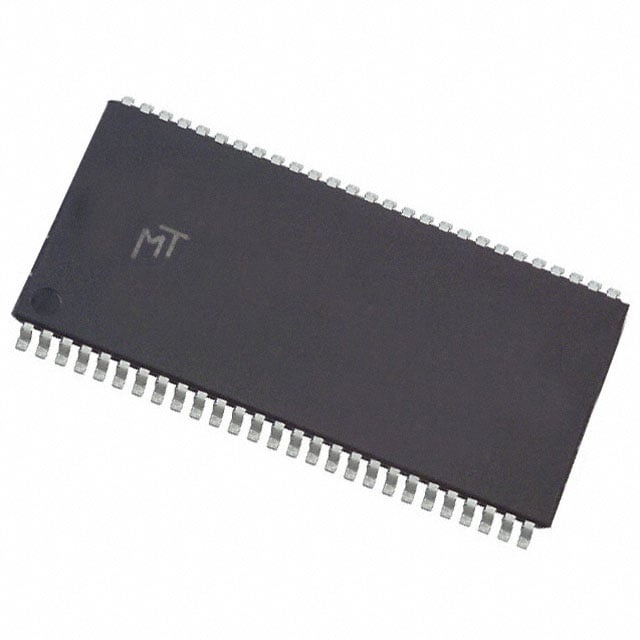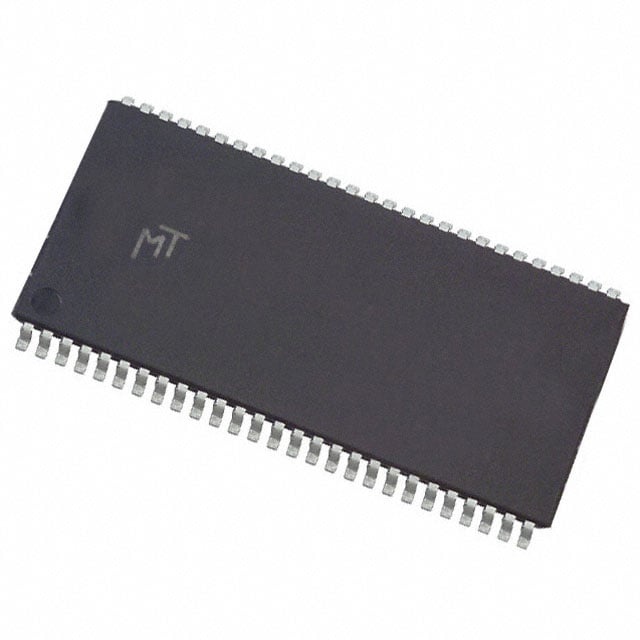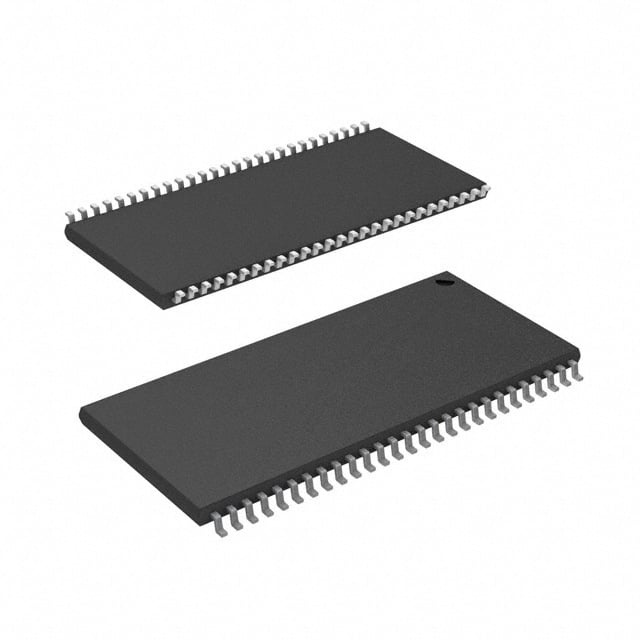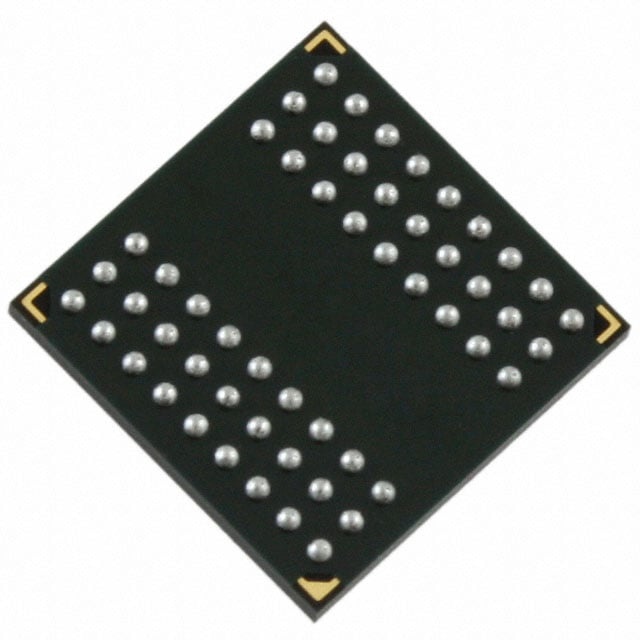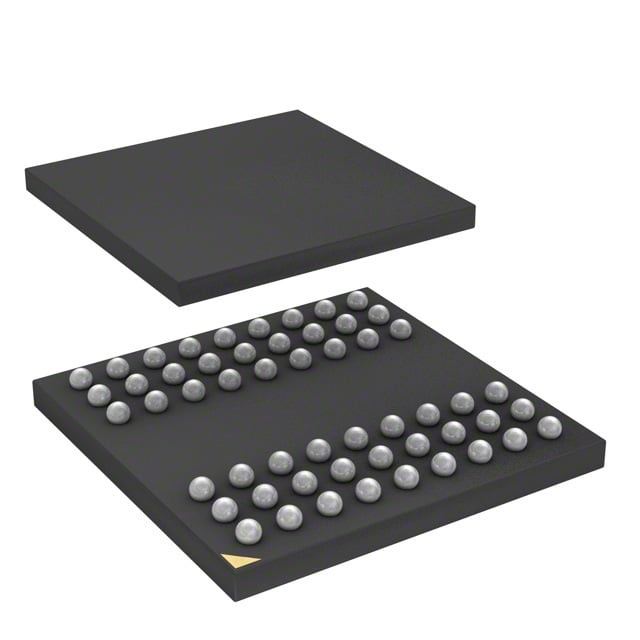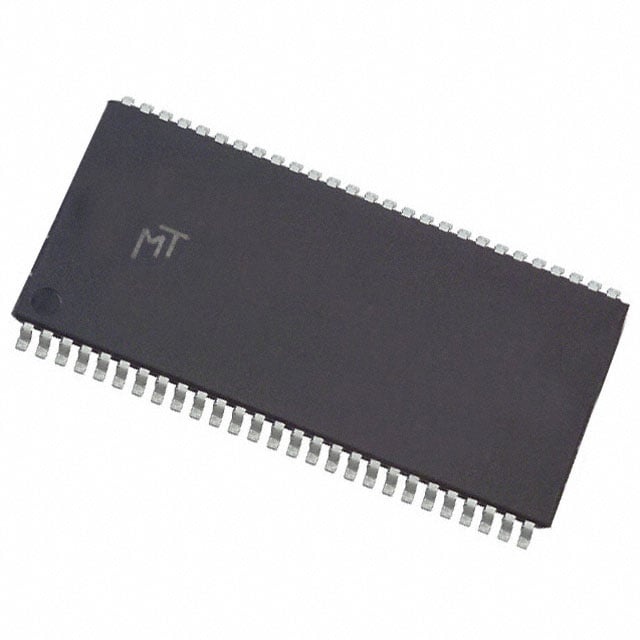
MT48LC64M8A2TG-75:IT:C
| Part Description |
IC DRAM 512MBIT PAR 54TSOP II |
|---|---|
| Quantity | 1,084 Available (as of June 15, 2026) |
| Product Category | Memory |
|---|---|
| Manufacturer | Alliance Memory, Inc. |
| Manufacturing Status | Active |
| Manufacturer Standard Lead Time | 8 Weeks |
| Datasheet |
Specifications & Environmental
| Device Package | 54-TSOP II | Memory Format | DRAM | Technology | SDRAM | ||
|---|---|---|---|---|---|---|---|
| Memory Size | 512 Mbit | Access Time | 5.4 ns | Grade | Industrial | ||
| Clock Frequency | 133 MHz | Voltage | 3V ~ 3.6V | Memory Type | Volatile | ||
| Operating Temperature | -40°C ~ 85°C (TA) | Write Cycle Time Word Page | 15 ns | Packaging | 54-TSOP (0.400", 10.16mm Width) | ||
| Mounting Method | Volatile | Memory Interface | Parallel | Memory Organization | 64M x 8 | ||
| Moisture Sensitivity Level | 3 (168 Hours) | RoHS Compliance | RoHS non-compliant | REACH Compliance | REACH Unaffected | ||
| Qualification | N/A | ECCN | EAR99 | HTS Code | 8542.32.0028 |
Overview of MT48LC64M8A2TG-75:IT:C - 512Mbit SDRAM with Industrial Temperature Range
The MT48LC64M8A2TG-75:IT:C is a 512Mbit synchronous dynamic random access memory (SDRAM) designed for applications requiring reliable parallel memory access. With a 64M x 8 organization and 133MHz clock frequency, this DRAM provides fast, cost-effective volatile memory storage for embedded systems, industrial equipment, and consumer electronics.
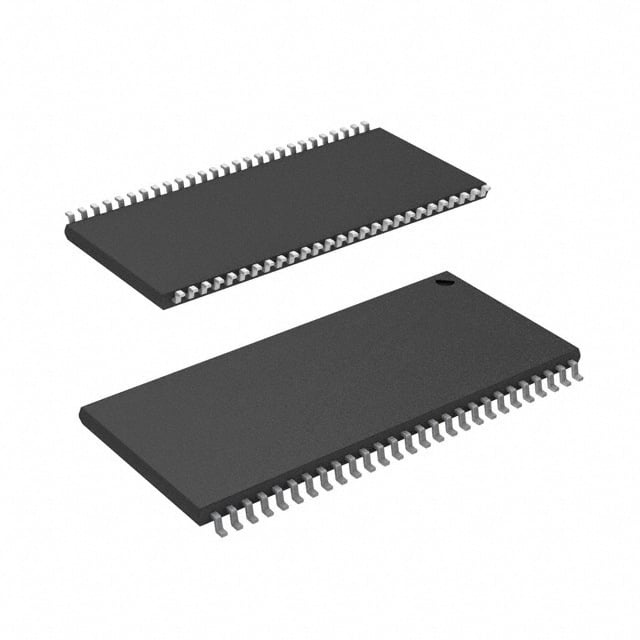
Built to operate across an industrial temperature range of -40°C to 85°C, this component delivers consistent performance in demanding environments. The 54-TSOP II package offers a space-efficient footprint while maintaining compatibility with standard PCB assembly processes.
Key Features
- Memory Architecture - 512Mbit capacity organized as 64M x 8, providing flexible data width for byte-oriented applications and efficient memory mapping in embedded designs.
- High-Speed Operation - 133MHz clock frequency with 5.4ns access time enables rapid data transfers for real-time processing and high-throughput applications.
- Parallel Interface - Direct parallel connectivity simplifies integration with microcontrollers, FPGAs, and processors without requiring complex serial protocol implementations.
- Power Supply - 3V to 3.6V operating voltage aligns with standard low-power digital logic levels, reducing power consumption and heat generation.
- Industrial Temperature Range - -40°C to 85°C (TA) operation ensures reliable functionality in harsh environmental conditions including automotive, industrial automation, and outdoor installations.
- Standard Package - 54-TSOP II (10.16mm width) form factor provides a proven, manufacturable surface-mount solution with good thermal characteristics.
Typical Applications
- Industrial Control Systems - This SDRAM serves as working memory for PLCs, motion controllers, and process automation equipment where the extended temperature range ensures continuous operation in factory floor environments subject to temperature fluctuations.
- Embedded Computing - The parallel interface and 133MHz operation make this memory well-suited for embedded processors and microcontrollers that require fast, direct memory access for buffering, data logging, and computational tasks.
- Test and Measurement Equipment - High-speed data acquisition systems use this DRAM to buffer samples from ADCs and sensors, with the 512Mbit capacity providing sufficient depth for waveform capture and analysis applications.
- Communications Infrastructure - Networking equipment and telecommunications devices leverage this memory for packet buffering and routing table storage, where the industrial temperature rating supports deployment in outdoor cabinets and uncontrolled environments.
- Consumer Electronics - Set-top boxes, digital displays, and multimedia devices utilize this SDRAM for frame buffers and temporary data storage, benefiting from the balance of capacity, speed, and cost-effectiveness.
Unique Advantages
- Extended Temperature Tolerance: The -40°C to 85°C operating range eliminates the need for environmental controls in many installations, reducing system complexity and lowering total cost of ownership.
- Proven SDRAM Technology: Synchronous DRAM architecture offers predictable timing characteristics and straightforward controller implementation compared to newer memory technologies, accelerating development cycles.
- Cost-Effective Memory Density: The 512Mbit capacity hits a sweet spot for many embedded applications, providing ample storage without the premium pricing of larger density parts.
- Direct Parallel Access: Byte-wide parallel interface reduces latency and simplifies firmware development compared to serial memory interfaces, particularly valuable in real-time control applications.
- Standard Footprint: The 54-TSOP II package is widely supported by assembly equipment and maintains compatibility with existing PCB layouts, facilitating design updates and second-source options.
- Active Lifecycle Status: Ongoing production availability reduces supply chain risk and supports long product lifecycles typical in industrial and infrastructure applications.
Why Choose MT48LC64M8A2TG-75:IT:C?
This SDRAM is an ideal choice for designers building industrial equipment, embedded systems, and infrastructure products that require reliable memory performance across wide temperature ranges. The combination of 133MHz operation, 512Mbit capacity, and industrial temperature rating addresses the core requirements of applications where memory must perform consistently in uncontrolled environments.
For systems that prioritize proven technology, straightforward integration, and long-term availability, the MT48LC64M8A2TG-75:IT:C delivers dependable performance without the complexity or cost of cutting-edge memory technologies. Its active lifecycle status and standard packaging support designs with multi-year production horizons.
Get a Quote
Contact our sales team to discuss your memory requirements and receive pricing for the MT48LC64M8A2TG-75:IT:C. Our technical support staff can assist with integration questions, timing analysis, and design recommendations to ensure optimal performance in your application.