
EP2C5T144I8
| Part Description |
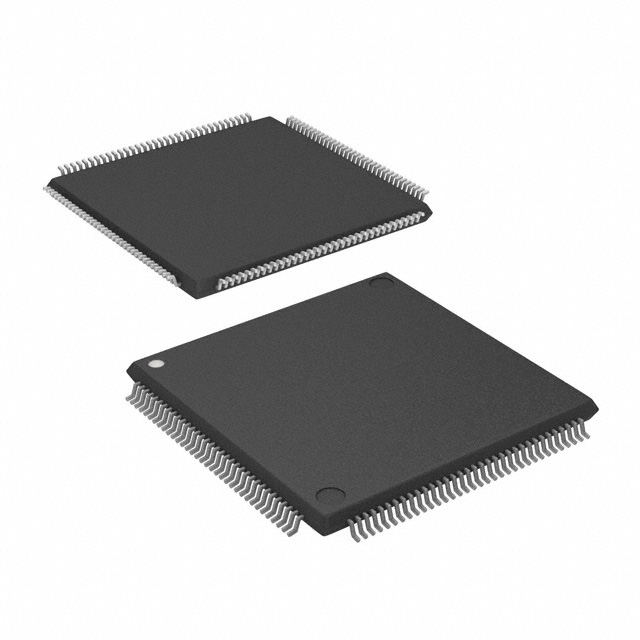
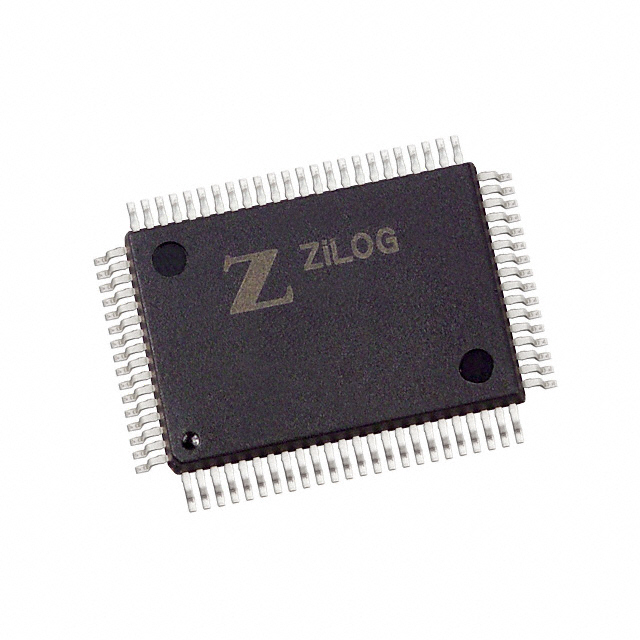
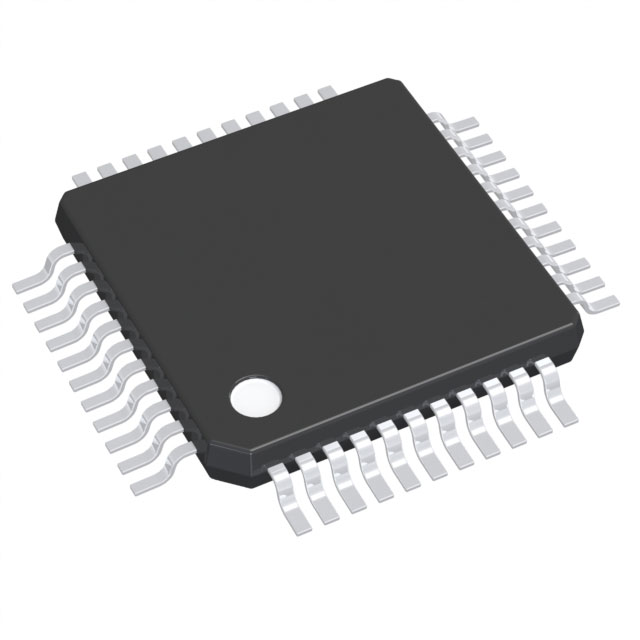
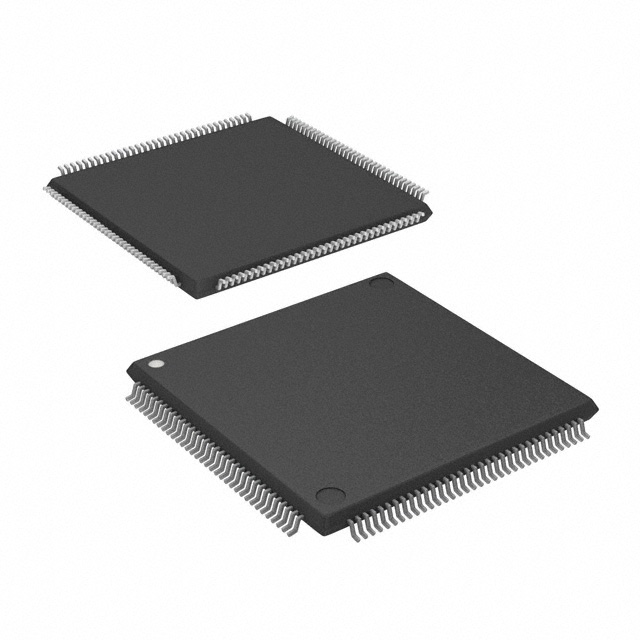
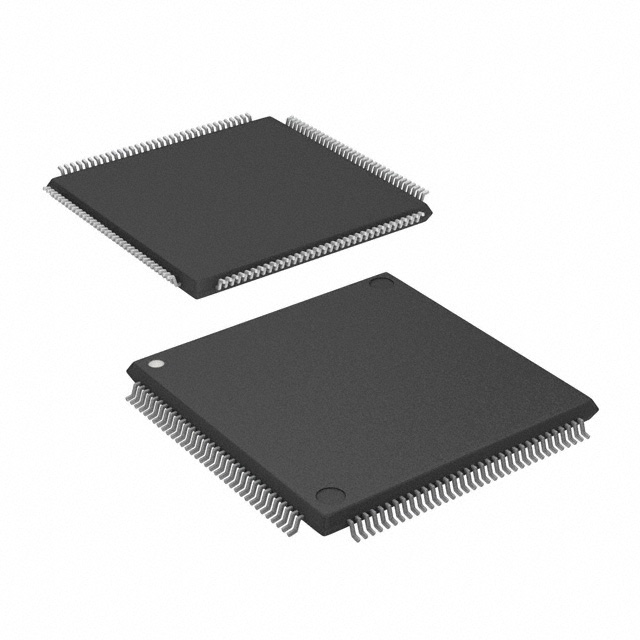
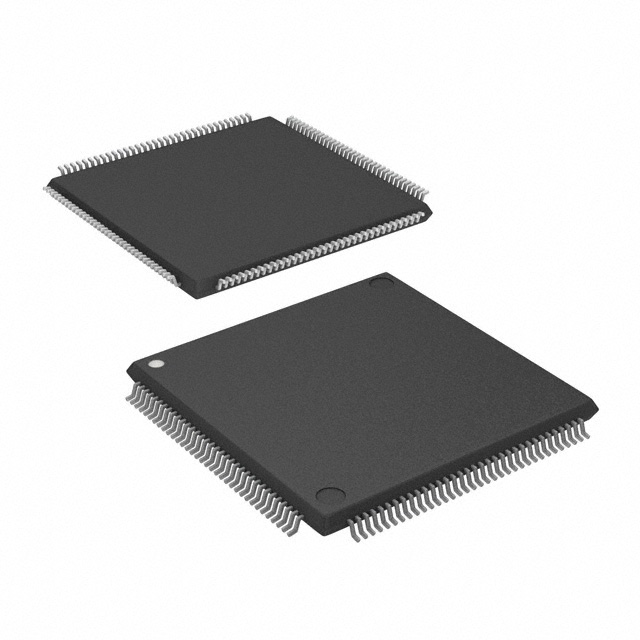
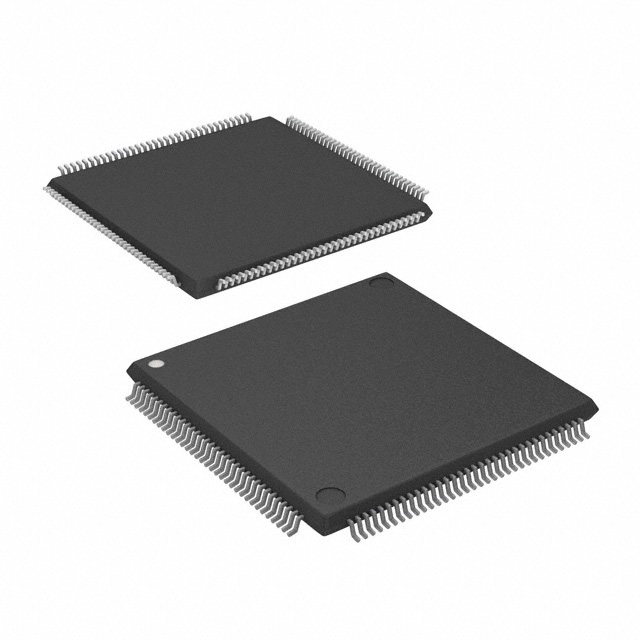
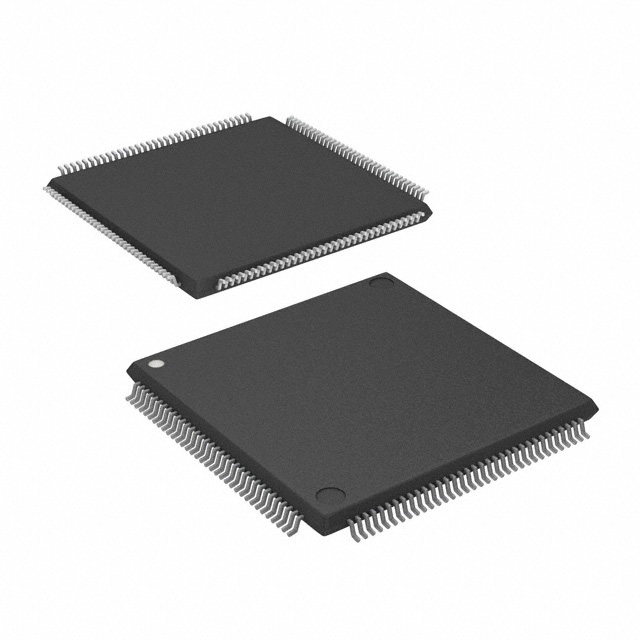
Cyclone® II Field Programmable Gate Array (FPGA) IC 89 119808 4608 144-LQFP |
|---|---|
| Quantity | 450 Available (as of October 7, 2026) |
| Product Category | Field Programmable Gate Array (FPGA) |
|---|---|
| Manufacturer | Intel |
| Manufacturing Status | Last Time Buy |
| Manufacturer Standard Lead Time | 8 Weeks |
| Datasheet |
Specifications & Environmental
| Device Package | 144-TQFP (20x20) | Grade | Industrial | Operating Temperature | -40°C – 100°C | ||
|---|---|---|---|---|---|---|---|
| Package / Case | 144-LQFP | Number of I/O | 89 | Voltage | 1.15 V - 1.25 V | ||
| Mounting Method | Surface Mount | RoHS Compliance | RoHS non-compliant | REACH Compliance | REACH Unaffected | ||
| Moisture Sensitivity Level | 3 (168 Hours) | Number of LABs/CLBs | 288 | Number of Logic Elements/Cells | 4608 | ||
| Number of Gates | N/A | ECCN | 3A991D | HTS Code | 8542.39.0001 | ||
| Qualification | N/A | Total RAM Bits | 119808 |
Overview of EP2C5T144I8 – Cyclone® II FPGA, 4,608 Logic Elements, ~0.12 Mbits RAM, 144-LQFP
The EP2C5T144I8 is a Cyclone® II field-programmable gate array (FPGA) in a 144-LQFP package designed for low-cost embedded processing and DSP-oriented solutions. It implements the Cyclone II architecture and provides a balance of programmable logic, on-chip memory, and I/O resources for space- and cost-conscious designs.
Key device characteristics include 4,608 logic elements, approximately 119,808 bits of embedded memory, 89 user I/Os, a core supply range of 1.15 V to 1.25 V, and an industrial operating temperature range of −40 °C to 100 °C—attributes suited to a range of embedded and industrial applications.
Key Features
- Core Logic 4,608 logic elements implementing the Cyclone II architecture for combinational and sequential logic functions.
- Embedded Memory Approximately 119,808 bits of on-chip RAM (≈0.12 Mbits) for local buffering, FIFOs, and small frame storage.
- I/O Count & Flexibility 89 general-purpose I/O pins in multiple banks; architecture-level I/O features in the Cyclone II family include multi-volt I/O support and programmable drive/slew characteristics.
- Clocking and DSP Support Cyclone II family features such as a global clock network, phase-locked loops (PLLs), and embedded multiplier support are available for synchronized designs and DSP operations.
- Configuration & Test On-chip configuration and testing support from the Cyclone II device handbook, including JTAG boundary-scan and documented configuration schemes.
- Power Supply Core supply operation from 1.15 V to 1.25 V to match Cyclone II device requirements.
- Package & Mounting 144-pin LQFP package (supplier device package listed as 144-TQFP, 20 × 20 mm) for surface-mount PCB assembly.
- Industrial Temperature Rating Rated for operation from −40 °C to 100 °C, supporting deployment in industrial environments.
- Environmental Compliance RoHS-compliant construction.
Typical Applications
- Low-cost embedded processing — Implement control logic, protocol handling, or glue logic in cost-sensitive embedded systems using on-chip logic and memory.
- Low-cost DSP solutions — Leverage Cyclone II family DSP-oriented features (embedded multipliers and clocking resources) for signal-processing tasks at modest performance and cost targets.
- Industrial control and automation — Industrial-grade temperature range and flexible I/O make the device suitable for factory automation, motor control interfaces, and machine control logic.
- External memory interfacing and protocol bridging — Use the Cyclone II architecture’s external memory interfacing capabilities and I/O features to bridge buses or manage external memories.
- Communications and high-speed interfaces — Architecture-level support for high-speed differential I/O and timing resources helps implement serial links and interface controllers.
Unique Advantages
- Balanced logic and on-chip RAM: 4,608 logic elements with approximately 119,808 bits of embedded memory provides a compact platform for integrating control, buffering, and state machines on a single device.
- Industrial-capable operation: −40 °C to 100 °C operating range enables designs that must tolerate wider temperature swings typical of industrial deployments.
- Compact surface-mount package: 144-LQFP (144-TQFP, 20 × 20 mm) offers a small-footprint option for space-constrained PCBs while preserving a generous I/O count.
- Low-voltage core compatibility: 1.15–1.25 V core supply aligns with Cyclone II power domains and system-level power planning.
- Family-level clocking and DSP features: Cyclone II device handbook documents global clock networks, PLLs, and embedded multiplier support to streamline timing and DSP implementations.
- Documented configuration and test support: Device handbook chapters on configuration, JTAG boundary-scan, and hot-socketing/power-on reset provide design and test guidance.
- RoHS compliance: Environmentally compliant construction supports regulatory requirements for many electronics assemblies.
Why Choose EP2C5T144I8?
The EP2C5T144I8 delivers a practical balance of programmable logic, embedded memory, and I/O resources in a compact 144-pin LQFP package. Its Cyclone II architecture features—documented support for global clocking, PLLs, embedded multipliers, and configurable I/O—make it well suited to cost-sensitive embedded processing and DSP-focused designs that require industrial temperature operation.
This device is appropriate for engineering teams building space- and cost-efficient control, interface, and signal-processing subsystems who value clear device documentation and family-level design resources. Its combination of logic density, embedded RAM, and I/O flexibility supports scalable prototyping and production deployments within the Cyclone II product family.
Request a quote or submit a sales inquiry to evaluate the EP2C5T144I8 for your next embedded or industrial FPGA design.














Date Founded: 1968
Headquarters: Santa Clara, California, USA
Employees: 130,000+
Revenue: $54.23 Billion
Certifications and Memberships: ISO9001:2015, ISO14001:2015, ISO17025:2017, ISO27001:2022, ISO45001:2018, ISO50001:2018


