
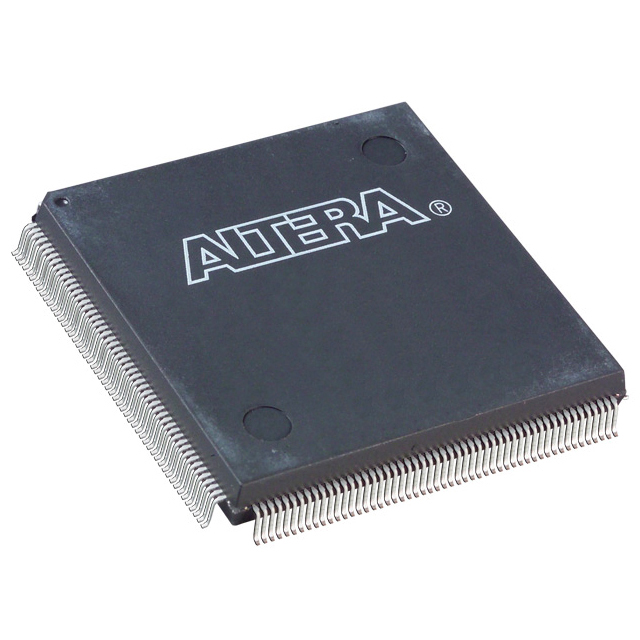
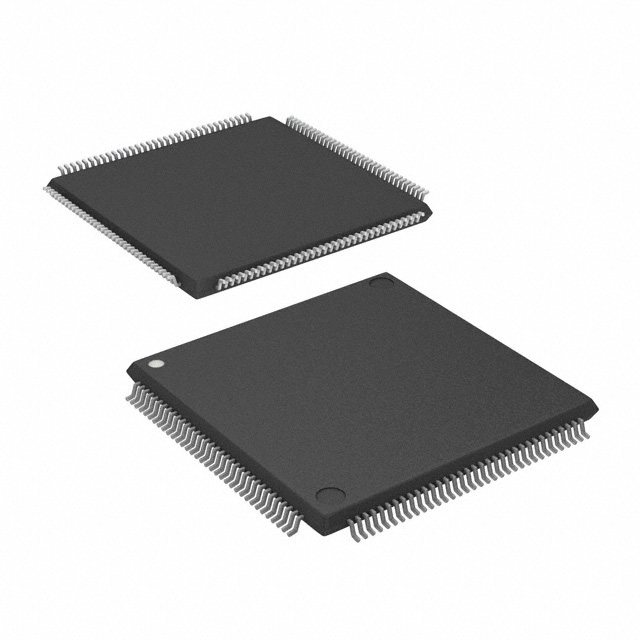
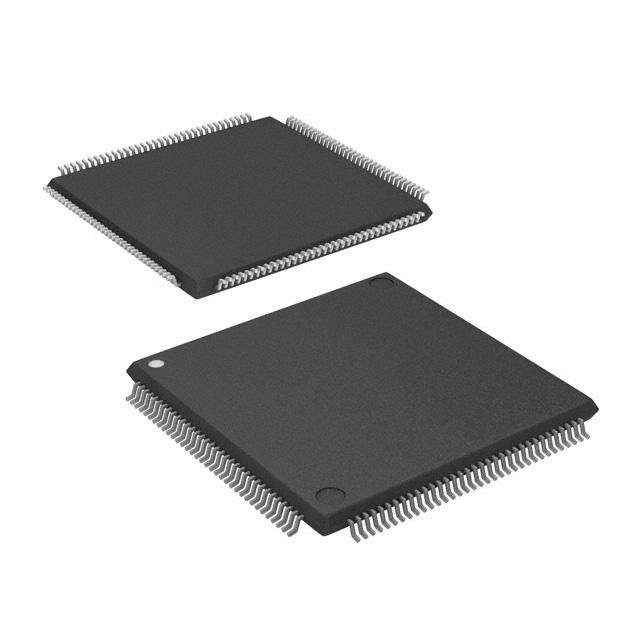
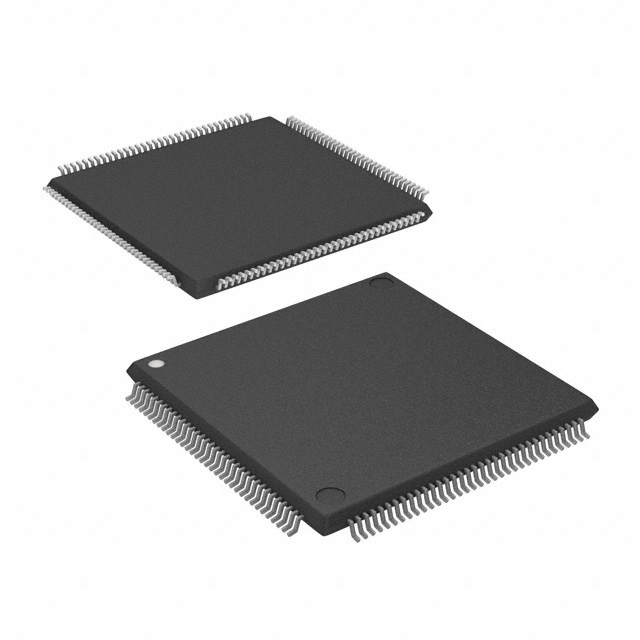
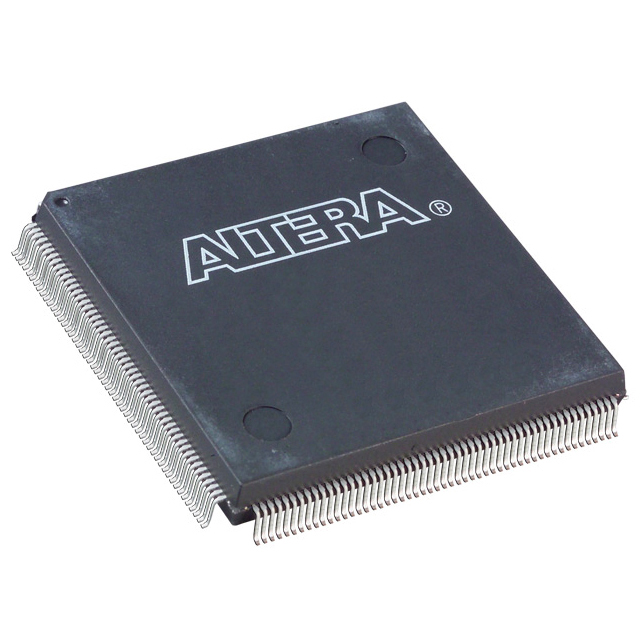
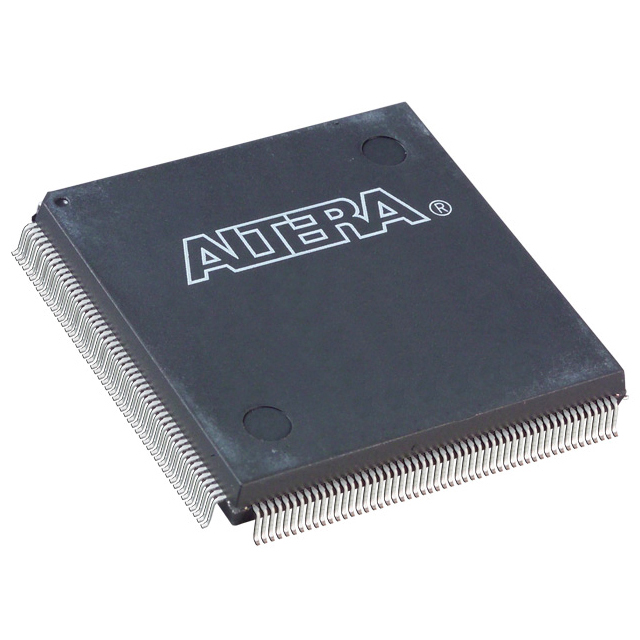
EP1K50QI208-2N
| Part Description |
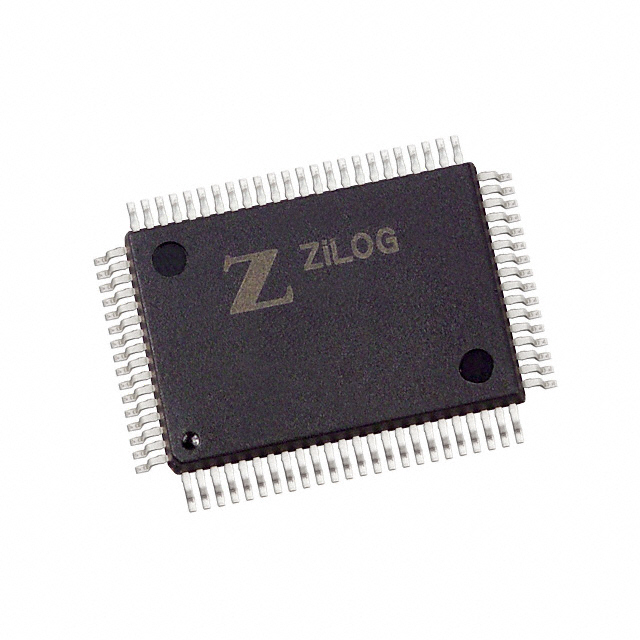
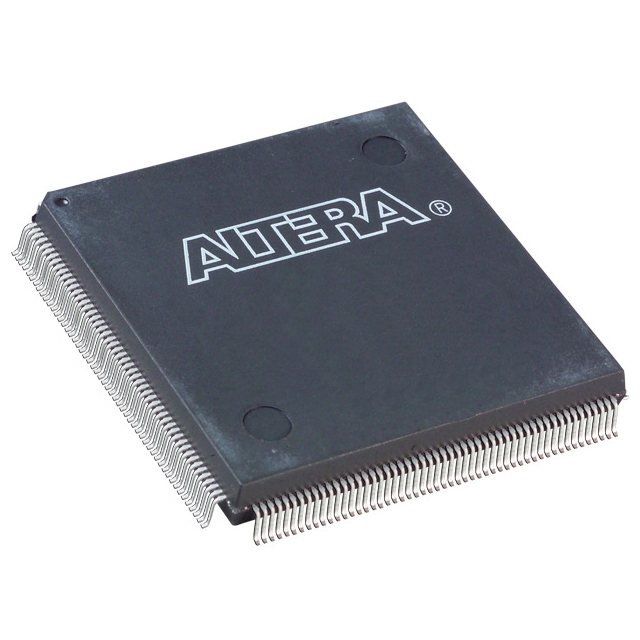
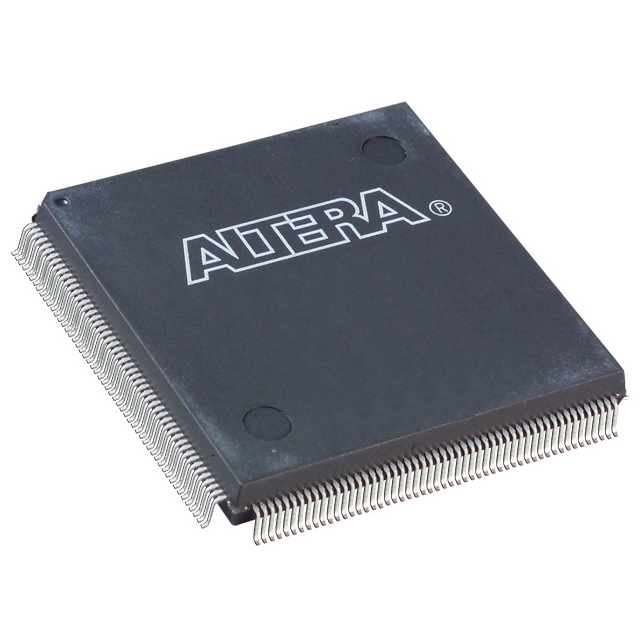
ACEX-1K® Field Programmable Gate Array (FPGA) IC 147 40960 2880 208-BFQFP |
|---|---|
| Quantity | 386 Available (as of October 8, 2026) |
| Product Category | Field Programmable Gate Array (FPGA) |
|---|---|
| Manufacturer | Intel |
| Manufacturing Status | Obsolete |
| Manufacturer Standard Lead Time | Contact Us |
| Datasheet |
Specifications & Environmental
| Device Package | 208-PQFP (28x28) | Grade | Industrial | Operating Temperature | -40°C – 85°C | ||
|---|---|---|---|---|---|---|---|
| Package / Case | 208-BFQFP | Number of I/O | 147 | Voltage | 2.375 V - 2.625 V | ||
| Mounting Method | Surface Mount | RoHS Compliance | Unknown | REACH Compliance | REACH Unaffected | ||
| Moisture Sensitivity Level | 3 (168 Hours) | Number of LABs/CLBs | 360 | Number of Logic Elements/Cells | 2880 | ||
| Number of Gates | 199000 | ECCN | 3A991D | HTS Code | 8542.39.0001 | ||
| Qualification | N/A | Total RAM Bits | 40960 |
Overview of EP1K50QI208-2N – ACEX-1K® Field Programmable Gate Array (FPGA) IC 147 40960 2880 208-BFQFP
The EP1K50QI208-2N is an ACEX-1K series field programmable gate array (FPGA) from Intel, delivering a balance of programmable logic, embedded memory, and flexible I/O in a compact surface-mount package. It combines on-chip embedded array blocks with a general logic array to implement megafunctions, memory, and control logic for system-level integration.
This device is suited for industrial designs that require mid-range logic density, dedicated embedded RAM, and a wide operating temperature range. Key value comes from its configurable I/O flexibility, in-circuit reconfigurability, and a compact 208-pin BFQFP package for space-constrained boards.
Key Features
- Logic Capacity Approximately 2,880 logic elements and 199,000 maximum system gates provide mid-range programmable logic for control, glue logic, and custom datapath functions.
- Embedded Memory (EABs) Total on-chip RAM of 40,960 bits implemented via embedded array blocks (EABs), featuring dual-port capability with up to 16-bit width per EAB for efficient memory and megafunction implementations.
- I/O and Voltage Flexibility 147 user I/O pins with MultiVolt I/O capability (series-level) to interface with multiple voltage domains; operates with a 2.5-V internal supply and device VCC range of 2.375 V to 2.625 V.
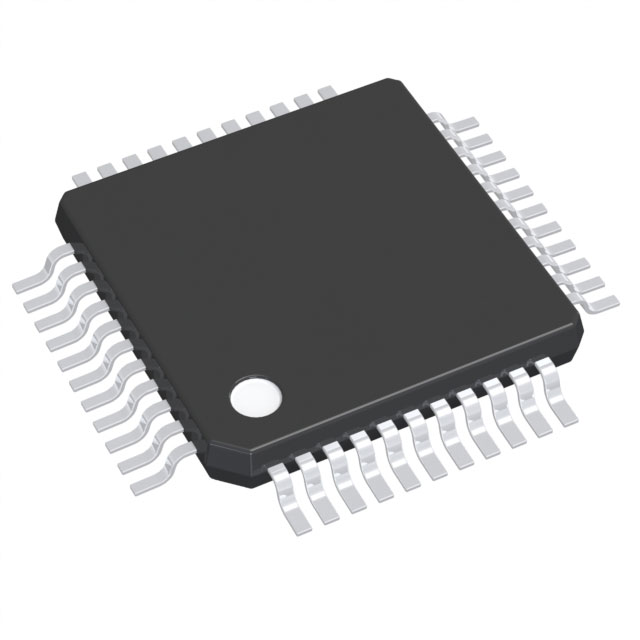
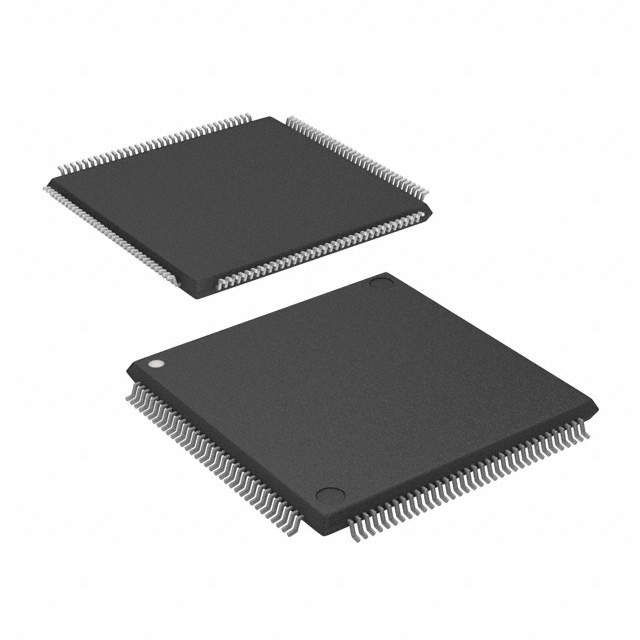
- Package and Mounting 208-BFQFP surface-mount package (supplier package listed as 208-PQFP 28×28) for PCB space optimization and easy assembly.
- Industrial Temperature Grade Specified operating range from −40 °C to 85 °C, suitable for industrial-environment deployments.
- Configuration and Test Supports in-circuit reconfigurability (ICR) and includes built-in JTAG boundary-scan test (BST) circuitry compliant with IEEE Std. 1149.1 for board-level test and programming.
- Clocking and Performance Options Series-level features include built-in low-skew clock distribution, options like ClockLock and ClockBoost, and up to six global clock signals for complex timing architectures; bidirectional I/O setup and clock-to-output performance available up to 250 MHz (series specification).
- Routing and Arithmetic Support FastTrack interconnect, dedicated carry chains, and cascade chains enable predictable routing delays and efficient implementation of adders, counters, and high-fan-in logic (series-level).
- Regulatory and Environmental RoHS compliant.
Typical Applications
- Communications and Networking Implement protocol glue logic, packet buffering using embedded RAM, and custom packet-processing functions in mid-density communications equipment.
- System-on-a-Chip (SOPC) Integration Combine control logic, small embedded memories, and interface glue to create compact SOPC solutions for industrial controllers and instrumentation.
- Industrial Control Drive motor controllers, sensor aggregation, and deterministic control logic where industrial temperature range and configurable I/O are required.
- Custom Interfaces and Peripherals Implement bridging logic, timing-critical interfaces, and small-scale data buffering for peripheral devices in embedded systems.
Unique Advantages
- Balanced Mid-Range Integration: Combines 2,880 logic elements with 40,960 bits of embedded RAM to implement control logic and local data storage without external memory.
- Flexible I/O Voltage Options: MultiVolt I/O capability (series-level) and 147 I/O pins let you interface multiple voltage domains, reducing the need for level-shifting components.
- Industrial Reliability: Industrial-grade temperature range (−40 °C to 85 °C) supports deployment in harsh environments.
- Board-Level Test and Reconfiguration: Built-in JTAG boundary-scan and in-circuit reconfigurability simplify manufacturing test, deployment, and field updates.
- Predictable Timing and Arithmetic Support: Dedicated carry and cascade chains plus low-skew clocking options help implement high-speed arithmetic and synchronous logic with predictable timing.
- Compact, Assembly-Friendly Package: 208-pin BFQFP in a surface-mount form factor enables compact PCB layouts and conventional assembly processes.
Why Choose EP1K50QI208-2N?
The EP1K50QI208-2N delivers a practical mix of programmable logic, embedded RAM, and flexible I/O in a compact industrial-grade package. It is well suited for engineers designing mid-density FPGA solutions that require on-chip memory, configurable interfaces, and in-circuit reconfigurability for field updates and testability.
Chosen for designs where integration, predictable timing structures, and industrial temperature operation matter, this ACEX-1K device provides a clear migration path within the family and leverages series-level features such as dedicated arithmetic chains and low-skew clock distribution to simplify implementation of control and data-path logic.
Request a quote or submit an inquiry to receive pricing and availability details for EP1K50QI208-2N and to discuss how this device fits your design requirements.













Date Founded: 1968
Headquarters: Santa Clara, California, USA
Employees: 130,000+
Revenue: $54.23 Billion
Certifications and Memberships: ISO9001:2015, ISO14001:2015, ISO17025:2017, ISO27001:2022, ISO45001:2018, ISO50001:2018


