
EP20K160ETC144-2N
| Part Description |
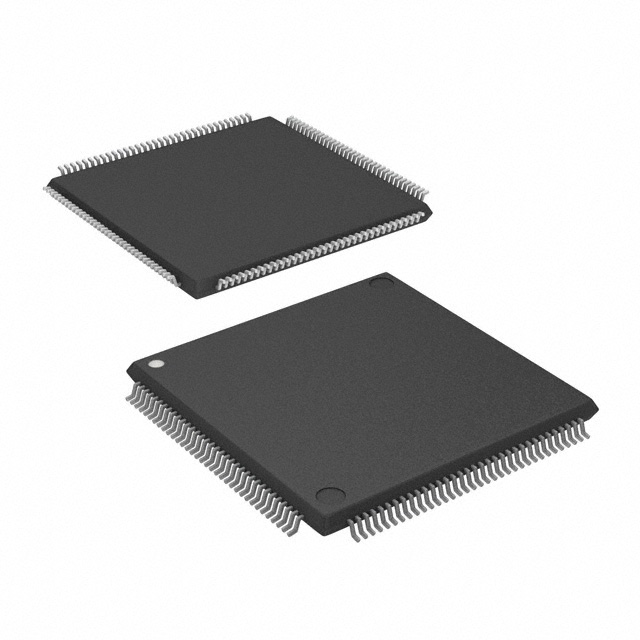
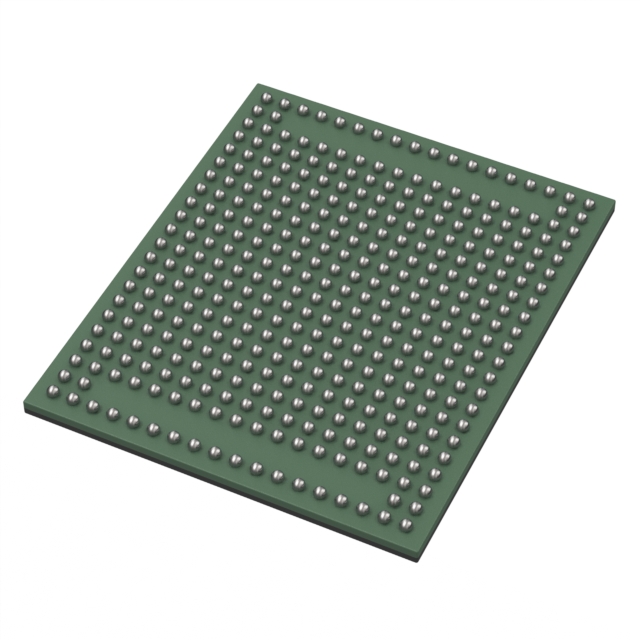
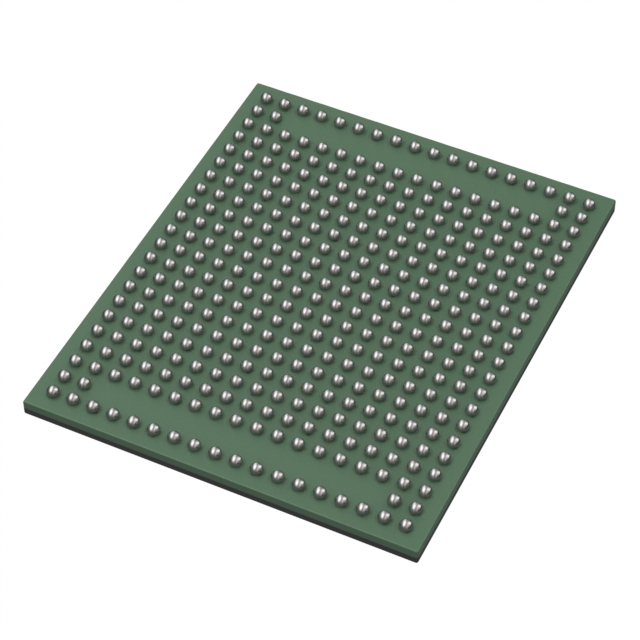
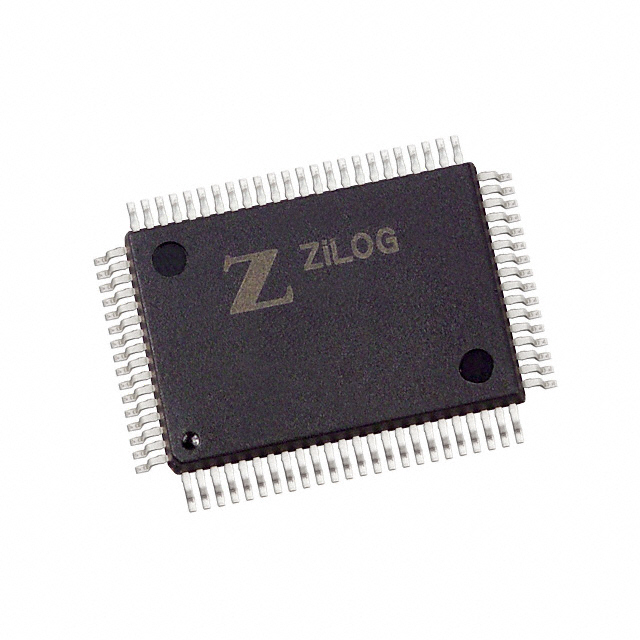
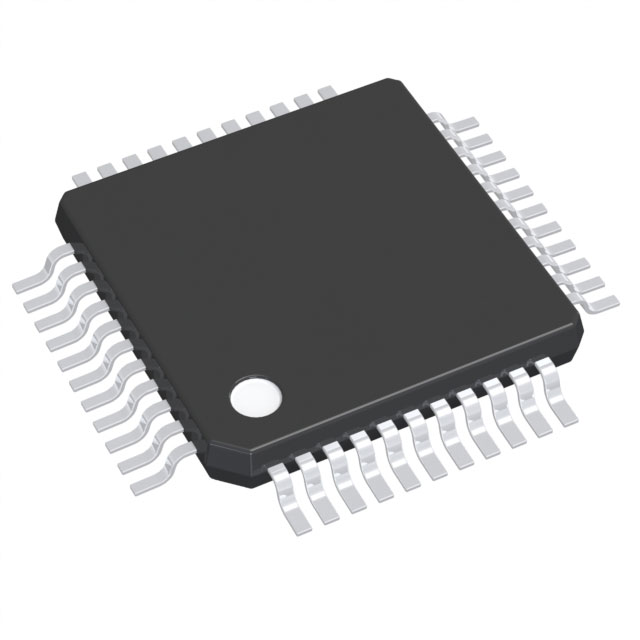
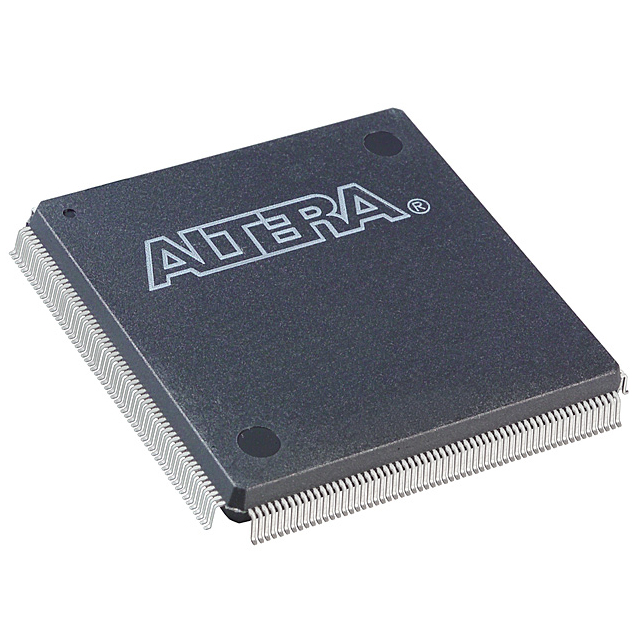
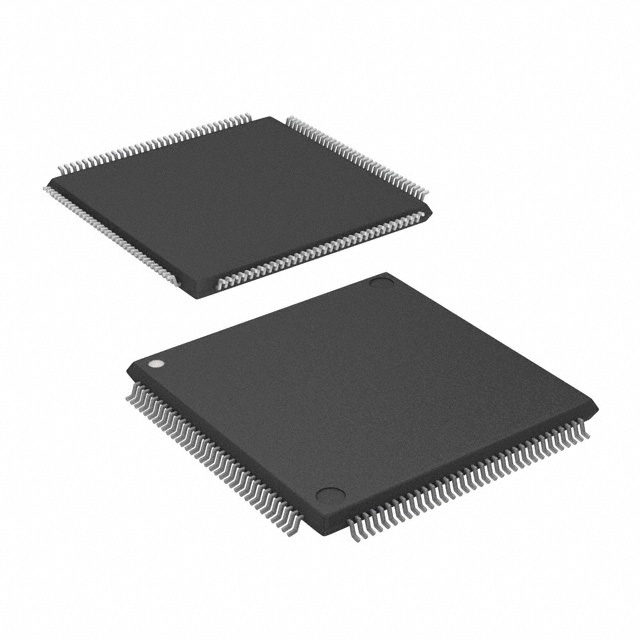
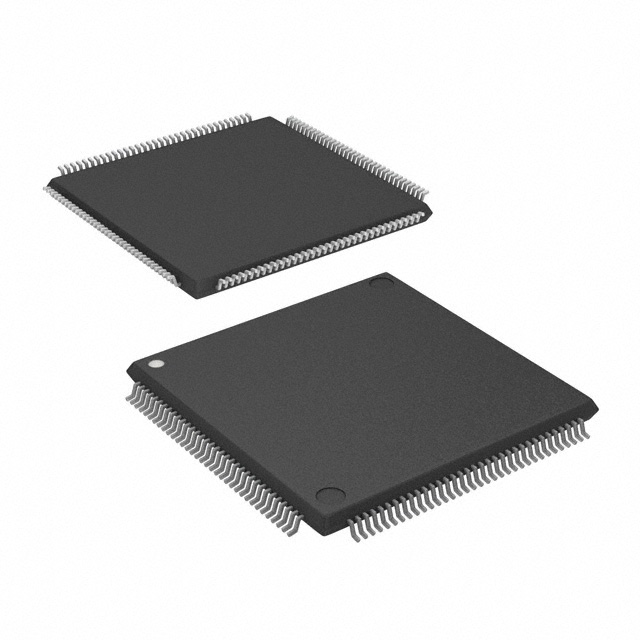
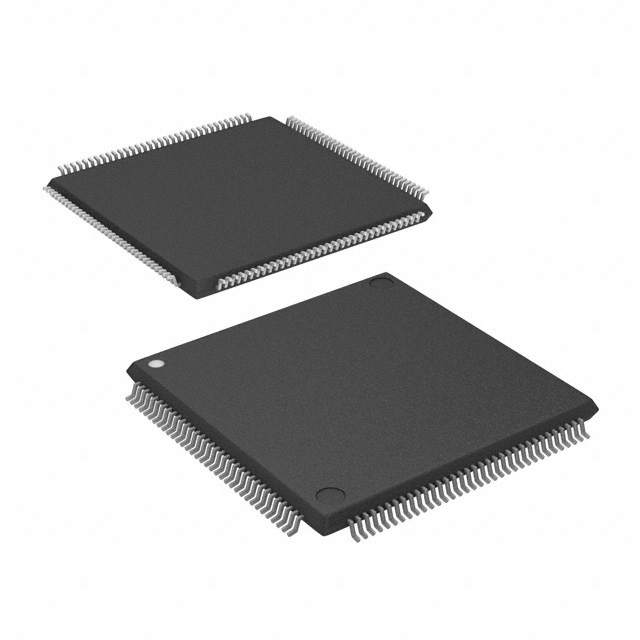
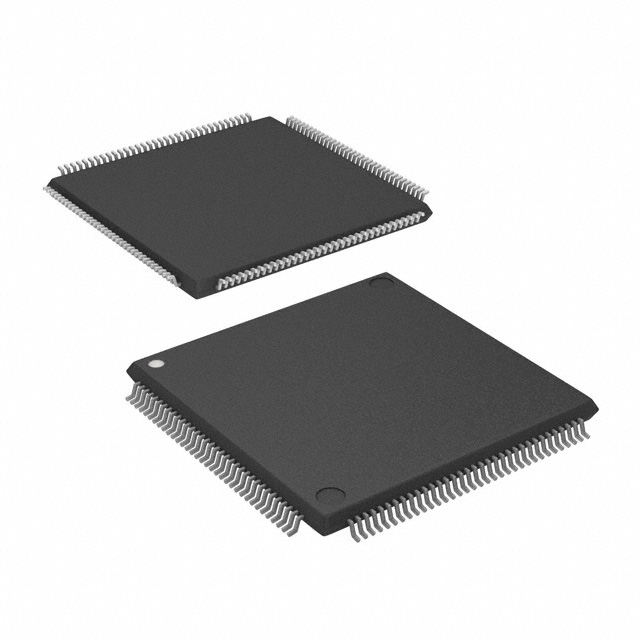
APEX-20KE® Field Programmable Gate Array (FPGA) IC 88 81920 6400 144-LQFP |
|---|---|
| Quantity | 1,048 Available (as of October 7, 2026) |
| Product Category | Field Programmable Gate Array (FPGA) |
|---|---|
| Manufacturer | Intel |
| Manufacturing Status | Obsolete |
| Manufacturer Standard Lead Time | Contact Us |
| Datasheet |
Specifications & Environmental
| Device Package | 144-TQFP (20x20) | Grade | Commercial | Operating Temperature | 0°C – 85°C | ||
|---|---|---|---|---|---|---|---|
| Package / Case | 144-LQFP | Number of I/O | 88 | Voltage | 1.71 V - 1.89 V | ||
| Mounting Method | Surface Mount | RoHS Compliance | Unknown | REACH Compliance | REACH Unaffected | ||
| Moisture Sensitivity Level | 3 (168 Hours) | Number of LABs/CLBs | 640 | Number of Logic Elements/Cells | 6400 | ||
| Number of Gates | 404000 | ECCN | 3A001A2A | HTS Code | 8542.39.0001 | ||
| Qualification | N/A | Total RAM Bits | 81920 |
Overview of EP20K160ETC144-2N – APEX-20KE® Field Programmable Gate Array (FPGA) IC 88 81920 6400 144-LQFP
The EP20K160ETC144-2N is an APEX-20KE family FPGA from Intel, offering a MultiCore architecture that integrates look-up table (LUT) logic, product-term logic, and embedded memory blocks. With 6,400 logic elements, approximately 0.082 Mbits of embedded memory, and 404,000 system gates, this device targets compact embedded systems and high-performance I/O applications that demand on-chip integration and flexible I/O options.
Designed for commercial-grade deployments, the device supports a 1.71 V–1.89 V supply range and operates from 0 °C to 85 °C in a 144-LQFP surface-mount package with 88 I/O pins, making it suitable for space-constrained board designs requiring mid-range FPGA capacity and robust I/O capability.
Key Features
- Core Architecture MultiCore architecture combining LUT logic and product-term logic for a mix of register- and combinatorial-intensive functions.
- Logic Capacity 6,400 logic elements and approximately 404,000 system gates to implement mid-density logic designs.
- Embedded Memory Approximately 81,920 bits of on-chip RAM (≈0.082 Mbits) and embedded system blocks (ESBs) for FIFOs, dual-port RAM, and CAM implementations.
- Macrocells 640 macrocells for product-term-based logic and macrocell-based logic implementation.
- I/O and Interface Flexibility 88 user I/O pins with MultiVolt I/O support for 1.8 V, 2.5 V, 3.3 V and 5.0 V signaling options and programmable clamp, slew-rate control, and individual tri-state enables.
- High-Speed I/O Support Features in-family support for DDR SDRAM and ZBT SRAM, PCI 3.3 V operation (33/66 MHz), bidirectional I/O performance up to 250 MHz, and LVDS signaling performance up to 840 Mbits per channel.
- Clock Management Flexible clock resources including up to four PLLs, a built-in low-skew clock tree, up to eight global clocks, and ClockLock/ClockBoost/ClockShift capabilities for phase, delay, and frequency control.
- Power and Voltage Low-power design with an internal supply operating in the 1.71 V–1.89 V range and ESB power-saving modes.
- Package and Thermal 144-LQFP (surface-mount) package, supplier device package 144-TQFP (20×20), and commercial operating temperature range of 0 °C to 85 °C.
- Standards and Advanced I/O Support for multiple I/O standards listed in the family datasheet, enabling interfaces such as LVPECL, PCI-X, AGP, SSTL, GTL+, HSTL Class I, and more where supported by board design.
Typical Applications
- Memory Interface Controllers Implement DDR SDRAM or ZBT SRAM controllers and FIFO buffering using the ESBs and on-chip RAM.
- PCI and Legacy Bus Systems Bridge or implement PCI 3.3 V interfaces at 33/66 MHz for mid-range expansion and peripheral connectivity.
- High-Speed Serial and Parallel I/O Leverage LVDS and high-speed bidirectional I/O for communication links and data acquisition front ends.
- Embedded System Integration Use the MultiCore architecture and embedded system blocks to consolidate logic, memory, and glue logic into a single programmable device.
Unique Advantages
- Integrated MultiCore Architecture: Combines LUT, product-term logic, and ESBs to reduce the need for external glue logic and simplify board-level design.
- Mid-Density Logic and Memory Balance: 6,400 logic elements and approximately 0.082 Mbits of embedded RAM provide a balanced resource mix for moderate-complexity designs.
- Flexible I/O Voltage Support: MultiVolt I/O capability enables direct interfacing to a wide range of peripheral voltage levels on the same device.
- Clocking Flexibility: Multiple PLLs and programmable clock features allow precise timing control for synchronized subsystems and high-speed interfaces.
- Compact, Surface-Mount Package: 144-LQFP packaging with 88 I/O pins supports compact PCB layouts while retaining robust I/O connectivity.
- Commercial Temperature Range: Rated for 0 °C to 85 °C, suitable for standard commercial and enterprise electronics.
Why Choose EP20K160ETC144-2N?
The EP20K160ETC144-2N positions itself as a mid-density APEX-20KE FPGA that delivers a practical combination of logic, embedded memory, and flexible I/O in a compact 144-LQFP package. Its MultiCore architecture and ESBs enable system-level consolidation, reducing component count while providing the timing and I/O features needed for memory interfaces, PCI-style buses, and high-speed communications links.
This device is well suited for designers and procurement teams building commercial-grade embedded systems, communications equipment, and data-path subsystems that require reliable performance, MultiVolt interfacing, and on-chip memory resources with straightforward thermal and voltage requirements.
Request a quote or submit an inquiry to begin your procurement process for the EP20K160ETC144-2N and evaluate how its combination of logic elements, embedded memory, and flexible I/O can simplify your next design.














Date Founded: 1968
Headquarters: Santa Clara, California, USA
Employees: 130,000+
Revenue: $54.23 Billion
Certifications and Memberships: ISO9001:2015, ISO14001:2015, ISO17025:2017, ISO27001:2022, ISO45001:2018, ISO50001:2018


