
LAV-AT-G70-2LFG676I
| Part Description |
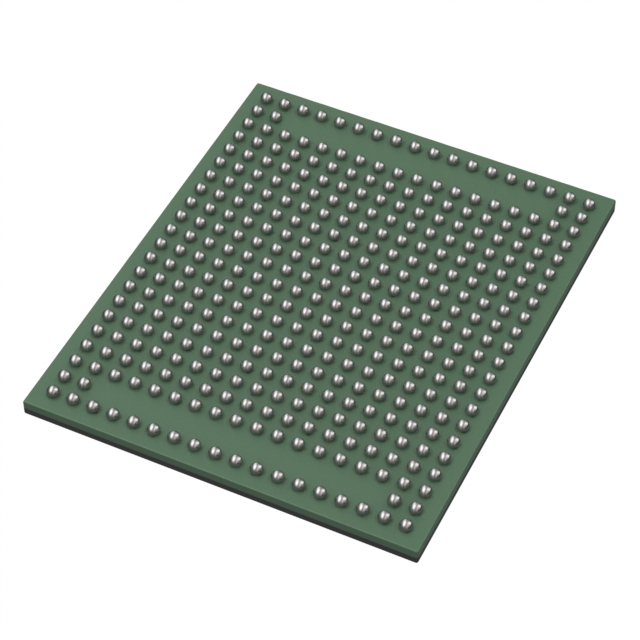
Avant™-G Field Programmable Gate Array (FPGA) IC 298 4239360 637000 676-BBGA, FCBGA |
|---|---|
| Quantity | 1,861 Available (as of October 7, 2026) |

| Product Category | Field Programmable Gate Array (FPGA) |
|---|---|
| Manufacturer | Lattice Semiconductor Corporation |
| Manufacturing Status | Active |
| Manufacturer Standard Lead Time | 8 Weeks |
| Datasheet |
Specifications & Environmental
| Device Package | 676-FCBGA (27x27) | Grade | Industrial | Operating Temperature | -40°C – 100°C | ||
|---|---|---|---|---|---|---|---|
| Package / Case | 676-BBGA, FCBGA | Number of I/O | 298 | Voltage | 820 mV | ||
| Mounting Method | Surface Mount | RoHS Compliance | ROHS3 Compliant | REACH Compliance | REACH Unaffected | ||
| Moisture Sensitivity Level | N/A | Number of LABs/CLBs | N/A | Number of Logic Elements/Cells | 637000 | ||
| Number of Gates | N/A | ECCN | N/A | HTS Code | N/A | ||
| Qualification | N/A | Total RAM Bits | 4239360 |
Overview of LAV-AT-G70-2LFG676I – Avant™-G Field Programmable Gate Array (FPGA) IC
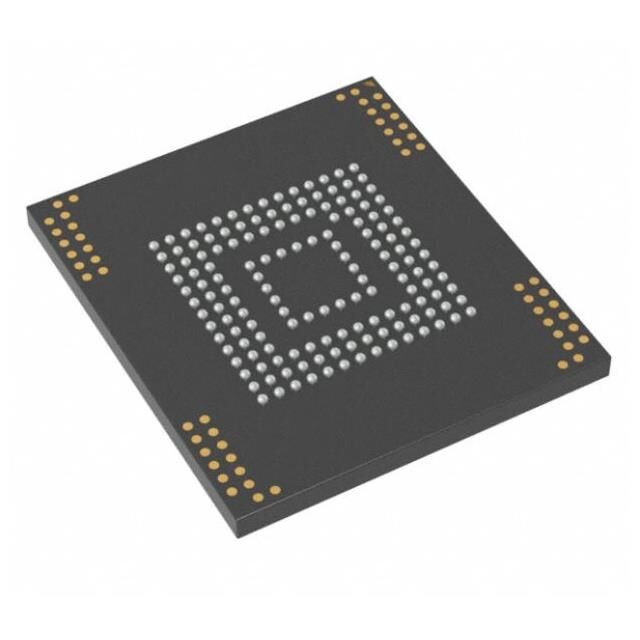
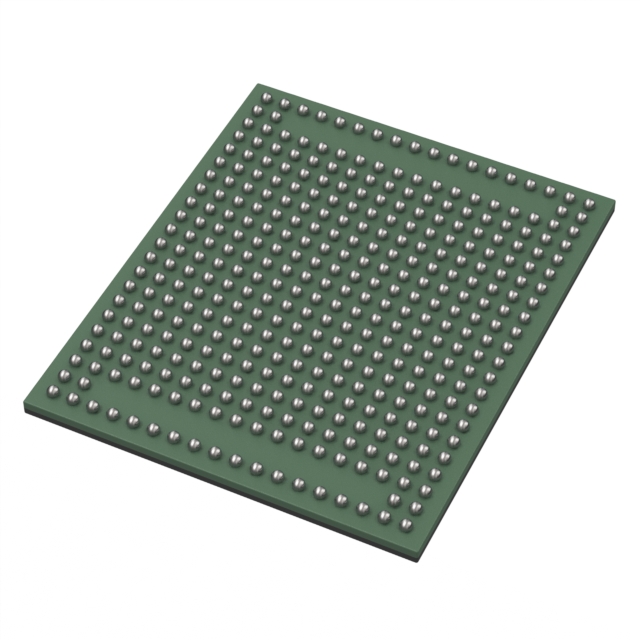
The LAV-AT-G70-2LFG676I is an Avant™-G FPGA IC from Lattice Semiconductor Corporation built on the Lattice Avant platform architecture. The device integrates programmable functional units, on-chip memory, clocking resources, and high-density I/O in a 676-FCBGA package for surface-mount assembly.
With 637,000 logic element cells, approximately 4.24 Mbits of embedded memory, and 298 I/O, this industrial-grade FPGA targets demanding embedded and system designs that require large programmable logic capacity, flexible memory modes, and extensive I/O and interface capabilities while operating across an industrial temperature range.
Key Features
- Logic Capacity — 637,000 logic element cells provide extensive programmable logic resources for complex digital implementations.
- Embedded Memory — Total on-chip RAM of 4,239,360 bits (approximately 4.24 Mbits) with sysMEM features including single, dual and pseudo-dual port modes, FIFO modes, memory cascading and RAM initialization/ROM operation.
- I/O Density — 298 programmable I/O pins with a sysI/O banking scheme and programmable I/O cell (PIC) blocks that include input, output and tri-state register functionality.
- Clocking and Timing — Comprehensive clocking structure that includes on‑chip oscillator, PLL, global (GCLK), regional (RCLK), edge (ECLK) clocks, PHYCLK, clock synchronizers/dividers, dynamic clock select/control and DLL delay features.
- High-Speed Interfaces — Integrated SERDES and PCS blocks with SERDES/PMA, Multi‑Protocol PCS (MPPCS) and Multi‑Protocol PHY (MPPHY) integration; DDR memory support with DDRPHY and DQS grouping.
- Programmable Functional Units — Architecture details such as Programmable Functional Unit (PFU) blocks and slices enable flexible logic mapping and modes of operation.
- sysDSP and Accelerators — Dedicated sysDSP resources are included for signal processing and arithmetic functions described in the platform overview.
- Device Configuration & Reliability — Enhanced configuration options, JTAG support, and Single Event Upset (SEU) handling mechanisms are documented in the platform overview.
- Package & Mounting — 676‑FCBGA (27×27) package case; surface mount mounting type suitable for standard PCB assembly processes.
- Industrial Operating Range — Rated for operation from -40 °C to 100 °C; RoHS compliant.
- Supply Voltage — Device supply specified at 820 mV.
Unique Advantages
- Substantial Logic and Memory Integration: 637,000 logic element cells combined with ~4.24 Mbits of on-chip RAM reduce external component needs for many designs.
- Versatile I/O and Interface Support: 298 I/O with programmable I/O cells and integrated SERDES/PCS blocks enable a wide range of interface topologies without adding discrete PHYs.
- Flexible Clocking and Timing: Multiple on-chip clock resources (PLL, GCLK, RCLK, ECLK, PHYCLK) and dynamic clock controls simplify complex timing and multi‑clock-domain designs.
- DDR Memory and PHY Support: DDRPHY and DQS grouping documented in the platform overview facilitate memory interface implementations using on‑chip PHY resources.
- Industrial Temperature Capability: Rated from -40 °C to 100 °C for deployment in industrial environments where extended temperature operation is required.
- Platform-Level Architecture: The Avant platform includes PFU blocks, sysDSP, and sysMEM capabilities described in the datasheet, providing a clear architectural foundation for system designers.
Why Choose LAV-AT-G70-2LFG676I?
The LAV-AT-G70-2LFG676I positions itself as a high-capacity FPGA option within the Lattice Avant platform, combining a large number of logic elements, sizeable on‑chip memory, extensive I/O and integrated high‑speed interface blocks in a single 676‑FCBGA package. Its documented clocking structure, memory modes, DDRPHY support, and configuration features give engineers a cohesive set of on‑chip resources to implement complex, multi‑domain digital systems.
This device is suitable for designs that require high programmable logic density, flexible embedded memory configurations, and a broad set of I/O and interface options, with RoHS compliance and an industrial operating temperature range supporting deployment in industrial applications.
Request a quote or submit a purchase inquiry to evaluate LAV-AT-G70-2LFG676I for your next design.













Date Founded: 1983
Headquarters: Hillsboro, Oregon, USA
Employees: 1,000+
Revenue: $627.7 Million
Certifications and Memberships: ISO9001:2015, ISO14001:2015, IATF16949:2016


