
LCMXO2-7000HC-5BG256C
| Part Description |
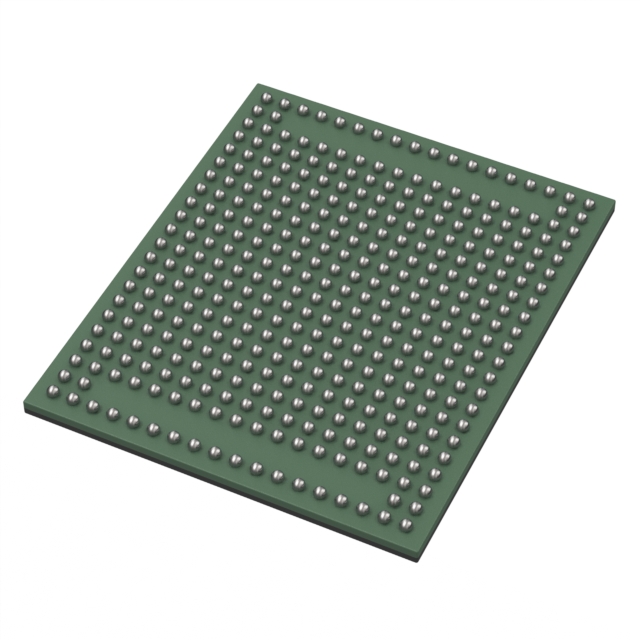
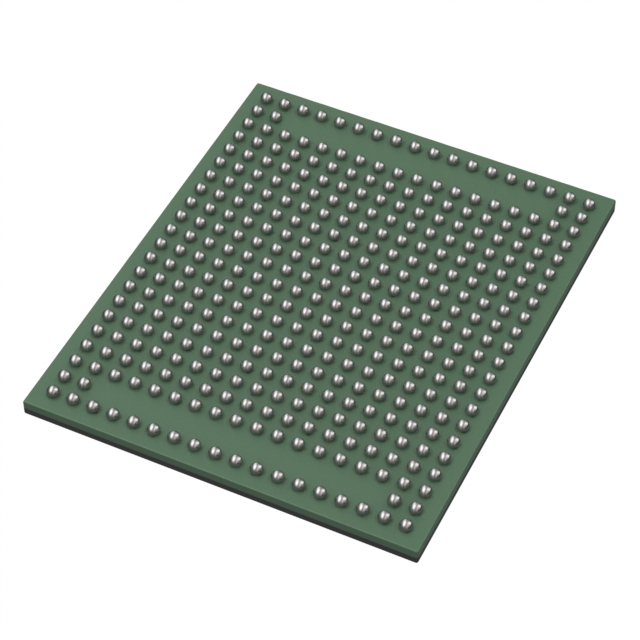
MachXO2 Field Programmable Gate Array (FPGA) IC 206 245760 6864 256-LFBGA |
|---|---|
| Quantity | 39 Available (as of October 8, 2026) |

| Product Category | Field Programmable Gate Array (FPGA) |
|---|---|
| Manufacturer | Lattice Semiconductor Corporation |
| Manufacturing Status | Active |
| Manufacturer Standard Lead Time | 20 Weeks |
| Datasheet |
Specifications & Environmental
| Device Package | 256-CABGA (14x14) | Grade | Commercial | Operating Temperature | 0°C – 85°C | ||
|---|---|---|---|---|---|---|---|
| Package / Case | 256-LFBGA | Number of I/O | 206 | Voltage | 2.375 V - 3.465 V | ||
| Mounting Method | Surface Mount | RoHS Compliance | ROHS3 Compliant | REACH Compliance | REACH Unaffected | ||
| Moisture Sensitivity Level | 3 (168 Hours) | Number of LABs/CLBs | 858 | Number of Logic Elements/Cells | 6864 | ||
| Number of Gates | N/A | ECCN | 3A991D | HTS Code | 8542.39.0001 | ||
| Qualification | N/A | Total RAM Bits | 245760 |
Overview of LCMXO2-7000HC-5BG256C – MachXO2 Field Programmable Gate Array, 256-LFBGA
The LCMXO2-7000HC-5BG256C is a MachXO2 family FPGA IC featuring non-volatile, instantly reconfigurable logic in a 256-ball LFBGA package. It combines 6,864 logic elements, approximately 240 kbits of embedded RAM, and 206 I/Os to address control, interface and glue-logic functions in commercial embedded systems.
Designed for low-power, flexible I/O and in-field reconfiguration, this device targets applications that require high I/O density, on-chip user flash, and robust system-level features in a single-chip solution.
Key Features
- Logic Capacity — 6,864 logic elements (LUT4-based architecture) for implementing glue logic, state machines and custom peripherals.
- Embedded Memory — Total on-chip RAM of 245,760 bits (approximately 240 kbits) plus distributed RAM options for buffering and small data storage.
- On-Chip User Flash — Up to 256 kbits of non-volatile user flash memory with documented write-cycle endurance for configuration and parameter storage.
- High I/O Count — 206 programmable I/Os supporting a wide range of signaling standards for system interfacing and protocol bridging.
- Flexible I/O Standards — Programmable sysIO buffer and on-chip differential termination support multiple interfaces and signal levels for interoperability.
- Power and Supply — Single supply operation across a voltage range of 2.375 V to 3.465 V, with ultra-low standby power options documented for the family.
- Clocking and PLLs — Multiple primary clocks and up to two analog PLLs per device (family capability) for flexible clock generation and high-speed I/O timing.
- In-field Reconfiguration (TransFR) — Support for field-updatable logic allowing non-disruptive logic updates while the system operates.
- System-level Functions — On-chip hardened peripherals including SPI, I²C and timer/counter engines, plus an on-chip oscillator and unique device TraceID (family features).
- Package and Temperature — 256-LFBGA (supplier package 256-CABGA, 14×14 mm) and commercial operating temperature range of 0 °C to 85 °C.
- Standards and Test — IEEE 1149.1 boundary scan and IEEE 1532 compliant in-system programming capabilities (family features).
Typical Applications
- Interface Bridging and Protocol Conversion — Use the high I/O count and flexible sysIO buffering to implement protocol adapters, level shifting and protocol translation between subsystems.
- Display and Source-Synchronous I/O — Pre-engineered source-synchronous I/O and gearing options support display timing and other source-synchronous interfaces.
- Memory Interface Control — Dedicated DDR/DDR2/LPDDR support and DDR registers in I/O cells (family capabilities) allow integration of memory interface control and buffering logic.
- Embedded Control and Glue Logic — On-chip flash and logic resources enable consolidating timers, SPI/I²C peripherals and control state machines into a single programmable device.
Unique Advantages
- Non-Volatile Instant-On: On-chip user flash enables immediate startup without external configuration memory, simplifying board design.
- High Integration: Combines thousands of logic elements, embedded RAM and hardened interfaces to reduce bill-of-materials and board complexity.
- Flexible, High-Density I/O: 206 programmable I/Os with programmable buffer standards support broad interoperability with legacy and modern interfaces.
- In-Field Update Capability: TransFR reconfiguration allows safe, background logic updates for long-lived or field-maintained products.
- Wide Supply Range: Single-supply operation from 2.375 V to 3.465 V accommodates common system rails and simplifies power design.
- System-Level Support: On-chip SPI, I²C, timers and an oscillator provide ready-made building blocks to accelerate system integration.
Why Choose LCMXO2-7000HC-5BG256C?
The LCMXO2-7000HC-5BG256C positions itself as a versatile, non-volatile FPGA for commercial embedded designs that demand high I/O density, flexible interfacing and the ability to update logic in the field. Its combination of 6,864 logic elements, approximately 240 kbits of embedded RAM, on-chip user flash and extensive system features makes it suitable for consolidating glue logic, interface bridging and control functions onto a single device.
This device is appropriate for engineers and system designers seeking a compact, integrated solution with documented family-level capabilities for low power, flexible clocking and hardened peripherals—helping reduce BOM, simplify board layout and provide upgrade paths through density migration within the MachXO2 family.
Request a quote or submit an inquiry to receive pricing and availability information for the LCMXO2-7000HC-5BG256C.
















Date Founded: 1983
Headquarters: Hillsboro, Oregon, USA
Employees: 1,000+
Revenue: $627.7 Million
Certifications and Memberships: ISO9001:2015, ISO14001:2015, IATF16949:2016


