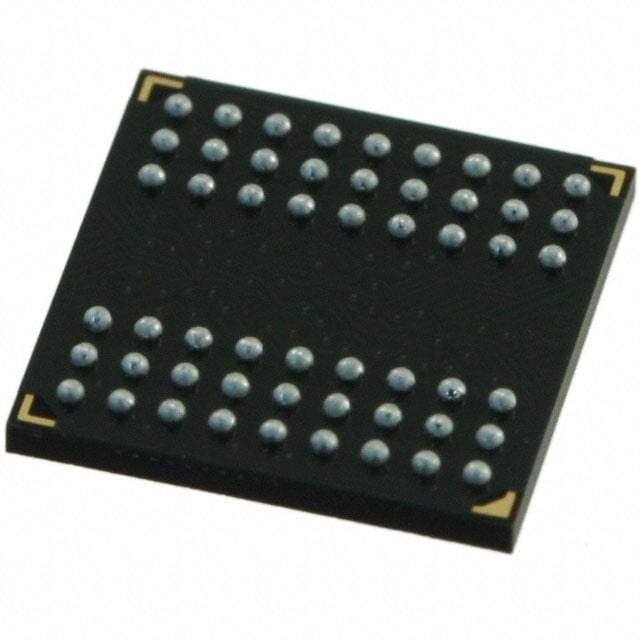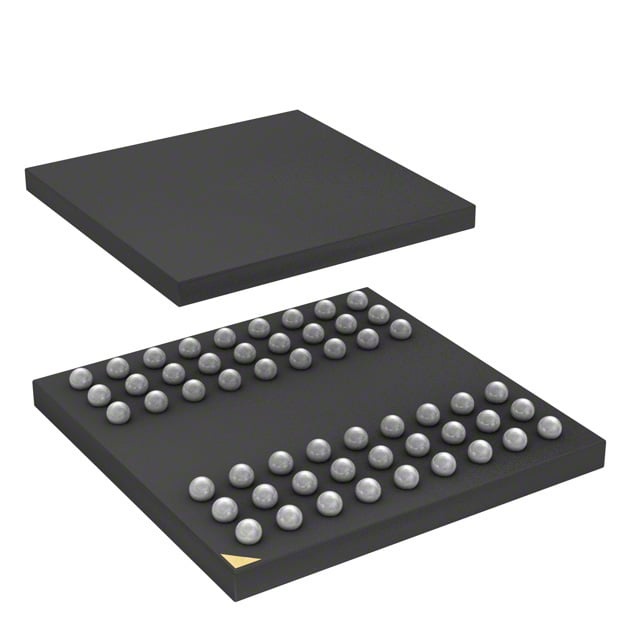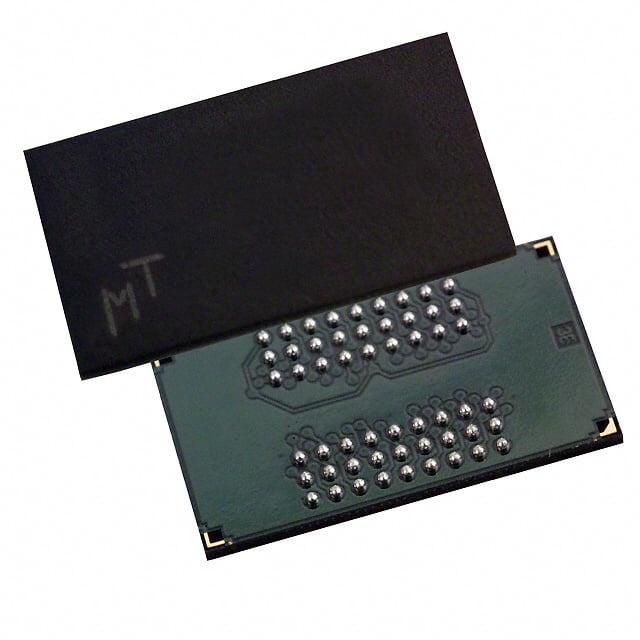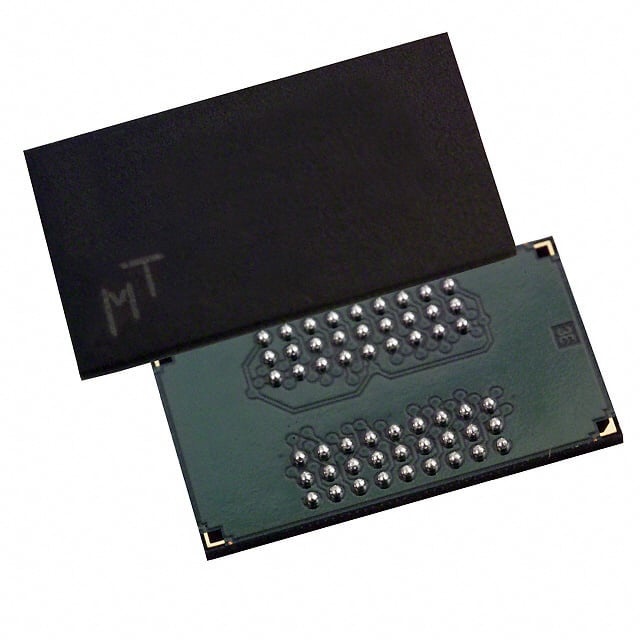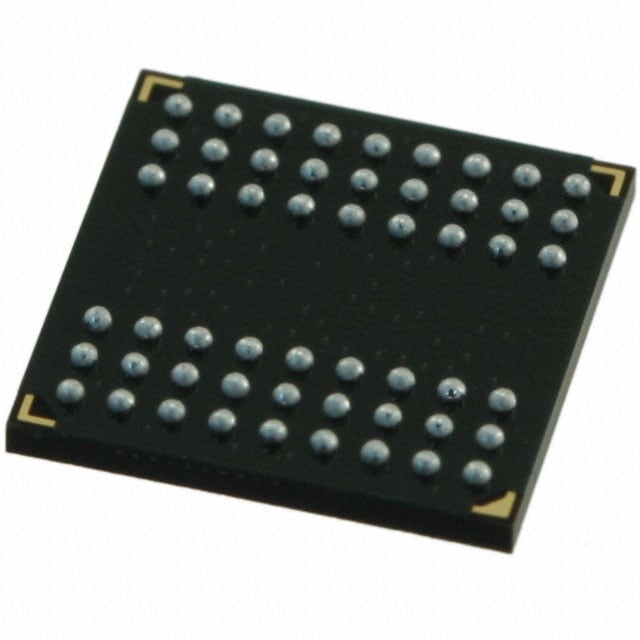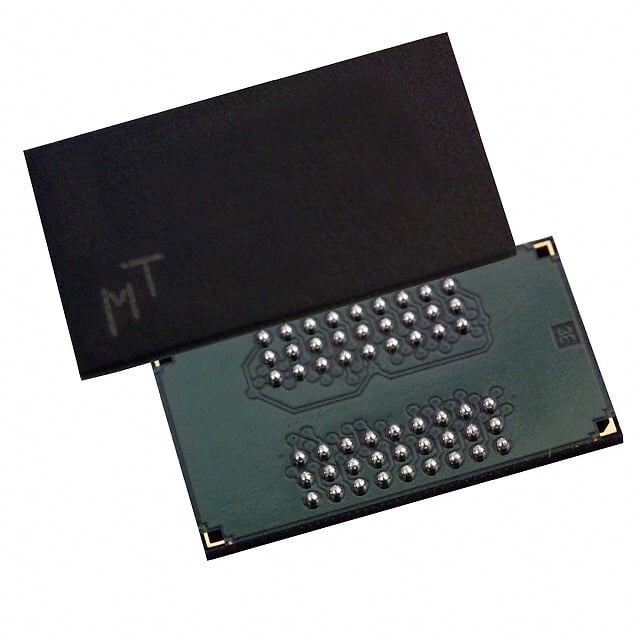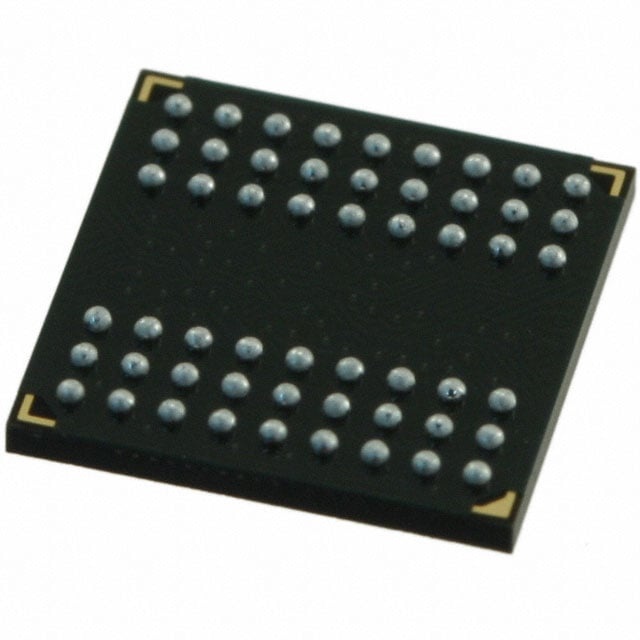
MT48LC16M16A2F4-6A:G
| Part Description |
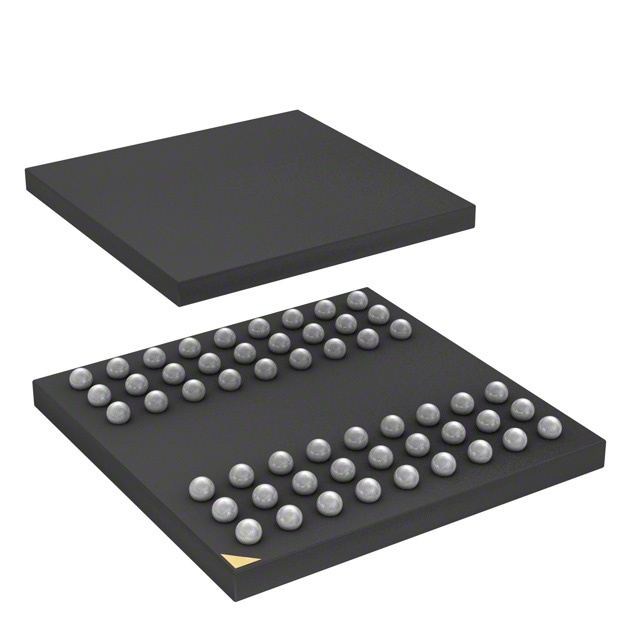
IC DRAM 256MBIT PAR 54VFBGA |
|---|---|
| Quantity | 413 Available (as of June 15, 2026) |
| Product Category | Memory |
|---|---|
| Manufacturer | Alliance Memory, Inc. |
| Manufacturing Status | Active |
| Manufacturer Standard Lead Time | 2 Weeks |
| Datasheet |
Specifications & Environmental
| Device Package | 54-VFBGA (8x8) | Memory Format | DRAM | Technology | SDRAM | ||
|---|---|---|---|---|---|---|---|
| Memory Size | 256 Mbit | Access Time | 5.4 ns | Grade | Commercial | ||
| Clock Frequency | 167 MHz | Voltage | 3V ~ 3.6V | Memory Type | Volatile | ||
| Operating Temperature | 0°C ~ 70°C (TA) | Write Cycle Time Word Page | 14 ns | Packaging | 54-LFBGA | ||
| Mounting Method | Volatile | Memory Interface | Parallel | Memory Organization | 16M x 16 | ||
| Moisture Sensitivity Level | 3 (168 Hours) | RoHS Compliance | RoHS non-compliant | REACH Compliance | REACH Unaffected | ||
| Qualification | N/A | ECCN | EAR99 | HTS Code | 8542.32.0024 |
Overview of MT48LC16M16A2F4-6A:G - 256Mbit Synchronous DRAM
The MT48LC16M16A2F4-6A:G is a 256-megabit synchronous DRAM (SDRAM) from Alliance Memory, Inc., organized as 16M x 16 bits. This parallel-interface memory delivers reliable, high-speed data access with a 167MHz clock frequency and 5.4ns access time, making it well-suited for embedded systems, industrial applications, and legacy system upgrades requiring proven SDRAM technology.
Designed for commercial temperature environments, this DRAM operates from 0°C to 70°C and uses a standard 3V to 3.6V power supply. Its compact 54-VFBGA (8x8mm) package provides a space-efficient footprint for designs where board real estate is at a premium.
Key Features
- Memory Architecture - 256Mbit capacity organized as 16M x 16, providing flexible data width for word-oriented processing and efficient memory utilization in 16-bit bus architectures.
- High-Speed Performance - 167MHz clock frequency with 5.4ns access time enables rapid data retrieval and write operations, supporting real-time data processing requirements.
- Synchronous Operation - SDRAM technology synchronizes with system clock signals, simplifying timing design and improving system-level performance compared to asynchronous DRAM.
- Standard Voltage Operation - 3V to 3.6V supply voltage aligns with common embedded system power rails, reducing the need for additional voltage regulation circuitry.
- Compact VFBGA Package - 54-pin very fine-pitch ball grid array in an 8x8mm footprint minimizes PCB space requirements while maintaining robust electrical connections.
- Commercial Temperature Range - 0°C to 70°C operating range suits office, laboratory, and indoor industrial environments where ambient temperature is controlled.
Typical Applications
- Embedded Computing Systems - This SDRAM provides main memory for embedded processors in point-of-sale terminals, kiosks, and industrial controllers where moderate speed and proven technology ensure reliable operation over multi-year product lifecycles.
- Legacy System Upgrades - The MT48LC16M16A2F4-6A:G serves as a drop-in replacement or capacity upgrade for aging SDRAM-based designs, enabling equipment modernization without requiring complete system redesign.
- Test and Measurement Equipment - Parallel SDRAM architecture supports high-throughput data buffering in oscilloscopes, data loggers, and analysis instruments operating within commercial temperature ranges.
- Telecommunications Infrastructure - This memory component handles packet buffering and data queuing in switches, routers, and base station controllers where synchronous operation simplifies integration with digital signal processors and communication ASICs.
- Medical Devices - Non-portable medical equipment such as laboratory analyzers and diagnostic imaging systems benefit from the reliable data storage and retrieval capabilities of this SDRAM in climate-controlled healthcare facilities.
Unique Advantages
- Proven SDRAM Technology: Mature synchronous DRAM architecture reduces design risk and simplifies validation compared to newer memory technologies, accelerating time-to-market for derivative designs.
- Parallel Interface Simplicity: Direct parallel data bus eliminates the complexity of serial protocol controllers, reducing system component count and lowering overall BOM costs in straightforward memory architectures.
- Active Lifecycle Status: Ongoing production availability supports both new designs and long-term supply requirements for products with extended service life expectations.
- Industry-Standard Footprint: VFBGA package follows established ball grid array conventions, ensuring compatibility with standard PCB manufacturing processes and assembly equipment.
- Clock-Synchronized Operation: Synchronous design inherently simplifies system timing analysis and reduces the likelihood of data corruption from timing mismatches compared to asynchronous memory.
- Balanced Speed and Power: 167MHz operation delivers sufficient performance for many embedded applications while maintaining moderate power consumption aligned with 3.3V power domains.
Why Choose MT48LC16M16A2F4-6A:G?
The MT48LC16M16A2F4-6A:G offers a dependable memory solution for designs requiring proven SDRAM technology in commercial operating environments. Its 256Mbit capacity, 16-bit data width, and 167MHz clock rate provide a practical balance between performance, density, and cost for embedded systems, telecommunications equipment, and industrial controllers.
This SDRAM is particularly well-suited for engineering teams maintaining existing product lines, upgrading legacy systems, or developing new designs where field-proven memory technology reduces validation time and long-term reliability concerns. Alliance Memory's active production support ensures component availability for current and future manufacturing runs.
Contact Us for Pricing and Availability
Request a quote for the MT48LC16M16A2F4-6A:G to discuss volume pricing, delivery schedules, and technical support for your specific application requirements. Our sales team can provide detailed specifications, reference designs, and assistance with component selection to ensure optimal memory integration in your system.