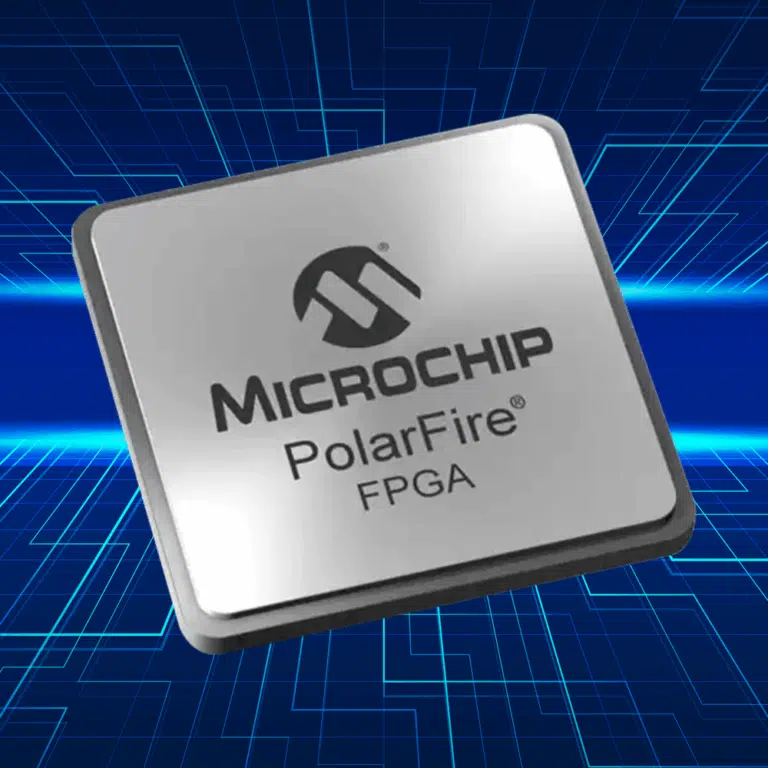
M7AFS600-FGG256
| Part Description |
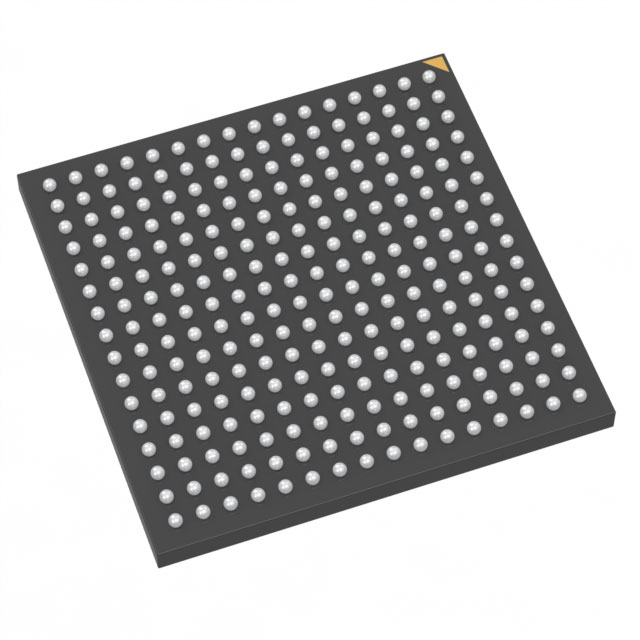
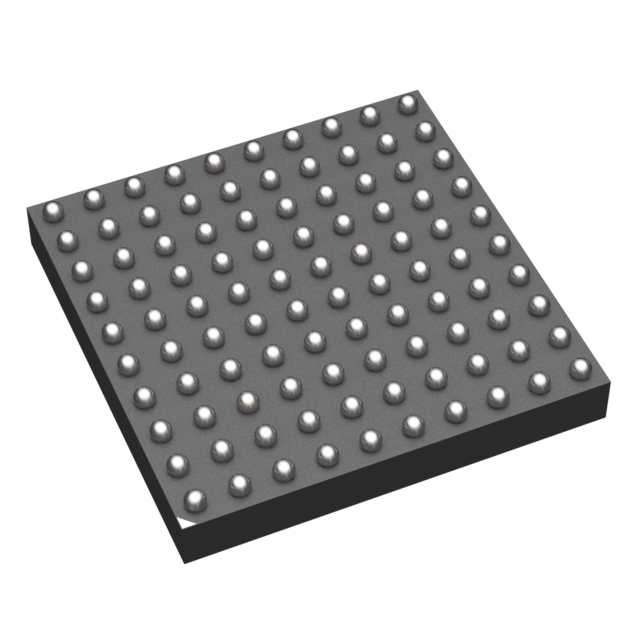
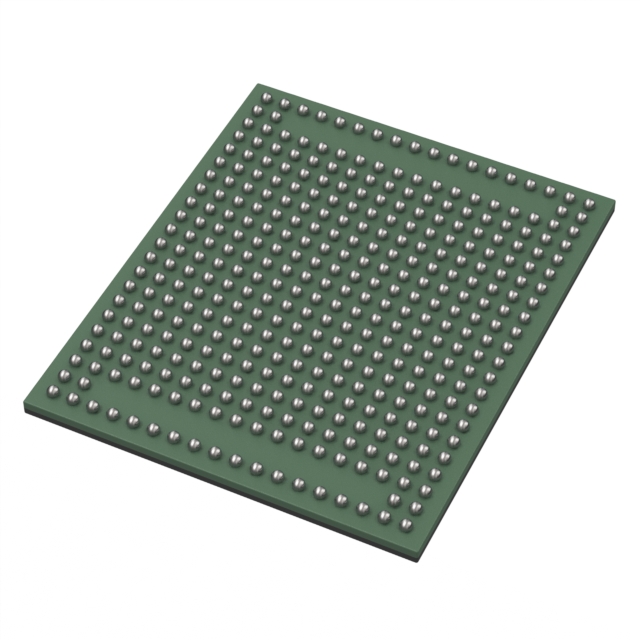
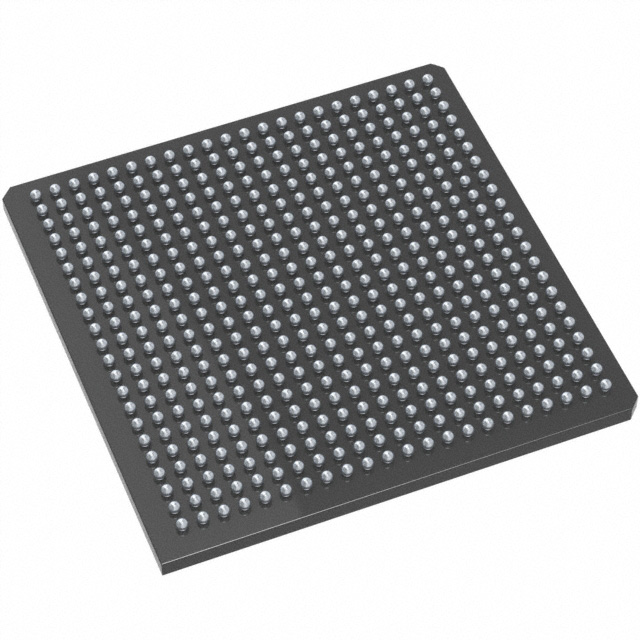
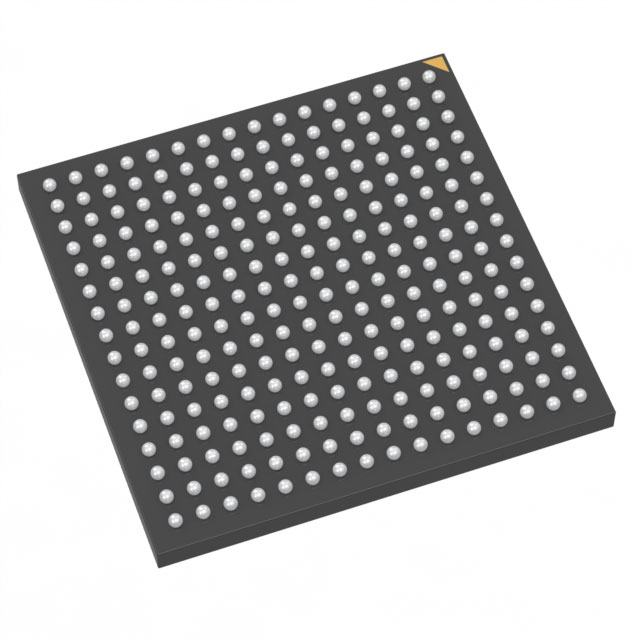
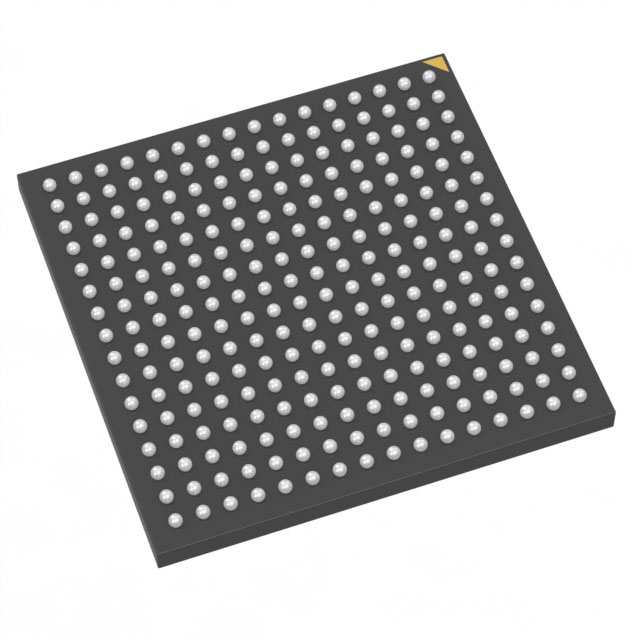
Fusion® Field Programmable Gate Array (FPGA) IC 119 110592 256-LBGA |
|---|---|
| Quantity | 1,071 Available (as of October 7, 2026) |
| Product Category | Field Programmable Gate Array (FPGA) |
|---|---|
| Manufacturer | Microchip Technology |
| Manufacturing Status | Active |
| Manufacturer Standard Lead Time | 16 Weeks |
| Datasheet |
Specifications & Environmental
| Device Package | 256-FPBGA (17x17) | Grade | Commercial | Operating Temperature | 0°C – 70°C | ||
|---|---|---|---|---|---|---|---|
| Package / Case | 256-LBGA | Number of I/O | 119 | Voltage | 1.425 V - 1.575 V | ||
| Mounting Method | Surface Mount | RoHS Compliance | ROHS3 Compliant | REACH Compliance | REACH Unaffected | ||
| Moisture Sensitivity Level | 3 (168 Hours) | Number of LABs/CLBs | 13824 | Number of Logic Elements/Cells | 13824 | ||
| Number of Gates | 600000 | ECCN | 3A991D | HTS Code | 8542.39.0001 | ||
| Qualification | N/A | Total RAM Bits | 110592 |
Overview of M7AFS600-FGG256 – Fusion® Field Programmable Gate Array (FPGA) IC 119 110592 256-LBGA
The M7AFS600-FGG256 is a Fusion family mixed-signal, flash-based FPGA offering 600,000 system gates and 13,824 logic elements in a 256-LBGA package. It combines reprogrammable logic, embedded flash and RAM, integrated analog resources and flexible I/O to address mixed-signal control, monitoring and interface tasks.
This commercial-grade device provides nonvolatile instant-on operation, on-chip analog converters and MOSFET gate-driver support, and is targeted at applications requiring tight integration of digital logic and analog functions within a compact surface-mount package. Operating parameters include a supply window of 1.425 V to 1.575 V and an ambient temperature rating of 0 °C to 70 °C.
Key Features
- Core Performance – 600,000 system gates and 13,824 logic elements delivering high-density programmable logic for control and interface functions.
- Embedded Memory – Approximately 0.11 Mbits of on-chip RAM (110,592 bits) plus multi-megabit embedded flash in the Fusion family (device family datasheet references up to 4 Mbits for AFS600 variants).
- Mixed-Signal Integration – Integrated ADC subsystem with up to 12-bit resolution and up to 600 ksps, up to 30 analog input channels (family-level), internal/external reference options and dedicated current and temperature monitor blocks.
- MOSFET Gate Drivers – Up to 10 gate-driver outputs with programmable drive strengths and support for P- and N-channel power MOSFETs (programmable 1, 3, 10, 30 μA and 20 mA drive strengths).
- On-Chip Clocking & Timing – Internal 100 MHz RC oscillator, crystal oscillator support (32 kHz–20 MHz), programmable RTC and up to two PLLs via clock conditioning circuits supporting 0.75–350 MHz outputs.
- Advanced I/O – 119 I/O pins in the 256-LBGA package with mixed-voltage bank operation (1.5 V, 1.8 V, 2.5 V, 3.3 V), support for single-ended and differential standards, programmable slew, drive strength and weak pull-up/pull-down.
- Power and Packaging – Surface-mount 256-FPBGA (17×17) package; device supports single 3.3 V primary supply with on-chip 1.5 V regulator (family datasheet) and specified supply range of 1.425 V to 1.575 V.
- Security & In-System Programming – In-system programming (ISP) with 128-bit AES and FlashLock® support for protecting FPGA contents (family-level features).
- Commercial Grade Temperature – Rated for 0 °C to 70 °C ambient operation and RoHS compliant.
Typical Applications
- Power management and motor control – Integrated MOSFET gate drivers combined with ADCs, current and temperature monitors enable compact power-control and motor-drive implementations.
- Mixed-signal sensor interfacing – On-chip 12-bit ADCs and scalable analog input channels simplify sensor acquisition and preprocessing inside a single FPGA.
- Board management and mezzanine modules – Fusion family support for Pigeon Point and MicroBlade reference designs (family-level) aligns the device to system management and module-level control roles.
- High-performance control and interface logic – 600k gates and fast system clocks support complex control algorithms, protocol bridging and custom interface logic in compact systems.
Unique Advantages
- Highly integrated mixed-signal platform: Combines flash-based logic, embedded RAM and multi-channel ADCs to reduce BOM and board area.
- Nonvolatile instant-on operation: Flash-based configuration retains programming without external configuration memory, enabling fast startup.
- Flexible I/O and voltage support: Bank-selectable I/O voltages and support for multiple single-ended and differential standards simplify interfacing to a wide range of peripherals.
- Compact, manufacturable package: 256-LBGA surface-mount package with 119 user I/Os provides a balance of density and board-level integration for commercial applications.
- On-chip analog and power peripherals: Built-in ADCs, reference options, MOSFET gate drivers and monitoring blocks reduce external component count for mixed-signal designs.
Why Choose M7AFS600-FGG256?
The M7AFS600-FGG256 positions itself as a commercially graded, mixed-signal FPGA that brings together substantial programmable logic (600,000 gates, 13,824 logic elements), embedded memory and on-chip analog capabilities in a single 256-LBGA package. Its Fusion-family architecture is optimized for designs that require tight integration of digital control, analog sensing and power-driver functions.
Choose this device when you need a compact, reprogrammable solution that reduces external components by leveraging integrated ADCs, MOSFET gate drivers and on-chip flash configuration, while operating within a standard commercial temperature range. The combination of nonvolatile flash, flexible I/O and on-chip timing resources supports scalable designs and long-term reuse across similar system architectures.
Request a quote or submit an inquiry to discuss availability, lead times and pricing for the M7AFS600-FGG256.

















Date Founded: 1989
Headquarters: Chandler, Arizona, USA
Employees: 22,000+
Revenue: $8.349 Billion
Certifications and Memberships: ISO9001:2015, IATF16949:2016, AS 9100D