
JSL22G168WA
| Part Description |
2Gbit LPDDR2 Mobile SDRAM (x16) |
|---|---|
| Quantity | 163 Available (as of October 8, 2026) |

| Product Category | DRAM Memory |
|---|---|
| Manufacturer | Jeju Semiconductor Corporation |
| Manufacturing Status | Mass Production |
| Manufacturer Standard Lead Time | Contact Us |
| Datasheet |
Specifications & Environmental
| Device Package | Die | Memory Format | RAM | Technology | SDRAM - Mobile LPDDR2 | ||
|---|---|---|---|---|---|---|---|
| Memory Size | 2 Gbit | Access Time | N/A | Grade | N/A | ||
| Clock Frequency | 400 MHz | Voltage | 1.8V/1.2V | Memory Type | Volatile | ||
| Operating Temperature | N/A | Mounting Method | Surface Mount | Memory Interface | LPDDR2 | ||
| Memory Organization | x16 | Moisture Sensitivity Level | N/A | RoHS Compliance | Compliant | ||
| REACH Compliance | REACH Unknown | ECCN | EAR99 | HTS Code | 8542.32.00.36 |
Overview of JSL22G168WA – 2Gbit LPDDR2 Mobile SDRAM (x16)
The JSL22G168WA is a 2 Gbit volatile LPDDR2 SDRAM device organized as x16, implementing a double-data-rate architecture for high-throughput mobile memory applications. It is built for low-voltage mobile SDRAM environments and supports standard LPDDR2 interface signaling and timing.
With a 400 MHz clock (800 Mb/s per pin data rate at the 400 MHz grade), on-die features for power management, and configurable drive strength, this device targets mobile and embedded systems that require low-voltage SDRAM with flexible refresh and burst options.
Key Features
- Memory Capacity & Organization — 2 Gbit density organized as x16 for parallel data paths and system memory expansion.
- LPDDR2 Double-Data-Rate Architecture — Two data transfers per clock cycle with differential clock inputs (CK/CK#) and differential data strobes (DQS/DQS#) for DDR operation.
- Clock & Data Rate — 400 MHz clock frequency supporting an 800 Mb/s per-pin data rate for the 400 MHz speed grade.
- Burst and Bank Configuration — Burst length configurable to 4 (default), 8 or 16 with sequential or interleave burst types; 8 internal banks for concurrent operation.
- Power Domains & Low-Voltage Operation — VDD1/VDD2/VDDQ levels listed as 1.8V / 1.2V / 1.2V / 1.2V and support for Auto Refresh, Self Refresh, Partial Array Self Refresh, Temperature Compensated Self Refresh and Deep Power Down modes.
- Write Controls & Data Integrity — Data mask (DM) for write data and edge-aligned data output / center-aligned data input timing built into the LPDDR2 architecture.
- Timing & Interface — Commands and addresses sampled on both positive and negative edges of CK; data and data mask referenced to both edges of DQS. No DLL (CK to DQS not synchronized).
- Drive & Input Compatibility — Configurable drive strength and HSUL_12 compatible inputs for interface tuning.
- Operating Temperature Grades — Series supports multiple operating ranges: Standard (−25 to 85 °C), Industrial (−40 to 85 °C), and Extended (85 to 105 °C).
- Package & Mounting — Surface mount mounting type; supplier device package listed as Die.
- Environmental Compliance — RoHS compliant.
Typical Applications
- Mobile devices — Low-voltage LPDDR2 architecture and high per-pin data rates make this device suitable for memory subsystems in mobile platforms.
- Portable consumer electronics — Supports compact, low-power memory implementations that require burst access and efficient refresh modes.
- Embedded mobile systems — Offers configurable drive strength and multiple power-saving refresh modes useful for embedded designs with thermal or power constraints.
Unique Advantages
- High data throughput — Double-data-rate operation at a 400 MHz clock yields an 800 Mb/s per-pin data rate for responsive memory transfers.
- Flexible burst and bank architecture — Multiple burst lengths (4/8/16) and eight internal banks enable efficient, concurrent memory accesses.
- Comprehensive low-power modes — Auto Refresh, Self Refresh, Partial Array Self Refresh, Temperature Compensated Self Refresh and Deep Power Down support reduced power consumption across use scenarios.
- Multi-grade temperature support — Available operating ranges from −40 °C up to 105 °C across grades to match thermal requirements of different designs.
- Voltage domain flexibility — Documented VDD1/VDD2/VDDQ voltage levels for integration into low-voltage mobile power rails.
- Design-level interface control — Differential clocking, bidirectional DQS, and configurable drive strength allow signal integrity tuning for target system designs.
Why Choose JSL22G168WA?
The JSL22G168WA provides a focused LPDDR2 SDRAM solution combining 2 Gbit density with x16 organization, a 400 MHz clock grade, and a set of low-power refresh options suitable for mobile and embedded memory subsystems. Its differential DDR interface, adjustable drive strength, and burst mode flexibility make it straightforward to integrate into designs that prioritize low-voltage operation and efficient memory bandwidth.
This device is appropriate for engineers specifying mobile LPDDR2 memory who need verifiable electrical and timing characteristics, multi-grade temperature support, and documented low-power modes to match system requirements over the product life cycle.
Request a quote or submit an inquiry to our sales team to discuss availability, ordering options, and how the JSL22G168WA can fit your memory subsystem requirements.












Date Founded: 2000
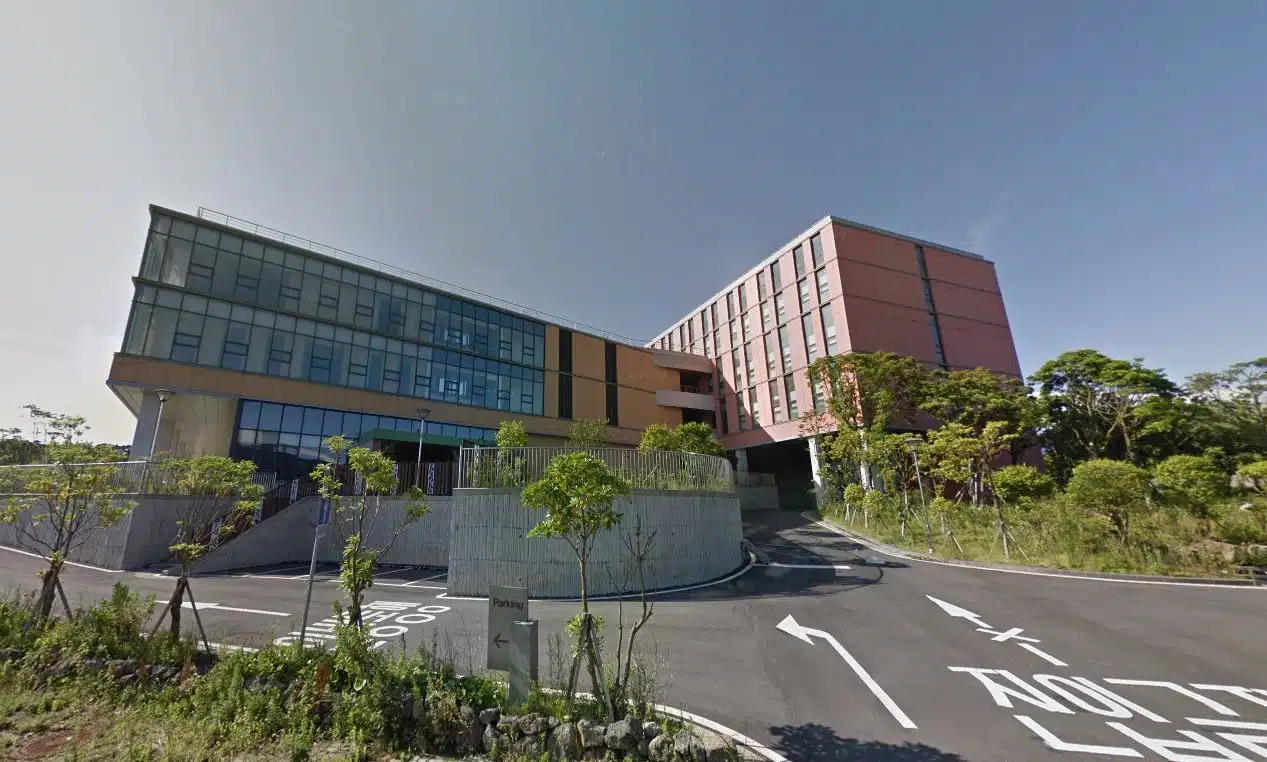
Headquarters: Jeju-si, Jeju-do, Republic of Korea
Employees: 100+
Revenue: $100 Million
Certifications and Memberships: ISO9001:2015, ISO14001:2015, AEC-Q100, RoHS, REACH


