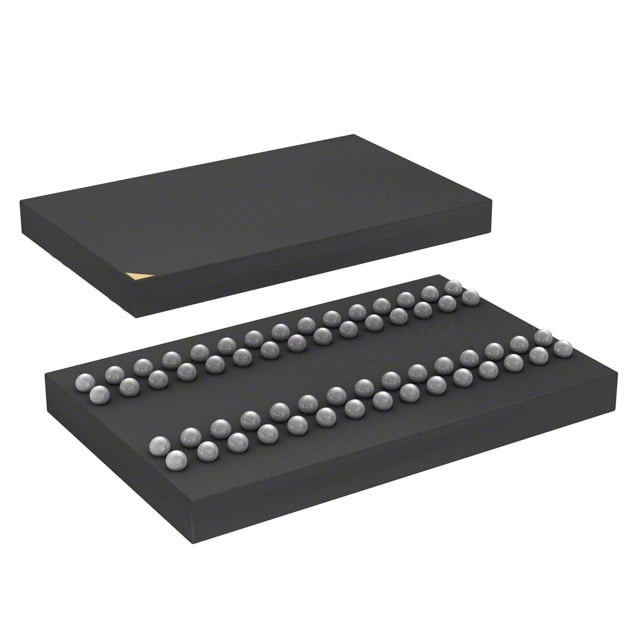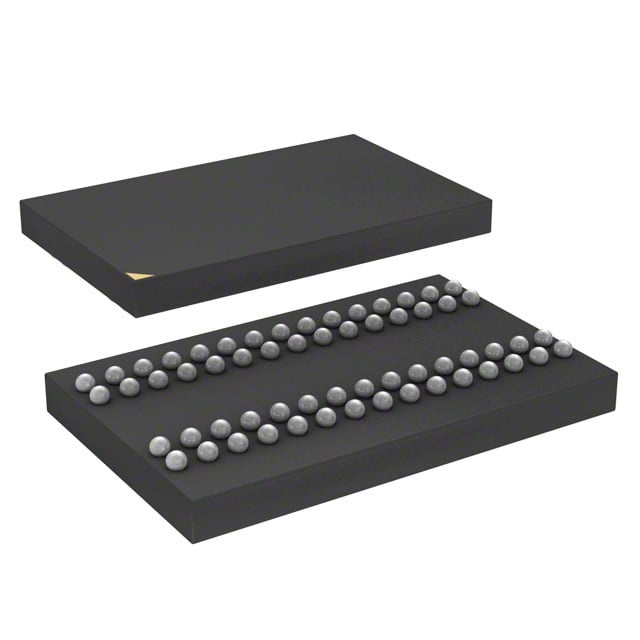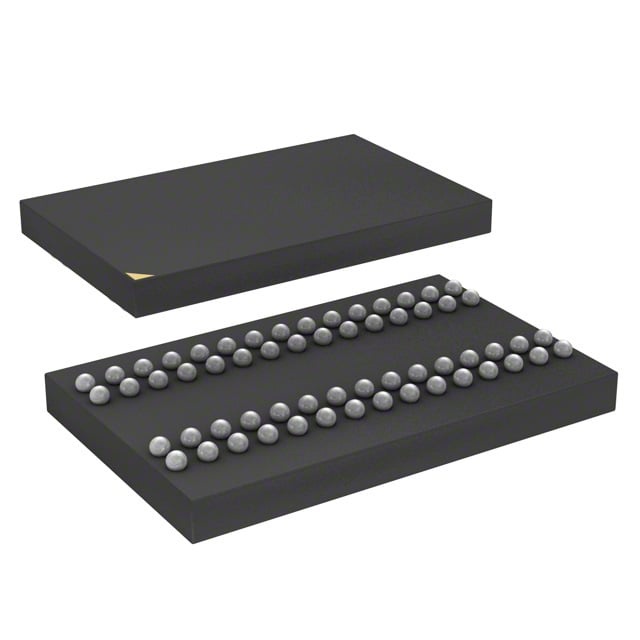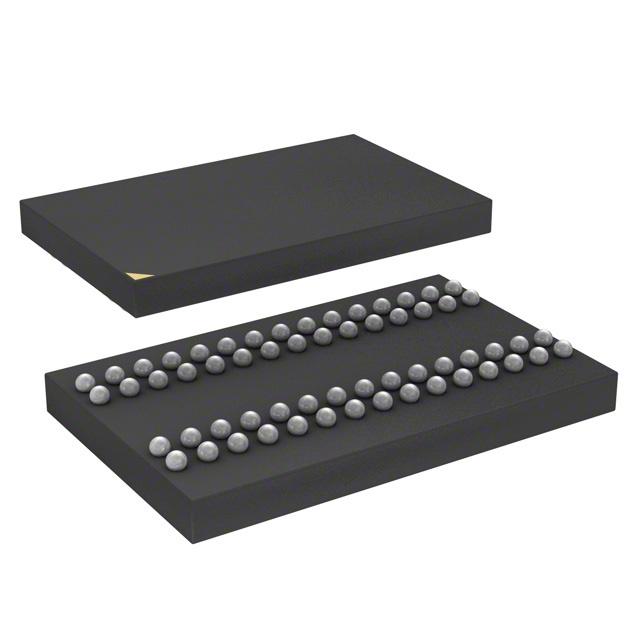
IS42S16400D-6TLI-TR
| Part Description |
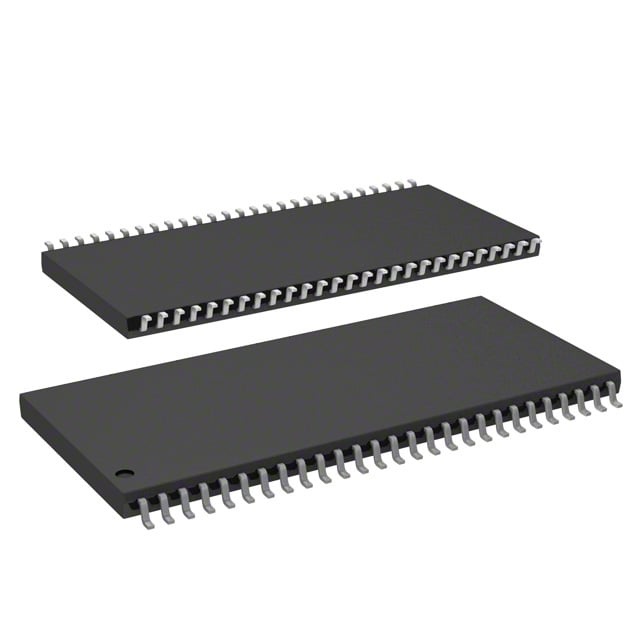
IC DRAM 64MBIT PAR 54TSOP II |
|---|---|
| Quantity | 683 Available (as of June 15, 2026) |
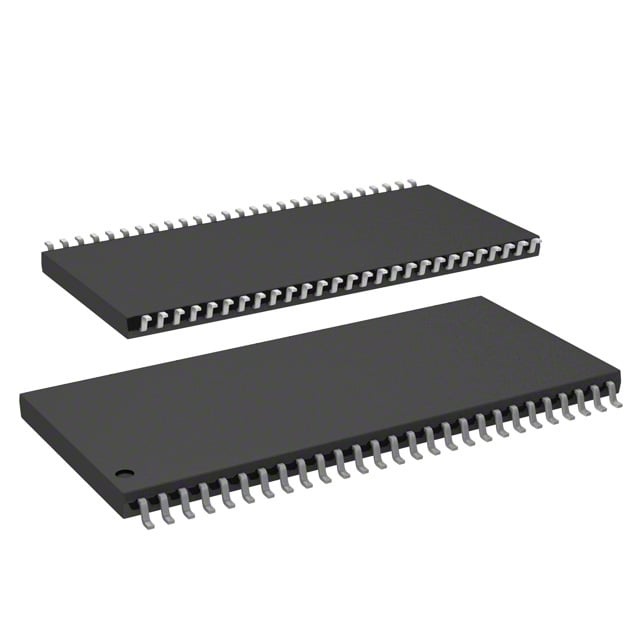
| Product Category | Memory |
|---|---|
| Manufacturer | Integrated Silicon Solution Inc |
| Manufacturing Status | Obsolete |
| Manufacturer Standard Lead Time | Contact Us |
| Datasheet |
Specifications & Environmental
| Device Package | 54-TSOP II | Memory Format | DRAM | Technology | SDRAM | ||
|---|---|---|---|---|---|---|---|
| Memory Size | 64 Mbit | Access Time | 5 ns | Grade | Industrial | ||
| Clock Frequency | 166 MHz | Voltage | 3V ~ 3.6V | Memory Type | Volatile | ||
| Operating Temperature | -40°C ~ 85°C (TA) | Write Cycle Time Word Page | N/A | Packaging | 54-TSOP (0.400", 10.16mm Width) | ||
| Mounting Method | Volatile | Memory Interface | Parallel | Memory Organization | 4M x 16 | ||
| Moisture Sensitivity Level | 3 (168 Hours) | RoHS Compliance | ROHS3 Compliant | REACH Compliance | REACH Unaffected | ||
| Qualification | N/A | ECCN | EAR99 | HTS Code | 8542.32.0002 |
Overview of IS42S16400D-6TLI-TR - 64Mbit Synchronous DRAM
The IS42S16400D-6TLI-TR is a 64-megabit synchronous dynamic random access memory (SDRAM) organized as 4 million words by 16 bits. This parallel interface DRAM operates at clock frequencies up to 166 MHz with a 5 ns access time, providing reliable memory storage for embedded systems requiring cost-effective volatile memory solutions. Designed for industrial temperature ranges from -40°C to 85°C, this SDRAM serves applications where extended environmental tolerance is essential.
Key Features
- Memory Architecture - 64-megabit capacity configured as 4M x 16 organization, enabling efficient 16-bit parallel data access for systems requiring word-level operations.
- Performance Specifications - 166 MHz maximum clock frequency with 5 ns access time delivers responsive memory performance for real-time processing tasks.
- Power Supply - Operates on standard 3V to 3.6V supply voltage, compatible with mainstream embedded system power architectures.
- Parallel Interface - Synchronous DRAM interface provides straightforward integration with microcontrollers and processors using conventional memory bus architectures.
- Package Format - Available in 54-pin TSOP II (10.16mm width) surface-mount package, suitable for automated assembly processes.
- Extended Temperature Range - Rated for -40°C to 85°C ambient operation, supporting industrial and automotive environments with demanding thermal conditions.
Typical Applications
- Industrial Control Systems - This SDRAM provides working memory for programmable logic controllers (PLCs) and human-machine interfaces (HMIs) where the extended temperature rating ensures reliable operation in factory floor environments subject to thermal variations.
- Embedded Computing Platforms - Serves as main system memory in embedded processors and microcontroller systems requiring moderate capacity volatile storage for program execution and data buffering with straightforward parallel interfacing.
- Test and Measurement Equipment - Supports data acquisition and signal processing instruments where synchronous memory access patterns align with real-time sampling requirements and the industrial temperature range accommodates field deployment conditions.
- Communications Infrastructure - Functions as buffer memory in routers, switches, and network interface modules operating in equipment rooms and outdoor enclosures where the -40°C to 85°C specification matches environmental exposure.
- Legacy System Upgrades - Provides replacement memory for existing designs originally built with parallel SDRAM architectures, enabling equipment refurbishment and extended service life for installed systems.
Unique Advantages
- Proven SDRAM Technology: Based on mature synchronous DRAM architecture, this component offers predictable electrical characteristics and well-understood integration patterns that reduce design risk.
- Standard Pinout Compatibility: Follows conventional 54-pin TSOP II SDRAM pinout, enabling drop-in replacement scenarios and reducing board layout complexity for designs migrating from other 64Mbit SDRAM sources.
- Industrial Temperature Coverage: The -40°C to 85°C ambient rating extends beyond commercial temperature grades, eliminating the need for additional thermal management in harsh environment applications.
- Moderate Density Match: 64-megabit capacity addresses applications where 32Mbit proves insufficient but larger densities would result in unused memory space and unnecessary cost.
- Parallel Interface Simplicity: Direct memory bus connection requires no complex serial protocol implementation, simplifying firmware development and reducing processor overhead compared to serial memory technologies.
- Established Supply Chain: ISSI's position as a focused memory supplier provides continuity for designs requiring stable sourcing of parallel SDRAM components as the market transitions toward DDR and serial technologies.
Why Choose IS42S16400D-6TLI-TR?
This SDRAM is positioned for designs that require reliable parallel memory with industrial temperature capability and moderate capacity. It serves engineering teams maintaining existing product lines built on SDRAM architectures, as well as new designs where parallel interface simplicity and proven technology outweigh the performance benefits of newer memory types. The 166 MHz clock support and 5 ns access time provide adequate performance for control systems, instrumentation, and embedded processing applications.
The industrial temperature rating makes this component particularly valuable for equipment deployed in uncontrolled environments, while the standard TSOP II package supports conventional surface-mount assembly. For systems where SDRAM represents the appropriate balance of cost, interface complexity, and performance, this component delivers a straightforward implementation path.
Ordering Information
Contact our technical sales team to request a quotation for the IS42S16400D-6TLI-TR or to discuss alternative memory solutions that may better align with your specific application requirements. Our engineers can assist with memory selection, timing analysis, and integration guidance to ensure optimal component fit for your design.