
Suntsu’s quartz crystal oscillators and frequency control crystals are available in through-hole and surface-mount packages across a wide range of frequencies, cuts, and load capacitances. These crystals for electronics serve applications in telecommunications, industrial controls, medical devices, and consumer electronics. Browse our standard catalog or contact our team for custom crystal specifications.
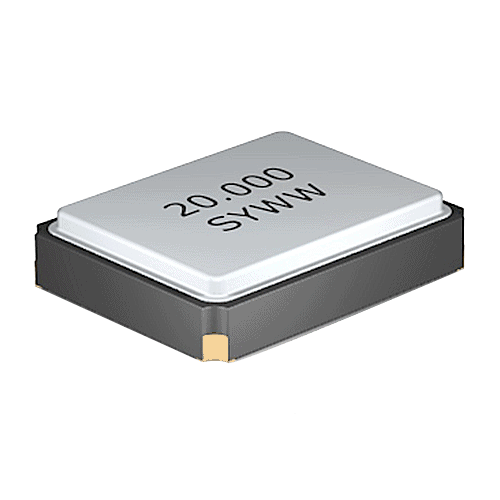
Crystal Oscillators for Electronics
| Series | Image | Package | Stability To | Frequency | Reel | Key Feature | Link |
|---|---|---|---|---|---|---|---|
| SXT104 | 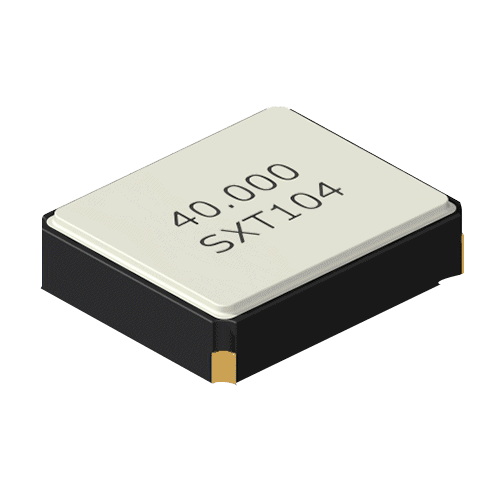 | 1.2mm x 1.0mm Ceramic SMD 4 Pad Crystal | ±10ppm/±10ppm | 36.000MHz - 80.000MHz | 3K | Ultra-Miniature Package |  |
| SXT114 | 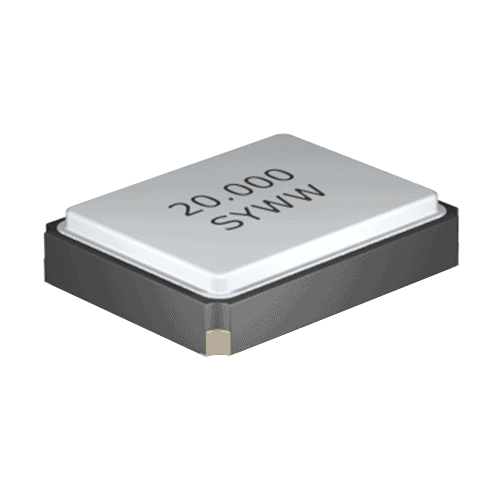 | 1.6mm x 1.2mm Ceramic SMD 4 Pad Crystal | ±10ppm/±10ppm | 26.000MHz - 54.000MHz | 3K | Ultra-Miniature Package | |
| SAX214 | 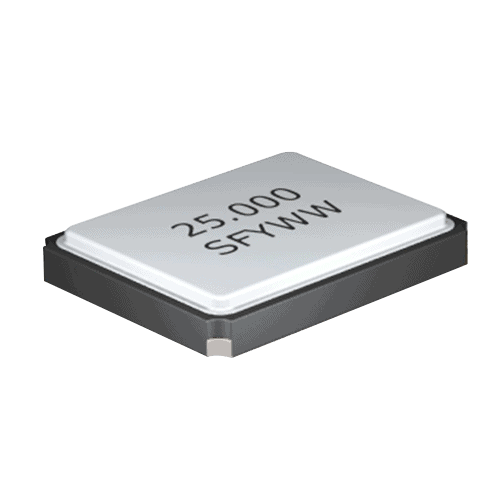 | 2.0mm x 1.6mm Ceramic SMD 4 Pad Crystal | ±10ppm/±30ppm | 16.000MHz – 54.000MHz | 3K | AEC-Q200 Compliant | |
| SXT214 | 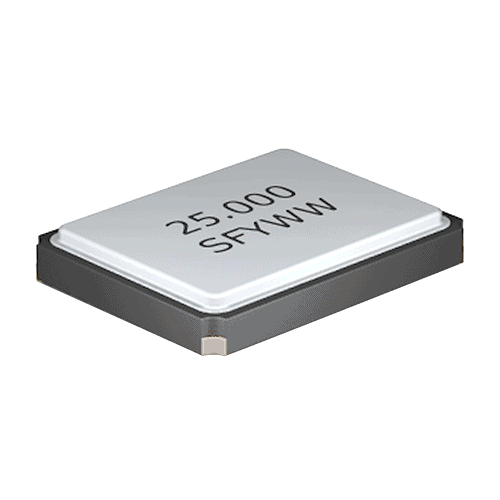 | 2.0mm x 1.6mm Ceramic SMD 4 Pad Crystal | ±10ppm/±10ppm | 16.000MHz - 60.000MHz | 3K | Ultra-Miniature Package | |
| SAX224 | 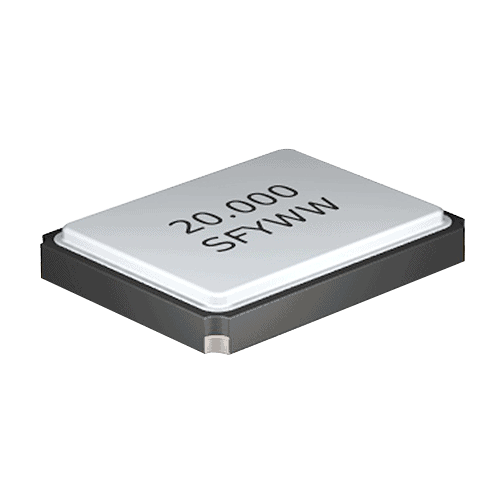 | 2.5mm x 2.0mm Ceramic SMD 4 Pad Crystal | ±10ppm/±30ppm | 12.000MHz – 54.000MHz | 3K | AEC-Q200 Compliant | |
| SXT224 | 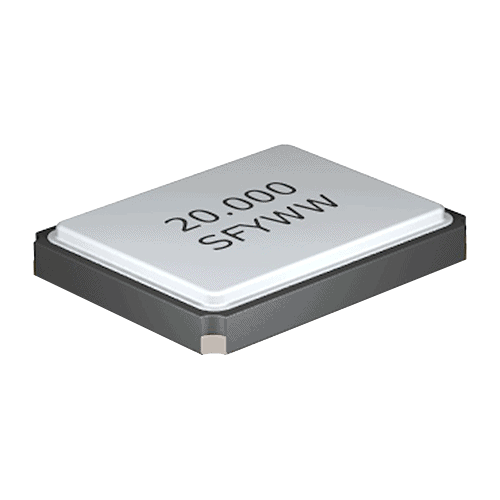 | 2.5mm x 2.0mm Ceramic SMD 4 Pad Crystal | ±10ppm/±10ppm | 12.000MHz - 66.000MHz | 3K | Ultra-Miniature Package | |
| SAX324 | 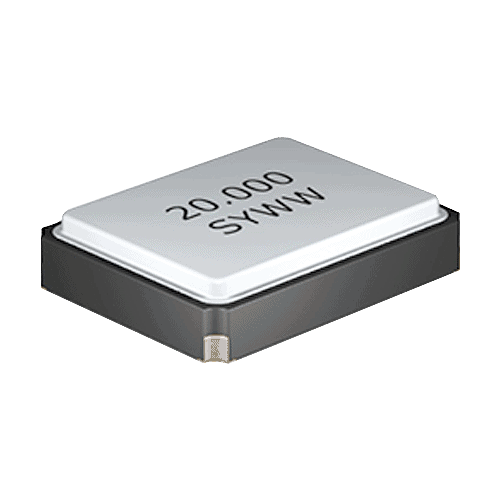 | 3.2mm x 2.5mm Ceramic SMD 4 Pad Crystal | ±10ppm/±30ppm | 8.000MHz – 54.000MHz | 3K | AEC-Q200 Compliant | |
| SXT324 | 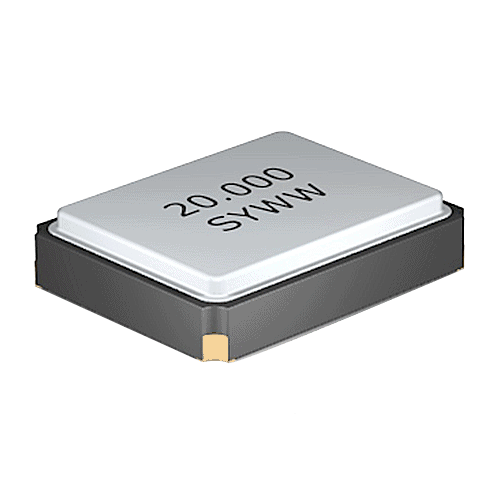 | 3.2mm x 2.5mm Ceramic SMD 4 Pad Crystal | ±10ppm/±10ppm | 10.000MHz - 60.000MHz | 3K | Minature size, Glass seal, low height | |
| SXT3G4 | 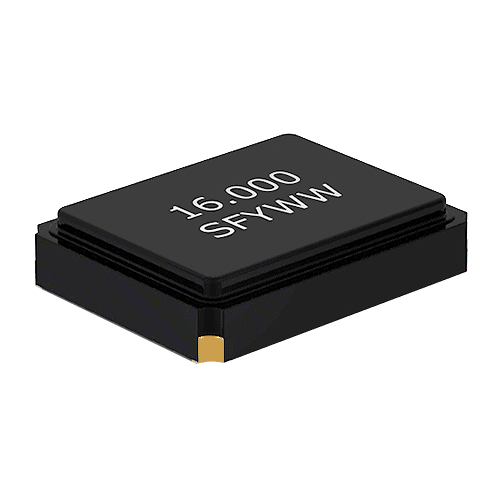 | 3.2mm x 2.5mm Ceramic SMD 4 Pad Glass Crystal | ±10ppm/±10ppm | 10.000MHz - 60.000MHz | 3K | Minature size, Glass seal, low height | |
| SXT532 | 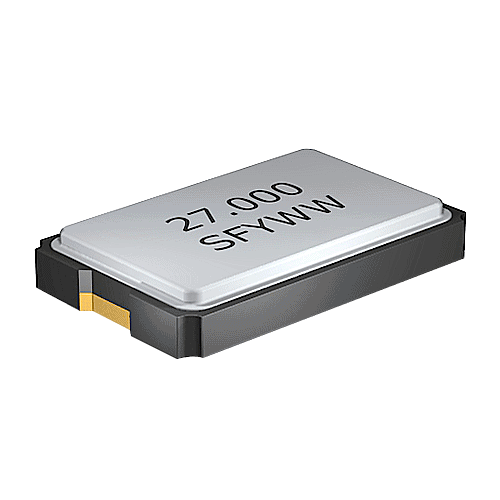 | 5.0mm x 3.2mm Ceramic SMD 2 Pad Crystal | ±10ppm/±10ppm | 8.000MHz - 100.000MHz | 1K | Small Size | |
| SXT534 | 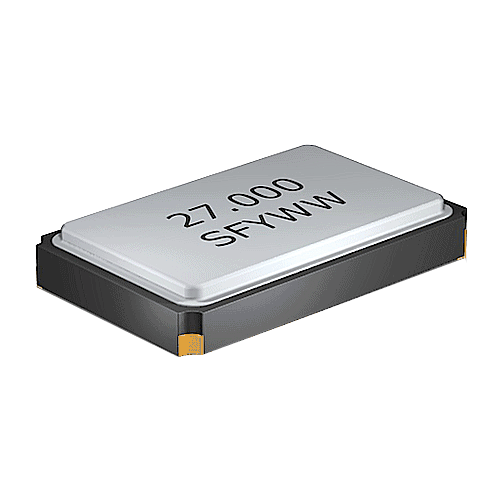 | 5.0mm x 3.2mm Ceramic SMD 4 Pad Crystal | ±10ppm/±10ppm | 7.992MHz - 125.000MHz | 1K | Small Size | |
| SXT5G2 | 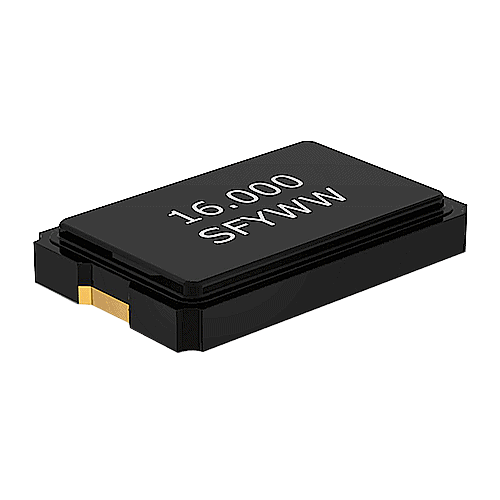 | 5.0mm x 3.2mm Ceramic SMD 2 Pad Glass Crystal | ±10ppm/±10ppm | 8.000MHz - 54.000MHz | 1K | Small Size | |
| SXT632 | 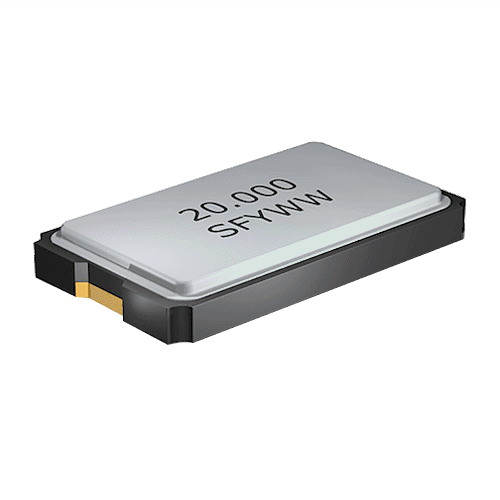 | 6.0mm x 3.5mm Ceramic SMD 2 Pad Crystal | ±10ppm/±10ppm | 7.000MHz - 100.000MHz | 1K | Small Size | |
| SXT634 | 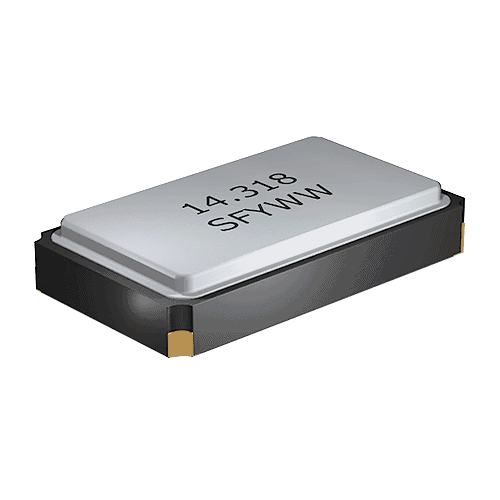 | 6.0mm x 3.5mm Ceramic SMD 4 Pad Crystal | ±10ppm/±10ppm | 8.000MHz - 80.000MHz | 1K | Small Size | |
| SXT6G2 | 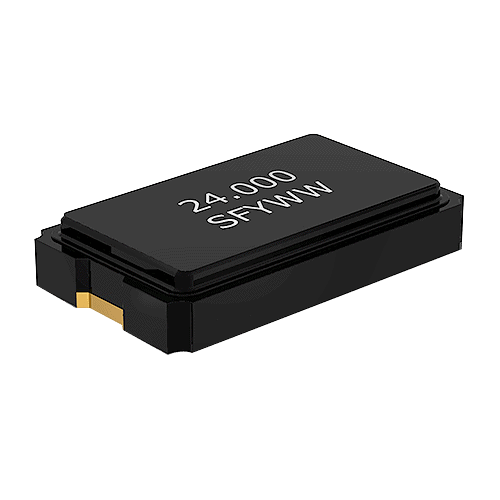 | 6.0mm x 3.5mm Ceramic SMD 2 Pad Glass Crystal | ±10ppm/±10ppm | 8.000MHz - 80.000MHz | 1K | Low Cost, Small Size | |
| SXT754 | 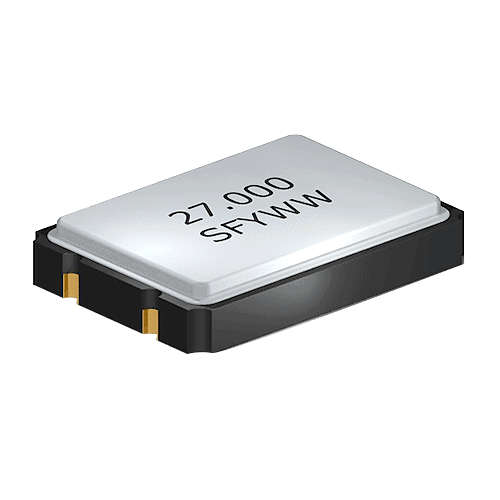 | 7.0mm x 5.0mm Ceramic SMD 4 Pad Crystal | ±10ppm/±10ppm | 6.000MHz - 125.000MHz | 1K | Wide Frequency Range | |
| SXT834 | 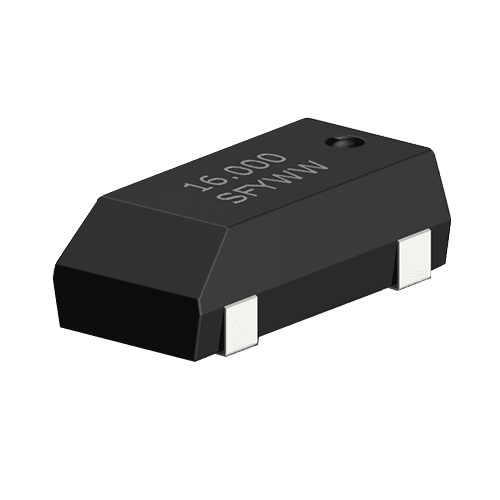 | 8.0mm x 3.8mm Plastic SMD 4 Pad Crystal | ±10ppm/±10ppm | 8.000MHz – 54.000MHz | 3K | Plastic SMD 4 Pad Package | |
| SXT144 | 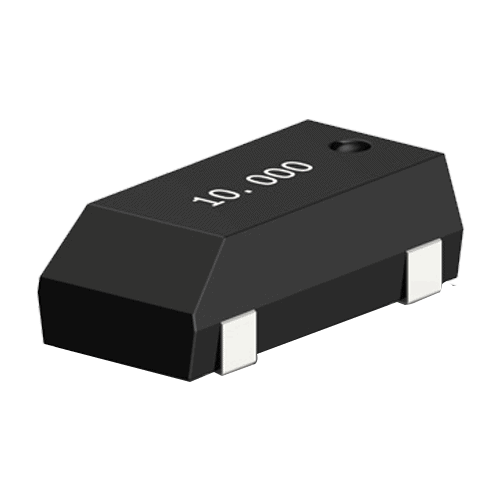 | 12.5mm x 4.6mm Plastic SMD 4 Pad Crystal | ±15ppm | 7.3728MHz - 27MHz | 2K | Plastic SMD 4 Pad Package | |
| SXTHM2 | 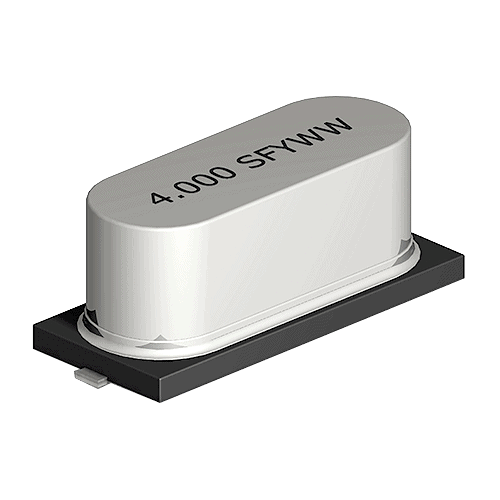 | HC-49/US SMD 2 Pad Crystal | ±10ppm/±10ppm | 3.000MHz - 90.000MHz | 1K | Low Cost, Standard Package | |
| SXTHM4 | 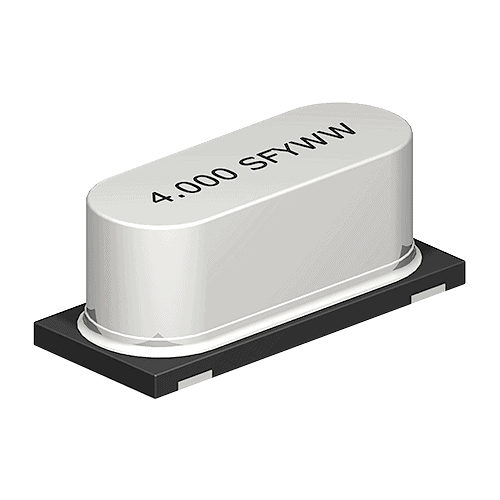 | HC-49/US SMD 4 Pad Crystal | ±10ppm/±10ppm | 3.000MHz - 90.000MHz | 1K | Low Cost, Plastic Alternative | |
| SXTHS2 | 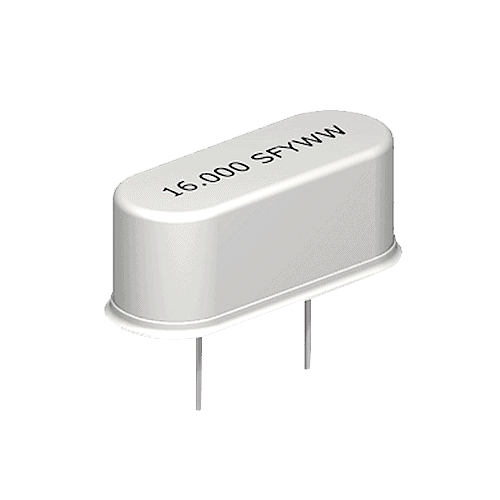 | HC-49/US Crystal | ±10ppm/±10ppm | 3.000MHz - 90.000MHz | N/A | Low Cost, Standard Package | |
| SXTHU2 | 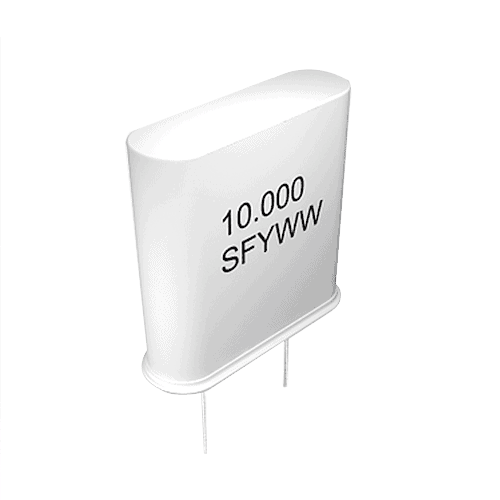 | HC-49/U Crystal | ±10ppm/±10ppm | 1.500MHz - 125.000MHz | N/A | Low Cost, Standard Package | |
| SXTUM2 | 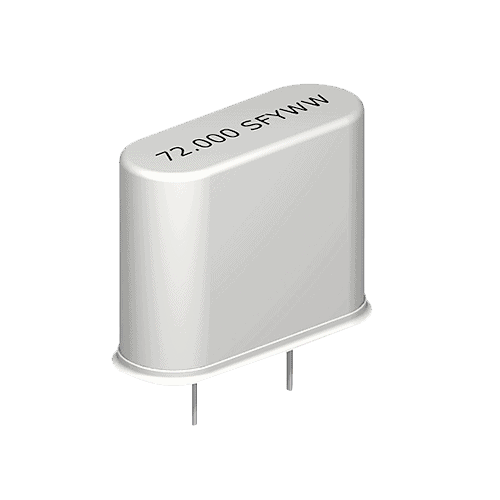 | UM-1 Crystal | ±10ppm/±10ppm | 8.000MHz - 200.000MHz | N/A | Wide Frequency Range | |
| STF832 | 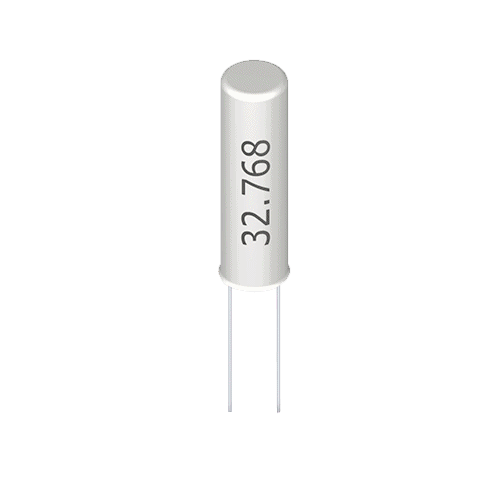 | 8.3mm x 3.2mm Cylinder Crystal | ±20ppm | 25.000kHz - 200.000kHz | N/A | Low Frequency | |
| SCM832 | 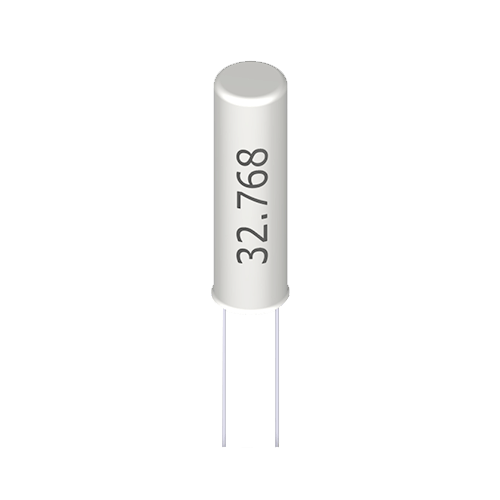 | 8.3mm x 3.2mm Cylinder Crystal | ±20ppm/±30ppm | 3.579MHz - 90.000MHz | N/A | Miniature Package | |
| SCM132 | 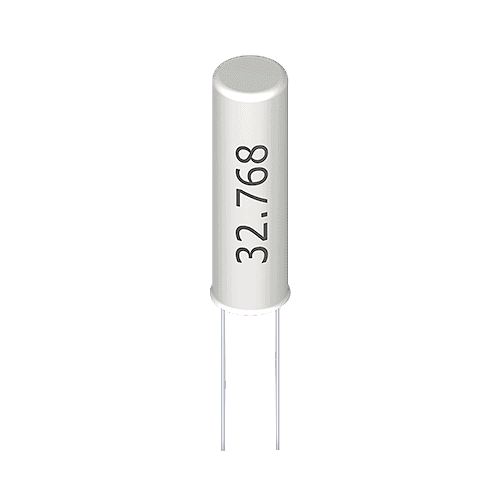 | 10.5mm x 3.2mm Cylinder Crystal | ±20ppm/±30ppm | 3.579MHz - 90.000MHz | N/A | Miniature Package | |
| STF622 | 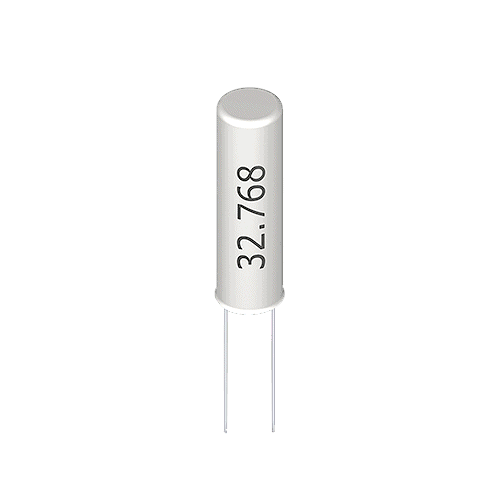 | 6.2mm x 2.1mm Cylinder Crystal | ±20ppm | 25.000kHz - 200.000kHz | N/A | Low Frequency | |
About Crystal Oscillators
Quartz crystals are passive piezoelectric resonators that generate a precise, stable electrical signal at a defined frequency when integrated into an oscillator circuit. The physical dimensions determine the resonant frequency of each crystal and the cut angle of the quartz blank, making these components highly repeatable and reliable across a broad range of operating conditions.
Frequency control crystals are characterized by their nominal frequency, cut type (AT, BT, SC), load capacitance, equivalent series resistance (ESR), frequency tolerance, and temperature stability. AT-cut crystals are the most widely used, covering frequencies from 1 MHz to approximately 200 MHz and offering strong temperature stability across commercial and industrial ranges. SC-cut crystals provide reduced sensitivity to thermal and mechanical stress, making them well-suited for use in precision oscillator designs such as OCXO applications.
Quartz crystals are specified across telecommunications, automotive electronics, GPS receivers, industrial automation, medical instrumentation, and consumer devices. Suntsu also offers the complete frequency control product line for engineers requiring a broader range of timing solutions.
Types of Crystal Oscillators We Offer
SMD Quartz Crystals
Surface-mount quartz crystals are the dominant package type in modern PCB designs, offering compact footprints compatible with automated assembly. Available across a broad frequency range with multiple load capacitance and tolerance options, SMD crystals are standard in IoT devices, wireless modules, microcontroller-based systems, and consumer electronics.
Through-Hole Quartz Crystals
Through-hole crystals in HC-49 and similar packages provide robust mechanical mounting for environments subject to vibration, thermal cycling, or mechanical stress. These remain a reliable choice for industrial equipment, legacy designs, and high-reliability applications where board-level durability is a priority. Their durability makes them indispensable in challenging conditions.
Watch Crystals (32.768 kHz)
Operating at 32.768 kHz, watch crystals are designed specifically for low-power real-time timekeeping in RTC circuits, wearables, and portable battery-operated devices. Their frequency allows a simple flip-flop divider chain to produce exactly one pulse per second. Browse Suntsu’s dedicated watch crystals collection for available options, or pair with our real-time clocks for a complete timekeeping solution.
Custom-Frequency Crystals
For designs requiring non-standard frequencies, tight tolerance specifications, or specific cut types, Suntsu supports custom crystal configurations built to your exact parameters. Contact our sales team with your target frequency, load capacitance, package size, and stability requirements to initiate a custom quote. Engineers requiring higher stability beyond standard crystals can also explore our TCXO and VCXO offerings.
How to Choose the Right Crystal Oscillator
Selecting the correct quartz crystal requires matching electrical, mechanical, and environmental parameters to your circuit design:
Nominal frequency and cut type: Confirm the required operating frequency and select the appropriate cut. AT-cut crystals cover the widest frequency range and are the default choice for most oscillator designs; SC-cut crystals are preferred where phase noise and aging stability are critical.
Load capacitance: Match the crystal’s specified load capacitance to the oscillator circuit’s load capacitance. A mismatch will shift the operating frequency away from the nominal value and degrade timing accuracy.
Frequency tolerance and stability: Define the acceptable frequency deviation at initial calibration and over the operating temperature range. Tighter tolerances increase cost but are necessary in communications, GPS, and precision measurement applications.
Package type and footprint: Select SMD for compact, high-volume designs and through-hole for mechanically demanding environments. Confirm the package dimensions and pad layout match your PCB footprint before finalizing the part.
Aging and drive level: For long-lifecycle applications, specify a crystal with a low aging rate and ensure the oscillator circuit operates at or below the crystal’s maximum drive level. Excessive drive accelerates aging and can cause a permanent frequency shift over time.
Quick Summary
| Features | Benefit | Manufacturing Location(s) | Monthly Capacity |
|---|---|---|---|
| Low Cost, Wide range of frequencies and packages |
Form factor down to 1.2 x 1.0mm, Custom configurations available |
China, Taiwan, South Korea | >20M units |
Frequently Asked Questions: Crystal Oscillators
What is a Crystal Oscillator?
A crystal oscillator is an electronic circuit that uses the mechanical resonance of a quartz crystal, a piezoelectric component, to generate a stable frequency signal. The crystal oscillator circuit works by applying voltage to the crystal, causing it to vibrate at its resonant frequency; that oscillation is then sustained by a feedback circuit and amplifier. Quartz crystal oscillators are used in microprocessors, clocks, GPS receivers, and any electronic device requiring a precise clock signal.
What is the difference between AT-cut and SC-cut crystals?
The AT-cut crystal is the most common type of crystal, covering frequencies from 1 MHz to approximately 200 MHz with strong frequency stability across commercial and industrial temperature ranges. SC-cut crystals are stress-compensated, making them less sensitive to thermal and mechanical changes and the preferred choice for precision oscillator designs where phase noise and long-term frequency stability are critical.
What are the most common crystal oscillator frequencies?
The most widely used crystal frequencies fall in the megahertz range, typically between 20 MHz and 40 MHz, particularly for wireless communication. For real-time clock circuits and digital watches, 32.768 kHz is the standard. This frequency in kilohertz divides cleanly to one pulse per second using a simple flip-flop chain, making it ideal for low-power timekeeping.
What is the difference between quartz crystals and ceramic resonators?
Both quartz crystals and ceramic resonators vibrate when exposed to an AC signal, but quartz crystals deliver significantly higher frequency accuracy and stability. Ceramic resonators are lower cost but less precise, suited for applications where minor frequency drift is acceptable. Quartz crystals are the better choice for electronics where maintaining a stable frequency across temperature changes is essential.
How do I choose the right crystal oscillator?
Start with your circuit design requirements: operating frequency, cut type, load capacitance, frequency tolerance, and package type. A microprocessor crystal quartz clock, for example, typically pairs a crystal with two ceramic capacitors valued between 15 to 33pF in an oscillator circuit. For most applications, an AT-cut crystal in an SMD package is the right starting point. SC-cut and tighter tolerance options are warranted for precision communications, GPS, or long-lifecycle designs where the frequency stability of the crystal is critical.
Where can I buy crystal oscillators and frequency control crystals?
Suntsu offers a full catalog of quartz crystal oscillators and frequency control crystals in SMD and through-hole packages, with standard and custom configurations available. Engineers needing higher stability can also explore our VCXO and temperature compensation oscillator options. Browse the collection above or contact our team directly for custom frequency, tolerance, or package specifications.