
EP2C15AF256C6NES
| Part Description |
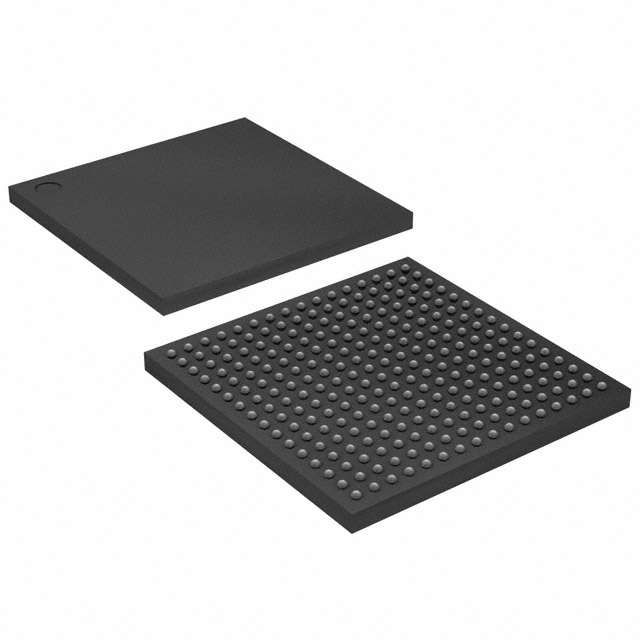
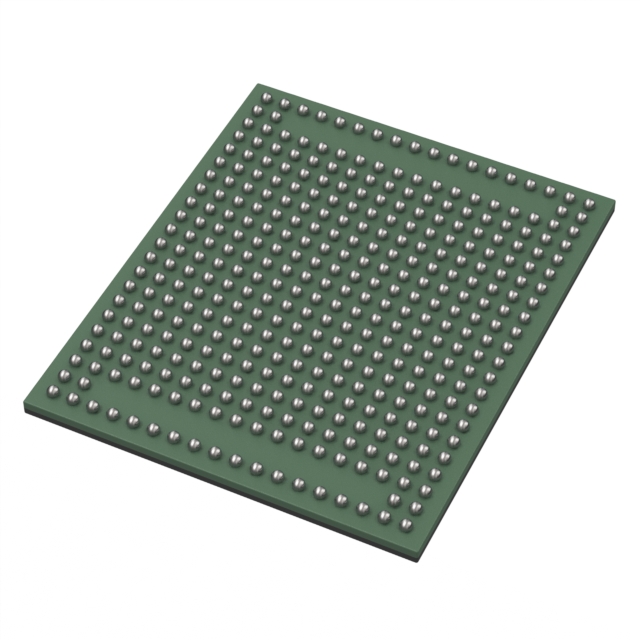
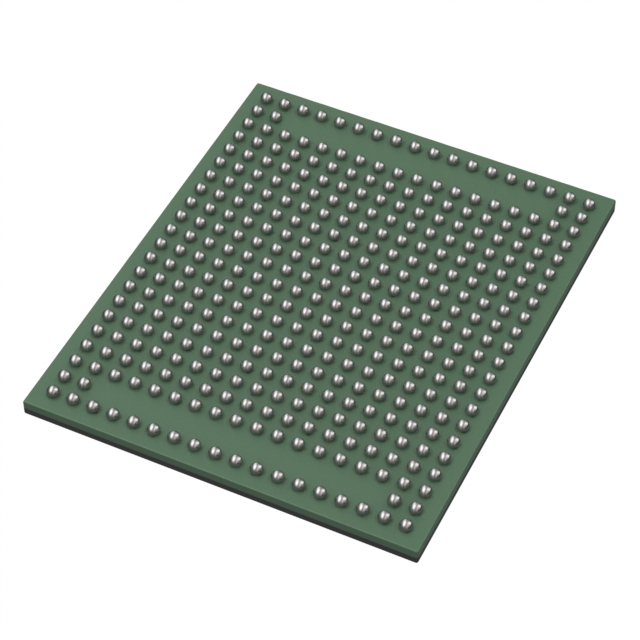
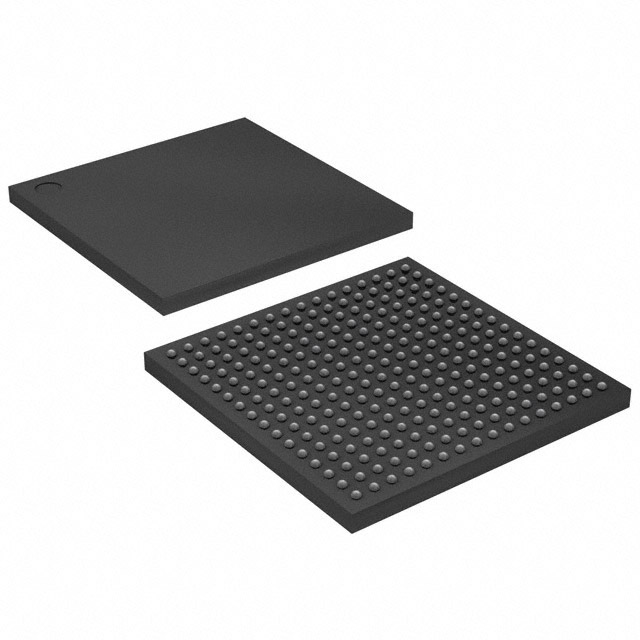
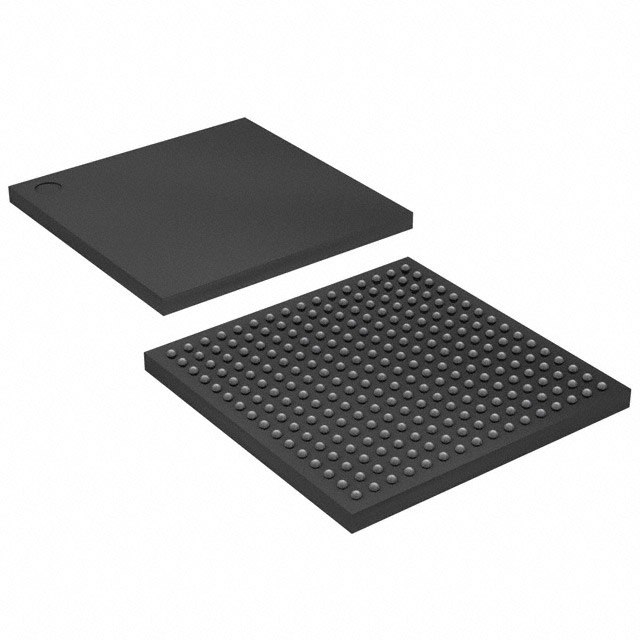
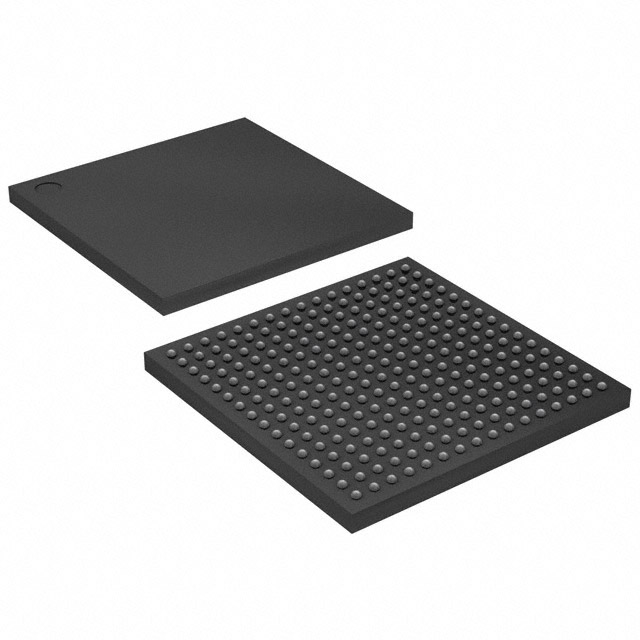
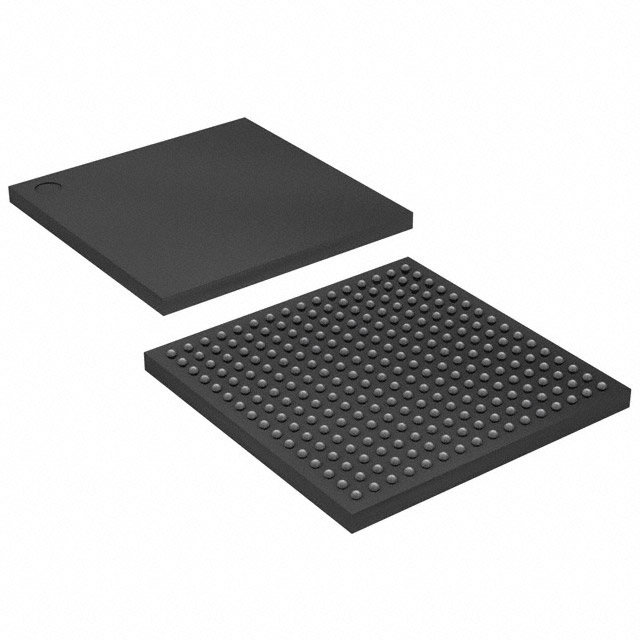
Cyclone® II Field Programmable Gate Array (FPGA) IC 152 239616 14448 256-LBGA |
|---|---|
| Quantity | 771 Available (as of October 8, 2026) |
| Product Category | Field Programmable Gate Array (FPGA) |
|---|---|
| Manufacturer | Intel |
| Manufacturing Status | Active |
| Manufacturer Standard Lead Time | 8 Weeks |
| Datasheet |
Specifications & Environmental
| Device Package | 256-FBGA (17x17) | Grade | Commercial | Operating Temperature | 0°C – 85°C | ||
|---|---|---|---|---|---|---|---|
| Package / Case | 256-LBGA | Number of I/O | 152 | Voltage | 1.15 V - 1.25 V | ||
| Mounting Method | Surface Mount | RoHS Compliance | RoHS Compliant | REACH Compliance | REACH Unaffected | ||
| Moisture Sensitivity Level | 3 (168 Hours) | Number of LABs/CLBs | 903 | Number of Logic Elements/Cells | 14448 | ||
| Number of Gates | N/A | ECCN | 3A991D | HTS Code | 8542.39.0001 | ||
| Qualification | N/A | Total RAM Bits | 239616 |
Overview of EP2C15AF256C6NES – Cyclone® II FPGA, 256‑LBGA, 14,448 logic elements
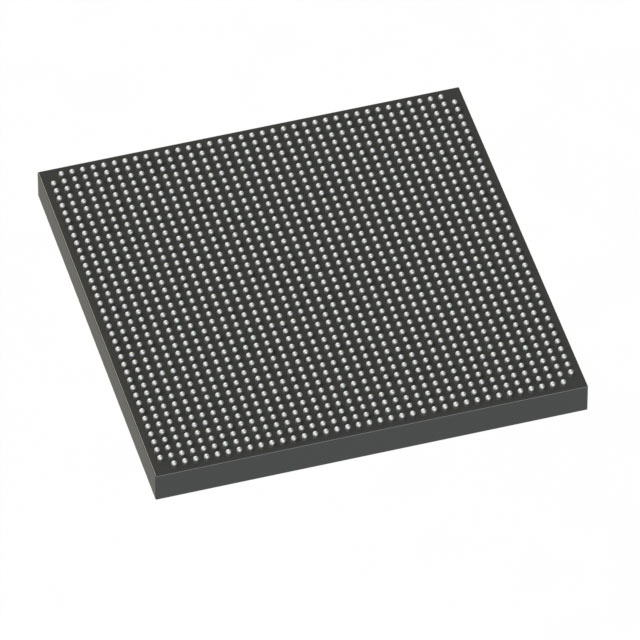
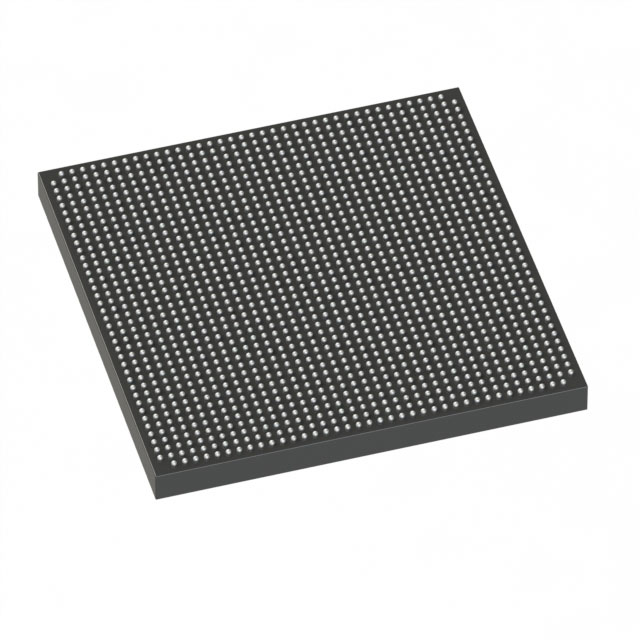
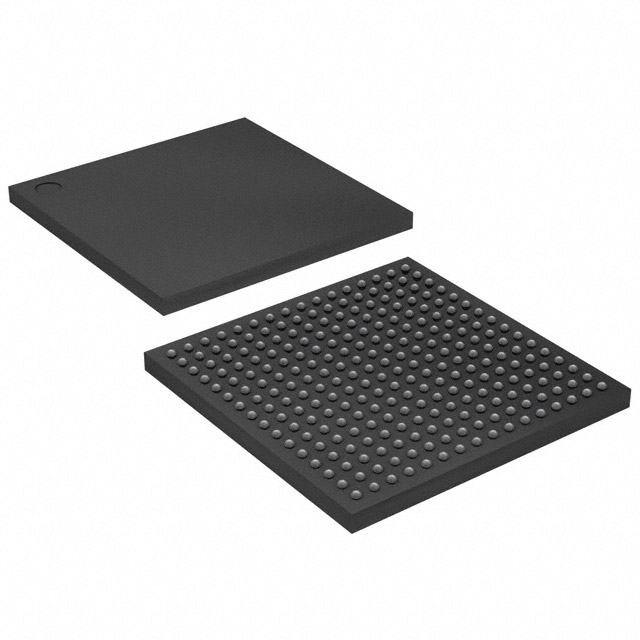
The EP2C15AF256C6NES is a Cyclone® II field programmable gate array (FPGA) optimized for commercial applications that require mid‑range logic capacity and on‑chip memory. It integrates 14,448 logic elements, approximately 0.24 Mbits of embedded RAM, and 152 I/O pins in a compact 256‑ball BGA package.
With a nominal core supply range of 1.15 V to 1.25 V and an operating temperature range of 0 °C to 85 °C, this device is suited to commercial electronic designs that demand balanced logic density, I/O count, and power requirements.
Key Features
- Core Logic 14,448 logic elements provide mid‑range programmable logic capacity for custom digital functions.
- Embedded Memory Approximately 0.24 Mbits of on‑chip RAM for buffering, FIFOs, and small data storage needs.
- I/O Count 152 I/O pins to support multiple parallel interfaces and external device connections.
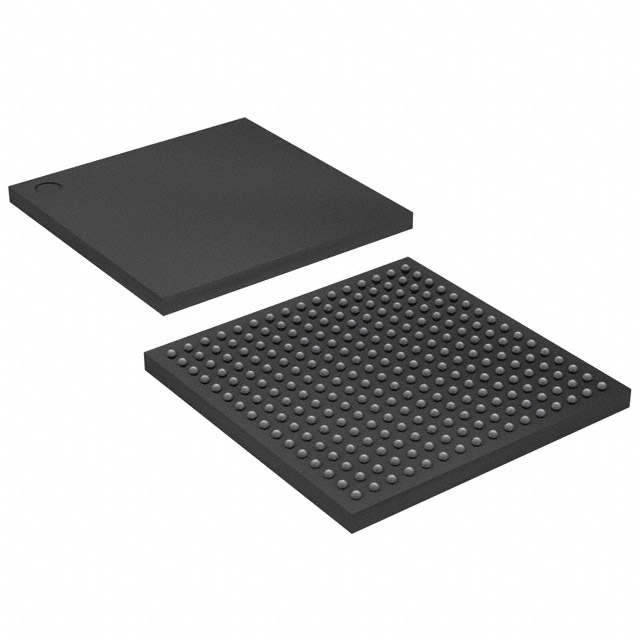
- Package 256‑ball BGA (package case: 256‑LBGA; supplier device package: 256‑FBGA, 17×17) for a compact board footprint and reliable soldered mounting.
- Power Core voltage supply range of 1.15 V to 1.25 V to match supported power delivery designs.
- Operating Range Commercial grade: 0 °C to 85 °C operating temperature, suitable for standard commercial environments.
- RoHS Compliant Device is RoHS compliant to support lead‑free manufacturing processes.
Unique Advantages
- Balanced logic density: 14,448 logic elements deliver substantial programmable resources without the footprint of larger devices, simplifying board layout.
- Integrated on‑chip RAM: Approximately 0.24 Mbits of embedded memory reduces external memory requirements for many control and buffering tasks.
- High I/O count in a compact package: 152 I/Os in a 256‑ball BGA provide broad connectivity while preserving PCB area.
- Commercial temperature range: Rated 0 °C to 85 °C for reliable operation in standard commercial applications.
- Low core voltage: 1.15 V–1.25 V core supply helps constrain power consumption in system designs.
- RoHS compliance: Supports lead‑free assembly processes and modern manufacturing requirements.
Why Choose EP2C15AF256C6NES?
The EP2C15AF256C6NES positions itself as a practical mid‑range Cyclone® II FPGA option for commercial designs that need a combination of logic capacity, embedded memory, and a generous I/O complement in a compact BGA package. Its specifications make it suitable for designs where on‑chip RAM and a moderate number of I/Os can simplify system architecture and reduce board‑level components.
Engineers seeking a commercial‑grade FPGA with clear power and temperature specifications, RoHS compliance, and a compact 256‑ball package will find this device aligns with procurement and integration requirements for a wide range of standard electronic products.
Request a quote or submit a procurement inquiry to begin sourcing EP2C15AF256C6NES for your next commercial FPGA design project.














Date Founded: 1968
Headquarters: Santa Clara, California, USA
Employees: 130,000+
Revenue: $54.23 Billion
Certifications and Memberships: ISO9001:2015, ISO14001:2015, ISO17025:2017, ISO27001:2022, ISO45001:2018, ISO50001:2018


