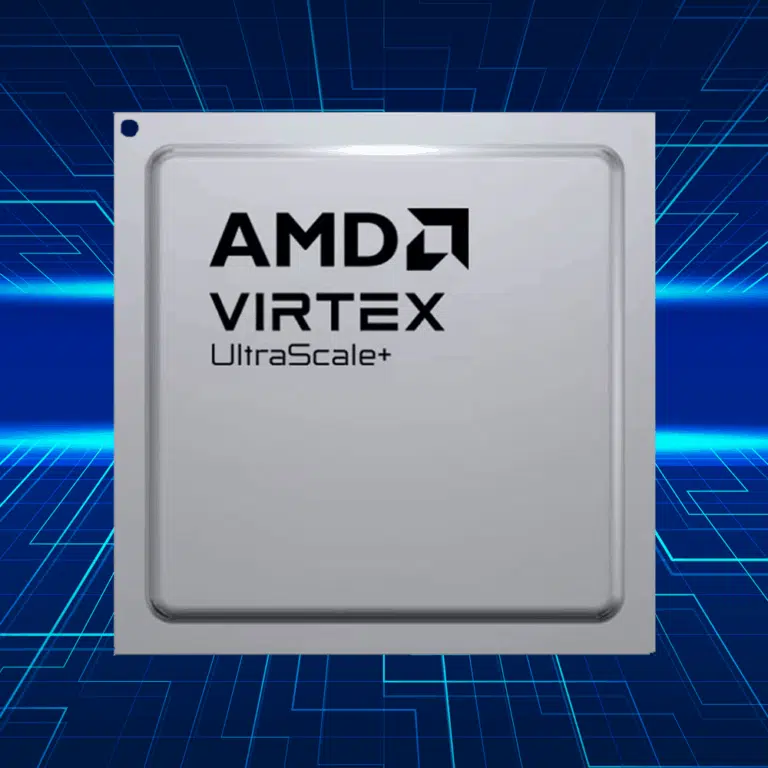
XCV200E-7FG256C
| Part Description |
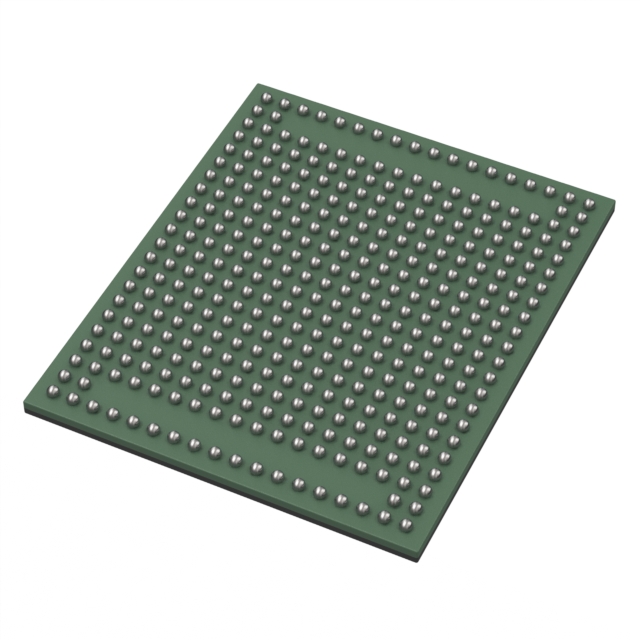
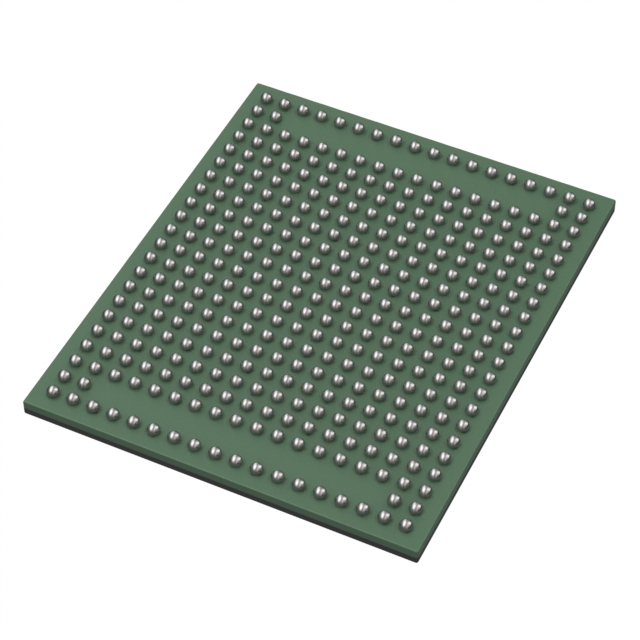
Virtex®-E Field Programmable Gate Array (FPGA) IC 176 114688 5292 256-BGA |
|---|---|
| Quantity | 1,510 Available (as of October 7, 2026) |

| Product Category | Field Programmable Gate Array (FPGA) |
|---|---|
| Manufacturer | AMD |
| Manufacturing Status | Obsolete |
| Manufacturer Standard Lead Time | Contact Us |
| Datasheet |
Specifications & Environmental
| Device Package | 256-FBGA (17x17) | Grade | Commercial | Operating Temperature | 0°C – 85°C | ||
|---|---|---|---|---|---|---|---|
| Package / Case | 256-BGA | Number of I/O | 176 | Voltage | 1.71 V - 1.89 V | ||
| Mounting Method | Surface Mount | RoHS Compliance | RoHS non-compliant | REACH Compliance | REACH Unaffected | ||
| Moisture Sensitivity Level | 3 (168 Hours) | Number of LABs/CLBs | 1176 | Number of Logic Elements/Cells | 5292 | ||
| Number of Gates | 306393 | ECCN | 3A001A7B | HTS Code | 8542.39.0001 | ||
| Qualification | N/A | Total RAM Bits | 114688 |
Overview of XCV200E-7FG256C – Virtex®-E FPGA IC, 256-BGA, 176 I/O
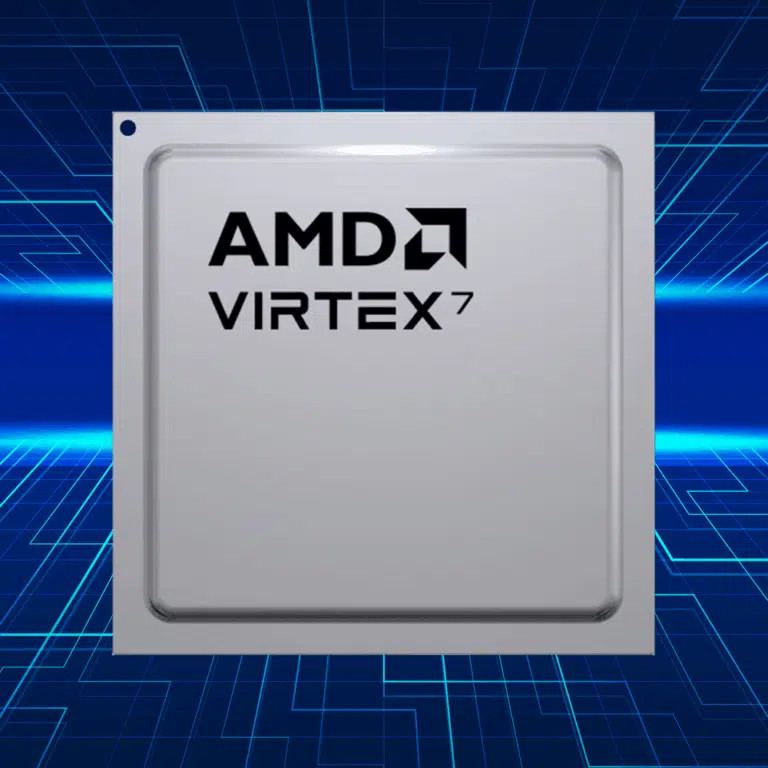
The XCV200E-7FG256C is a Virtex®-E family field programmable gate array supplied by AMD, offered in a 256-ball FBGA (17×17) surface-mount package. This SRAM-based FPGA provides reprogrammable logic suitable for designs that require flexible hardware acceleration, I/O-rich interfacing, and embedded memory resources.
Targeted at commercial applications, the device combines on-chip logic, block RAM, and a broad set of I/O options to support high-performance interfaces, complex control logic, and system prototyping where re-configurability and integration reduce board-level complexity.
Key Features
- Logic Capacity — 5,292 logic elements and approximately 306,393 gates for implementing custom digital logic and state machines.
- Embedded Memory — 114,688 total RAM bits of on-chip memory suitable for buffers, FIFOs, and small local data storage.
- I/O Density and Flexibility — 176 I/O pins; SelectI/O+ style architecture from the Virtex‑E family supports a wide range of interface standards and high aggregate bandwidth.
- High-Speed System Performance — Virtex‑E family characteristics include up to 130 MHz internal performance (four LUT levels) and support for high-speed signalling standards found across the series.
- Clock Management — Series features include multiple built-in digital DLLs for clock multiply/divide and DDR-friendly duty cycle control.
- Memory Interface Support — Series-level support for high-performance external memories (e.g., DDR SDRAM, ZBT SRAM) to enable wide-bandwidth system designs.
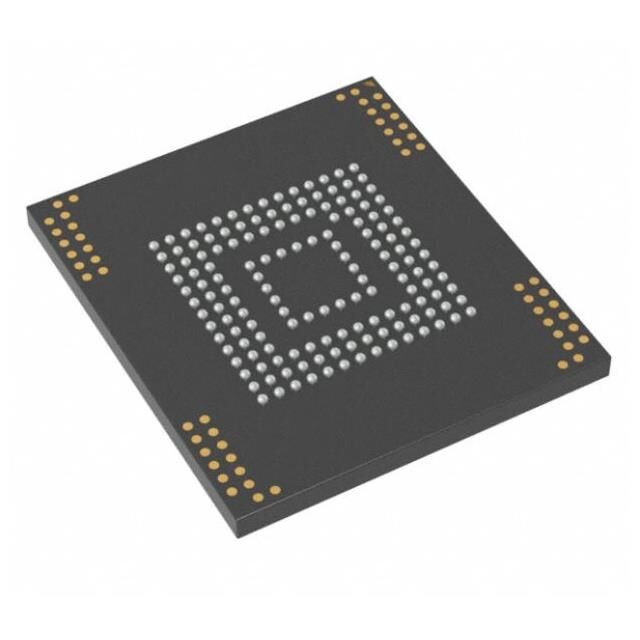
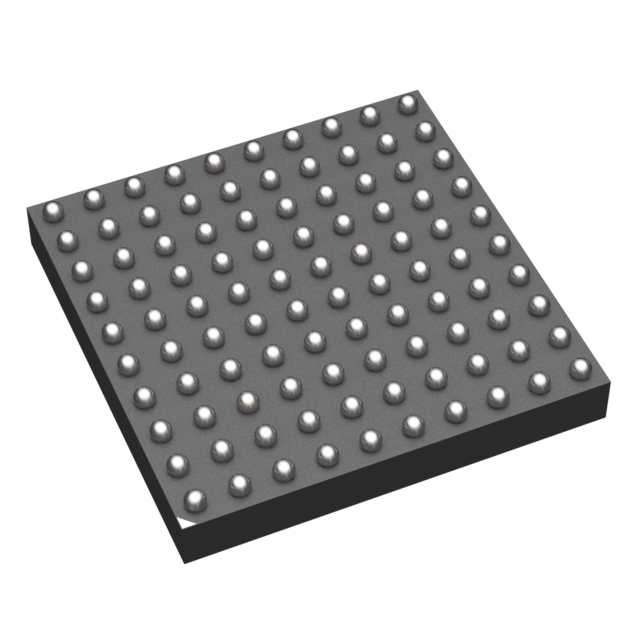
- Package & Mounting — 256-FBGA (17×17) surface-mount package for compact, high-pin-count board designs.
- Power and Environmental — VCCINT range 1.71 V to 1.89 V; commercial-grade operating temperature 0 °C to 85 °C; RoHS compliant.
- Reprogrammability — SRAM-based in-system configuration enables unlimited re-programmability for iterative development and field updates (Virtex‑E family capability).
Typical Applications
- High‑Performance Interface Bridging — Implement protocol converters and interface bridges using the device’s abundant I/O and series support for DDR and other memory interfaces.
- Embedded System Prototyping — Reprogrammable logic and on-chip RAM make the device well suited for validating hardware architectures and accelerating firmware development cycles.
- Communications and Networking — Use the FPGA’s high I/O count and support for differential signalling standards to handle data routing, packet processing, and custom PHY interfaces.
- Custom Control and Signal Processing — Deploy dedicated arithmetic resources and abundant registers for motor control, DSP pipelines, and real-time control logic.
Unique Advantages
- Balanced Logic and Memory: 5,292 logic elements combined with 114,688 bits of embedded RAM provide a practical balance for mid‑density designs that need local storage and combinational logic.
- High I/O Count: 176 available I/Os enable dense peripheral interfacing and flexible pin assignments to simplify board-level routing and reduce external glue logic.
- Reconfigurable Development: SRAM-based architecture supports unlimited in-system reprogramming, accelerating iterative design and enabling field upgrades.
- Commercial Temperature Grade: Rated for 0 °C to 85 °C operation, appropriate for a wide range of commercial electronic products.
- Compact Packaging: 256-FBGA (17×17) delivers high pin count in a compact footprint for space-constrained designs.
- Standards-Oriented Series Features: Leverages Virtex‑E family capabilities such as DLL-based clock management and support for high-performance external memory interfaces to reduce system design effort.
Why Choose XCV200E-7FG256C?
The XCV200E-7FG256C positions itself as a versatile, mid-density Virtex‑E FPGA option for commercial designs that require a balance of logic, embedded memory, and high I/O capacity in a compact FBGA package. Its SRAM-based reprogrammability and family-level features for clock management and memory interfacing make it suitable for development cycles that demand iterative refinement and field updates.
Choose this device when you need a reconfigurable hardware building block that supports complex interfacing and embedded data buffering while maintaining a compact board footprint and compliance with RoHS requirements.
Request a quote or submit an RFQ to check availability and pricing for XCV200E-7FG256C and to discuss how this Virtex‑E FPGA can be integrated into your next design.
















Date Founded: 1969
Headquarters: Santa Clara, California, USA
Employees: 25,000+
Revenue: $22.68 Billion
Certifications and Memberships: ISO9001:2015, RoHS, REACH