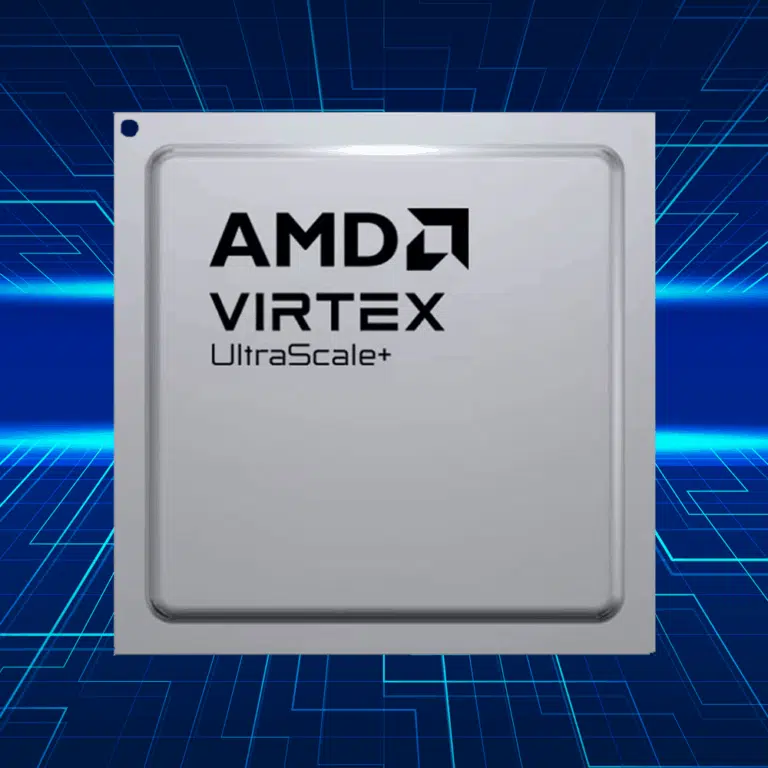
XCV200E-7FG456C
| Part Description |
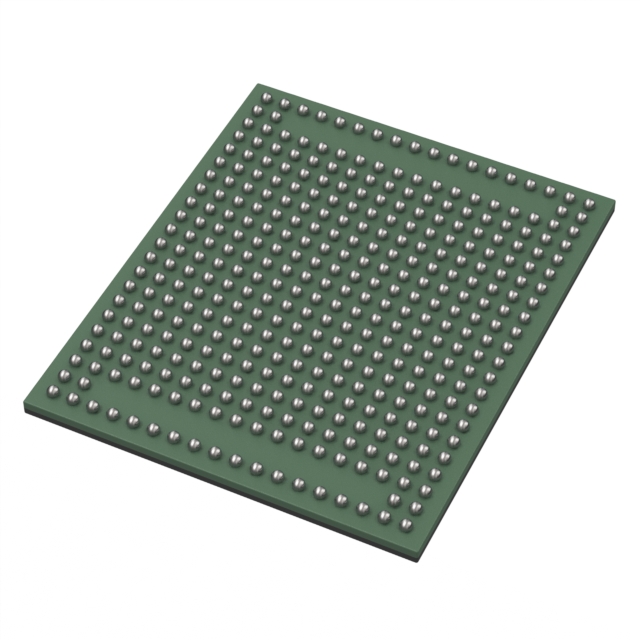
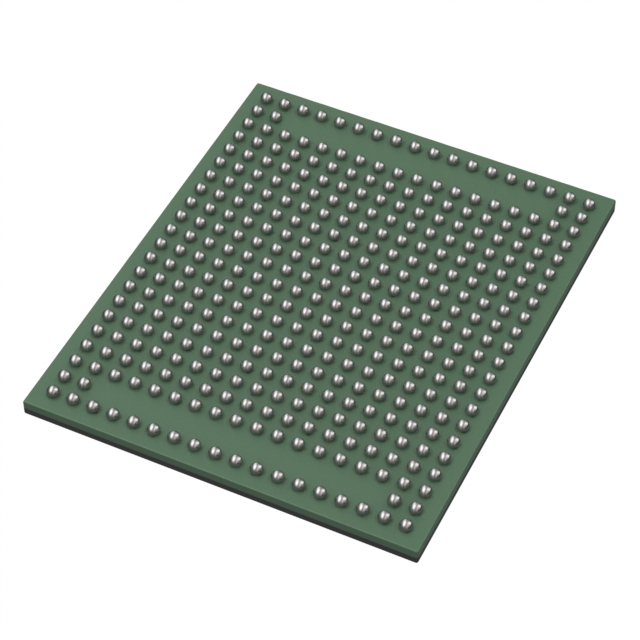
Virtex®-E Field Programmable Gate Array (FPGA) IC 284 114688 5292 456-BBGA |
|---|---|
| Quantity | 48 Available (as of October 8, 2026) |

| Product Category | Field Programmable Gate Array (FPGA) |
|---|---|
| Manufacturer | AMD |
| Manufacturing Status | Obsolete |
| Manufacturer Standard Lead Time | Contact Us |
| Datasheet |
Specifications & Environmental
| Device Package | 456-FBGA (23x23) | Grade | Commercial | Operating Temperature | 0°C – 85°C | ||
|---|---|---|---|---|---|---|---|
| Package / Case | 456-BBGA | Number of I/O | 284 | Voltage | 1.71 V - 1.89 V | ||
| Mounting Method | Surface Mount | RoHS Compliance | RoHS non-compliant | REACH Compliance | REACH Unaffected | ||
| Moisture Sensitivity Level | 3 (168 Hours) | Number of LABs/CLBs | 1176 | Number of Logic Elements/Cells | 5292 | ||
| Number of Gates | 306393 | ECCN | 3A991D | HTS Code | 8542.39.0001 | ||
| Qualification | N/A | Total RAM Bits | 114688 |
Overview of XCV200E-7FG456C – Virtex®-E FPGA, 5,292 logic elements, 456-BBGA
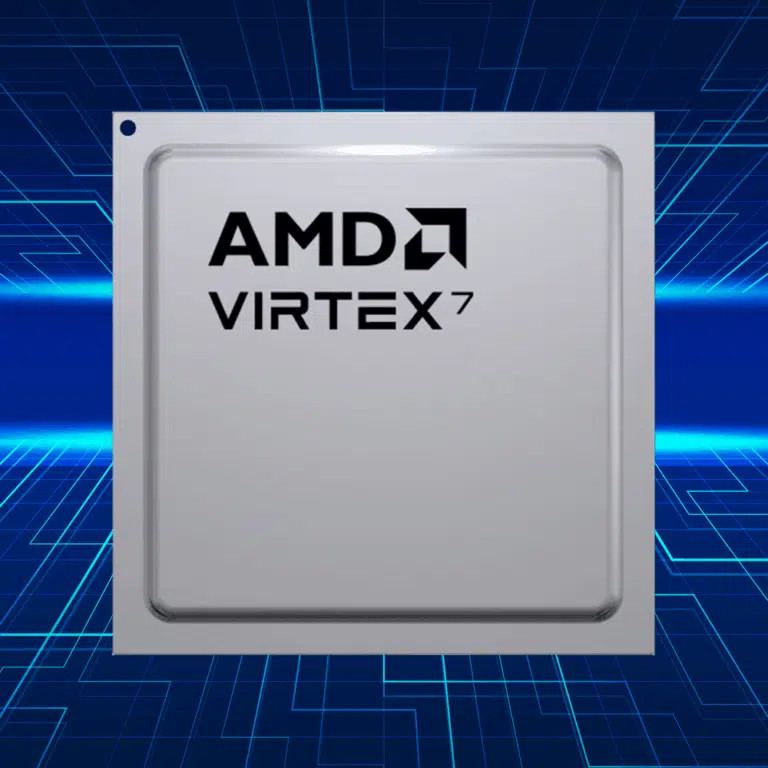
The XCV200E-7FG456C is a Virtex®-E Field Programmable Gate Array (FPGA) in a 456-BBGA package engineered for commercial embedded and high-performance interface applications. This device provides 5,292 logic elements, 114,688 bits of on-chip RAM, and 284 user I/O pins, with an operating supply range of 1.71 V to 1.89 V and a commercial operating temperature range of 0 °C to 85 °C.
As a member of the Virtex‑E 1.8 V family, the device leverages the series’ architectural features—high-density logic, a flexible SelectI/O+ architecture, advanced clock management and a SelectRAM+ memory hierarchy—making it suitable for commercial systems requiring programmable logic, rich I/O, and in-system reconfigurability.
Key Features
- Core Logic Approximately 5,292 logic elements and about 306,393 gates provide a moderate-density programmable fabric for custom logic implementations.
- Embedded Memory Includes 114,688 bits of on-chip RAM (approximately 0.11 Mbits) for buffering, FIFOs, and small local data stores.
- I/O Density & Flexibility 284 I/O pins in a single device; part of the Virtex‑E SelectI/O+ architecture that supports a broad set of high-performance interface standards and differential signaling options described for the family.
- Clocking & Timing Virtex‑E family clock-management features such as multiple Delay-Locked Loops (DLLs) and digitally synthesized duty cycles enable precise timing control and DDR support as described in the Virtex‑E documentation.
- High-Performance Memory Interface (family-level) The Virtex‑E SelectRAM+ memory hierarchy described for the family includes distributed RAM and synchronous block RAM designed for high-bandwidth external memory interfaces.
- Configuration & Reliability SRAM-based in-system reprogrammability and family-level production testing practices ensure field reconfiguration and device validation as outlined in the Virtex‑E materials.
- Power & Supply Internal supply operation in the 1.71 V to 1.89 V range consistent with the Virtex‑E 1.8 V device family.
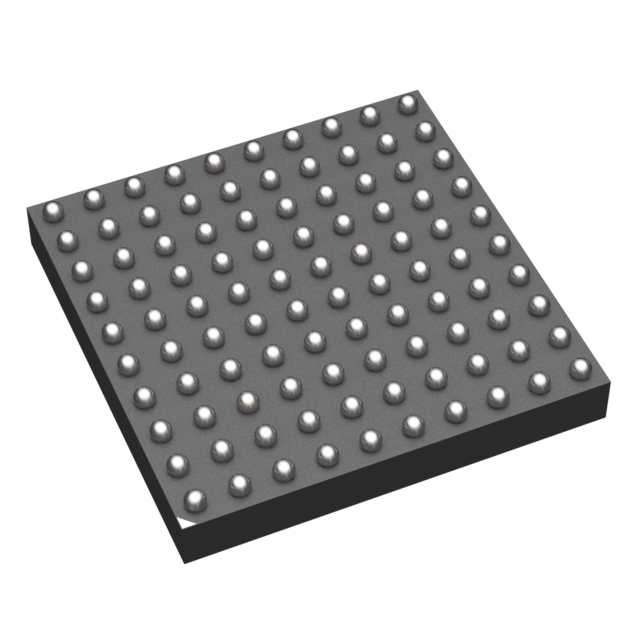
- Package & Mounting 456-BBGA package, supplier package listed as 456-FBGA (23 × 23), surface-mount mounting type; commercial-grade temperature rating of 0 °C to 85 °C.
Typical Applications
- PCI and system interface bridging The Virtex‑E family includes PCI-compliant interfaces (3.3 V, 32/64-bit, 33/66-MHz) suitable for implementing host or bridge logic in commercial systems.
- Memory controller and interface logic Use with high-performance external memories (DDR SDRAMs and ZBT SRAMs are described in the Virtex‑E documentation) for buffering, caching, and controller logic.
- High-speed differential signaling Support for LVDS, BLVDS and LVPECL (family-level features) enables high-speed data and clock distribution in communications and measurement equipment.
- Reconfigurable commercial embedded systems On-chip logic, embedded RAM and in-system SRAM configuration allow iterative development and field updates for commercial products.
Unique Advantages
- Reprogrammable in-system FPGA SRAM-based configuration enables design updates and iterative development without hardware changes.
- Balanced logic and memory resources The combination of ~5,292 logic elements and ~0.11 Mbits of embedded RAM supports mid-density logic functions with local buffering.
- Flexible I/O architecture (family-level) The Virtex‑E SelectI/O+ architecture provides broad interface support and differential signaling capabilities to simplify board-level interfacing.
- Robust clock management (family-level) Multiple DLLs and digitally synthesized clock features described for the family help meet demanding timing and DDR requirements.
- Compact BGA footprint The 456-ball BGA (23 × 23) package provides a high I/O count in a compact surface-mount form factor for space-constrained commercial designs.
Why Choose XCV200E-7FG456C?
The XCV200E-7FG456C offers a practical balance of programmable logic density, embedded memory, and a high I/O count in a commercial-grade Virtex‑E device. It is well suited to commercial embedded designs that require moderate logic resources, flexible high-speed I/O options, and the ability to reconfigure in-system.
As part of the Virtex‑E 1.8 V family, this device benefits from the architectural features and development tool support documented for the family, providing a clear upgrade path and predictable integration for system designs that need programmable logic with high-bandwidth interfacing.
Request a quote or submit an RFQ to check current availability and pricing for the XCV200E-7FG456C and to discuss how this Virtex‑E FPGA can fit into your next commercial design.















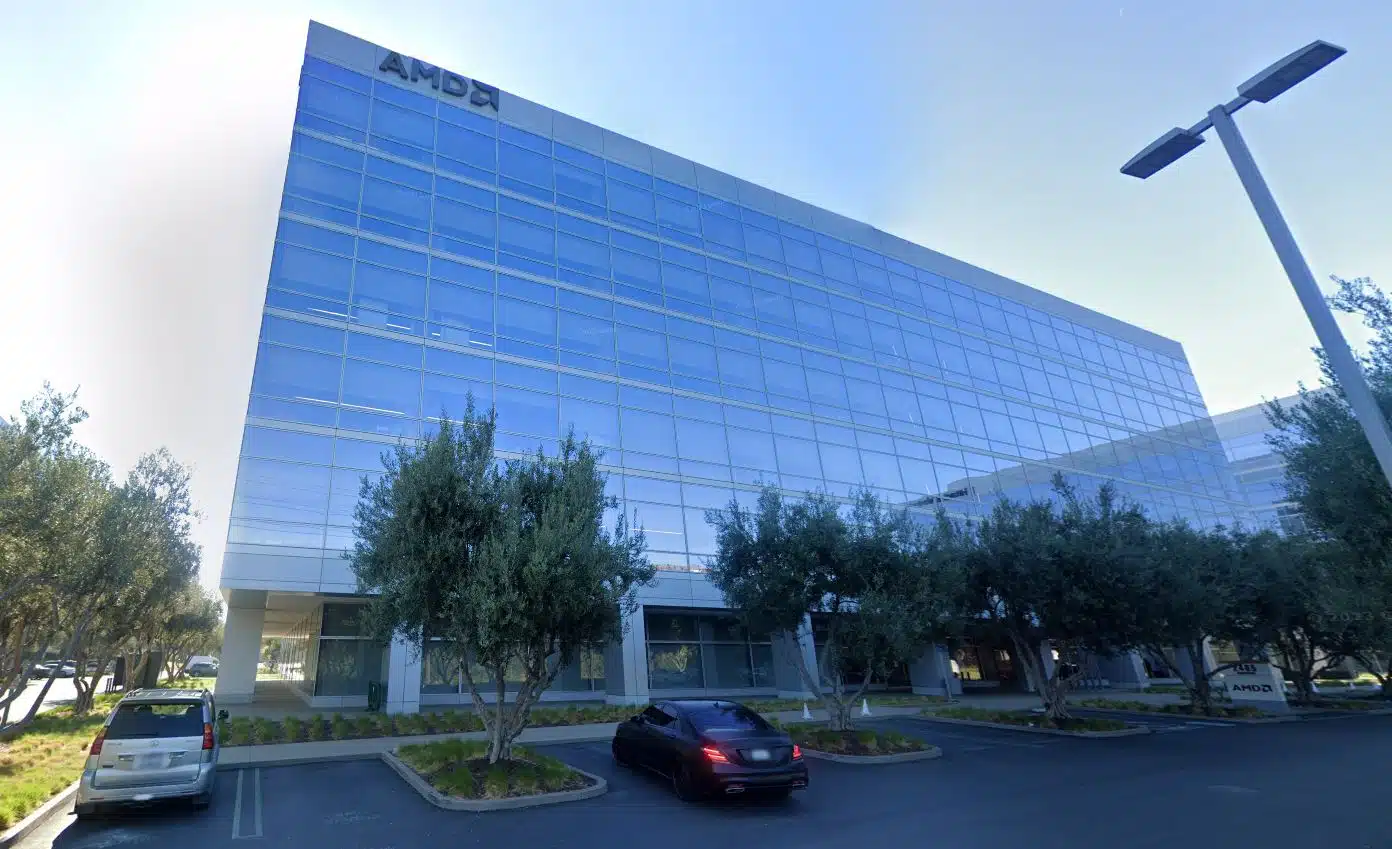
Date Founded: 1969
Headquarters: Santa Clara, California, USA
Employees: 25,000+
Revenue: $22.68 Billion
Certifications and Memberships: ISO9001:2015, RoHS, REACH