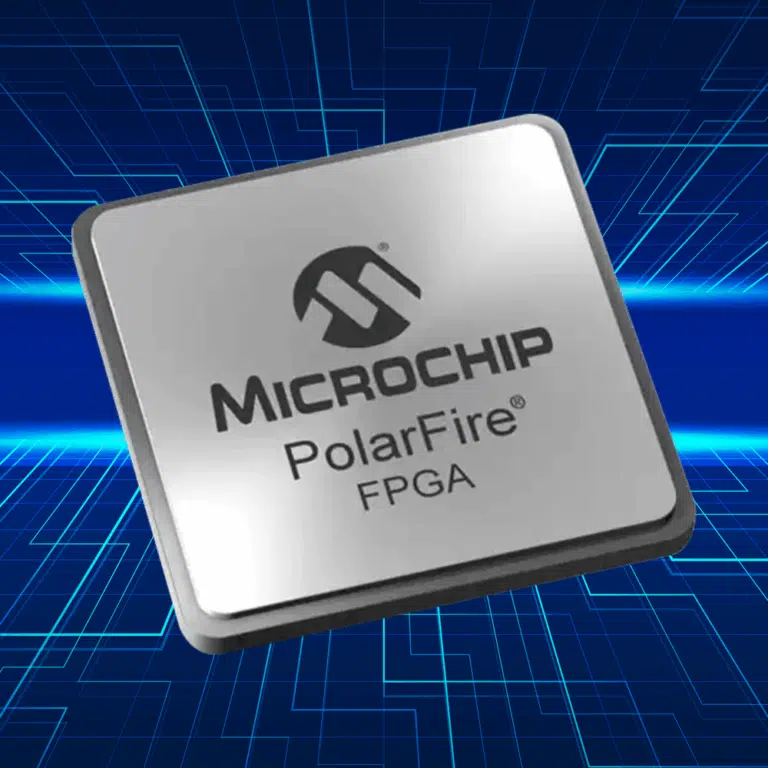
RT4G150-CGG1657PROTO
| Part Description |
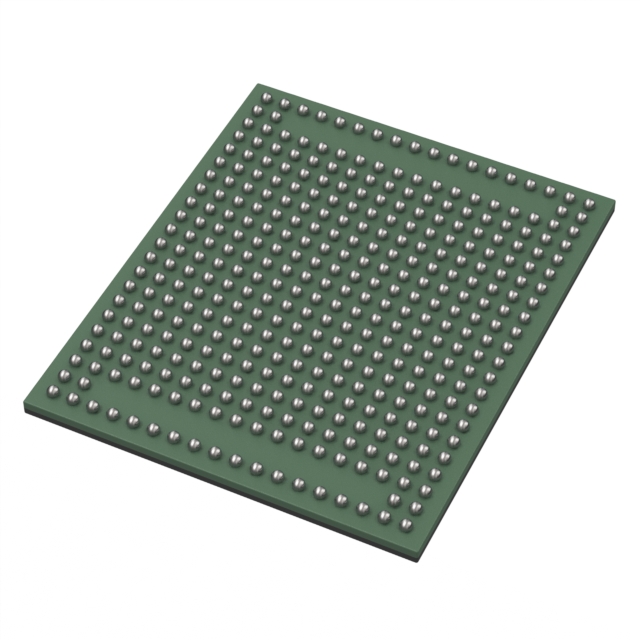
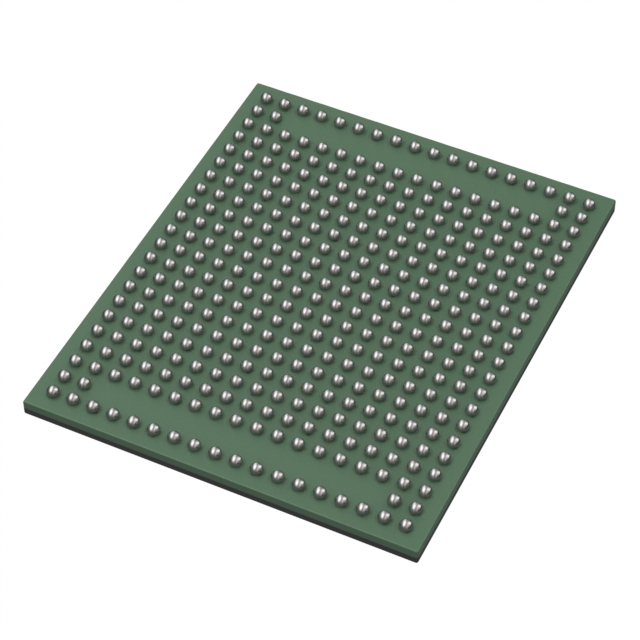
RTG4™ Field Programmable Gate Array (FPGA) IC 5325 151824 1657-BFCCGA |
|---|---|
| Quantity | 579 Available (as of October 8, 2026) |

| Product Category | Field Programmable Gate Array (FPGA) |
|---|---|
| Manufacturer | Microchip Technology |
| Manufacturing Status | Active |
| Manufacturer Standard Lead Time | 36 Weeks |
| Datasheet |
Specifications & Environmental
| Device Package | 1657-CCGA (42.5x42.5) | Grade | Military | Operating Temperature | -55°C – 125°C | ||
|---|---|---|---|---|---|---|---|
| Package / Case | 1657-BFCCGA | Number of I/O | 720 | Voltage | 1.14 V - 1.26 V | ||
| Mounting Method | Surface Mount | RoHS Compliance | Unknown | REACH Compliance | REACH Unaffected | ||
| Moisture Sensitivity Level | N/A | Number of LABs/CLBs | 151824 | Number of Logic Elements/Cells | 151824 | ||
| Number of Gates | N/A | ECCN | N/A | HTS Code | N/A | ||
| Qualification | N/A | Total RAM Bits | 5325 |
Overview of RT4G150-CGG1657PROTO – RTG4™ FPGA, 151,824 logic elements
The RT4G150-CGG1657PROTO is a Microchip Technology RTG4™ field programmable gate array (FPGA) featuring fourth‑generation flash‑based FPGA fabric with architecture details and performance characteristics suitable for demanding, mission‑critical systems. The device integrates hardened logic fabric, high‑speed serial connectivity and memory interfaces designed for radiation‑tolerant and high‑reliability applications.
Targeted use cases include space flight, high‑altitude aviation, medical electronics and nuclear power plant control where resistance to radiation‑induced configuration upsets, sustained operation across a wide temperature range, and high logic density are required.
Key Features
- Flash‑based RTG4 fabric Microchip’s fourth‑generation flash FPGA fabric provides resistance to radiation‑induced configuration upsets, supporting operation in harsh radiation environments.
- High logic density Up to 151,824 logic elements (cells/registers) with 4‑input LUTs and fast carry chains for fabric operation up to 300 MHz.
- Embedded memory and DSP Multiple embedded memory options and embedded multiply‑accumulate blocks enable DSP workload support; total on‑chip RAM specified as 5,325 bits.
- High‑speed serial and memory interfaces Native SerDes capability at 3.125 Gbps and support for DDR2/DDR3/LPDDR memory controllers for high‑bandwidth I/O and memory subsystems.
- I/O and package 720 user I/Os in a surface‑mount 1657‑BFCCGA package (supplier device package 1657‑CCGA, 42.5 × 42.5 mm).
- Robust electrical and environmental range Core supply voltage 1.14 V to 1.26 V; operating temperature −55 °C to 125 °C; military grade device; RoHS compliant.
Typical Applications
- Space systems — Onboard processing and interface bridging for LEO, MEO, GEO, HEO and deep‑space missions where radiation‑hardened configuration is required.
- High‑altitude aviation — Avionics processing and high‑speed serial communications in environments with increased radiation exposure and wide temperature extremes.
- Medical electronics — Signal processing and control logic that benefit from hardened configuration and deterministic FPGA fabric performance.
- Nuclear power plant control — Control, monitoring and data acquisition applications that require robust operation under radiation and elevated reliability demands.
Unique Advantages
- Radiation‑hardened configuration: Designed to resist single‑event upsets and configuration loss in radiation environments, reducing the need for external mitigation.
- Very high logic capacity: 151,824 logic elements enable complex system integration on a single device, reducing board‑level BOM and interconnect complexity.
- Integrated high‑speed interfaces: Built‑in 3.125 Gbps SerDes and DDR memory controller support simplify high‑bandwidth I/O and memory subsystem design.
- Wide operational envelope: Military grade with −55 °C to 125 °C operating temperature and surface‑mount 1657‑BFCCGA packaging for deployment in harsh environments.
- Low‑voltage core operation: 1.14–1.26 V supply range supports contemporary low‑voltage system architectures.
- Standards‑oriented DSP capability: Embedded multiply‑accumulate blocks and LUT4 fabric running up to 300 MHz support deterministic DSP tasks.
Why Choose RT4G150-CGG1657PROTO?
The RT4G150-CGG1657PROTO combines high logic density, hardened flash‑based FPGA fabric and integrated high‑speed interfaces to address applications that demand reliability in radiation environments and sustained operation across wide temperature ranges. Its mix of DSP resources, SerDes, and memory interface support makes it suitable for system designs that consolidate multiple functions into a single, robust programmable device.
This device is well suited for teams designing satellite subsystems, avionics boards, medical instrumentation and nuclear control electronics that require long‑term robustness, a high level of integration, and vendor‑backed FPGA architecture for deployment in challenging environments.
Request a quote or submit an RFQ for RT4G150-CGG1657PROTO to obtain pricing and availability information for your next design.













Date Founded: 1989
Headquarters: Chandler, Arizona, USA
Employees: 22,000+
Revenue: $8.349 Billion
Certifications and Memberships: ISO9001:2015, IATF16949:2016, AS 9100D