
10M16DAF256A7G
| Part Description |
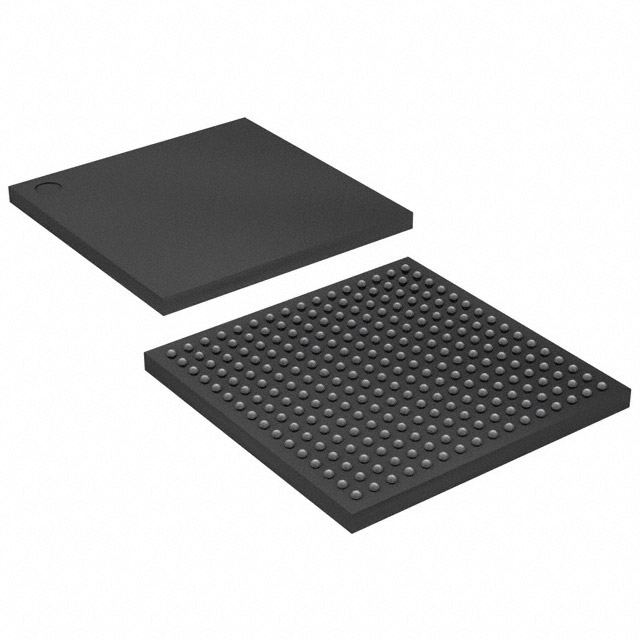
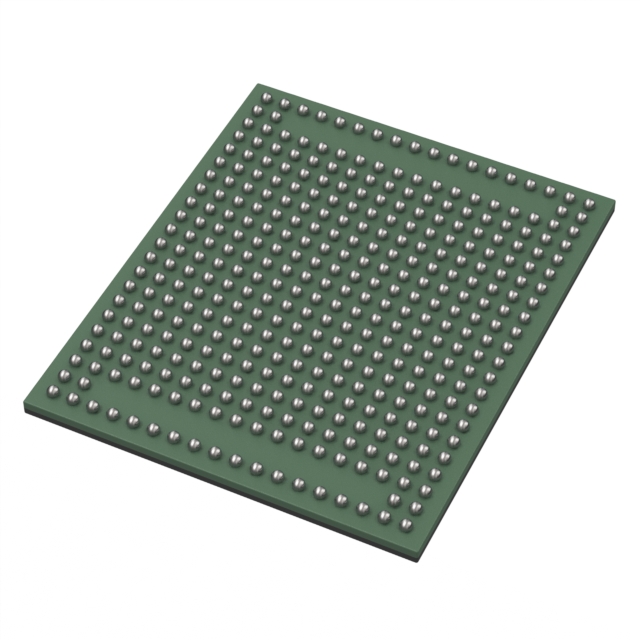
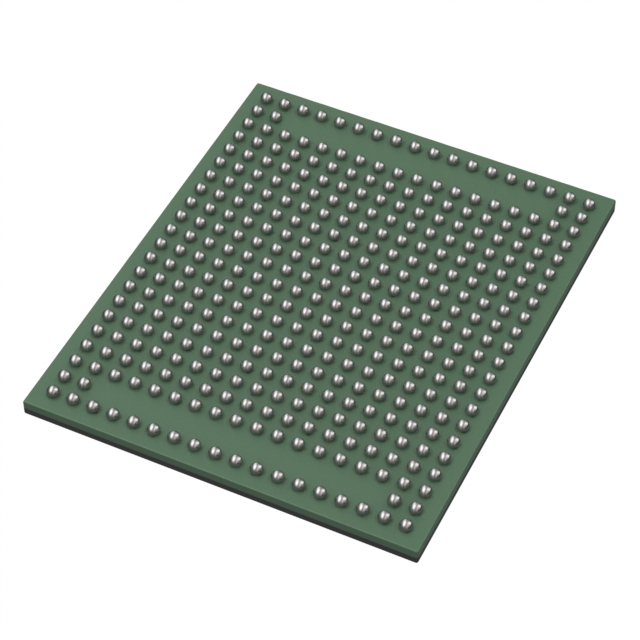
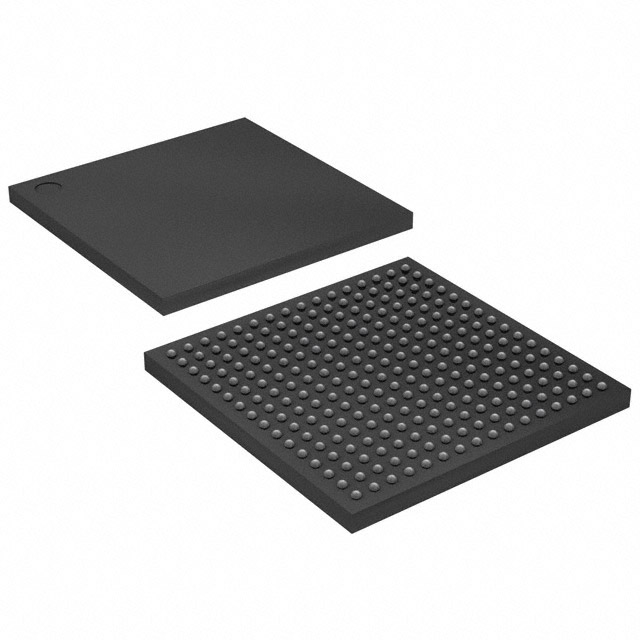
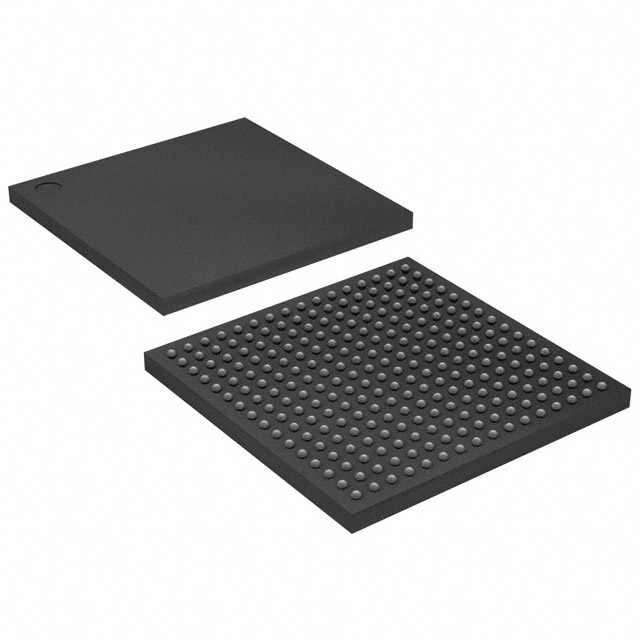
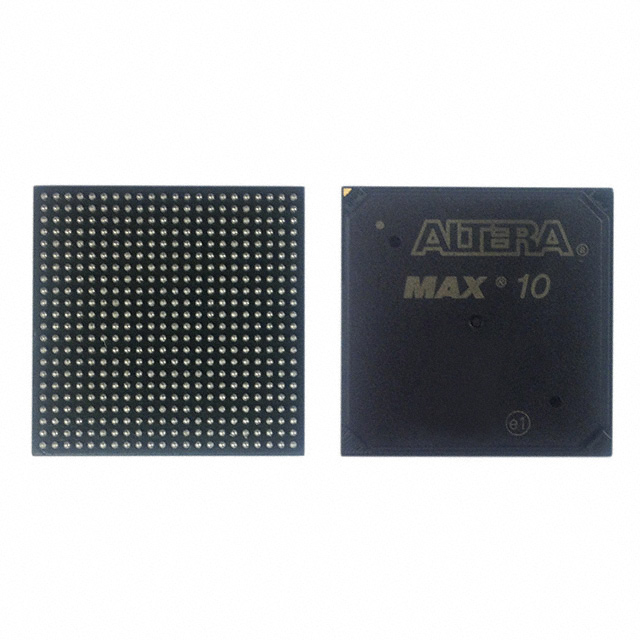
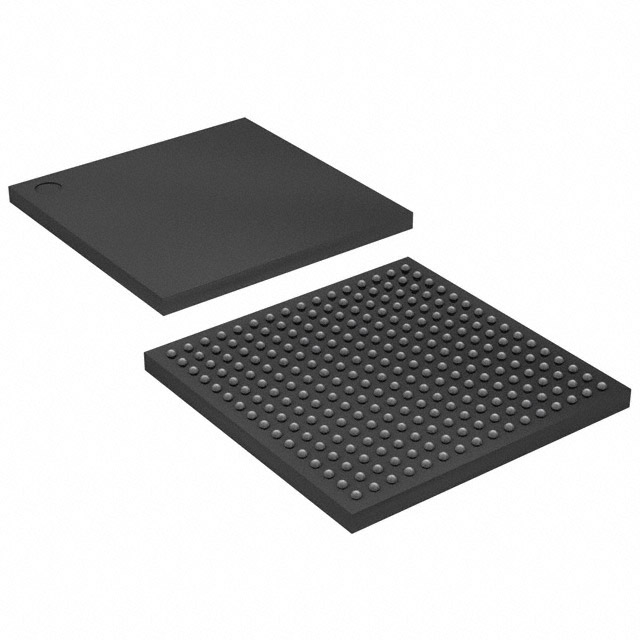
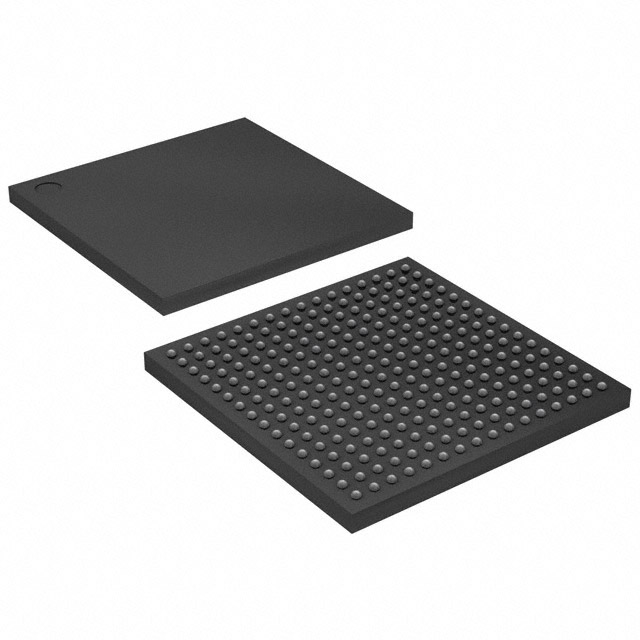
MAX® 10 Field Programmable Gate Array (FPGA) IC 178 562176 16000 256-LBGA |
|---|---|
| Quantity | 537 Available (as of October 8, 2026) |
| Product Category | Field Programmable Gate Array (FPGA) |
|---|---|
| Manufacturer | Intel |
| Manufacturing Status | Active |
| Manufacturer Standard Lead Time | 16 Weeks |
| Datasheet |
Specifications & Environmental
| Device Package | 256-FBGA (17x17) | Grade | Automotive | Operating Temperature | -40°C – 125°C | ||
|---|---|---|---|---|---|---|---|
| Package / Case | 256-LBGA | Number of I/O | 178 | Voltage | 1.15 V - 1.25 V | ||
| Mounting Method | Surface Mount | RoHS Compliance | ROHS3 Compliant | REACH Compliance | REACH Unaffected | ||
| Moisture Sensitivity Level | 3 (168 Hours) | Number of LABs/CLBs | 1000 | Number of Logic Elements/Cells | 16000 | ||
| Number of Gates | N/A | ECCN | 3A991D | HTS Code | 8542.39.0001 | ||
| Qualification | AEC-Q100 | Total RAM Bits | 562176 |
Overview of 10M16DAF256A7G – MAX® 10 FPGA, 16k Logic, 256-LBGA
The 10M16DAF256A7G is an Intel MAX® 10 Field Programmable Gate Array (FPGA) supplied in a 256-LBGA package. It integrates 16,000 logic elements and 562,176 bits of on-chip RAM to support complex logic, buffering and data-path functions in embedded designs.
Designed for surface-mount assembly and qualified to AEC-Q100, this device targets automotive and other high-reliability applications that require a low-voltage core (1.15–1.25 V), wide operating temperature range (−40 °C to 125 °C) and substantial I/O connectivity (178 pins).
Key Features
- Core Logic 16,000 logic elements provide a flexible fabric for implementing custom logic, glue logic, and moderate parallel processing tasks.
- On-Chip Memory 562,176 total RAM bits for packet buffering, FIFOs, and intermediate data storage within the FPGA fabric.
- I/O Capacity 178 I/O pins to support multiple external interfaces and signal domain connections.
- Power Low-voltage core operation at 1.15 V to 1.25 V to align with modern low-power system architectures.
- Package & Mounting 256-LBGA package (supplier listing: 256-FBGA, 17 × 17 mm) designed for surface-mount PCB assembly.
- Automotive Qualification & Temperature Range AEC-Q100 qualified and specified for −40 °C to 125 °C operation for use in temperature-demanding environments.
- Environmental Compliance RoHS compliant to meet common lead-free manufacturing requirements.
Typical Applications
- Automotive control modules Use the AEC-Q100-qualified FPGA for in-vehicle logic, signal conditioning, and control tasks across a wide temperature range.
- Sensor interfacing and aggregation 178 I/O and substantial on-chip RAM allow aggregation and pre-processing of multiple sensor streams before passing data to a host processor.
- Embedded data buffering On-chip RAM supports buffering and packet handling in systems that require deterministic latency and local storage.
- Custom logic and protocol bridging Implement application-specific state machines, protocol translators, and glue logic between heterogeneous peripherals.
Unique Advantages
- Automotive-Grade Qualification: AEC-Q100 qualification and −40 °C to 125 °C rating support deployment in automotive environments that demand temperature resilience.
- Substantial Logic & Memory in a Compact Package: 16,000 logic elements and 562,176 RAM bits in a 256-LBGA (17 × 17 mm) package reduce board area while enabling complex functions.
- High I/O Count: 178 I/Os simplify external connectivity and reduce the need for additional interface devices.
- Low-Voltage Operation: 1.15–1.25 V core supply aligns with modern low-power platforms and power-rail constraints.
- RoHS Compliance: Meets common lead-free manufacturing requirements for global electronics production.
Why Choose 10M16DAF256A7G?
The 10M16DAF256A7G positions itself as a compact, automotive-qualified FPGA solution that combines a sizeable logic capacity with significant on-chip RAM and a high I/O count. Its low-voltage core and wide operating temperature range make it suitable for embedded systems that require reliable operation under demanding environmental conditions.
This device is well suited for engineers developing automotive control modules, sensor aggregation nodes, and custom logic solutions that demand AEC-Q100 qualification, robust I/O connectivity, and local memory for buffering. Its package and surface-mount form factor simplify integration into production PCB assemblies.
Request a quote or submit an inquiry to obtain pricing, availability, and support for integration in your next design.














Date Founded: 1968
Headquarters: Santa Clara, California, USA
Employees: 130,000+
Revenue: $54.23 Billion
Certifications and Memberships: ISO9001:2015, ISO14001:2015, ISO17025:2017, ISO27001:2022, ISO45001:2018, ISO50001:2018


