
1SG280HU1F50E2VGS3
| Part Description |
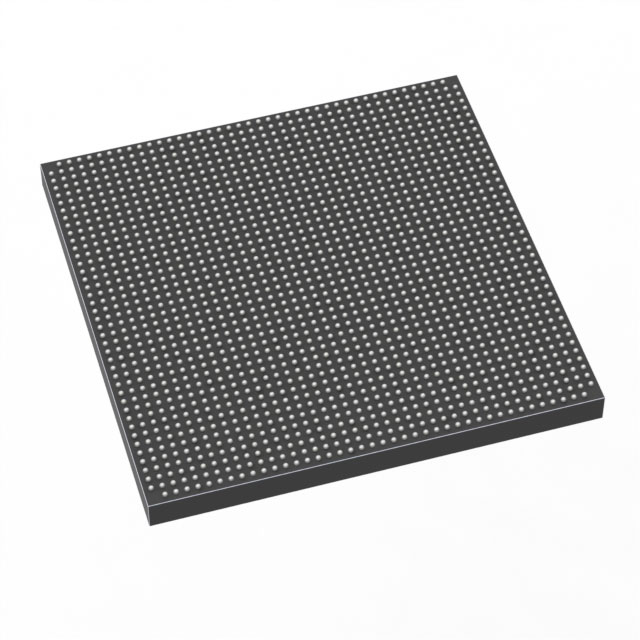
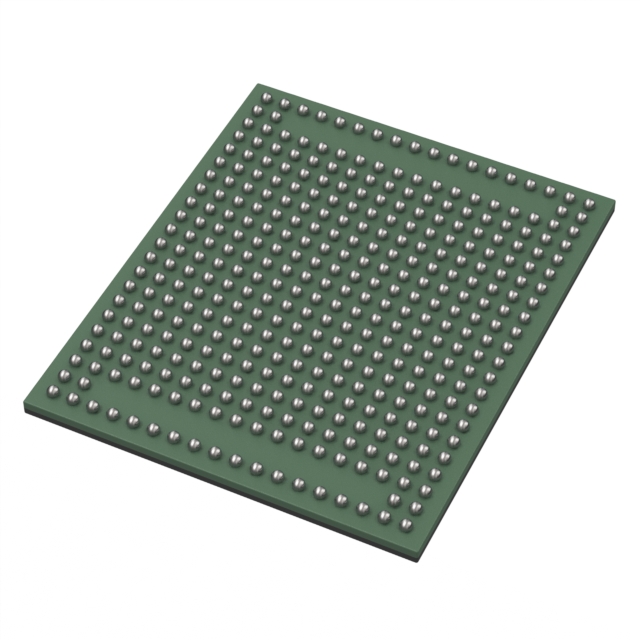
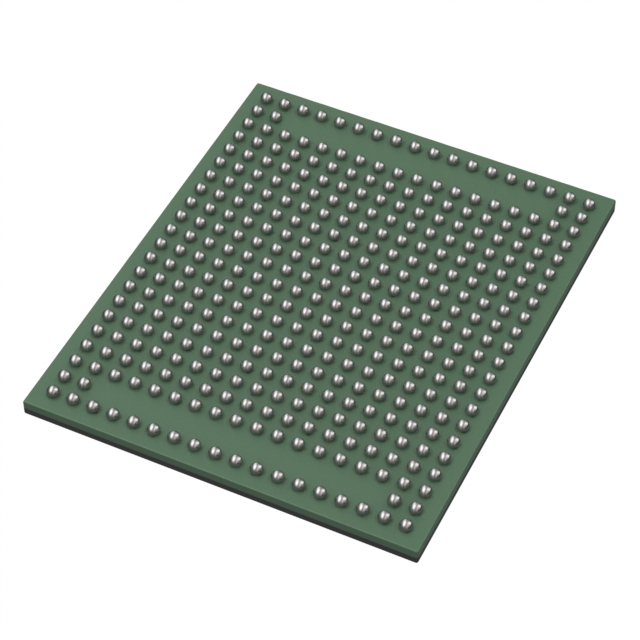
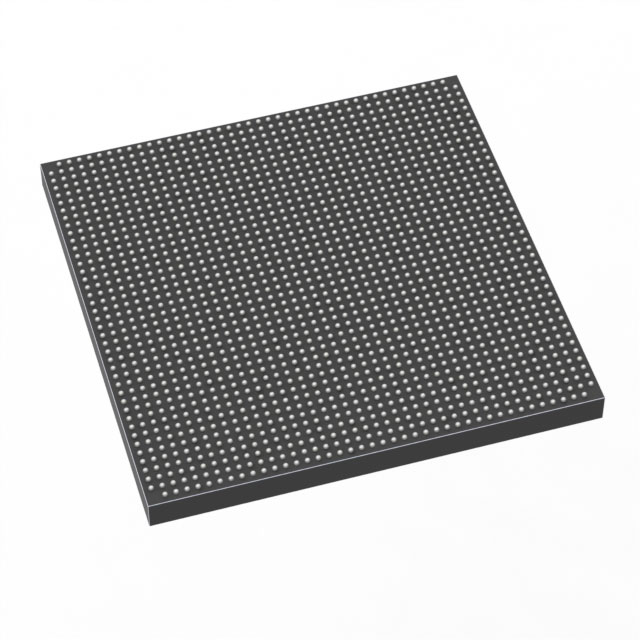
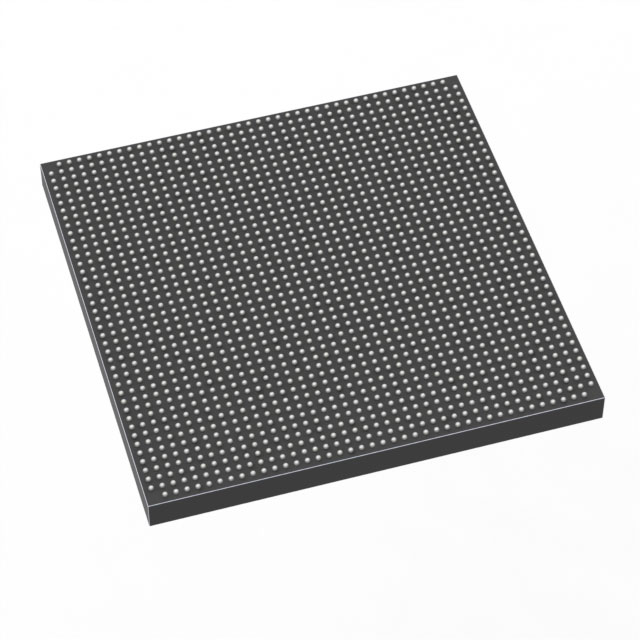
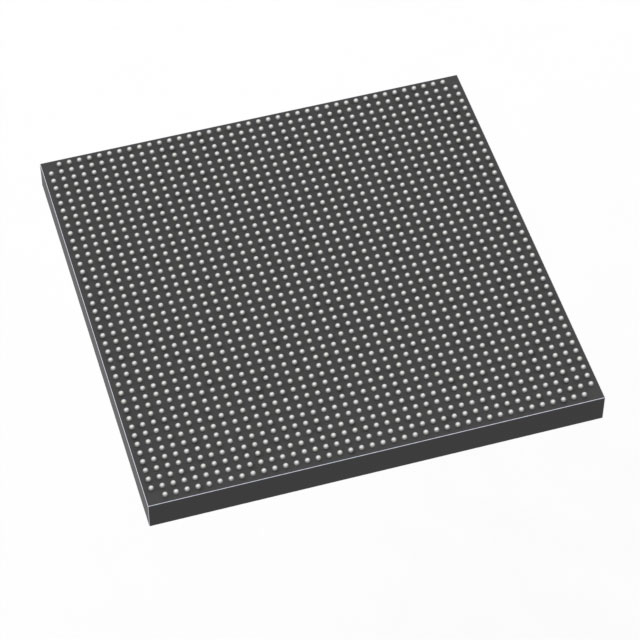
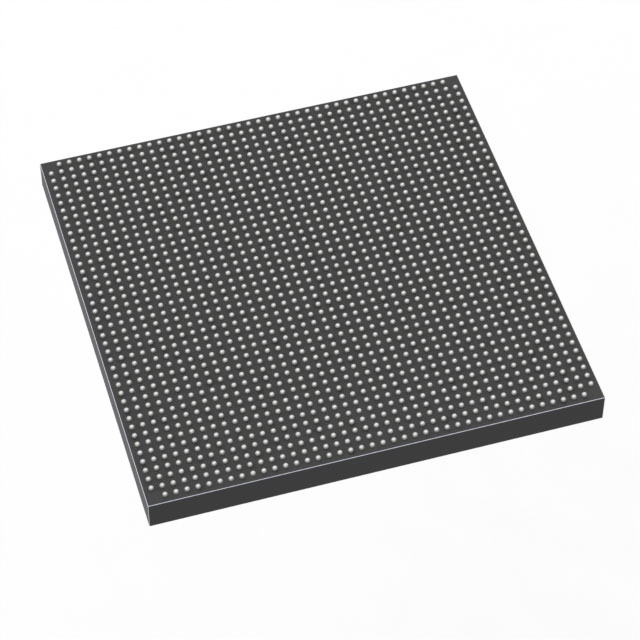
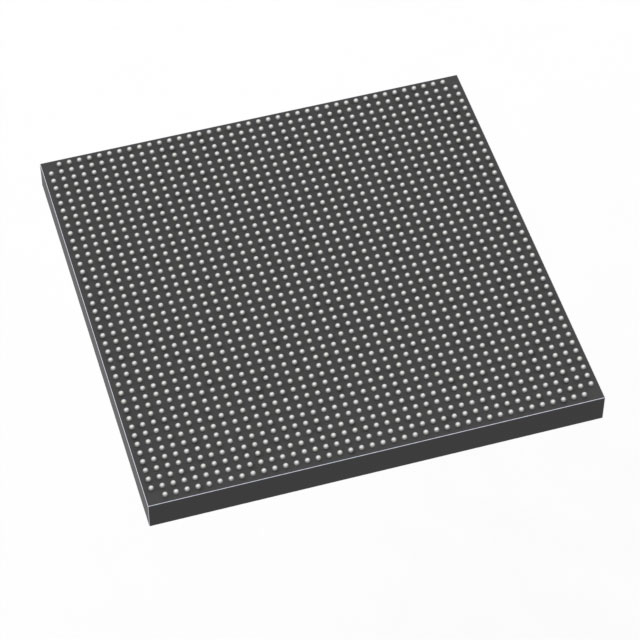
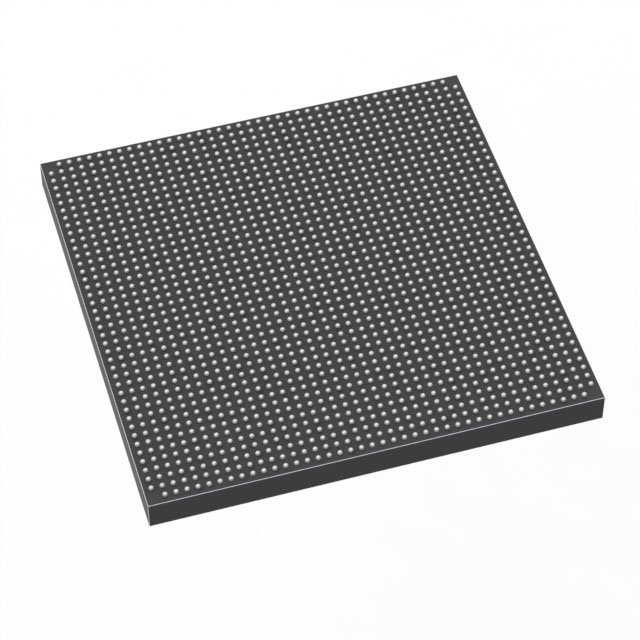
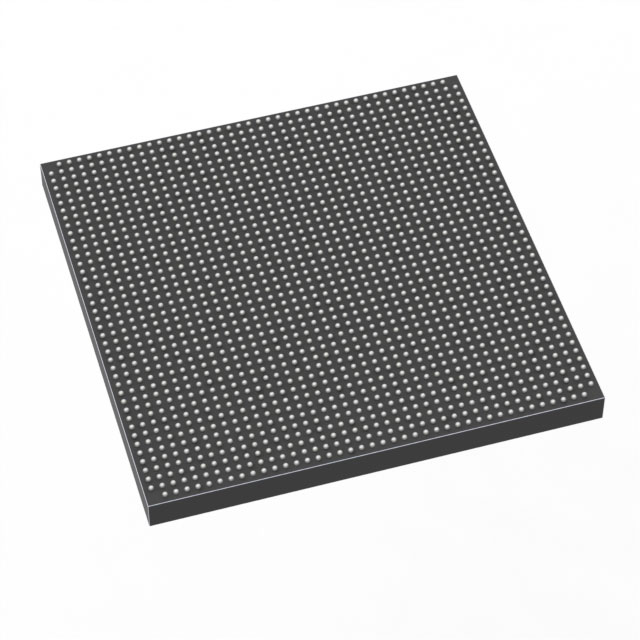
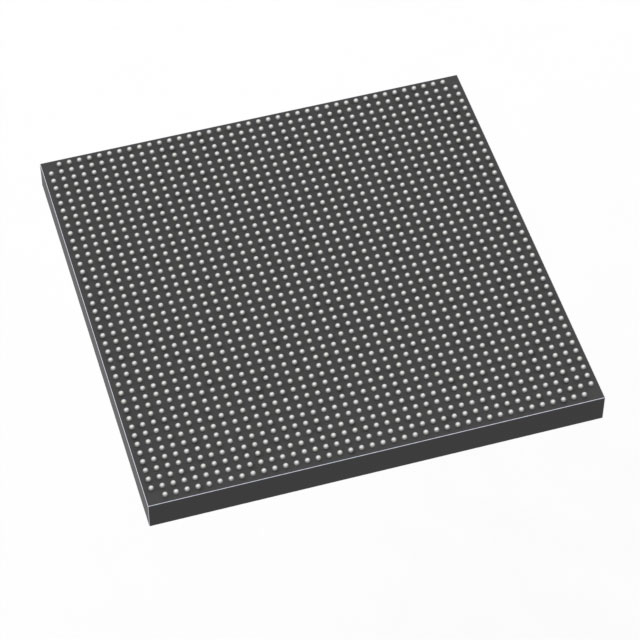
Stratix® 10 GX Field Programmable Gate Array (FPGA) IC 704 2800000 2397-BBGA, FCBGA |
|---|---|
| Quantity | 1,092 Available (as of October 8, 2026) |
| Product Category | Field Programmable Gate Array (FPGA) |
|---|---|
| Manufacturer | Intel |
| Manufacturing Status | Discontinued |
| Manufacturer Standard Lead Time | 8 Weeks |
| Datasheet |
Specifications & Environmental
| Device Package | 2397-FBGA, FC (50x50) | Grade | Extended | Operating Temperature | 0°C – 100°C | ||
|---|---|---|---|---|---|---|---|
| Package / Case | 2397-BBGA, FCBGA | Number of I/O | 704 | Voltage | 770 mV - 970 mV | ||
| Mounting Method | Surface Mount | RoHS Compliance | Unknown | REACH Compliance | REACH Unaffected | ||
| Moisture Sensitivity Level | 3 (168 Hours) | Number of LABs/CLBs | 350000 | Number of Logic Elements/Cells | 2800000 | ||
| Number of Gates | N/A | ECCN | N/A | HTS Code | N/A | ||
| Qualification | N/A | Total RAM Bits | 240123904 |
Overview of 1SG280HU1F50E2VGS3 – Stratix® 10 GX FPGA, 704 I/O, 2397-BBGA
The 1SG280HU1F50E2VGS3 is an Intel Stratix® 10 GX field programmable gate array (FPGA) delivered in a 2397-BBGA surface-mount package. This device combines the Stratix 10 family’s Hyperflex core architecture and 14 nm tri-gate (FinFET) technology with a high logic capacity and extensive on-chip memory to support demanding, high-bandwidth applications.
With 2,800,000 logic elements, 240,123,904 total RAM bits and 704 I/O, the device is designed for advanced networking, compute acceleration, and high-speed interface applications where integration, performance, and power efficiency are key. The device is specified for operation from 0 °C to 100 °C and uses a core voltage supply range of 770 mV to 970 mV.
Key Features
- Core & Architecture Intel Hyperflex™ core architecture built on 14 nm tri-gate (FinFET) process; the Stratix 10 family is described as delivering 2× core performance and up to 70% lower power versus the prior generation (family-level attributes from product documentation).
- Logic Capacity 2,800,000 logic elements provide large-scale programmable fabric for complex logic, control and datapath implementations.
- On-Chip Memory 240,123,904 total RAM bits of embedded memory to support large buffering, lookup tables and state storage; family documentation references M20K internal SRAM memory blocks.
- I/O and High-Speed Interfaces 704 device I/Os for broad external connectivity. Stratix 10 family-level transceiver architecture supports heterogeneous 3D SiP transceiver tiles and transceiver data rates up to 28.3 Gbps (family-level feature).
- Package & Mounting 2397-BBGA (FCBGA) package, supplier device package listed as 2397-FBGA, FC (50×50); surface-mount mounting type.
- Power and Operating Range Core voltage supply specified from 770 mV to 970 mV. Operating temperature range 0 °C to 100 °C. Device grade: Extended.
- Security, Configuration and System Features Family-level features include device configuration and secure device manager capabilities, partial and dynamic reconfiguration, and on-chip system management functions (as documented for the Stratix 10 family).
- Standards & Compliance RoHS compliant.
Typical Applications
- High-performance Networking & Telecom Use for switch, router and line-card designs that require large logic capacity, extensive I/O and high-speed transceivers for backplane and optical interconnects.
- Data Center Acceleration FPGA-based accelerators for compute and packet-processing workloads that benefit from large on-chip memory and dense logic resources.
- High-speed Serial and Backplane Interfaces Implementations that require multi-gigabit transceivers, PCI Express and Ethernet PHY integration (family-level hard IP available in the Stratix 10 documentation).
- Embedded Processing and SoC Integration Designs that combine programmable fabric with external processors or SoC variants of the family to consolidate system functions and offload logic-intensive tasks.
Unique Advantages
- High Logic Density: 2.8 million logic elements enable large, complex designs without external FPGA stitching or multi-FPGA partitioning.
- Substantial On-Chip Memory: 240,123,904 total RAM bits reduce dependence on external memory for buffering and state storage, simplifying system BOM and improving latency.
- Broad I/O Count: 704 I/Os provide flexibility for parallel interfaces, high-pin-count peripherals and dense board-level interconnects.
- Family-level High-speed Capability: Stratix 10 GX family support for heterogeneous 3D SiP transceiver tiles and multi-gigabit transceivers (family spec up to 28.3 Gbps) enables high-bandwidth link designs.
- Precision Power Envelope: Supported core voltage range (770 mV–970 mV) allows integration with modern low-voltage power architectures common in high-performance FPGA systems.
- Extended Grade Reliability: Extended-grade specification and 0 °C to 100 °C operating range suitable for a wide range of commercial and enterprise environments.
Why Choose 1SG280HU1F50E2VGS3?
The 1SG280HU1F50E2VGS3 brings Stratix 10 GX architecture into designs that demand a combination of high logic capacity, extensive on-chip memory and a large I/O complement. It leverages family-level innovations—such as the Hyperflex core architecture and 14 nm FinFET process—to deliver significant performance and power advantages documented for the Stratix 10 family.
This device is well suited to teams building advanced networking, acceleration and high-speed interface systems that require scalable logic, robust memory resources and flexible I/O. Its package and supply specifications support integration into complex, high-density board designs while the extended-grade rating and RoHS compliance address common procurement and environmental requirements.
Please request a quote or submit an inquiry to receive pricing and availability information for the 1SG280HU1F50E2VGS3.













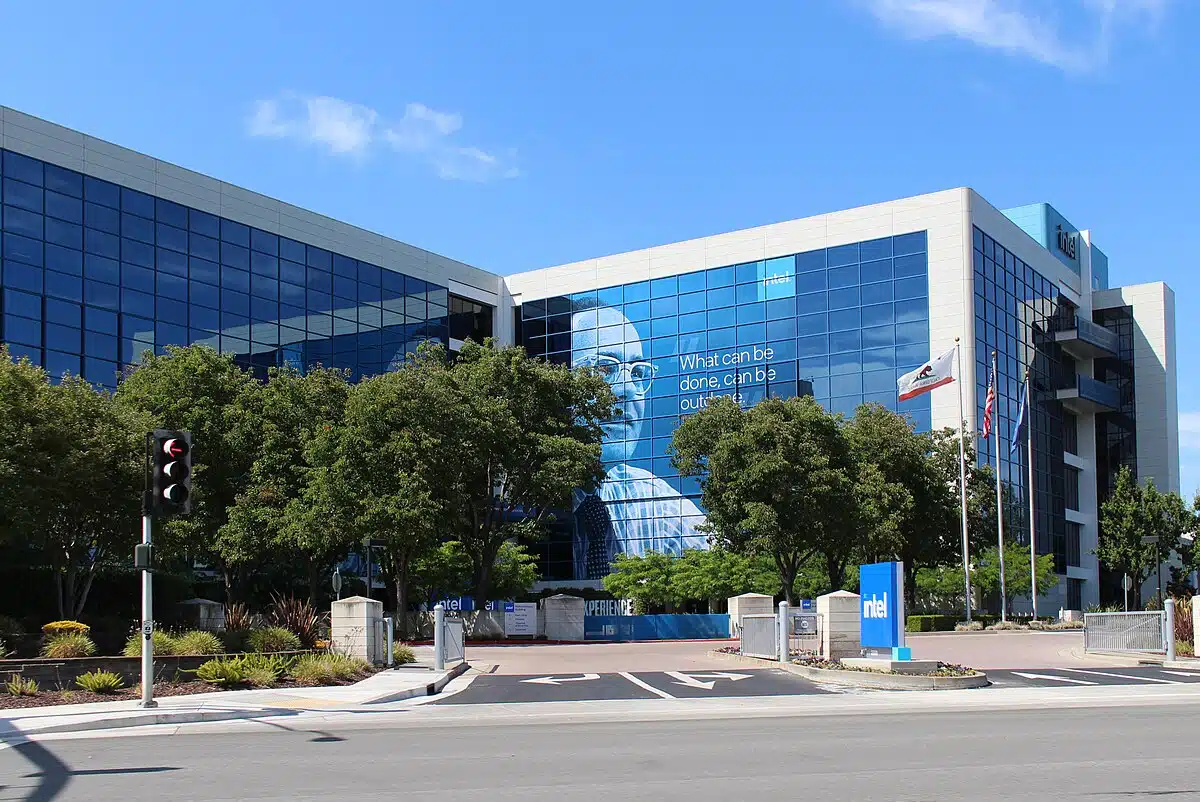
Date Founded: 1968
Headquarters: Santa Clara, California, USA
Employees: 130,000+
Revenue: $54.23 Billion
Certifications and Memberships: ISO9001:2015, ISO14001:2015, ISO17025:2017, ISO27001:2022, ISO45001:2018, ISO50001:2018


