
EP2AGX45DF29C4G
| Part Description |
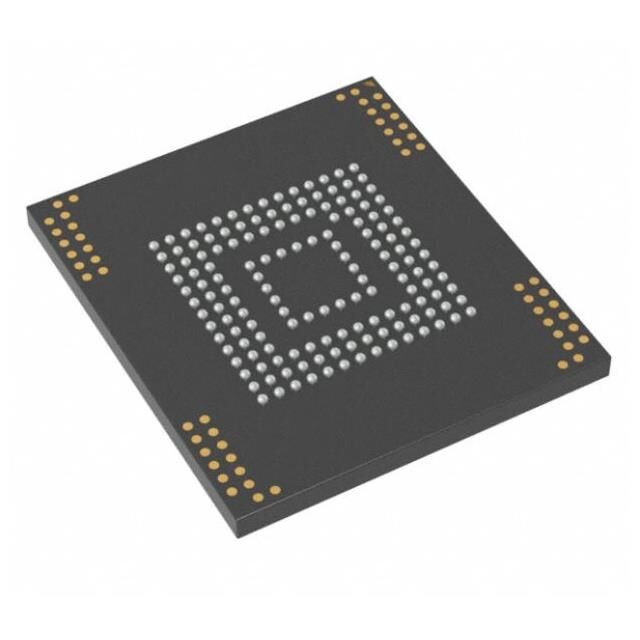
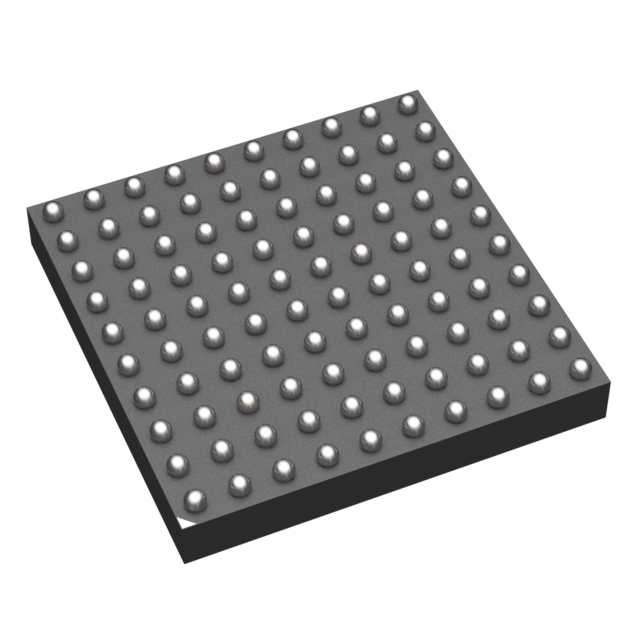
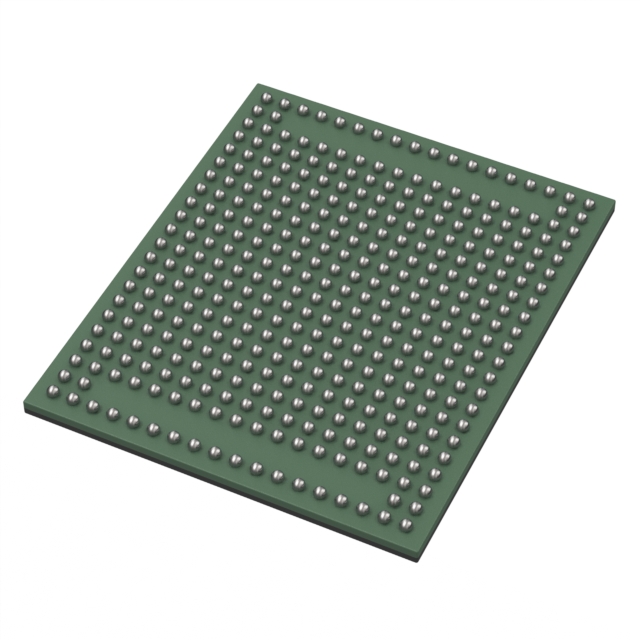
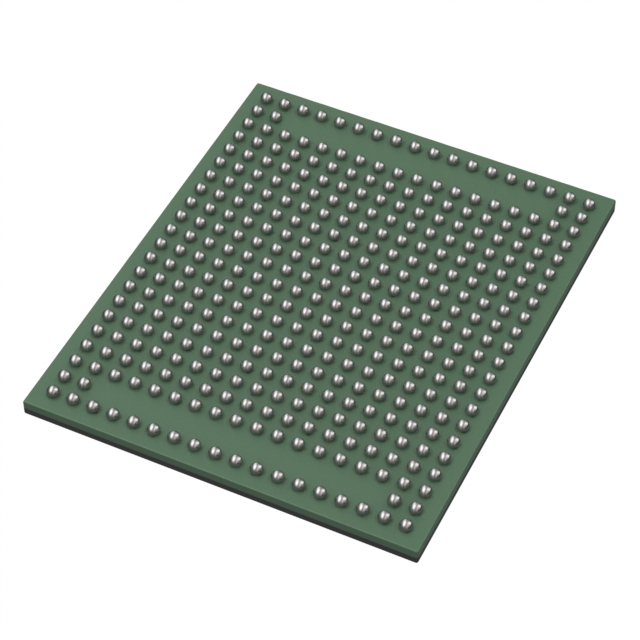
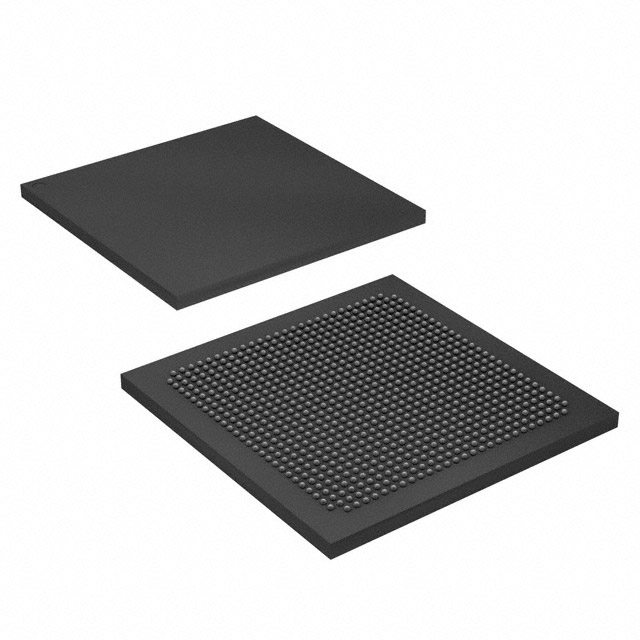
Arria II GX Field Programmable Gate Array (FPGA) IC 364 3517440 42959 780-BBGA, FCBGA |
|---|---|
| Quantity | 185 Available (as of October 8, 2026) |

| Product Category | Field Programmable Gate Array (FPGA) |
|---|---|
| Manufacturer | Intel |
| Manufacturing Status | Active |
| Manufacturer Standard Lead Time | 26 Weeks |
| Datasheet |
Specifications & Environmental
| Device Package | 780-FBGA (29x29) | Grade | Commercial | Operating Temperature | 0°C – 85°C | ||
|---|---|---|---|---|---|---|---|
| Package / Case | 780-BBGA, FCBGA | Number of I/O | 364 | Voltage | 870 mV - 930 mV | ||
| Mounting Method | Surface Mount | RoHS Compliance | RoHS Compliant | REACH Compliance | REACH Unaffected | ||
| Moisture Sensitivity Level | 3 (168 Hours) | Number of LABs/CLBs | 1805 | Number of Logic Elements/Cells | 42959 | ||
| Number of Gates | N/A | ECCN | PENDING ECCN | HTS Code | 0000.00.0000 | ||
| Qualification | N/A | Total RAM Bits | 3517440 |
Overview of EP2AGX45DF29C4G – Arria II GX Field Programmable Gate Array (FPGA) IC 364 3517440 42959 780-BBGA, FCBGA
The EP2AGX45DF29C4G is an Intel Arria II GX FPGA in a 780‑ball FCBGA package designed for mid‑range programmable logic and high‑bandwidth interface applications. The device combines a 40‑nm low‑power FPGA engine with 42,959 logic elements and approximately 3.5 Mbits of embedded memory for logic‑intensive and data‑buffering tasks.
Built for communication and system integration roles, the Arria II GX architecture supports high‑speed transceivers and a broad set of serial protocol PHY features, while operating from a low supply voltage (0.87–0.93 V) and a commercial temperature range of 0 °C to 85 °C. The device is RoHS‑compliant and supplied in a 780‑FBGA (29 × 29) package for surface‑mount assembly.
Key Features
- Core Architecture 40‑nm, low‑power FPGA engine with adaptive logic modules and eight‑input fracturable LUTs for efficient logic implementation.
- Logic Capacity 42,959 logic elements suitable for mid‑density programmable designs.
- Embedded Memory Approximately 3.5 Mbits of on‑chip RAM for FIFOs, buffers, and local data storage.
- DSP and Arithmetic High‑performance DSP blocks rated up to 550 MHz with configurable multipliers (9×9, 12×12, 18×18, 36×36 and 18×36 configurations) and hardcoded add/sub/accumulate functions.
- High‑Speed Transceivers Arria II GX family supports up to 24 full‑duplex CDR‑based transceivers with data rates from 600 Mbps to 6.375 Gbps for serial links and backplane interfaces.
- Protocol and Interface Support Dedicated circuitry and hard/soft IP support for common serial and system protocols including PCIe, Ethernet, DDR3 memory interfaces, SATA, Serial RapidIO, CPRI, SDI, Fiber Channel and more.
- I/O and Package 364 user I/O pins in a 780‑BBGA FCBGA package (supplier package: 780‑FBGA, 29×29) optimized for surface‑mount PCB assembly.
- Power and Voltage Operates from a supply range of 0.870 V to 0.930 V with architectural power reduction techniques described in device documentation.
- Configuration, Security and I/O Termination Parallel and serial configuration options, AES 256‑bit programming file encryption, on‑chip single‑ended and differential termination with auto‑calibration for I/O.
- Compliance and Grade Commercial grade device with RoHS compliance and an operating temperature range of 0 °C to 85 °C.
Typical Applications
- High‑Speed Communications — Implement multi‑Gbps links and PHY functionality for networking gear using the device's CDR‑based transceivers and built‑in protocol support.
- Networking and Switching — Handle packet processing, interface bridging, and protocol offload with the combination of logic density, DSP blocks, and embedded memory.
- Video and Broadcast Systems — Support SD/HD/3G/ASI SDI and related serial interfaces for streaming and signal processing applications.
- Storage and I/O Subsystems — Integrate SATA/SAS, Fiber Channel or PCIe PHY/MAC layers and local buffering for storage controllers and host interfaces.
Unique Advantages
- Flexible high‑speed serial interfaces: Support for up to 24 full‑duplex transceivers and a wide range of serial protocols enables direct implementation of high‑bandwidth links.
- Balanced logic and memory mix: 42,959 logic elements combined with approximately 3.5 Mbits of embedded RAM provides an effective balance for algorithms requiring both logic and local storage.
- Integrated DSP capability: Dedicated DSP blocks and configurable multipliers simplify implementation of signal processing and arithmetic‑heavy functions.
- Low‑voltage operation: Narrow supply range (0.870–0.930 V) aligns with low‑power system designs and documented power‑reduction techniques.
- Secure configuration and robust I/O: AES 256‑bit programming encryption and on‑chip termination with auto‑calibration simplify secure deployment and reliable signal integrity.
- Commercial temperature and surface‑mount package: RoHS‑compliant 780‑FBGA (29×29) package suitable for mainstream electronic products and production assembly.
Why Choose EP2AGX45DF29C4G?
The EP2AGX45DF29C4G positions itself as a versatile Arria II GX device for designers who need a combination of mid‑range logic capacity, significant embedded memory, and high‑speed serial connectivity. Its 40‑nm architecture, DSP resources, and supported multiplier configurations make it suitable for applications that require both signal processing and interface bridging.
Designers benefit from the Arria II ecosystem and integrated design flow options referenced in device documentation, including Quartus II, SOPC Builder and DSP Builder tool integration and IP libraries. This combination of device capability and documented tool support helps accelerate time to market and simplifies system integration for communications, video, storage and high‑bandwidth embedded applications.
Request a quote or submit an inquiry to obtain pricing, availability, and lead‑time information for the EP2AGX45DF29C4G.













Date Founded: 1968
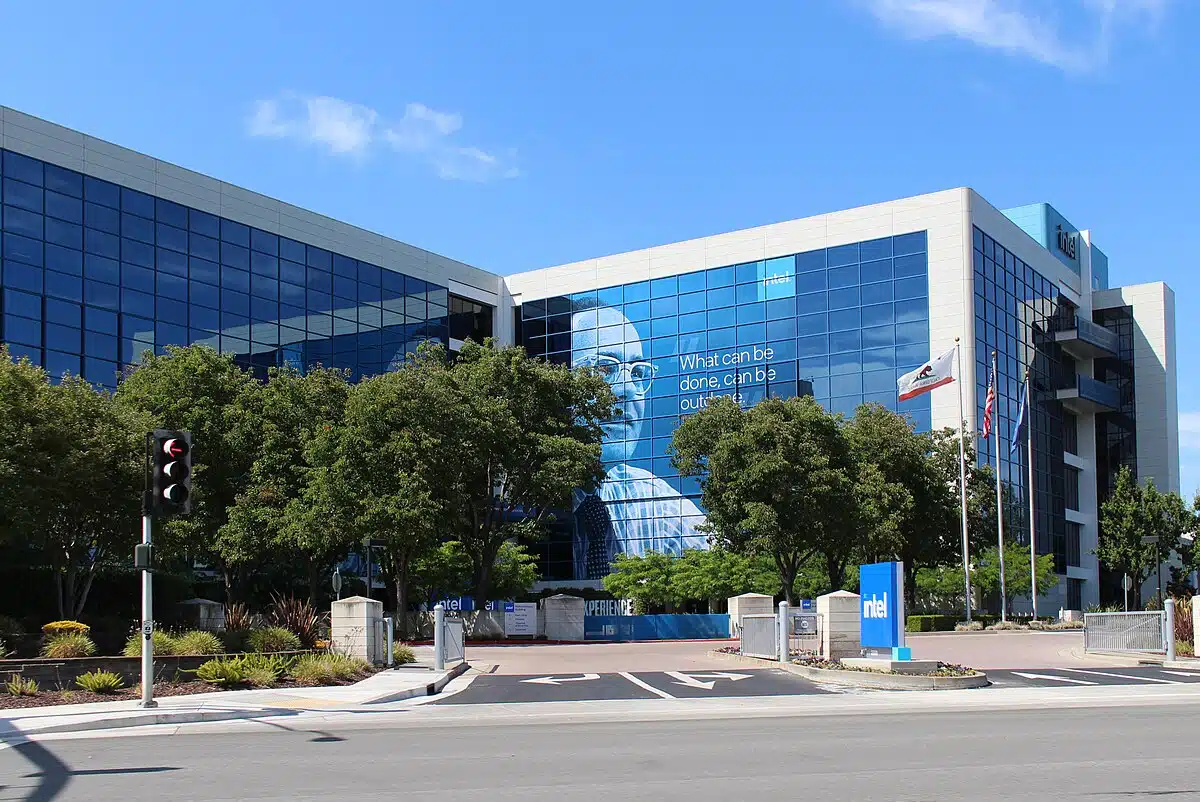
Headquarters: Santa Clara, California, USA
Employees: 130,000+
Revenue: $54.23 Billion
Certifications and Memberships: ISO9001:2015, ISO14001:2015, ISO17025:2017, ISO27001:2022, ISO45001:2018, ISO50001:2018


