
EP2AGZ300FF35C4N
| Part Description |
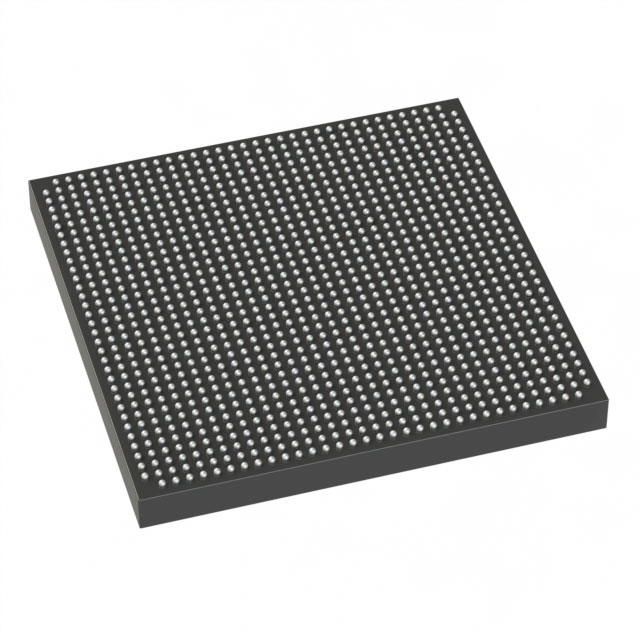
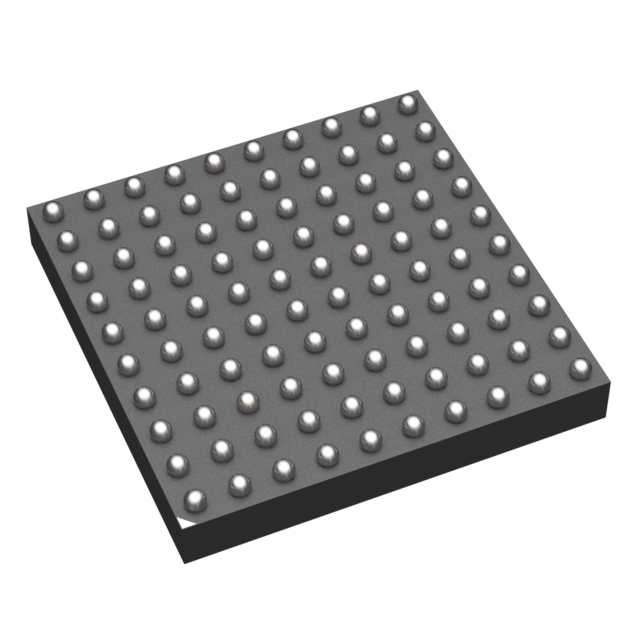
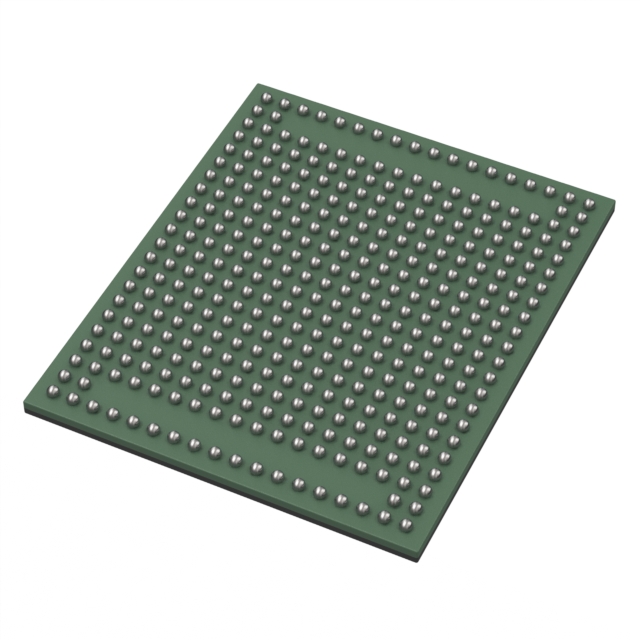
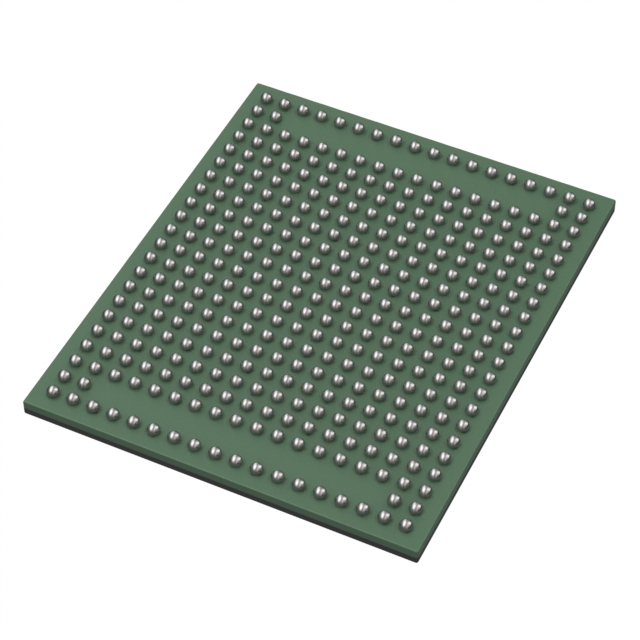
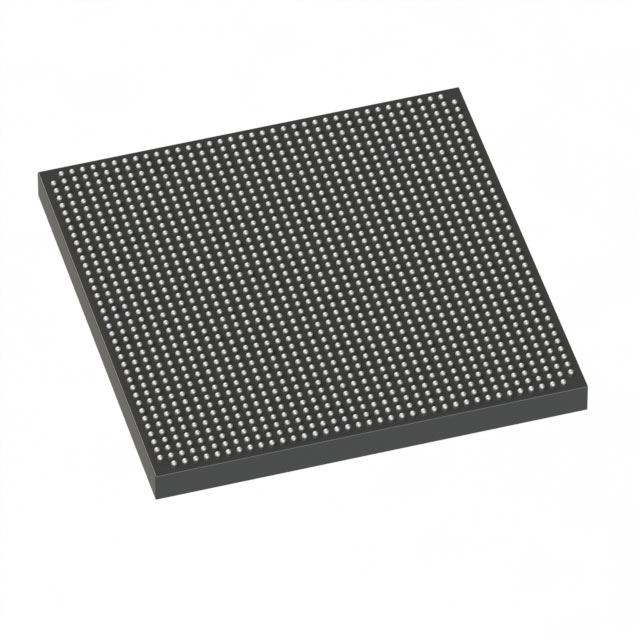
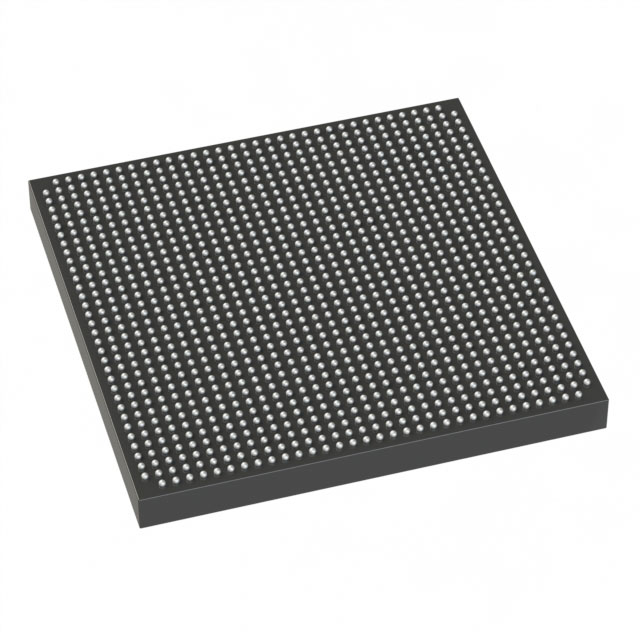
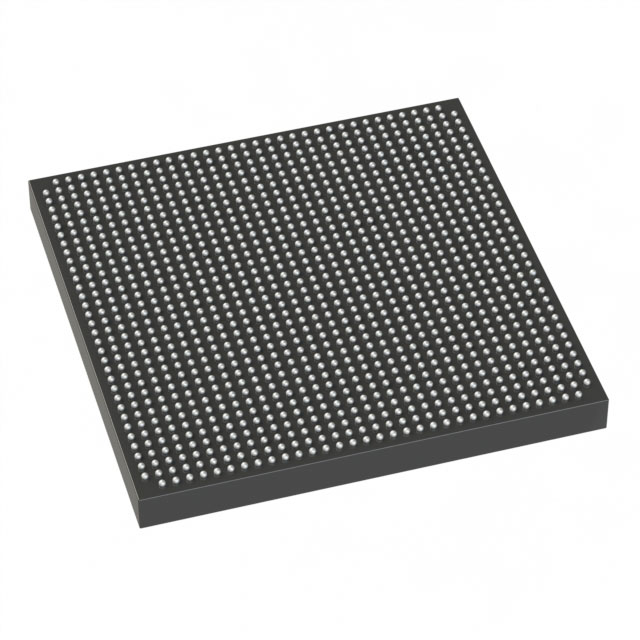
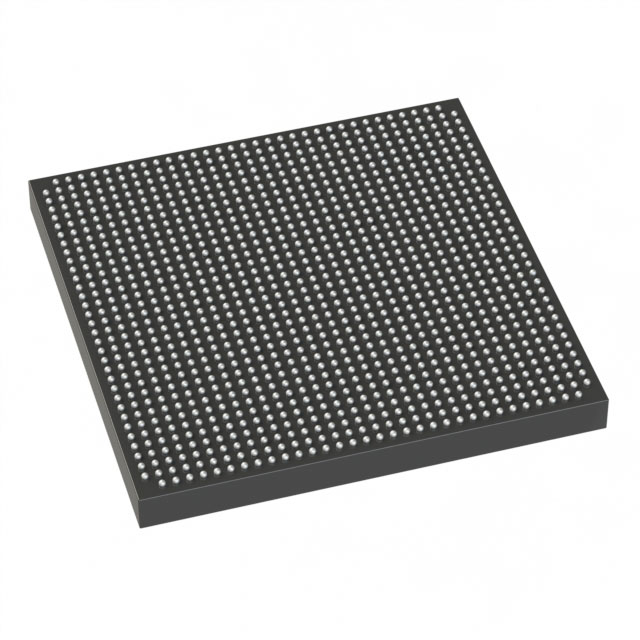
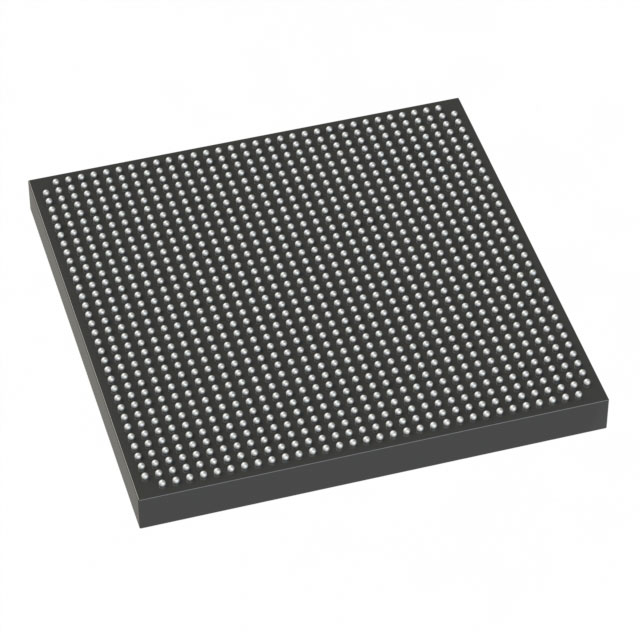
Arria II GZ Field Programmable Gate Array (FPGA) IC 554 18854912 298000 1152-BBGA, FCBGA |
|---|---|
| Quantity | 773 Available (as of October 8, 2026) |
| Product Category | Field Programmable Gate Array (FPGA) |
|---|---|
| Manufacturer | Intel |
| Manufacturing Status | Obsolete |
| Manufacturer Standard Lead Time | Contact Us |
| Datasheet |
Specifications & Environmental
| Device Package | 1152-FBGA (35x35) | Grade | Commercial | Operating Temperature | 0°C – 85°C | ||
|---|---|---|---|---|---|---|---|
| Package / Case | 1152-BBGA, FCBGA | Number of I/O | 554 | Voltage | 870 mV - 930 mV | ||
| Mounting Method | Surface Mount | RoHS Compliance | RoHS Compliant | REACH Compliance | REACH Unknown | ||
| Moisture Sensitivity Level | 3 (168 Hours) | Number of LABs/CLBs | 11920 | Number of Logic Elements/Cells | 298000 | ||
| Number of Gates | N/A | ECCN | 3A001A2C | HTS Code | 8542.39.0001 | ||
| Qualification | N/A | Total RAM Bits | 18854912 |
Overview of EP2AGZ300FF35C4N – Arria II GZ FPGA – 298,000 logic elements, 1152‑FBGA
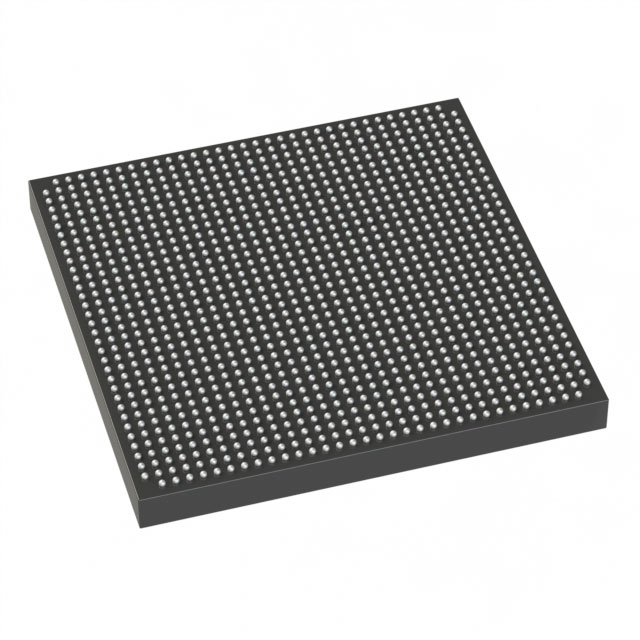
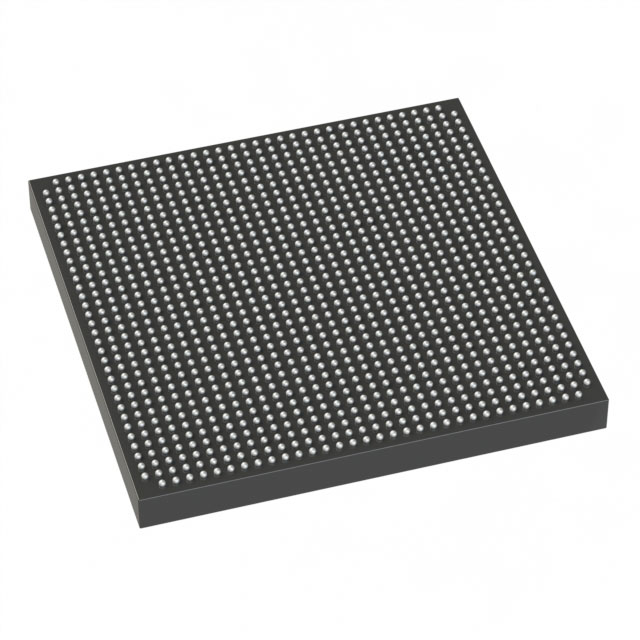
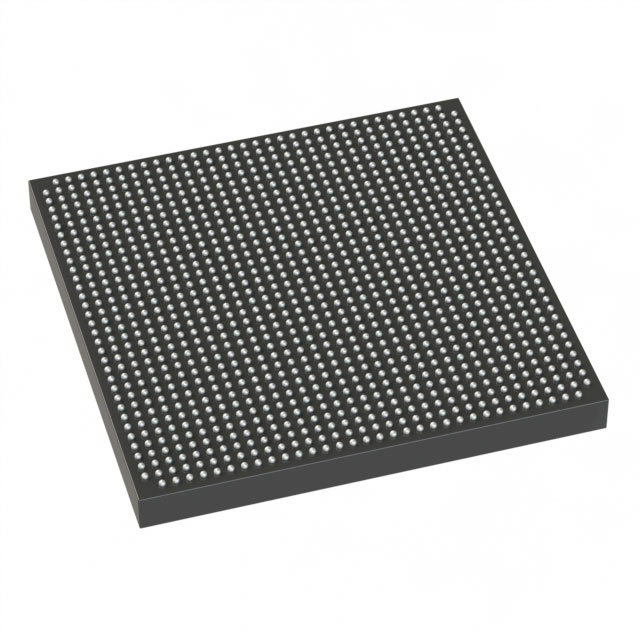
The EP2AGZ300FF35C4N is an Intel Arria II GZ field programmable gate array (FPGA) supplied in a 1152‑ball FCBGA package. It delivers a high-density programmable fabric with 298,000 logic elements and substantial embedded memory for complex, logic‑intensive designs.
Designed for commercial‑grade systems, the device combines large on‑chip RAM, dense I/O, and low‑voltage core operation to support applications that require significant programmable logic capacity and flexible interfacing in a compact surface‑mount package.
Key Features
- Logic Capacity — 298,000 logic elements provide substantial programmable logic resources for demanding designs.
- Embedded Memory — Approximately 18.85 Mbits of on‑chip RAM to support buffers, state machines, and memory‑intensive logic functions.
- I/O Density — 554 user I/O pins for high connectivity and interfacing to multiple peripherals and subsystems.
- Package and Mounting — 1152‑FBGA (35×35) FCBGA package, surface‑mount mounting for compact board integration.
- Power — Core supply range of 870 mV to 930 mV for low‑voltage operation.
- Operating Grade — Commercial grade with an operating temperature range of 0 °C to 85 °C.
- Regulatory — RoHS compliant.
Unique Advantages
- High programmable density: 298,000 logic elements enable large, complex logic designs without external glue logic.
- Substantial embedded memory: Approximately 18.85 Mbits of on‑chip RAM reduces dependence on external memory for many buffering and storage tasks.
- Extensive I/O: 554 I/O pins provide flexibility for multi‑lane interfaces, parallel buses, and mixed‑signal front ends.
- Compact system footprint: 1152‑ball FCBGA (35×35) packaging balances high pin count with space‑efficient board placement.
- Commercial reliability: Rated for 0 °C to 85 °C operation and RoHS compliance to meet standard commercial product requirements.
- Low‑voltage core operation: 0.87–0.93 V core supply supports efficient power budgeting in system designs.
Why Choose EP2AGZ300FF35C4N?
The EP2AGZ300FF35C4N positions itself as a high‑density, commercially graded FPGA option when large logic capacity, significant on‑chip RAM, and broad I/O connectivity are required in a compact FCBGA package. Its combination of 298,000 logic elements, approximately 18.85 Mbits of embedded memory, and 554 I/O pins make it suitable for designs that demand programmable capacity and flexible interfacing while operating within standard commercial temperature ranges.
For design teams and procurement professionals targeting scalable, logic‑rich implementations with a focus on integration and board‑space efficiency, this Arria II GZ device delivers verifiable, specification‑driven capabilities backed by Intel’s FPGA family documentation.
Request a quote or submit an inquiry to obtain pricing, availability, and ordering information for the EP2AGZ300FF35C4N.













Date Founded: 1968
Headquarters: Santa Clara, California, USA
Employees: 130,000+
Revenue: $54.23 Billion
Certifications and Memberships: ISO9001:2015, ISO14001:2015, ISO17025:2017, ISO27001:2022, ISO45001:2018, ISO50001:2018


