
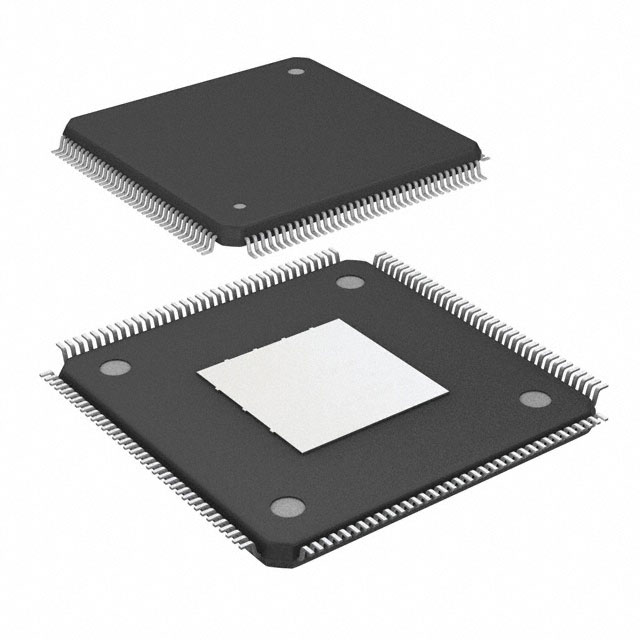
EP3C55U484I7
| Part Description |
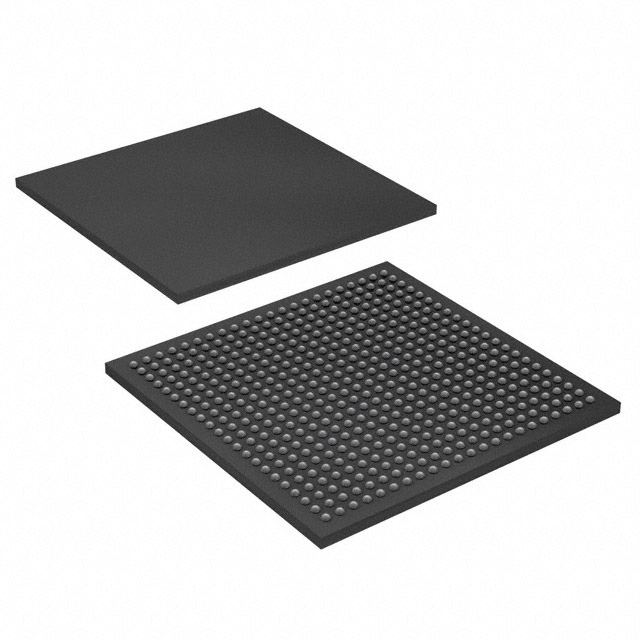
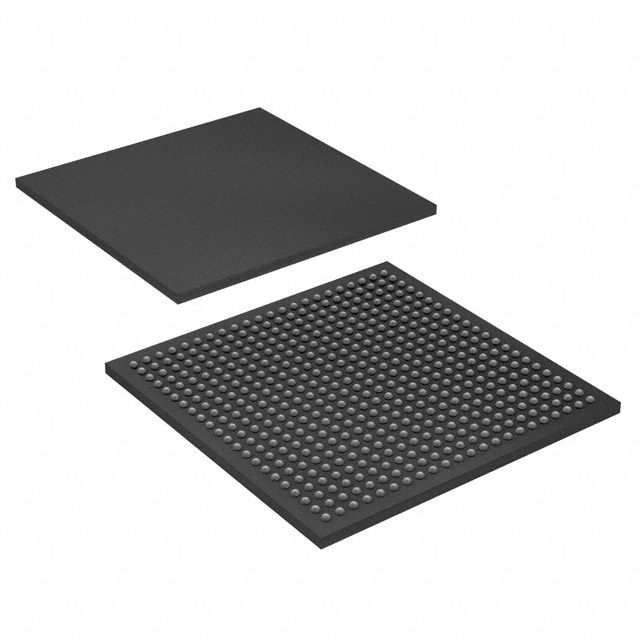
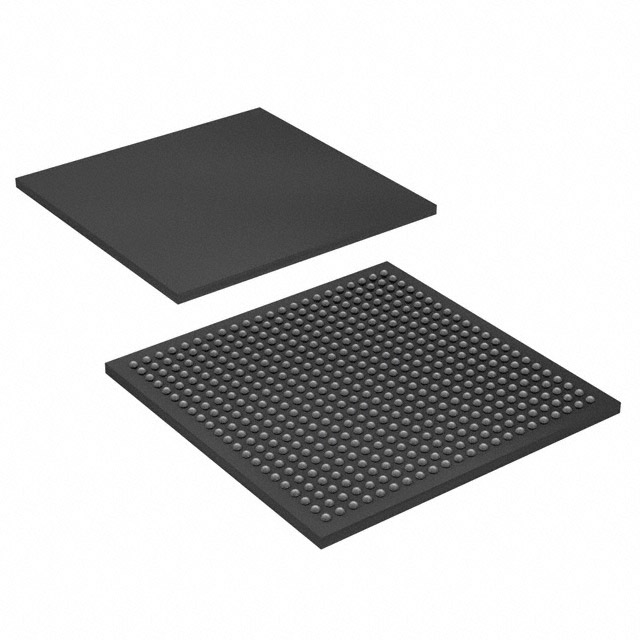
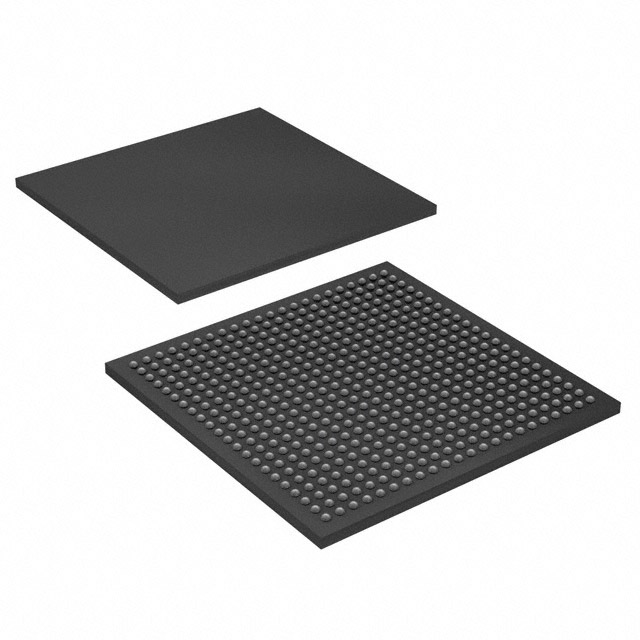
Cyclone® III Field Programmable Gate Array (FPGA) IC 327 2396160 55856 484-FBGA |
|---|---|
| Quantity | 172 Available (as of October 7, 2026) |
| Product Category | Field Programmable Gate Array (FPGA) |
|---|---|
| Manufacturer | Intel |
| Manufacturing Status | Active |
| Manufacturer Standard Lead Time | 26 Weeks |
| Datasheet |
Specifications & Environmental
| Device Package | 484-UBGA (19x19) | Grade | Industrial | Operating Temperature | -40°C – 100°C | ||
|---|---|---|---|---|---|---|---|
| Package / Case | 484-FBGA | Number of I/O | 327 | Voltage | 1.15 V - 1.25 V | ||
| Mounting Method | Surface Mount | RoHS Compliance | RoHS non-compliant | REACH Compliance | REACH Unaffected | ||
| Moisture Sensitivity Level | 3 (168 Hours) | Number of LABs/CLBs | 3491 | Number of Logic Elements/Cells | 55856 | ||
| Number of Gates | N/A | ECCN | 3A991D | HTS Code | 8542.39.0001 | ||
| Qualification | N/A | Total RAM Bits | 2396160 |
Overview of EP3C55U484I7 – Cyclone® III FPGA, 55,856 logic elements, 327 I/Os, 484-FBGA
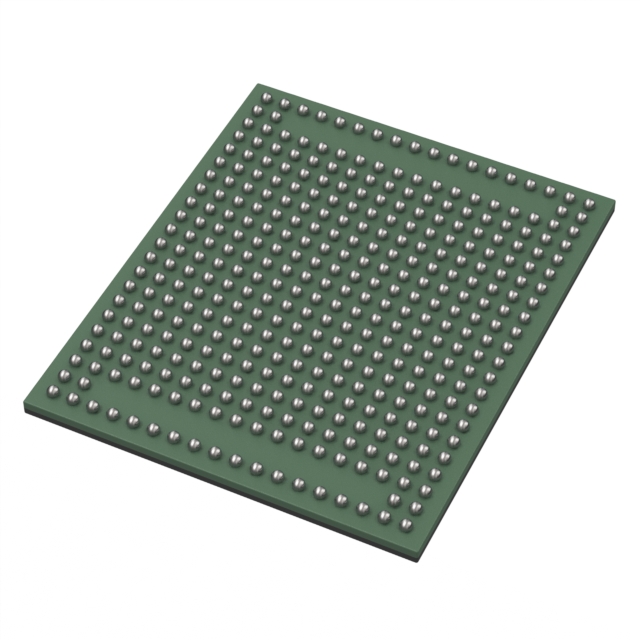
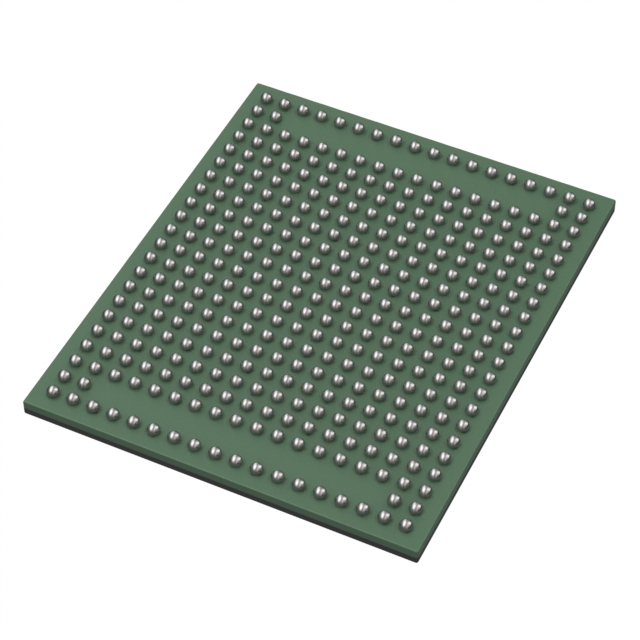
The EP3C55U484I7 is a Cyclone III family field-programmable gate array (FPGA) delivered in a 484-FBGA surface-mount package. It combines a high logic element count with on-chip embedded memory and a large I/O complement to address high-volume, low-power, and cost-sensitive designs in industrial applications.
Designed for integration and efficient system-level implementation, this Cyclone III device provides a balance of logic capacity, embedded memory, and configurable clocking to support embedded processing, interface bridging, and control tasks within an industrial operating range.
Key Features
- Core Logic 55,856 logic elements provide extensive programmable logic capacity for mid-range FPGA designs.
- Embedded Memory Approximately 2.4 Mbits of on-chip RAM to support buffering, state machines, and local data storage without external memory.
- I/O Density 327 user I/Os support complex board-level interfacing and parallel connectivity for sensors, peripherals, and external controllers.
- Clock Management Family-level clock features include up to four PLLs per device with five outputs per PLL, enabling flexible clock synthesis and distribution.
- Low-Power Family Characteristics Cyclone III family devices are characterized for low static power consumption (family reference of less than ¼ watt static power), suitable for power-constrained designs.
- Supply Voltage Core supply operating range: 1.15 V to 1.25 V, enabling compatibility with low-voltage system domains.
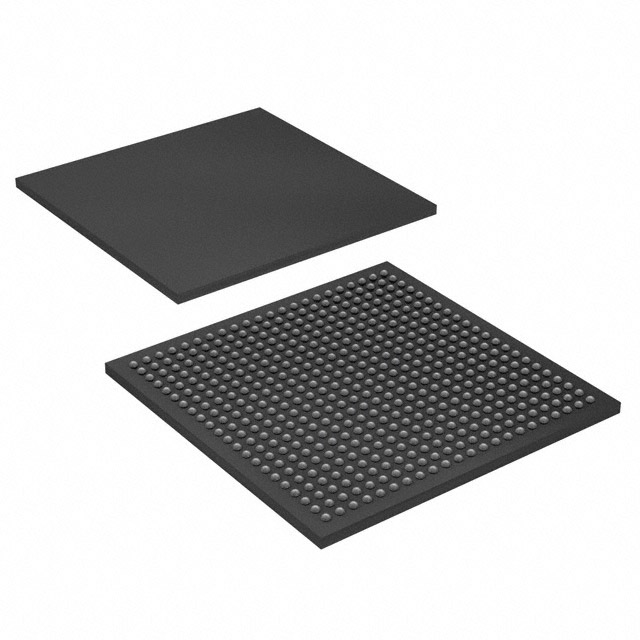
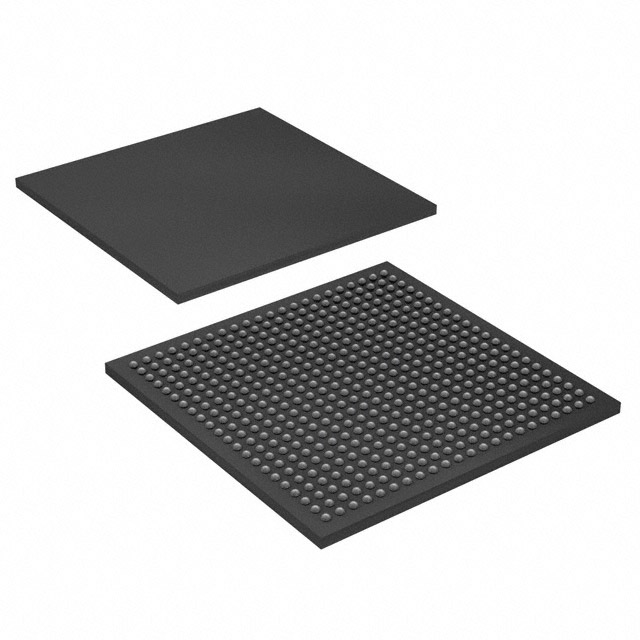
- Package & Mounting 484-FBGA package (supplier device package: 484-UBGA, 19×19) in a surface-mount form factor for compact PCB integration.
- Industrial Temperature Rated for operation from −40 °C to 100 °C to meet demanding environmental requirements.
- I/O Standards & Signal Integrity (Family) Cyclone III devices support a wide range of I/O standards (LVTTL, LVCMOS, SSTL, HSTL, PCI, LVDS, and others) and offer adjustable slew rates and on-chip termination calibration for robust interfaces.
- Security & Reliability (Family) Series-level design security features and dedicated circuitry for configuration monitoring and SEU detection are included in the Cyclone III family.
- RoHS Compliant Device meets RoHS requirements for reduced hazardous substances.
Typical Applications
- Industrial Control Use the EP3C55U484I7 for PLC interfaces, motor control logic, and sensor aggregation where high I/O count and industrial temperature range are required.
- Embedded Processing & Offload Leverage on-chip memory and logic capacity to implement custom accelerators, protocol offload, or embedded-processing functions alongside soft-core processors supported by the Cyclone III family.
- Communications & Connectivity Implement protocol bridging, interface serialization/deserialization, and multi-protocol I/O with abundant user I/Os and flexible clocking resources.
- High-Volume, Low-Power Systems Deploy in volume-sensitive products where low static power and cost-efficient FPGA integration reduce BOM and thermal management needs.
Unique Advantages
- Substantial Logic Capacity: 55,856 logic elements enable complex state machines, DSP pipelines, and glue logic without partitioning across multiple devices.
- Compact, High-Pin Package: 484-FBGA (19×19) provides a dense I/O footprint in a compact surface-mount form factor for space-constrained PCBs.
- Industrial Reliability: −40 °C to 100 °C operating range and RoHS compliance make the device suitable for harsh environments and long-term production use.
- Integrated Clocking: Multiple PLLs with cascaded and reconfigurable outputs simplify clock domain creation and jitter management for complex interfaces.
- Family-Level Power Efficiency: Cyclone III family optimizations and low-power process characteristics support lower static power budgets for battery-powered or thermally constrained systems.
- Flexible I/O Signal Support: Support for a broad set of I/O standards and on-chip termination calibration improves signal integrity across mixed-voltage systems.
Why Choose EP3C55U484I7?
The EP3C55U484I7 positions itself as a versatile mid-range Cyclone III FPGA that blends substantial programmable logic, embedded memory, and a high I/O count within a compact 484-FBGA package. Its industrial temperature rating and low-voltage core make it suitable for robust, long-life applications requiring reliable logic integration and flexible interfacing.
Designed for engineers seeking an efficient, integrative FPGA platform, this device benefits from Cyclone III family features such as low static power characteristics, multiple PLLs for sophisticated clocking, and family-level security and monitoring capabilities—enabling scalable designs with a clear upgrade path within the Cyclone III product family.
Request a quote or submit a price inquiry to evaluate the EP3C55U484I7 for your next design and receive availability and ordering details tailored to your project requirements.












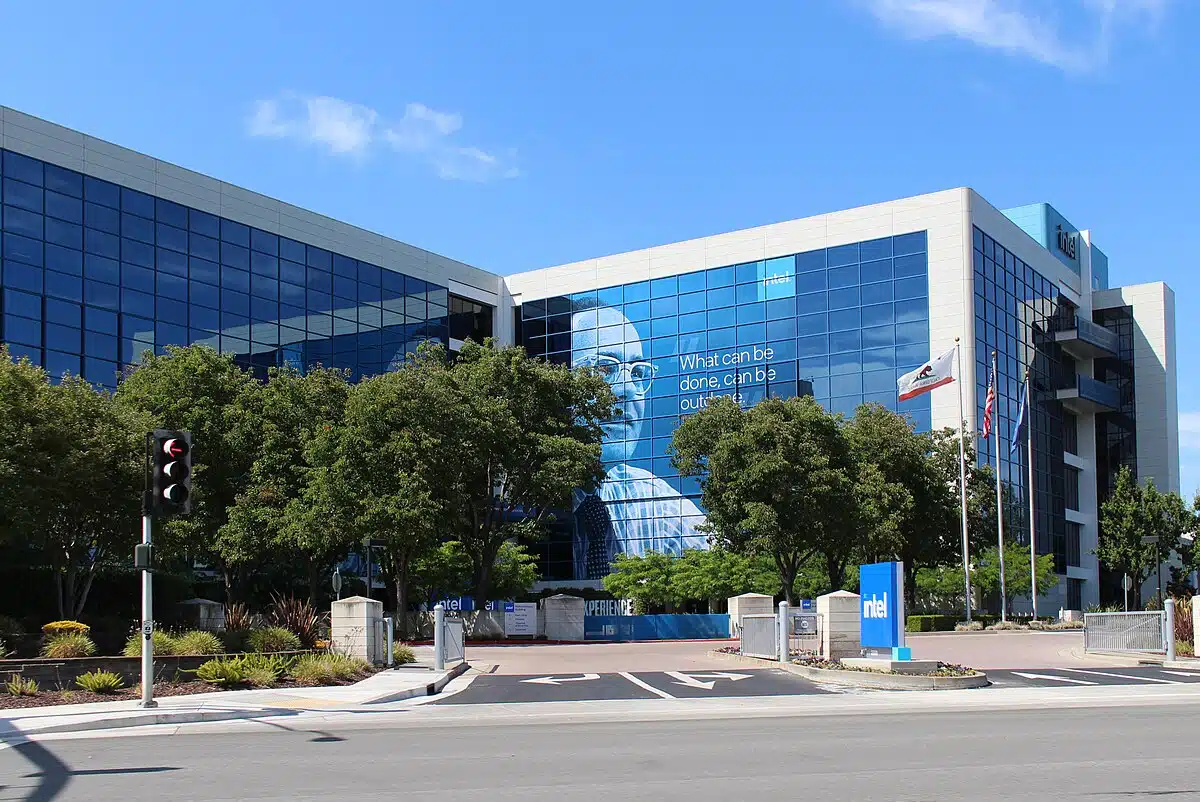
Date Founded: 1968
Headquarters: Santa Clara, California, USA
Employees: 130,000+
Revenue: $54.23 Billion
Certifications and Memberships: ISO9001:2015, ISO14001:2015, ISO17025:2017, ISO27001:2022, ISO45001:2018, ISO50001:2018


