
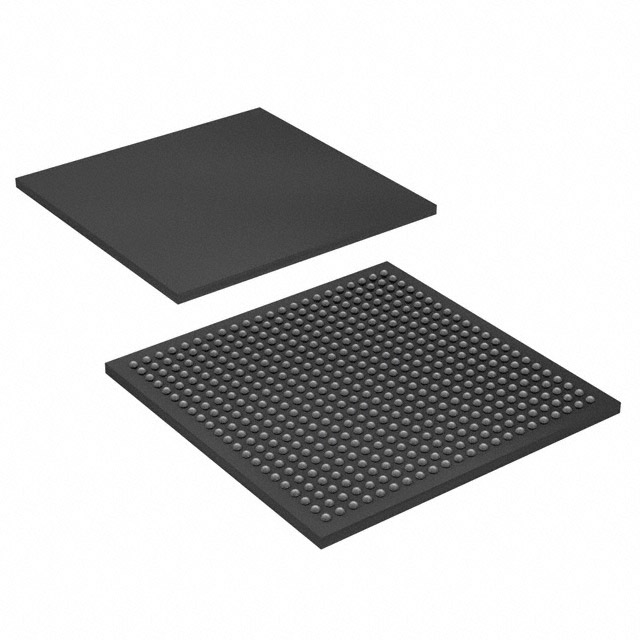
EP3SL70F484C3G
| Part Description |
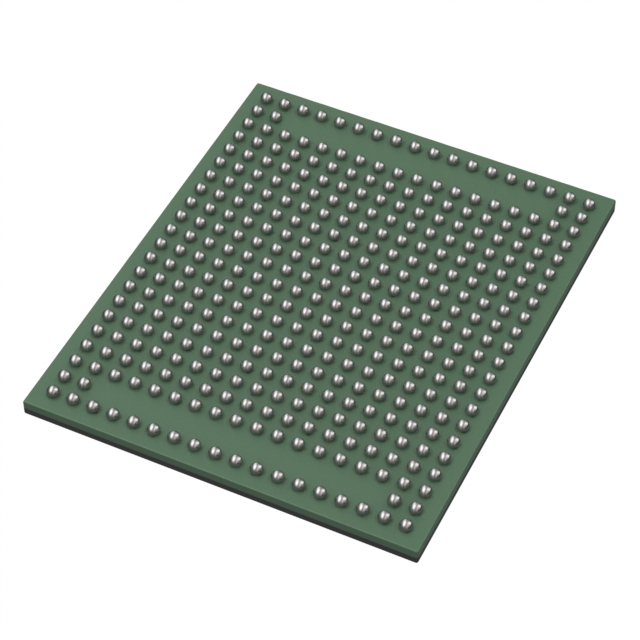
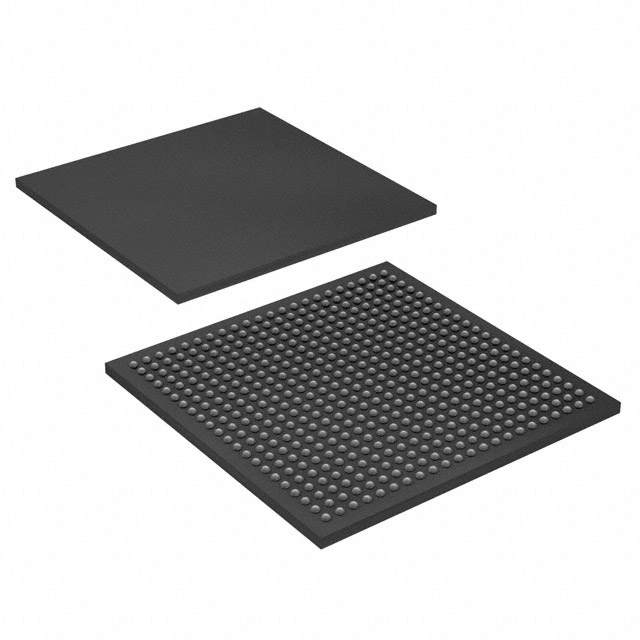
Stratix® III L Field Programmable Gate Array (FPGA) IC 296 2699264 67500 484-BBGA, FCBGA |
|---|---|
| Quantity | 1,731 Available (as of October 7, 2026) |

| Product Category | Field Programmable Gate Array (FPGA) |
|---|---|
| Manufacturer | Intel |
| Manufacturing Status | Active |
| Manufacturer Standard Lead Time | 26 Weeks |
| Datasheet |
Specifications & Environmental
| Device Package | 484-FBGA (23x23) | Grade | Commercial | Operating Temperature | 0°C – 85°C | ||
|---|---|---|---|---|---|---|---|
| Package / Case | 484-BBGA, FCBGA | Number of I/O | 296 | Voltage | 860 mV - 1.15 V | ||
| Mounting Method | Surface Mount | RoHS Compliance | RoHS Compliant | REACH Compliance | REACH Unaffected | ||
| Moisture Sensitivity Level | 3 (168 Hours) | Number of LABs/CLBs | 2700 | Number of Logic Elements/Cells | 67500 | ||
| Number of Gates | N/A | ECCN | PENDING ECCN | HTS Code | 0000.00.0000 | ||
| Qualification | N/A | Total RAM Bits | 2699264 |
Overview of EP3SL70F484C3G – Stratix® III L FPGA, 67,500 logic elements, 484‑BBGA
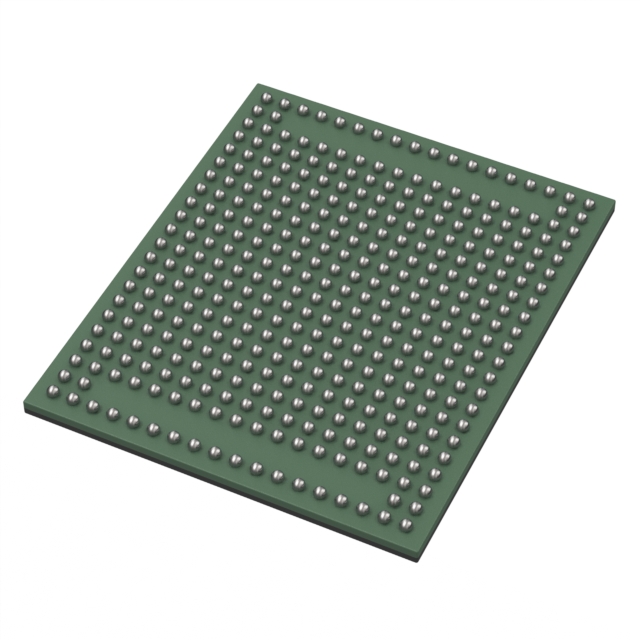
The EP3SL70F484C3G is a Stratix® III L field-programmable gate array (FPGA) in a 484‑ball BGA package designed for high-performance logic, DSP, and embedded system applications. It combines a large logic capacity with multi-megabit embedded memory and a comprehensive I/O and clocking architecture to support complex system integration and high-speed interfaces.
Built on the Stratix III device family architecture, this device targets designers who need a balance of logic, memory, and DSP resources while offering selectable core voltage and power-management features that help optimize performance and power consumption for commercial-grade applications.
Key Features
- Logic Capacity — 67,500 logic elements for implementing complex state machines, datapaths, and custom logic functions.
- Embedded Memory — Approximately 2.7 Mbits of on-chip RAM (2,699,264 total RAM bits) for FIFOs, buffers, and on-chip data storage.
- High‑Speed DSP — Family-level DSP blocks provide dedicated multipliers (9×9, 12×12, 18×18, and 36×36) and multiply-accumulate functions, supporting DSP operations at up to 550 MHz.
- I/O Density — 296 user I/O pins to interface with peripherals, memory, and external logic in modular I/O bank arrangements.
- Clocking and PLLs — Family supports up to 16 global clocks, 88 regional clocks, and 116 peripheral clocks, and up to 12 PLLs for flexible clock synthesis and distribution.
- High‑Speed I/O Features — Family-level support for SERDES, dynamic phase alignment, and dynamic on-chip termination to enable high-speed differential signaling and robust signal integrity.
- Power and Voltage — Selectable core voltage operation and Programmable Power Technology; device core supply range 860 mV to 1.15 V to balance performance and power.
- Package & Mounting — Surface-mount 484‑BBGA (484‑FBGA, 23×23) package for compact board integration.
- Operating Range & Grade — Commercial grade device with an operating temperature range of 0 °C to 85 °C.
- Security & Reliability — Family-level options include 256‑bit AES configuration bitstream security and on-chip CRC/ECC features for configuration and memory error detection and correction.
- RoHS Compliant — Device meets RoHS environmental requirements.
Typical Applications
- High‑Performance Signal Processing — Implement FIR filters, multi-rate DSP pipelines, and accelerator functions using the device’s DSP multipliers and on-chip memory.
- Memory Interface Controllers — Use modular I/O banks and dedicated DQS logic to build DDR/DDR2/DDR3 and other high-speed memory interfaces.
- Networking & Communications — Leverage SERDES, dynamic phase alignment, and clocking resources to implement high-speed serial links and protocol bridging.
- Embedded System Integration — Combine logic, memory, and clocking resources to implement custom embedded processors, peripheral glue logic, and system controllers.
Unique Advantages
- Balanced Logic and Memory: 67,500 logic elements paired with ~2.7 Mbits of embedded RAM enable mixed compute-and-storage designs without large external memory dependencies.
- Dedicated DSP Resources: Built-in multiplier blocks and MAC capability reduce resource consumption for signal-processing algorithms and accelerate time-to-market.
- Flexible Clocking: Extensive global, regional, and peripheral clock resources plus multiple PLLs simplify multi-clock-domain designs and timing closure.
- Power Optimization: Selectable core voltage and Programmable Power Technology allow designers to tune performance vs. power for specific system needs.
- Robust I/O and Signal Integrity: Dynamic on-chip termination, SERDES support, and modular I/O banks help maintain signal integrity across a variety of high-speed interfaces.
- Commercial‑Grade Reliability: On-chip CRC and ECC features help detect and correct configuration and memory errors for improved system availability.
Why Choose EP3SL70F484C3G?
The EP3SL70F484C3G delivers a balanced combination of logic density, embedded memory, and DSP capability within a compact 484‑ball BGA package, making it well suited for designs that require complex processing, high-speed interfaces, and flexible clocking. Its selectable core voltage and family-level power-management features provide designers with options to optimize for performance or lower power consumption.
This Stratix III L FPGA is targeted at commercial applications needing scalable logic and memory resources, integrated DSP blocks, and a comprehensive I/O architecture. The device’s family-level security and reliability features, together with RoHS compliance, offer a practical platform for medium- to high-complexity systems that require long-term design support and ecosystem resources.
Request a quote or submit an inquiry to receive pricing and availability information for EP3SL70F484C3G. Our team can provide additional procurement details and support for integration planning.















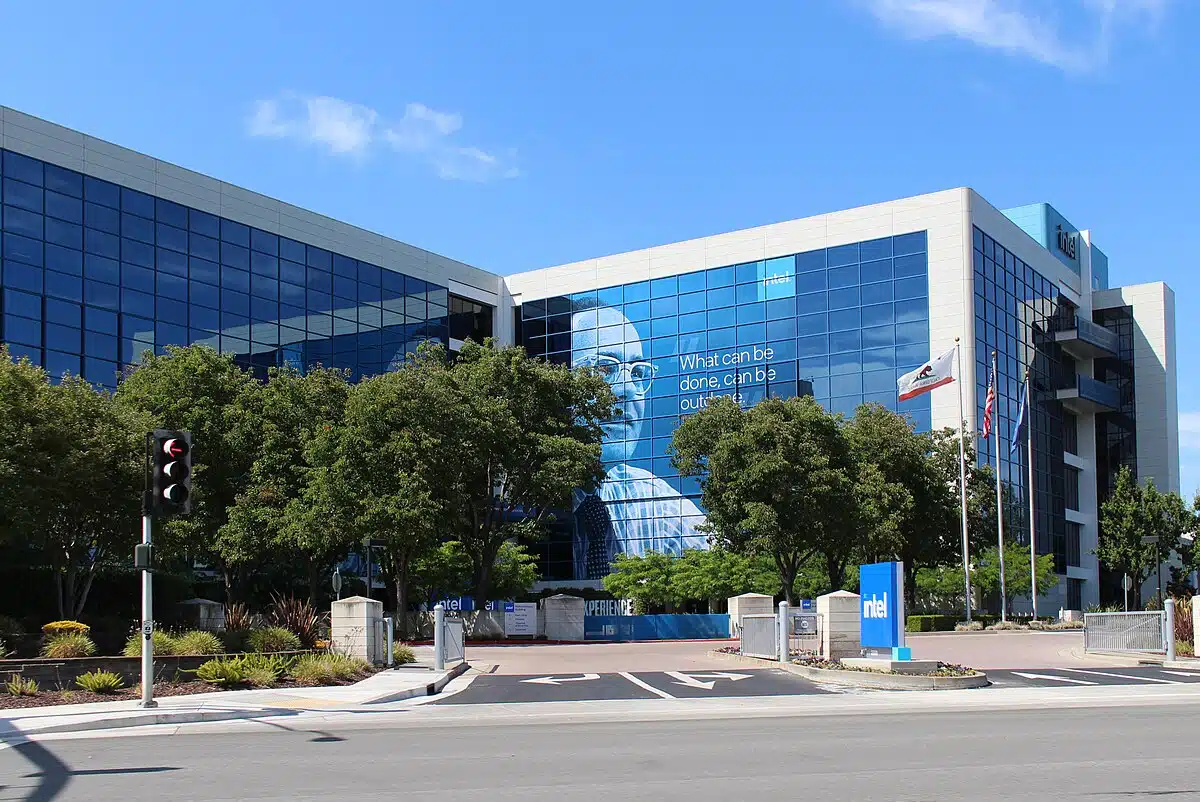
Date Founded: 1968
Headquarters: Santa Clara, California, USA
Employees: 130,000+
Revenue: $54.23 Billion
Certifications and Memberships: ISO9001:2015, ISO14001:2015, ISO17025:2017, ISO27001:2022, ISO45001:2018, ISO50001:2018


