
EPF6024ABC256-3
| Part Description |
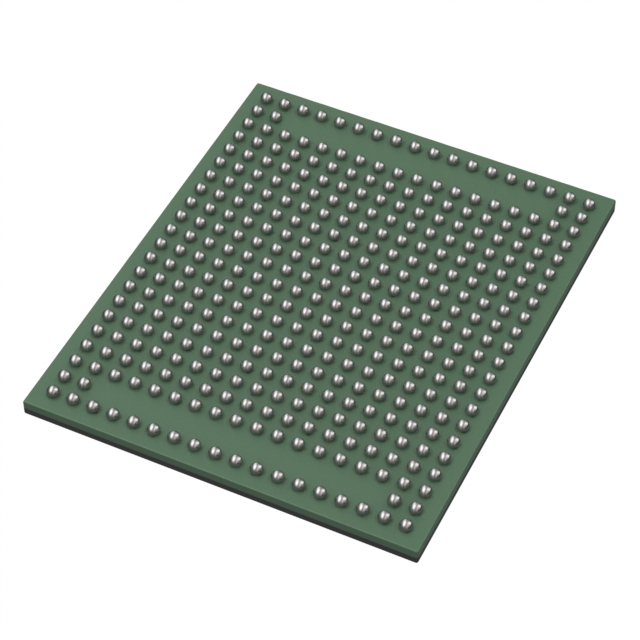
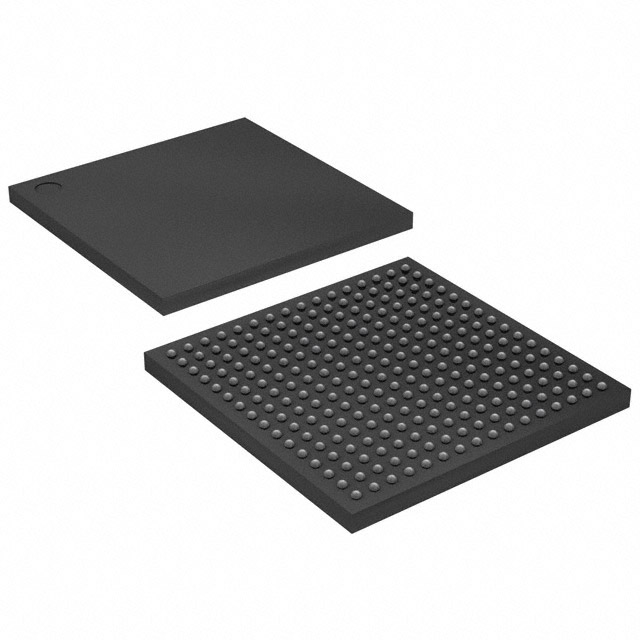
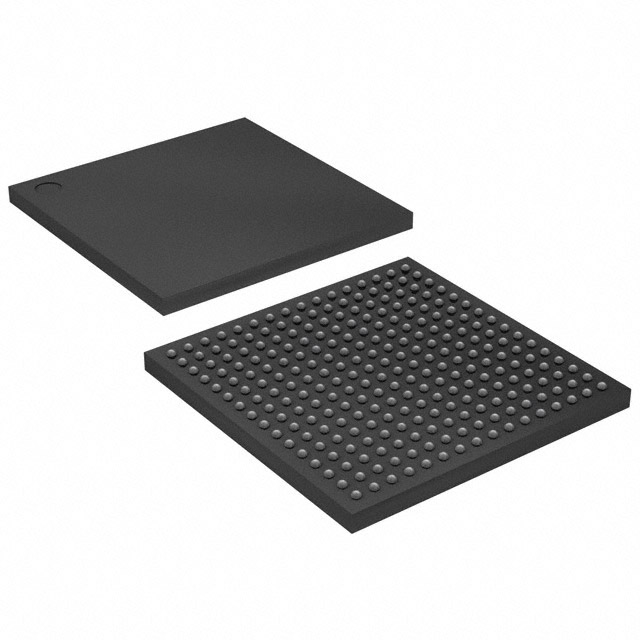
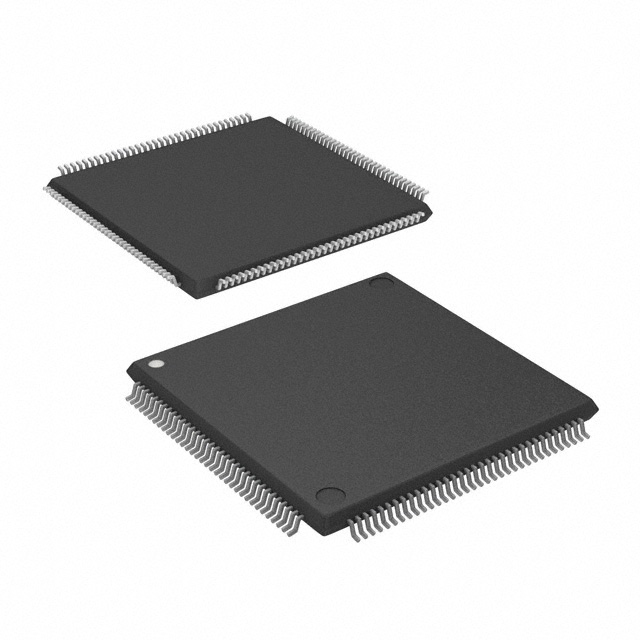
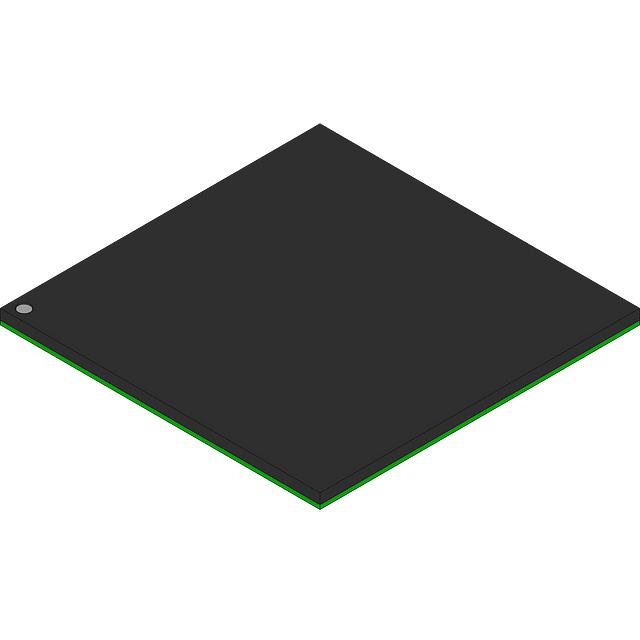
FLEX 6000 Field Programmable Gate Array (FPGA) IC 218 1960 256-BBGA |
|---|---|
| Quantity | 1,956 Available (as of October 8, 2026) |

| Product Category | Field Programmable Gate Array (FPGA) |
|---|---|
| Manufacturer | Intel |
| Manufacturing Status | Obsolete |
| Manufacturer Standard Lead Time | Contact Us |
| Datasheet |
Specifications & Environmental
| Device Package | 256-BGA (27x27) | Grade | Commercial | Operating Temperature | 0°C – 85°C | ||
|---|---|---|---|---|---|---|---|
| Package / Case | 256-BBGA | Number of I/O | 218 | Voltage | 3 V - 3.6 V | ||
| Mounting Method | Surface Mount | RoHS Compliance | RoHS non-compliant | REACH Compliance | REACH Unaffected | ||
| Moisture Sensitivity Level | 3 (168 Hours) | Number of LABs/CLBs | 196 | Number of Logic Elements/Cells | 1960 | ||
| Number of Gates | 24000 | ECCN | 3A991D | HTS Code | 8542.39.0001 | ||
| Qualification | N/A |
Overview of EPF6024ABC256-3 – FLEX 6000 FPGA, 1,960 logic elements, 218 I/O, 256‑BBGA
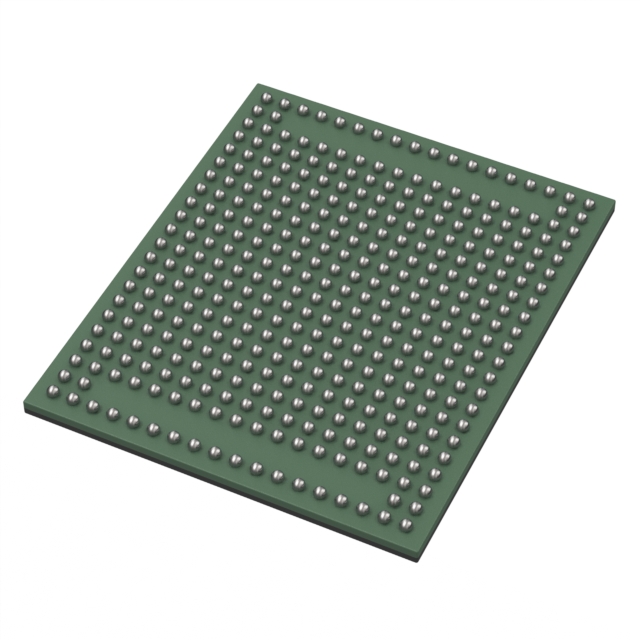
The EPF6024ABC256-3 is a FLEX 6000 family field programmable gate array (FPGA) supplied in a 256‑ball BGA package. It uses a register‑rich, LUT‑based OptiFLEX architecture and is targeted at commercial applications where a reprogrammable, low‑cost alternative to high‑volume gate arrays is required.
With 1,960 logic elements, up to 24,000 typical gates, and 218 I/O pins, this device is well suited for prototyping, design testing, and system designs that require flexible I/O and in‑circuit reconfiguration. The device operates from a 3.0 V to 3.6 V supply and is rated for commercial temperature operation (0 °C to 85 °C).
Key Features
- Logic Capacity — 1,960 logic elements and approximately 24,000 typical gates provide a mid‑density programmable fabric for glue logic, control, and moderate complexity functions.
- I/O Density — 218 user I/O pins support dense external interfacing from a single device package.
- OptiFLEX Architecture — Register‑rich, LUT‑based architecture designed for area efficiency and reconfigurability.
- In‑Circuit Reconfigurability (ICR) — Supports reprogramming via an external configuration device or intelligent controller to enable field updates and iterative development.
- Power and Supply — Operates from a 3.0 V to 3.6 V supply; 3.3 V devices in the family support hot‑socketing and include low standby current characteristics (typical standby below 0.5 mA as documented for the FLEX 6000 family).
- Interconnect and Arithmetic Support — Dedicated carry and cascade chains plus a continuous routing FastTrack interconnect structure for predictable delays and efficient arithmetic implementation.
- I/O Control — Individual tri‑state output enables and programmable output slew‑rate control for improved signal integrity and flexible drive behavior.
- Package & Mounting — 256‑BBGA (256‑BGA, 27×27) fine‑pitch ball‑grid array, surface‑mount package suitable for compact board layouts.
- Commercial Grade & Compliance — Commercial temperature grade (0 °C to 85 °C) and RoHS compliant.
- Design and Test Support — Family documentation describes built‑in JTAG boundary‑scan support and software tool support for design entry and place‑and‑route as provided for the FLEX 6000 device family.
Typical Applications
- Gate‑array replacement and prototyping — Use as a reprogrammable, low‑cost alternative to high‑volume gate array designs during prototyping and design verification.
- Embedded control and glue logic — Implement control functions, glue logic, and peripheral interfaces using the device’s logic elements and abundant I/O.
- Multi‑voltage system bridging — Leverage the family’s MultiVolt I/O support to interface subsystems operating at different voltages.
- Field‑updatable systems — Take advantage of in‑circuit reconfigurability for firmware updates, iterative feature additions, or post‑deployment fixes.
Unique Advantages
- Reprogrammable flexibility: OptiFLEX, LUT‑based architecture and in‑circuit reconfiguration let designers change functionality without respinning hardware.
- Balanced capacity and I/O: 1,960 logic elements and 218 I/O pins provide a balanced solution for mid‑density designs requiring significant external connectivity.
- Area‑efficient architecture: The OptiFLEX design reduces die area while maintaining routability, helping control BOM and board space.
- Predictable arithmetic performance: Dedicated carry and cascade chains simplify implementation of fast adders, counters, and comparators with automated tool support.
- Compact board integration: 256‑BBGA surface‑mount packaging enables dense PCB layouts and reliable solder connections for commercial products.
- Compliance and tooling: RoHS compliance, built‑in JTAG boundary‑scan, and documented toolchain support streamline development and test flows.
Why Choose EPF6024ABC256-3?
The EPF6024ABC256-3 offers a commercially graded, mid‑density FPGA option within the FLEX 6000 family that combines 1,960 logic elements, high I/O count, and OptiFLEX architecture for area‑efficient, reprogrammable designs. Its surface‑mount 256‑BBGA package and 3.0–3.6 V supply make it suitable for compact commercial applications that require flexible interfacing and field reconfiguration.
This device is a pragmatic choice for teams needing a reprogrammable alternative to gate arrays during prototyping and early production, providing design flexibility, test support, and documented architecture features that align with common embedded development flows.
Request a quote or submit a procurement inquiry to receive pricing and availability information for EPF6024ABC256-3.













Date Founded: 1968
Headquarters: Santa Clara, California, USA
Employees: 130,000+
Revenue: $54.23 Billion
Certifications and Memberships: ISO9001:2015, ISO14001:2015, ISO17025:2017, ISO27001:2022, ISO45001:2018, ISO50001:2018


