
EP1K30FC256-2
| Part Description |
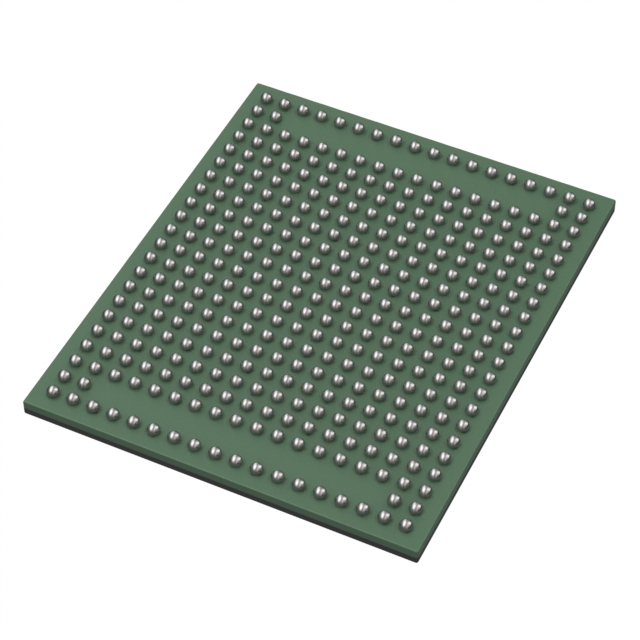
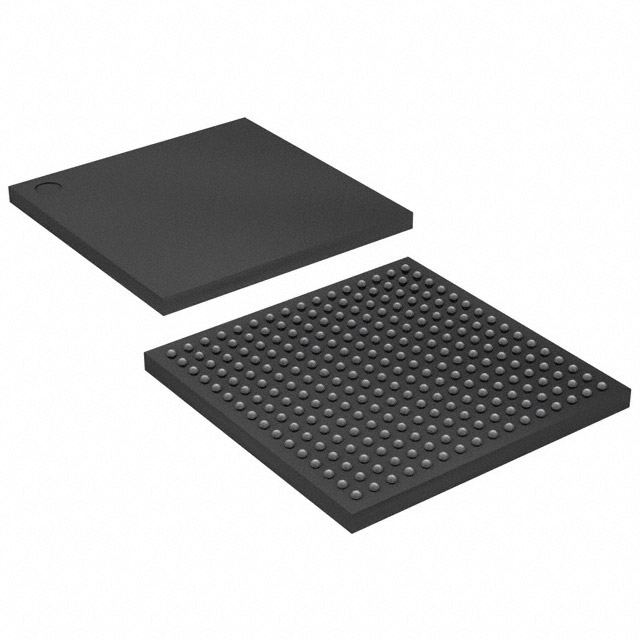
ACEX-1K® Field Programmable Gate Array (FPGA) IC 171 24576 1728 256-BGA |
|---|---|
| Quantity | 860 Available (as of October 7, 2026) |

| Product Category | Field Programmable Gate Array (FPGA) |
|---|---|
| Manufacturer | Intel |
| Manufacturing Status | Obsolete |
| Manufacturer Standard Lead Time | Contact Us |
| Datasheet |
Specifications & Environmental
| Device Package | 256-FBGA (17x17) | Grade | Commercial | Operating Temperature | 0°C – 70°C | ||
|---|---|---|---|---|---|---|---|
| Package / Case | 256-BGA | Number of I/O | 171 | Voltage | 2.375 V - 2.625 V | ||
| Mounting Method | Surface Mount | RoHS Compliance | RoHS non-compliant | REACH Compliance | REACH Unaffected | ||
| Moisture Sensitivity Level | 3 (168 Hours) | Number of LABs/CLBs | 216 | Number of Logic Elements/Cells | 1728 | ||
| Number of Gates | 119000 | ECCN | 3A991D | HTS Code | 8542.39.0001 | ||
| Qualification | N/A | Total RAM Bits | 24576 |
Overview of EP1K30FC256-2 – ACEX-1K Field Programmable Gate Array (FPGA), 1,728 logic elements, 24,576 RAM bits, 171 I/O, 256-BGA
The EP1K30FC256-2 is an ACEX-1K programmable logic device (PLD) that delivers a balanced combination of logic capacity, embedded memory, and flexible I/O for system-on-a-programmable-chip (SOPC) integration. It targets designers who need reconfigurable logic with embedded array blocks and economy for volume applications.
Built for cost-efficient integration, the device supports multi-voltage I/O, in-circuit reconfigurability and family-level features that simplify migration and board-level compatibility. Typical use cases include communications and other high-volume applications where embedded memory and moderate logic density are required.
Key Features
- Core Logic Approximately 1,728 logic elements providing up to 119,000 system gates for implementing control, glue logic, and mid-density digital functions.
- Embedded Memory Approximately 24,576 bits of on-chip RAM delivered through dedicated embedded array blocks (EABs) for efficient implementation of FIFOs, dual-port buffers, and other megafunctions.
- I/O and Voltage 171 user I/O pins with MultiVolt I/O capability across the ACEX-1K family, enabling interfacing with 2.5‑V, 3.3‑V, or 5.0‑V devices; device supply range specified at 2.375 V to 2.625 V.
- Configuration & Test Supports in-circuit reconfigurability (ICR) and JTAG boundary-scan (IEEE 1149.1) for convenient programming and board-level test without consuming device logic.
- Interconnect & Arithmetic Dedicated carry and cascade chains and a continuous routing structure for predictable interconnect delays and efficient implementation of adders, counters, and high-fan-in logic.
- Clocking Options Built-in low-skew clock distribution trees and family options such as ClockLock and ClockBoost to reduce clock delay and skew where needed.
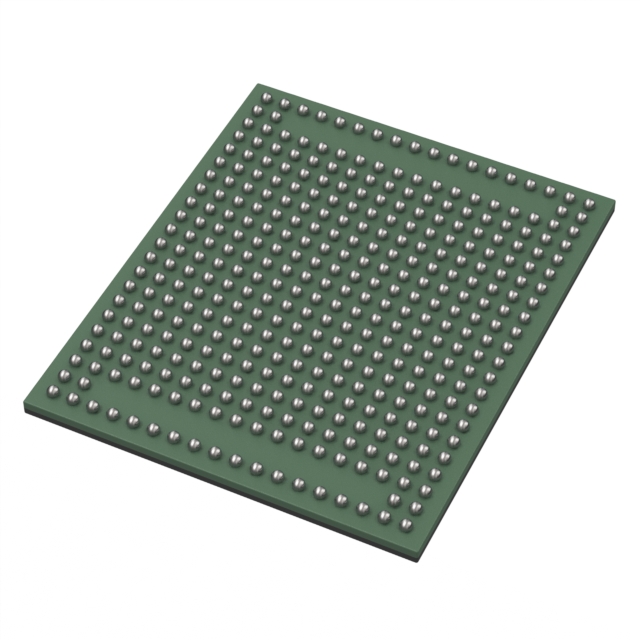
- Package & Mounting Surface-mount 256-ball BGA (256-FBGA, 17×17) package for compact board footprint and reliable solder connections.
- Commercial Grade & Environmental Commercial operating temperature range of 0 °C to 70 °C and RoHS-compliant device construction.
Typical Applications
- Communications Equipment Implements protocol bridging, buffering, and custom packet-processing logic using embedded RAM blocks and reconfigurable logic.
- System-on-a-Programmable-Chip (SOPC) Integrates control logic, on-chip memory, and custom interfaces to reduce component count in medium-complexity embedded systems.
- High-Volume Consumer and Industrial Electronics Cost-optimized architecture and compact 256-BGA packaging suit volume designs that require moderate logic density and flexible I/O interfacing.
Unique Advantages
- Highly integrated solution: Combines 1,728 logic elements and embedded array memory to reduce external components and simplify board design.
- Flexible I/O interfacing: Family MultiVolt I/O capability and 171 user I/O pins enable direct interfacing to a range of peripheral voltages and devices.
- In-circuit reconfigurability and test: ICR and JTAG boundary-scan support accelerate development cycles, simplify updates, and enable board-level testing without consuming logic resources.
- Predictable arithmetic and routing: Dedicated carry and cascade chains plus a continuous routing architecture help achieve efficient adders, counters, and high-fan-in functions.
- Compact, production-ready packaging: 256-FBGA (17×17) surface-mount package balances board density and thermal/reliability considerations for volume production.
- Design ecosystem support: The ACEX-1K family includes software design tools and automatic place-and-route support to streamline implementation and reduce time-to-market.
Why Choose EP1K30FC256-2?
The EP1K30FC256-2 positions itself as a commercial-grade, mid-density FPGA suitable for designs that require embedded memory, flexible I/O, and in-field reconfigurability. Its combination of logic elements, dedicated memory blocks, and family-level features makes it an effective choice for SOPC integration and communications-focused designs where cost and board-level integration matter.
Family features such as pin-compatible FineLine BGA options and supported design tools simplify device migration and development across product variants, helping teams scale designs while retaining a predictable development flow.
Request a quote or submit a product inquiry to receive pricing, availability, and lead-time information for the EP1K30FC256-2.


















Date Founded: 1968
Headquarters: Santa Clara, California, USA
Employees: 130,000+
Revenue: $54.23 Billion
Certifications and Memberships: ISO9001:2015, ISO14001:2015, ISO17025:2017, ISO27001:2022, ISO45001:2018, ISO50001:2018


