
EP3SE110F780C3N
| Part Description |
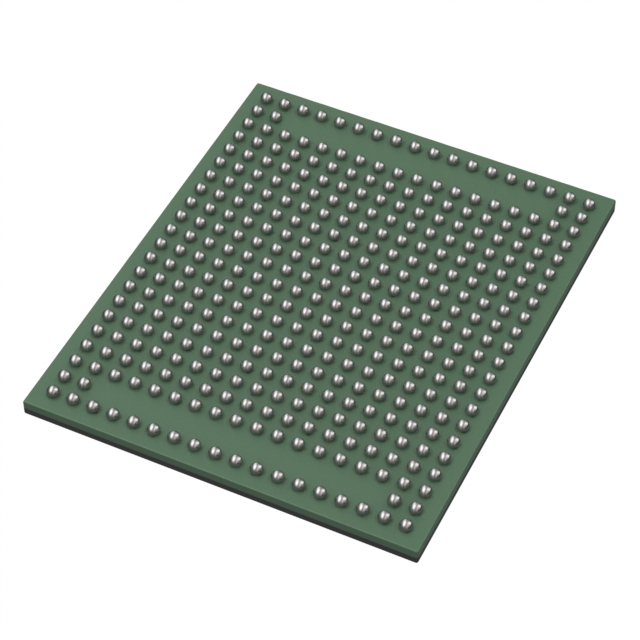
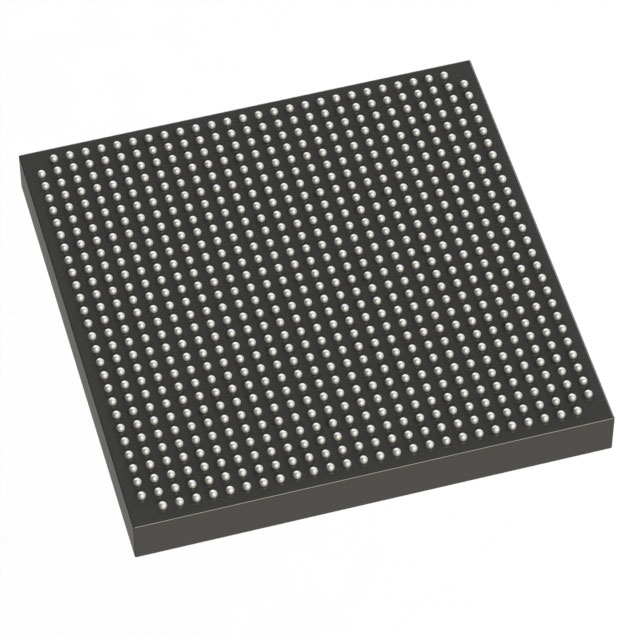
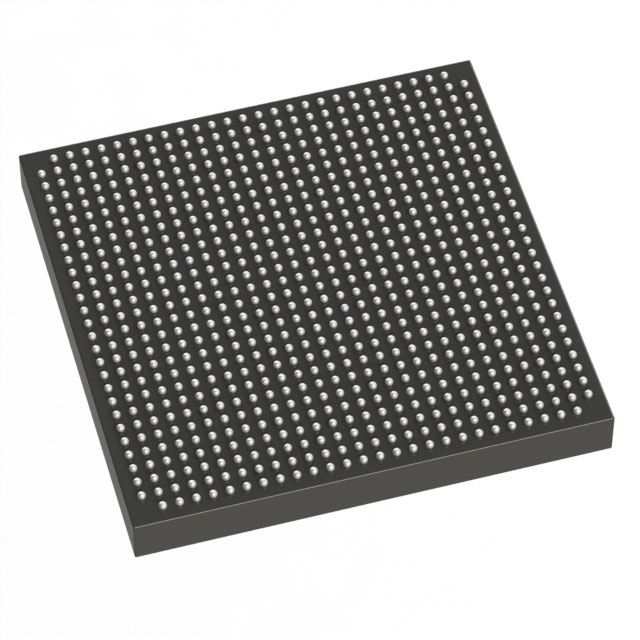
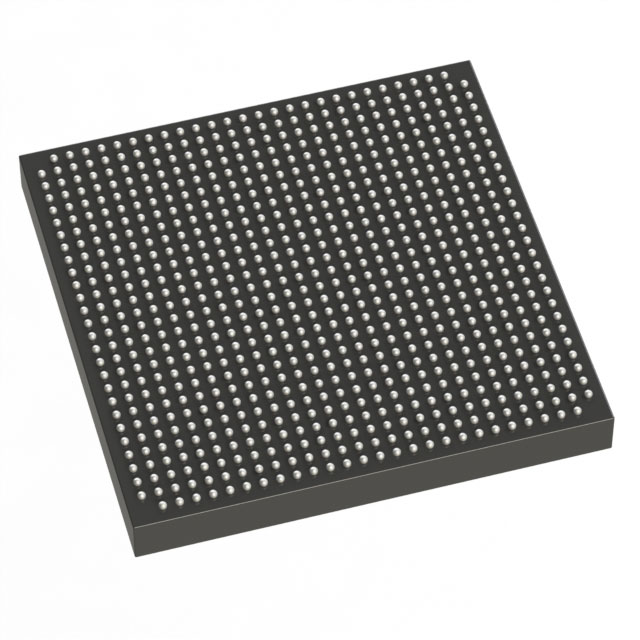
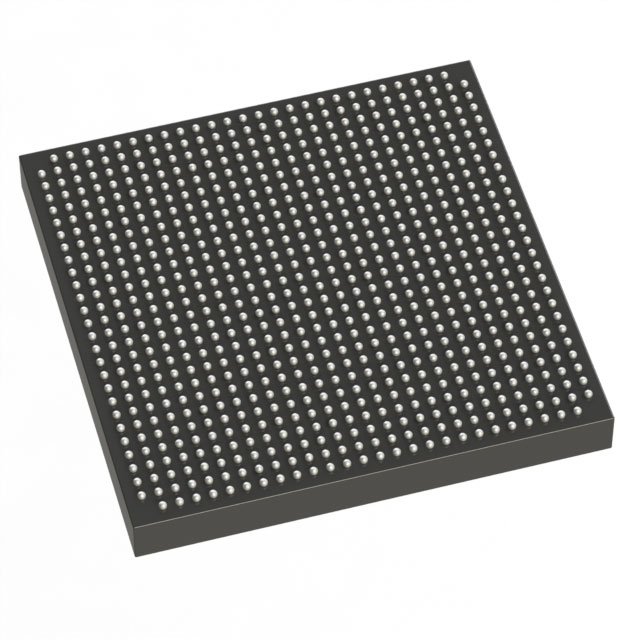
Stratix® III E Field Programmable Gate Array (FPGA) IC 488 8936448 107500 780-BBGA, FCBGA |
|---|---|
| Quantity | 397 Available (as of October 8, 2026) |

| Product Category | Field Programmable Gate Array (FPGA) |
|---|---|
| Manufacturer | Intel |
| Manufacturing Status | Obsolete |
| Manufacturer Standard Lead Time | Contact Us |
| Datasheet |
Specifications & Environmental
| Device Package | 780-FBGA (29x29) | Grade | Commercial | Operating Temperature | 0°C – 85°C | ||
|---|---|---|---|---|---|---|---|
| Package / Case | 780-BBGA, FCBGA | Number of I/O | 488 | Voltage | 860 mV - 1.15 V | ||
| Mounting Method | Surface Mount | RoHS Compliance | RoHS Compliant | REACH Compliance | REACH Unknown | ||
| Moisture Sensitivity Level | 3 (168 Hours) | Number of LABs/CLBs | 4300 | Number of Logic Elements/Cells | 107500 | ||
| Number of Gates | N/A | ECCN | 3A001A7A | HTS Code | 8542.39.0001 | ||
| Qualification | N/A | Total RAM Bits | 8936448 |
Overview of EP3SE110F780C3N – Stratix® III FPGA, 107,500 logic elements, ~8.94 Mbits RAM, 488 I/Os, 780-FBGA
The EP3SE110F780C3N is a Stratix® III Field Programmable Gate Array (FPGA) in a 780-FBGA (29×29) package, designed for commercial-grade embedded logic applications. It provides a high-density programmable fabric with 107,500 logic elements, approximately 8.94 Mbits of on-chip RAM and 488 user I/Os, supporting complex, I/O‑heavy designs within a surface-mount 780-BBGA/FCBGA package.
Built on the Stratix III family architecture, the device includes on-chip memory and architecture features described in the device handbook, offering designers programmable logic, DSP and I/O capabilities for high-density commercial applications that require extensive I/O and embedded memory while operating within a commercial 0 °C to 85 °C range.
Key Features
- Logic Capacity Provides 107,500 logic elements suitable for high-density programmable logic and complex combinational/sequential logic implementations.
- Embedded Memory Includes a total of 8,936,448 bits of on-chip RAM (approximately 8.94 Mbits) to support data buffering, FIFOs, and memory-heavy logic functions.
- I/O Density 488 user I/O pins enable extensive external interfacing for systems that require many parallel or multiplexed connections.
- Stratix III Architecture Documentation for the Stratix III family lists features such as TriMatrix embedded memory blocks, DSP blocks, MultiTrack interconnect, clock networks and PLLs, and high-speed differential I/O with DPA to support advanced logic and signal-processing architectures.
- System and Test Device handbook content highlights configuration support, IEEE 1149.1 (JTAG) boundary-scan testing and design security features for production test and secure deployment.
- Power and Voltage Operates from a core supply range of 860 mV to 1.15 V, enabling integration into designs with defined core-voltage domains.
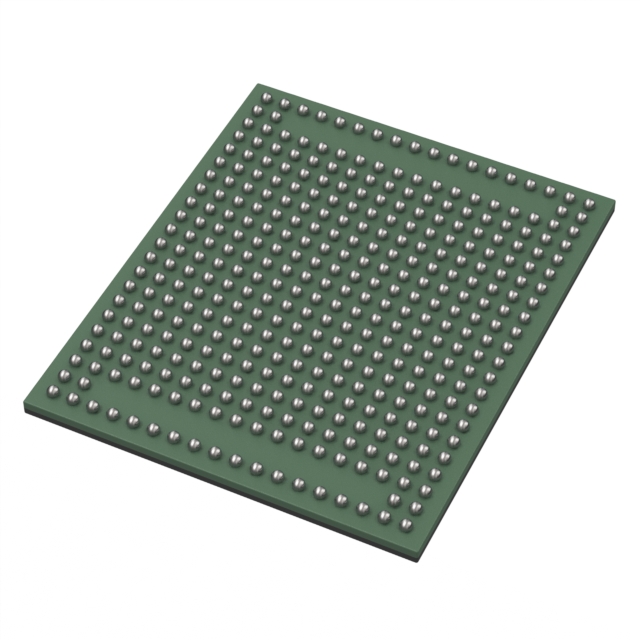
- Package & Mounting 780-BBGA, FCBGA package (supplier package 780-FBGA, 29×29) for surface-mount assembly, suitable for compact board-level integration.
- Commercial Grade & Environmental Commercial operating temperature range of 0 °C to 85 °C and RoHS compliance for regulated manufacturing environments.
Typical Applications
- High-density digital processing Use the large logic capacity and substantial on-chip RAM for complex packet processing, protocol handling, and control logic implementations.
- Signal processing and DSP Stratix III architecture elements such as DSP blocks and clock networks support fixed-point and streaming signal-processing functions in commercial systems.
- High‑I/O interface systems With 488 I/Os, the device is suited for designs that require extensive external parallel interfaces, multiple peripherals, or broad I/O expansion.
- Embedded systems and prototypes Surface-mount 780-FBGA package and programmable fabric make the device appropriate for commercial embedded platforms and system-level prototyping requiring reconfigurable logic.
Unique Advantages
- High logic density: 107,500 logic elements provide the capacity to implement large, integrated digital subsystems on a single FPGA.
- Substantial on-chip memory: Approximately 8.94 Mbits of embedded RAM reduces dependence on external memory for many buffering and FIFO needs.
- Extensive I/O: 488 user I/Os enable flexible board-level connectivity and support for multiple interfaces in a single device.
- Stratix III architectural features: On-chip TriMatrix memory blocks, DSP blocks, PLLs and high-speed differential I/O (as listed in the device handbook) provide building blocks for signal processing and timing-critical designs.
- Commercial readiness: Commercial temperature rating (0 °C to 85 °C) and RoHS compliance align the device to standard commercial manufacturing and deployment requirements.
- Compact package integration: 780-FBGA (29×29) surface-mount package enables dense PCB layouts while providing the pin count required for complex systems.
Why Choose EP3SE110F780C3N?
The EP3SE110F780C3N combines a high-density logic fabric with significant embedded memory and a large I/O count in a compact 780-FBGA package, making it well-suited for commercial designs that require integrated programmable logic and extensive external interfacing. Its Stratix III family features—documented in the device handbook—provide architectural building blocks such as embedded memory structures, DSP blocks, clocking resources and high-speed I/O capabilities relevant to complex digital and signal-processing applications.
This device is positioned for engineers and procurement teams building commercial embedded systems, communication interfaces, and high‑I/O applications that benefit from on‑chip memory and a robust programmable fabric. RoHS compliance and the defined supply/temperature specifications help ensure predictable integration into commercial product designs.
Request a quote or submit an inquiry to receive pricing and availability information for EP3SE110F780C3N.


















Date Founded: 1968
Headquarters: Santa Clara, California, USA
Employees: 130,000+
Revenue: $54.23 Billion
Certifications and Memberships: ISO9001:2015, ISO14001:2015, ISO17025:2017, ISO27001:2022, ISO45001:2018, ISO50001:2018


